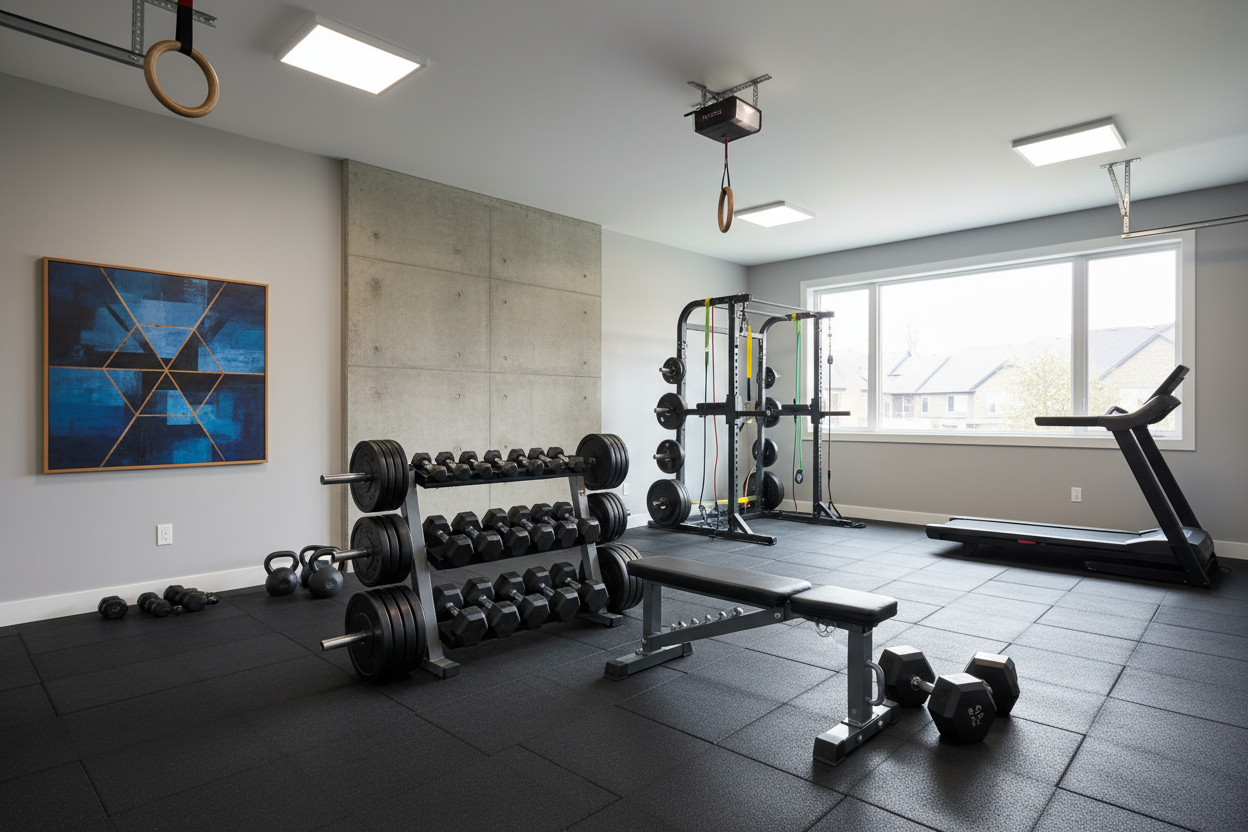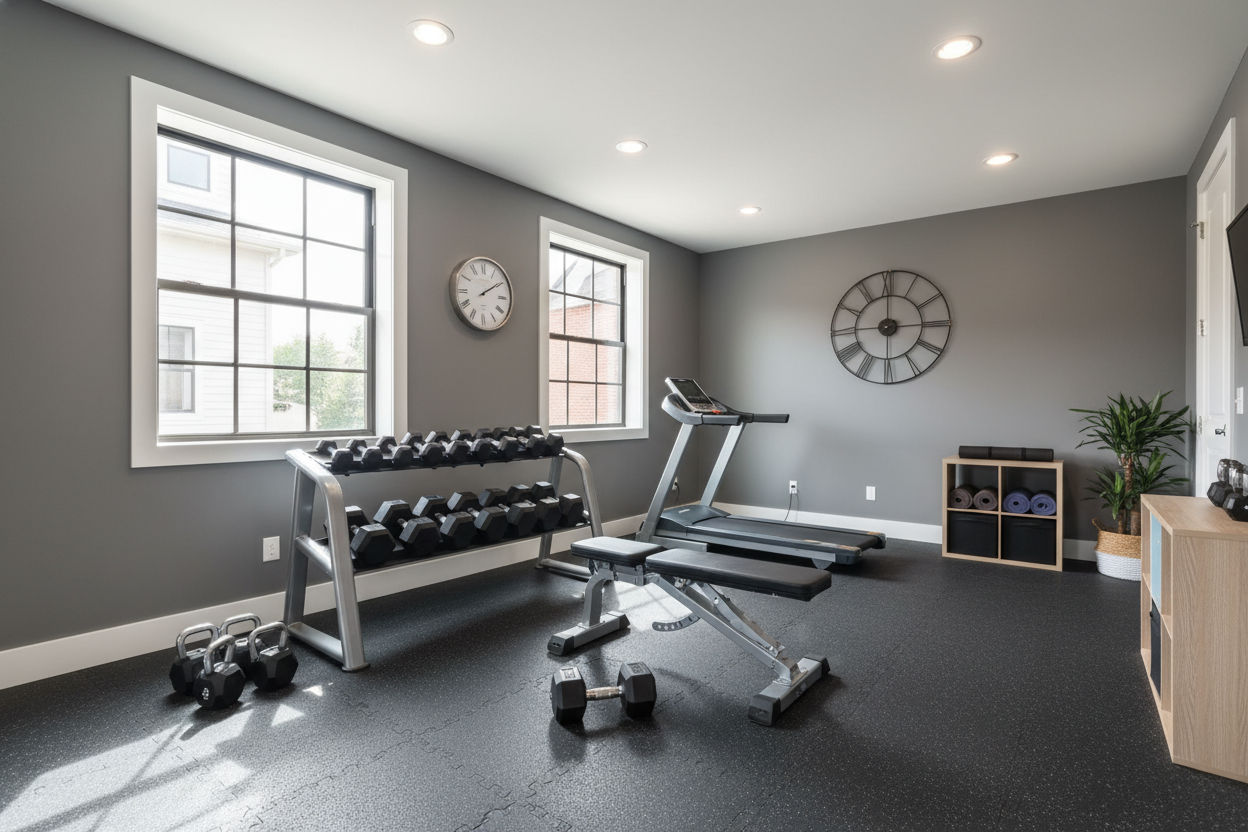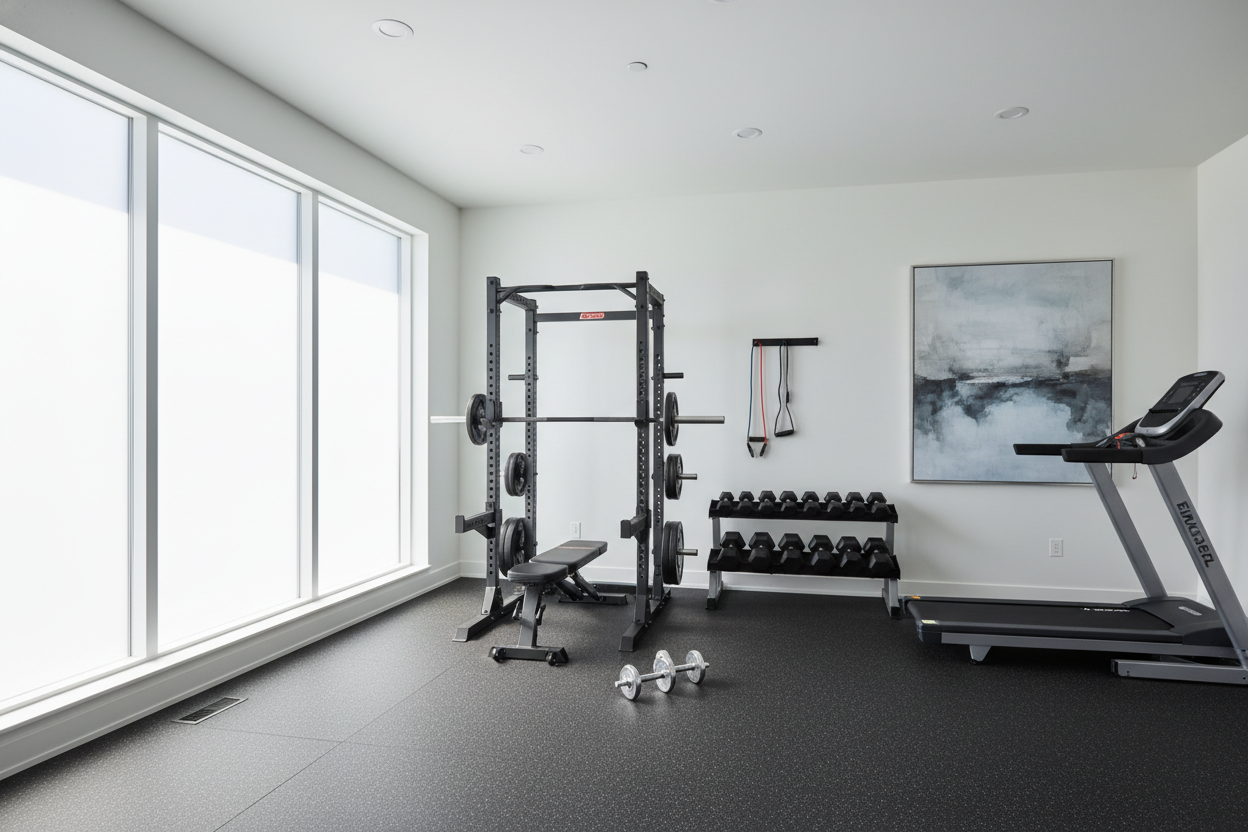
How to Build a Female Gym Training Program That Actually Works
I remember the night I decided to build my first home gym. I was tired of waiting 15 minutes for a squat rack at the local commercial box while watching people do bicep curls in it. I went home, hopped on a used marketplace, and bought the first barbell set I could find. It was a mistake—the bar was rusted and the plates were off-balance—but it taught me a vital lesson: the equipment doesn't care about your gender, and neither does your physiology. Finding a female gym training program that doesn't suck shouldn't feel like deciphering a secret code.
Quick Takeaways
- Compound lifts (squats, deadlifts, presses) are the foundation, regardless of gender.
- Progressive overload—adding weight or reps—is the only way to see real change.
- You don't need a massive commercial gym; a solid floor and a barbell go a long way.
- Consistency in a basic 3-day split beats a complex 6-day influencer routine every time.
The Problem With the 'Women's Workout' Section of the Internet
If you spend five minutes searching for a gym training program for woman athletes, you're going to get hit with a wall of high-rep, low-weight 'toning' routines. Most of it is fluff. It’s designed to make you sweat without actually making you stronger. These programs treat women like they are made of glass, focusing on 'burning calories' rather than building the metabolic engine that comes with muscle mass.
I’ve seen it a thousand times: someone spends 45 minutes on a stair climber and then does three sets of 20 with 5-lb dumbbells. You might feel tired, but you aren't triggering the mechanical tension required for hypertrophy. To change your body composition, you need to challenge your central nervous system. That means picking up something heavy enough that the last two reps of a set feel like a genuine struggle. The 'pink dumbbell' era needs to die.
Real strength adaptations happen when you stop chasing a 'burn' and start chasing a PR. Whether you are looking to lose fat or gain muscle, the stimulus is the same. You need to move weight. Most gym training programs for women fail because they lack a logical progression. If you’re doing the same weight today that you were doing three weeks ago, you aren't on a training program; you're just exercising.
Why You and Your Partner Should Be Doing the Same Lifts
One of the biggest myths in the home gym community is that a couple needs two different sets of equipment. If you’re training with a spouse or partner, you don't need a 'his and hers' gym. You both have the same muscle groups. You both benefit from a stronger posterior chain. The only thing that changes is the number on the plates. Sharing a rack is actually one of the most efficient ways to train if you have a plan.
When my partner and I started training together, we realized we could run the exact same movements—Squat, Bench, and Deadlift—in the same session. We just had to get fast at swapping plates. This is where having a solid system for loading and unloading becomes a lifesaver. If you're worried about how to balance different strength levels in one space, check out The Best Training Program for a Multi-User Home Gym Setup. It breaks down how to rotate through sets without spending two hours in the garage.
Don't let anyone tell you that you need a different machine for your glutes while he uses the rack for his legs. A deep squat is a deep squat. By sharing the same foundational movements, you keep the gym footprint small and the intensity high. Plus, there is nothing quite like hitting a heavy set of deadlifts while your partner cheers you on from the corner of the room.
Claiming Your Space: The Floor Is Your First Tool
You don't need a $3,000 functional trainer with 20 different cable attachments to get in shape. In fact, most of those machines take up way too much floor space for what they offer. The most important 'equipment' in my gym is actually the floor itself. If you have a stable, grippy surface, you can do 90% of what a pro athlete does. I’m talking about heavy kettlebell swings, floor presses, and Romanian deadlifts.
When you're starting out, invest in your foundation. I’ve seen people try to lift on carpet or thin yoga mats, and it’s a recipe for a rolled ankle. You need something high-density that won't compress when you have 135 lbs on your back. A Large Exercise Mat For Home Gym is the move here. It protects your joints, keeps your equipment from sliding, and saves your subfloor from the inevitable 'oops' when a dumbbell drops.
Having a dedicated 6x8 or 8x10 space that is 'yours' changes the psychology of the workout. When you step onto that mat, you're in the work zone. It’s not a living room anymore; it’s a lab for getting stronger. You want a surface that feels like a professional facility but fits in your spare bedroom.
Structuring Your Weekly Split Without the Fluff
Influencers love to sell 6-day 'glute-focused' splits because they look busy and impressive on Instagram. In reality, most people—especially those of us with jobs and lives—will see better results on a 3-day full-body split. It allows for maximum recovery and ensures you hit every major muscle group multiple times a week. The best gym training program women can follow is one that actually gets finished.
Here is a template that has worked for me and every person I’ve coached:
- Day 1: Back Squat (3x5), Overhead Press (3x8), Lat Pulldowns or Pull-ups (3xMax), and Plank Holds.
- Day 2: Deadlift (1x5 heavy, 2x8 back-off), Bench Press (3x5), Lunges (3x10 per leg), and Face Pulls.
- Day 3: Goblet Squats (3x12), Rows (3x8), Push-ups (3xMax), and Romanian Deadlifts (3x10).
This covers your push, pull, hinge, and squat patterns. It’s not flashy, but it’s effective. You aren't wasting time on three different types of tricep kickbacks. You’re doing the big movements that recruit the most muscle fibers. If you can add 2.5 to 5 lbs to these lifts every week or two, you will look and feel like a completely different person in six months.
Stop Chasing Sweat, Start Chasing Weight
We’ve been conditioned to think that if we aren't gasping for air in a puddle of sweat, the workout didn't count. That’s a lie. If you want to build a physique that looks athletic and stays injury-free, you have to stop chasing the 'burn' and start chasing the numbers on the bar. The most successful gym training program women can implement is one built on progressive overload.
Muscle is metabolically expensive for your body to maintain. This is a good thing. The more muscle you have, the more calories you burn just sitting on the couch. But your body won't build that muscle unless you give it a reason to. A 10-lb dumbbell is a reason for about a week. After that, you need 12.5 lbs, then 15 lbs. This is why I always recommend buying adjustable dumbbells or a full plate set rather than individual pairs—you'll outgrow the light stuff faster than you think.
Focus on your form, keep a logbook, and be patient. Strength is a slow-cooker meal, not a microwave snack. When you stop worrying about how many calories your watch says you burned and start worrying about how much you can squat, everything else falls into place.
My Personal Experience with 'Female-Specific' Gear
Years ago, I fell for the marketing and bought a 'women's' barbell that was remarkably cheap. It was thinner than a standard bar and had a pretty pink coating. Within three months, the sleeves stopped spinning and the 'pretty' coating started flaking off into my hands. It was a glorified piece of pipe. I realized then that 'female-specific' often just means 'lower quality for a higher price.' Now, I use a standard 15kg or 20kg multi-purpose bar with aggressive knurling. My hands have some calluses, sure, but my deadlift is 100 lbs heavier. Don't buy gear because of the color; buy it because of the tensile strength and the warranty.
Frequently Asked Questions
Do I need a 15kg 'women's bar' or a standard 20kg bar?
If you have smaller hands, a 15kg bar (which has a 25mm diameter) is much easier to grip for pulls. However, a standard 20kg bar (28mm-29mm) works just fine for most. The key is the quality of the steel, not the weight of the bar itself.
Will lifting heavy make me 'bulky'?
No. Unless you are eating a massive caloric surplus and taking performance-enhancing drugs, you don't have the testosterone levels to wake up looking like a bodybuilder. You’ll just look firm and move better.
How do I know when to add weight?
The 'Two-for-Two' rule is a gold standard. If you can perform two additional repetitions over your target in the last set of an exercise for two consecutive workouts, it’s time to increase the load.