How to Build a Complete Gym With Compact Exercise Equipment
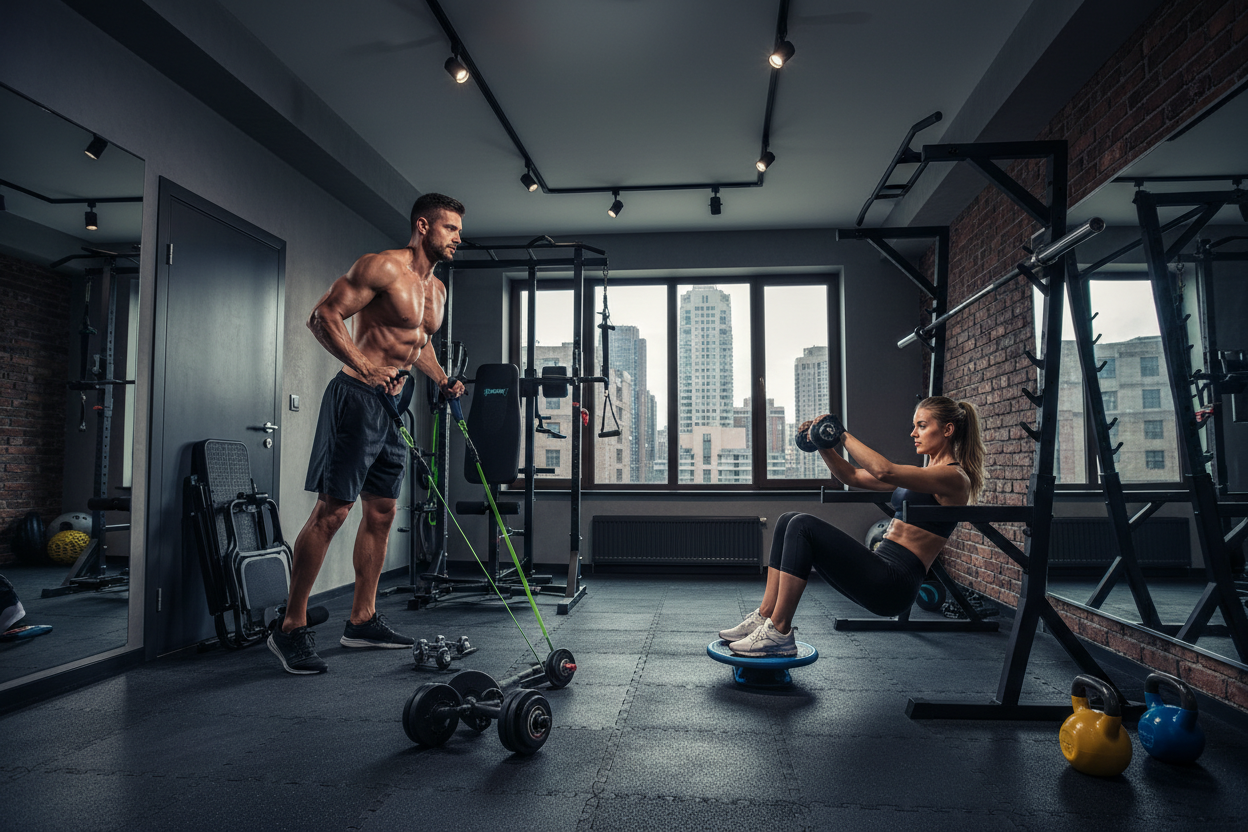
You don't need a garage the size of an aircraft hangar to build serious muscle or improve your cardiovascular health. The biggest lie in the fitness industry is that you need massive machines to see results. The reality is, living in an apartment or a shared room shouldn't be a barrier to your fitness goals. With the right strategy, you can utilize compact exercise equipment for small spaces to create a training environment that rivals a commercial facility.
Key Takeaways: The Essentials
If you are short on time, here is the cheat sheet for building a functional gym in a tight area:
- Adjustable Dumbbells: Replaces 15 pairs of weights with one unit; the king of small footprint exercise equipment.
- Resistance Bands with Anchors: Offers variable tension for strength without taking up floor space.
- Foldable Weight Bench: Essential for stability, but must be easy to store workout equipment that slides under a bed.
- Jump Rope or Weighted Rope: The ultimate cardio tool that fits in a drawer.
- Doorway Pull-Up Bar: Utilizes vertical space for upper body development.
The Philosophy of the "Mini Gym"
When curating a workout space in a studio apartment or a spare bedroom corner, density is your metric for success. You want high-density training tools—items that offer hundreds of exercise variations per square foot of space occupied.
Many people make the mistake of buying a single-function machine, like a cheap stepper or an ab cruncher. These become expensive coat racks. Instead, focus on mini home gym equipment that allows for compound movements. If an item doesn't allow you to squat, press, and pull, it likely doesn't deserve the floor space.
Strength Training Without the Bulk
The Adjustable Dumbbell Revolution
Fixed-weight dumbbells are a luxury for homeowners with basements. For everyone else, selectorized dumbbells are non-negotiable. They are the definition of easy store exercise equipment.
The mechanism matters here. Some use a dial system, while others use a pin. The goal is to go heavy enough to stimulate muscle growth (hypertrophy) without requiring a rack. A single pair can sit in the corner of a living room, effectively replacing an entire wall of iron found in traditional gyms.
Variable Resistance Training
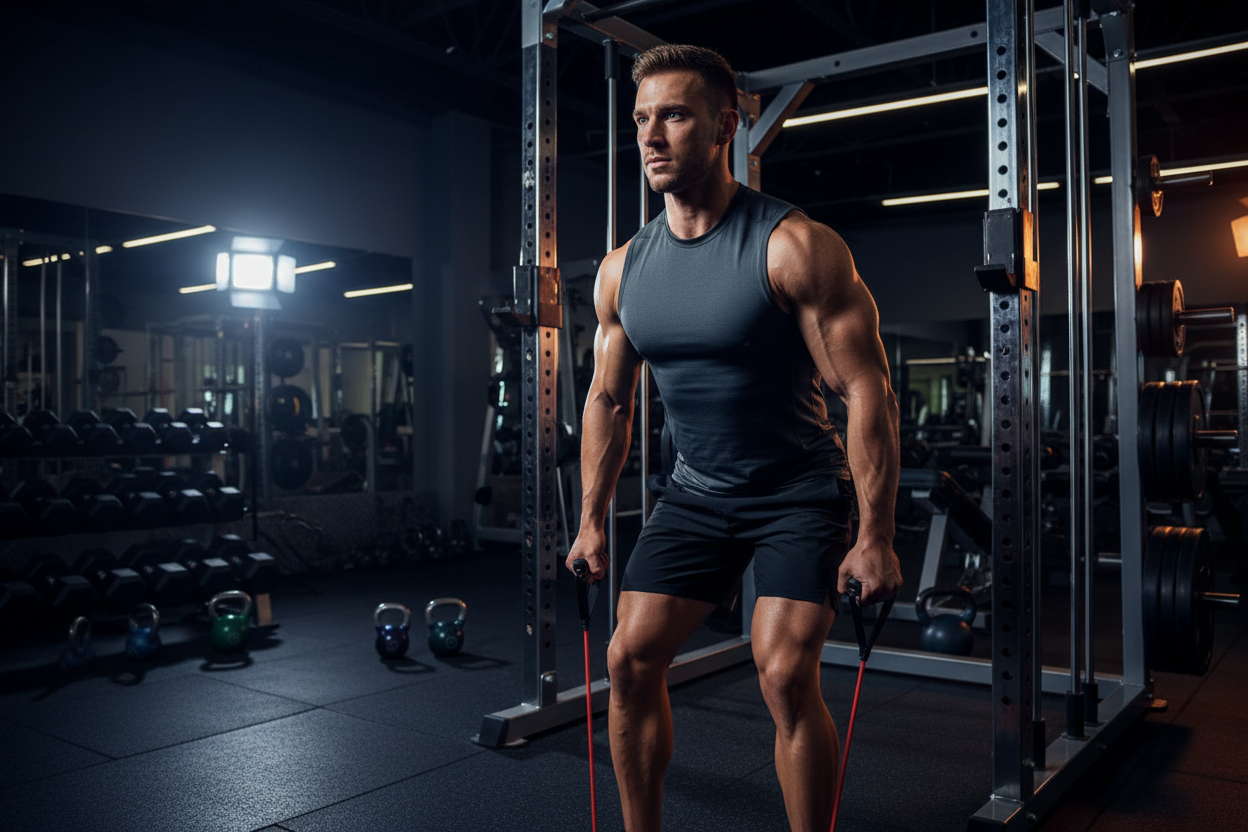
Resistance bands are often dismissed as rehabilitation tools, but heavy-duty loop bands are legitimate muscle builders. Because gravity isn't the source of resistance, you don't need heavy iron.
This is arguably the most easy to store workout equipment available. You can keep an entire gym's worth of resistance in a shoe box. When anchored to a door, they mimic cable machines, allowing for face pulls, tricep press-downs, and chest flys—movements usually impossible in small spaces.
Cardio: Maximum Heart Rate, Minimum Footprint
Treadmills are notoriously difficult to house. Even the "foldable" ones often have a large footprint and become eyesores. If you want a compact workout that torches calories, you have to get creative.
The Vertical Climber and Jump Rope
Vertical climbers utilize height rather than floor width. They provide a full-body conditioning workout that is often more metabolic than jogging. However, if that is still too large, the humble jump rope is the answer.
Weighted jump ropes add a resistance element to cardio. It requires zero storage space and forces you to develop coordination. This fits the criteria for mini home exercise equipment perfectly: high intensity, zero clutter.
Storage and Aesthetics
The friction of setting up your gym often kills motivation. If you have to spend 15 minutes moving furniture to work out, you won't do it. The best easy to store exercise equipment is the kind that blends into your decor or hides away in seconds.
Look for equipment with wheels or flat-folding mechanisms. A bench should collapse to less than 10 inches in height. Dumbbells should have their own trays. Your home is a sanctuary first and a gym second; your gear should respect that boundary.
My Personal Experience with Compact Exercise Equipment for Small Spaces
I spent three years living in a 450-square-foot studio apartment in the city, and I refused to let my training suffer. I remember buying a popular brand of adjustable dumbbells—the rectangular ones. The marketing said they were the ultimate space saver.
Here is the unpolished truth: the first time I tried to do a bicep curl, the sharp corner of the weight plate dug into my thigh during the setup. It was annoying. But the real issue was the width. Because the dumbbell is always at "full length" regardless of the weight selected, the plates would clash together at the top of a shoulder press. I had to alter my form just to use them.
Eventually, I switched to a nesting kit where the handle gets shorter as the weight decreases. The difference in the center of gravity was massive. It felt like real iron. I also learned the hard way that "foldable" benches often wobble. I had to tighten the bolts on my stow-away bench every Sunday night just to feel safe bench pressing. It’s a small ritual, but necessary when your gym lives under your couch.
Conclusion
Building a physique in a small room is entirely possible. It requires selecting mini gym equipment for home use that prioritizes versatility over specialized function. Don't let a lack of square footage become an excuse for a lack of effort. Invest in quality, stowable gear, and your living room will become your most productive training ground.
Frequently Asked Questions
What is the absolute essential piece of equipment for a small apartment?
If you can only buy one item, get a high-quality pair of adjustable dumbbells. They allow for the widest range of exercises (legs, chest, back, arms) and offer progressive overload, which is critical for strength gains.
Is foldable exercise equipment safe for heavy lifting?
Generally, yes, but you must check the weight capacity. Look for a foldable bench rated for at least 500-600 lbs (user weight + lift weight). Avoid cheap tubular steel benches if you plan on pressing heavy dumbbells.
Can I get a good cardio workout without a treadmill or bike?
Absolutely. High-intensity interval training (HIIT) using bodyweight movements (burpees, mountain climbers) or a weighted jump rope can burn more calories per minute than a steady-state treadmill session, all while requiring zero permanent floor space.