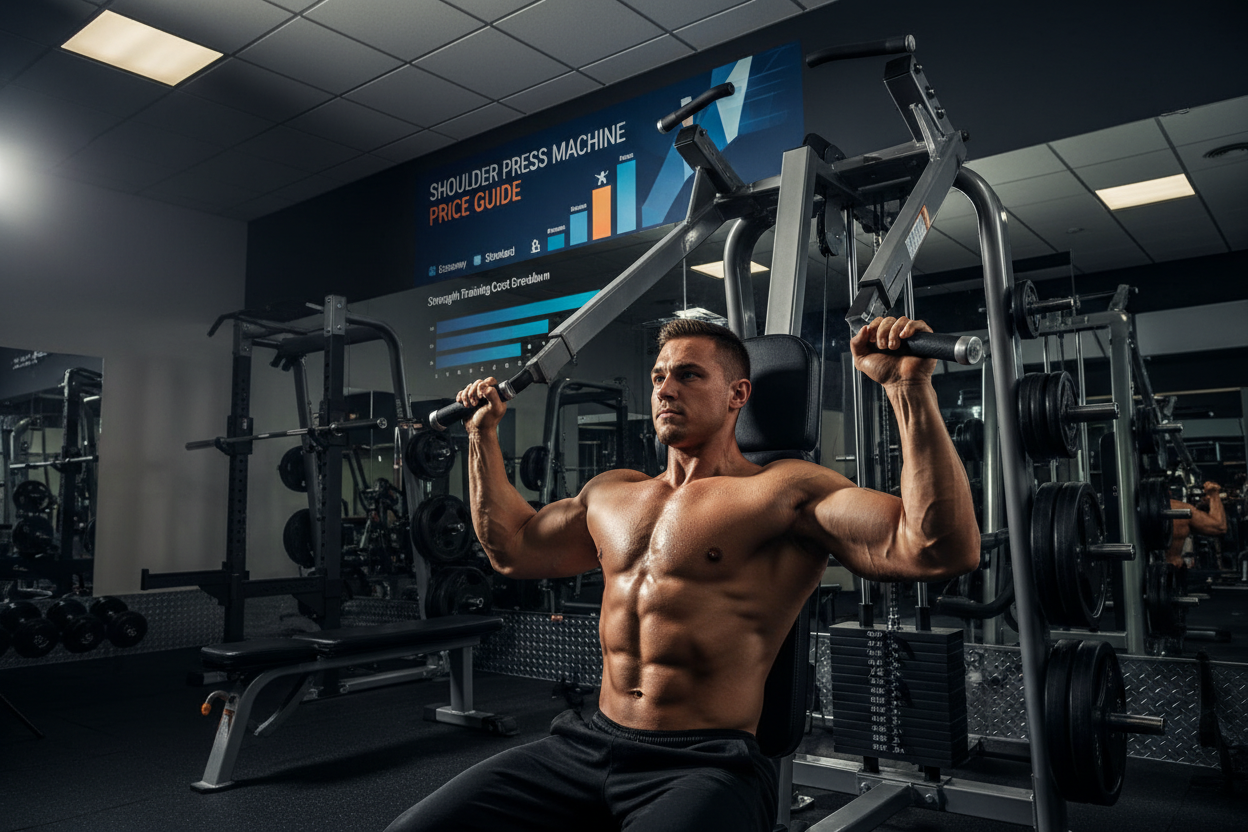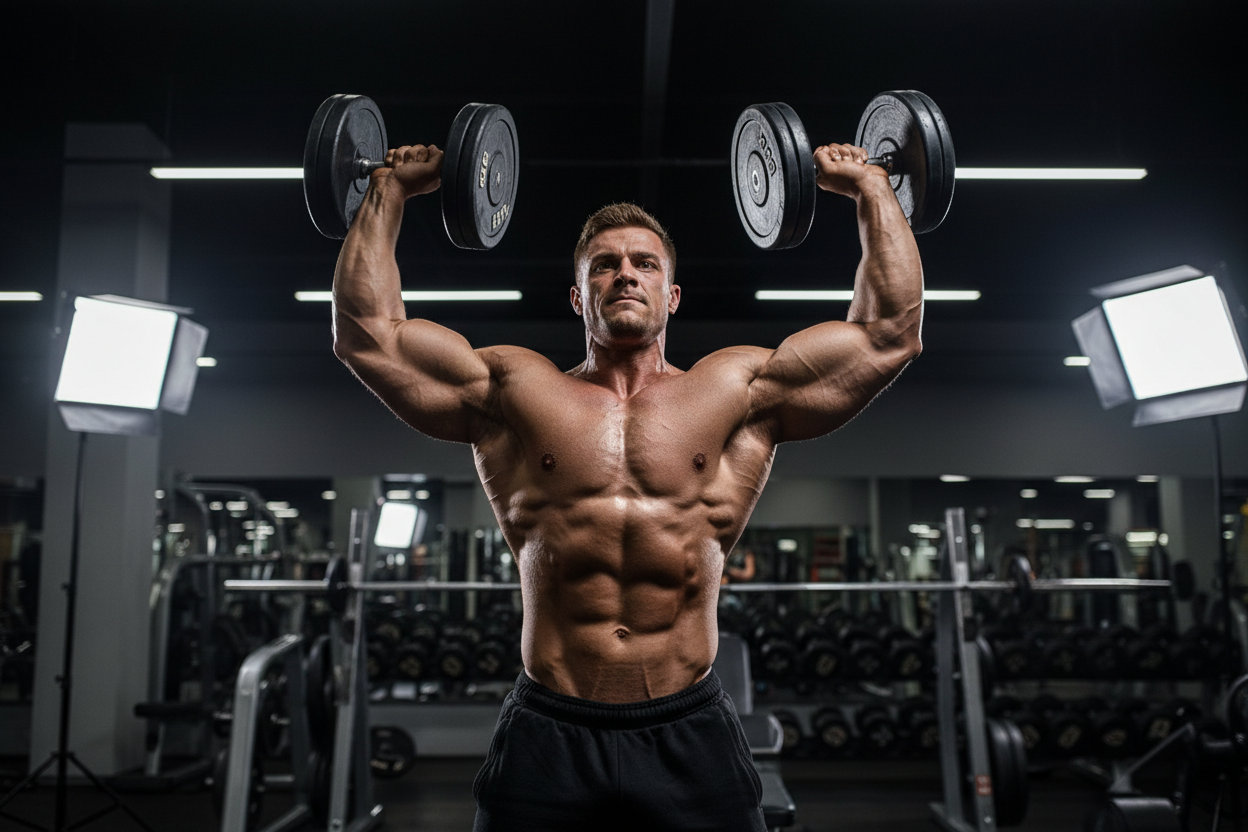
How to Build 3D Delts With This One Shoulder Workout
You want that V-taper look. You want the kind of width that stretches your t-shirt sleeves. But most people approach their shoulder workout with the wrong intensity and poor exercise selection, leading to overdeveloped front delts and non-existent rear delts.
Building "boulder shoulders" isn't just about moving heavy weight overhead; it is about geometry and tension. If you are tired of clicking joints and flat muscles, you need a strategy that targets the anatomy correctly.
Here is how to construct a well-rounded shoulder workout that actually builds mass.
Key Takeaways: The Shoulder Blueprint
- Compound First: Always start your routine with a heavy overhead press variation to overload the entire girdle.
- Volume on Side Delts: The lateral head creates width. It responds best to high reps and constant tension, not just heavy swinging.
- Don't Neglect the Rear: The rear delt is crucial for 3D thickness and shoulder health. Train it with high frequency.
- Control the Eccentric: Shoulders grow from time under tension. Slow down the lowering phase of your lifts.
Understanding the Anatomy for Maximum Growth
To get an aesthetic shoulder workout, you have to stop treating the shoulder as one single muscle. It is a complex ball-and-socket joint wrapped in three distinct heads. If you miss one, the whole look falls flat.
1. The Anterior (Front) Head
This handles arm flexion. You likely already hit this hard during bench presses. The best push shoulder exercises involve heavy pressing, but you rarely need to isolate this head if you are doing a lot of chest work.
2. The Lateral (Side) Head
This is the money muscle. It creates the "capped" look. Shoulder exercises for muscle growth in this area require precise angles because the upper traps love to take over if you aren't careful.
3. The Posterior (Rear) Head
The most neglected area. This muscle pulls the arm backward. Developing this is the secret to defined shoulders male lifters often miss, and it provides that thick look from the side profile.
The Heavy Hitters: Best Shoulder Builders for Mass
If you want size, you have to move weight. These are the must-do shoulder exercises that should form the foundation of your routine.
The Standing Overhead Press (OHP)
This is arguably the best all round shoulder exercise. By standing, you engage your core and stabilizers, turning it into a full body shoulder exercise. It allows for the heaviest load, which is the primary driver for thickening the muscle fibers.
Form Tip: Squeeze your glutes to protect your lower back. Push your head through the "window" created by your arms at the top of the movement.
Seated Dumbbell Press
While the barbell is king for raw strength, dumbbells are the best exercises for your shoulders if you have imbalances. They force each arm to work independently, preventing your strong side from compensating. This provides a greater range of motion at the bottom of the rep.
The Width Creators: Targeting the Side Delts
Once the heavy pressing is done, you need to focus on the shoulder workout mass gain specific to width. This is where we chase the pump.
Cable Lateral Raises
Dumbbells are great, but gravity is their limitation—there is zero tension at the bottom of the movement. Cables provide constant tension throughout the entire arc. This is an optimal shoulder workout addition for hypertrophy.
Egyptian Lateral Raises
Leaning away from a rack while performing a one-arm raise changes the resistance curve. It puts the side delt under extreme stretch, which is vital for muscle building shoulder exercises.
The Finisher: Rear Delts and Health
A well rounded shoulder workout must end with the rear delts. Weak rear delts lead to a hunched posture and shoulder injuries.
Face Pulls
This is the best exercise for lean shoulders and joint longevity. It hits the rear delts, rhomboids, and external rotators. Think of this as the "anti-desk job" exercise.
Reverse Pec Deck
This machine removes the need for stabilization, allowing you to take the muscle to absolute failure safely. It is one of the top shoulder exercises for mass in the posterior chain.
My Training Log: Real Talk
I want to share my personal experience with shoulder workout with heavy volume. For years, I chased numbers on the seated military press. I got strong, but my shoulders looked narrow. Why? Because my traps were doing all the work.
The turning point for me wasn't adding more weight; it was dropping it. I remember specifically picking up the 15lb dumbbells—the "pink weights" in some gyms—and doing lateral raises with my thumbs turned slightly down.
The burn was different. It wasn't that deep ache in the joint I was used to; it was a superficial, searing heat right on the side cap of the muscle. I also stopped locking out my overhead presses. The moment I kept a soft bend in the elbow at the top, the tension stayed in the delts instead of resting on the triceps. That specific sensation—where you can't even lift your arms to wash your hair in the post-workout shower—is the indicator of a good session.
Conclusion
Building massive delts requires a blend of heavy mechanical tension and high-repetition metabolic stress. Don't overcomplicate it. Stick to a shoulder workout routine gym goers have used for decades: Press heavy, raise strictly, and pull frequently. Consistency with these movements will yield the 3D look you are after.
Frequently Asked Questions
What is the best shoulder workout for mass?
The world's best shoulder workout for mass centers on progressive overload on compound movements. A combination of Standing Barbell Overhead Press (3-4 sets of 6-8 reps) followed by high-volume lateral raises is the gold standard for size.
How often should I train shoulders?
For most natural lifters, hitting shoulders twice a week is optimal. You can do a dedicated shoulder day, or split the volume into a "Push" workout (front/side delts) and a "Pull" workout (rear delts). This frequency allows for sufficient shoulder exercises for muscle growth without burnout.
Can I exercise collar muscles at home?
Yes. The "collar muscles" usually refer to the traps and clavicular head of the pec/delt. You can perform exercise for collar muscles at home using resistance bands for upright rows or heavy water jugs for shrugs. Push-ups with feet elevated also target the upper shoulder girdle effectively.