How to Actually Get Bodybuilding Working for You
I remember staring at a 300-page 'encyclopedia' of bodybuilding years ago, feeling like I needed a PhD just to pick up a dumbbell. I had three different supplement tubs on my counter and a 'pro' workout plan that had me in the gym for two hours a day, six days a week. I lasted exactly three weeks before I burnt out and went back to the couch. Most people fail because they try to mimic a professional's peak week instead of focusing on getting bodybuilding working for their actual lifestyle.
Quick Takeaways
- Consistency beats intensity every single time for a bodybuilding beginner.
- Focus on three pillars: progressive overload, caloric surplus, and 7-9 hours of sleep.
- Start with a 3-day full-body or upper/lower split to avoid early burnout.
- Invest in a solid home setup so you have zero excuses on rainy days.
- Track your lifts; if you aren't getting stronger or doing more reps, you aren't growing.
Why Beginning Bodybuilding Feels So Overwhelming
If you search for how to start bodybuilding, you're immediately hit with a wall of noise. One influencer tells you to eat 400g of protein, another says you need to hit every muscle from seventeen different angles, and a third is trying to sell you a 'proprietary' testosterone booster. It’s exhausting. Most of this beginning bodybuilding advice is designed to sell products, not to help you build a physique.
The truth is, bodybuilding for starters is remarkably simple, but simple isn't 'easy.' The industry thrives on making things complicated because they can't charge you a subscription for 'lift heavy and go to bed.' When you're starting to body build, your body is incredibly responsive. You don't need a complex 7-day 'Bro Split' where you spend two hours on 'Rear Delt Tuesday.' You need a stimulus that forces your muscles to adapt and enough fuel to let them recover.
I see so many guys asking how do I start bodybuilding while they're already worried about which brand of BCAAs to buy. Stop. If you haven't consistently hit your compound lifts for three months, the brand of your supplements doesn't matter. You’re over-optimizing a system that hasn't even started running yet. Focus on the basics of bodybuilding first: showing up and moving more weight than you did last week.
The Actual Basics of Bodybuilding (Forget the BS)
To get bodybuilding for beginners right, you have to understand hypertrophy. It isn't magic; it’s a biological response to stress. There are three non-negotiables: mechanical tension, a caloric surplus, and recovery. If you miss one, the whole thing falls apart. Mechanical tension is the most important—this means lifting weights that are heavy enough to challenge your muscles near failure.
Regarding bodybuilding basics, your diet is the second half of the battle. You cannot build a house without bricks. If you’re wondering how can I start bodybuilding while eating 1,200 calories a day, the answer is: you can't. You need a slight surplus—about 200-300 calories above maintenance—to provide the energy required for muscle synthesis. This isn't an excuse to eat pizza every night, but it does mean you need to prioritize protein and carbs.
Finally, sleep is when the actual how to bodybuilding magic happens. You don't grow in the gym; you grow in your bed. If you’re pulling all-nighters, your cortisol levels will spike, and your testosterone will crater. I've seen guys with perfect routines and perfect diets fail to gain an ounce of muscle because they only slept five hours a night. This is the most underrated bodybuilding advice for beginners you'll ever get.
Building a Starter Routine That Fits Your Life
When you're figuring out how to get into bodybuilding, the biggest trap is over-commitment. You don't need to be in the gym six days a week. In fact, for a simple bodybuilder just starting out, that’s a recipe for injury. I always recommend a 3-day full-body routine. This allows you to hit every major muscle group three times a week, which is a massive amount of growth stimulus for a novice.
You can schedule bodybuilding workout plans that work around your 9-to-5 and family commitments. A Monday-Wednesday-Friday schedule is classic for a reason. It gives you 48 hours of recovery between sessions. In each session, pick one squat variation, one hinge (like a deadlift), one push (bench or overhead press), and one pull (rows or pull-ups). This guide for bodybuilding isn't flashy, but it works.
As you progress in how to start in bodybuilding, you might move to a 4-day upper/lower split. This allows for more volume per muscle group. But don't rush it. Stay on the 3-day plan until you stop seeing progress. The best bodybuilding starter guide is the one you actually follow for six months straight, not the one you quit after six days because it was too intense.
Creating a Space Where You Actually Want to Train
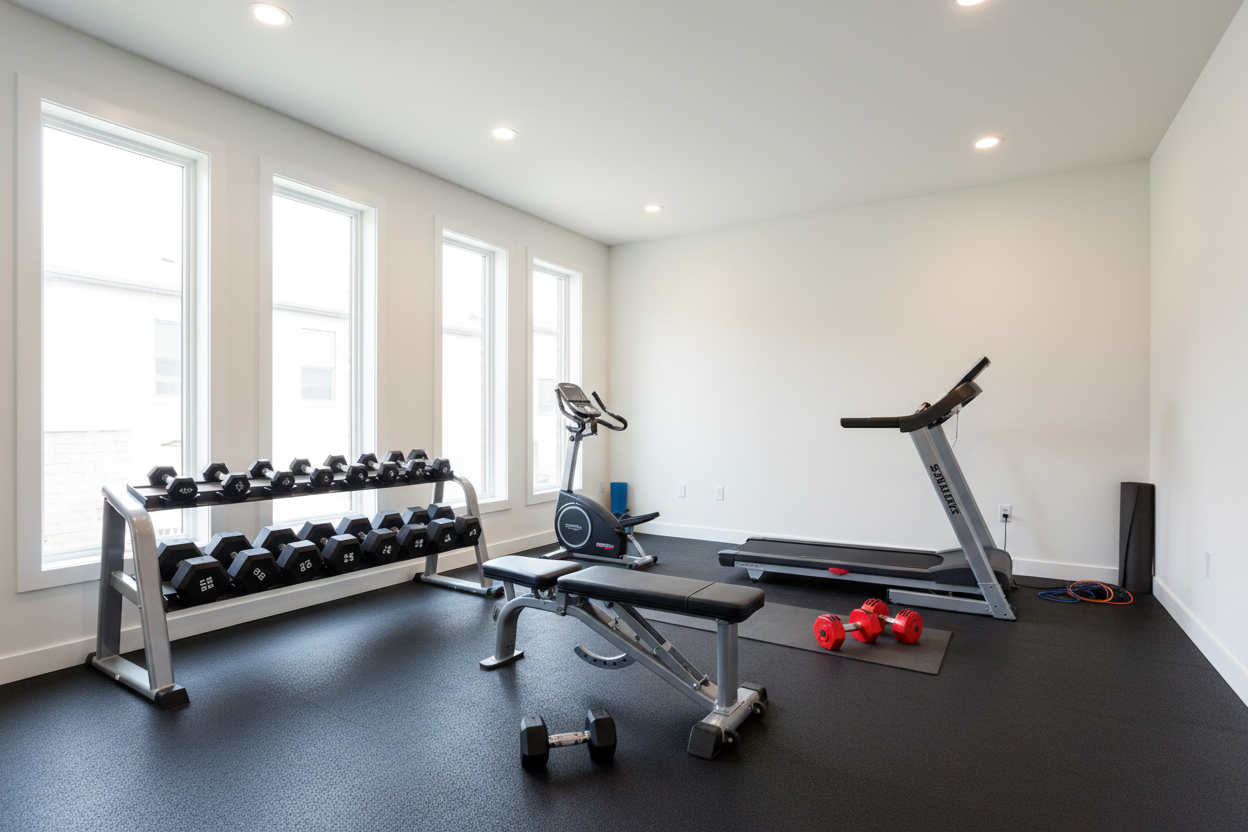
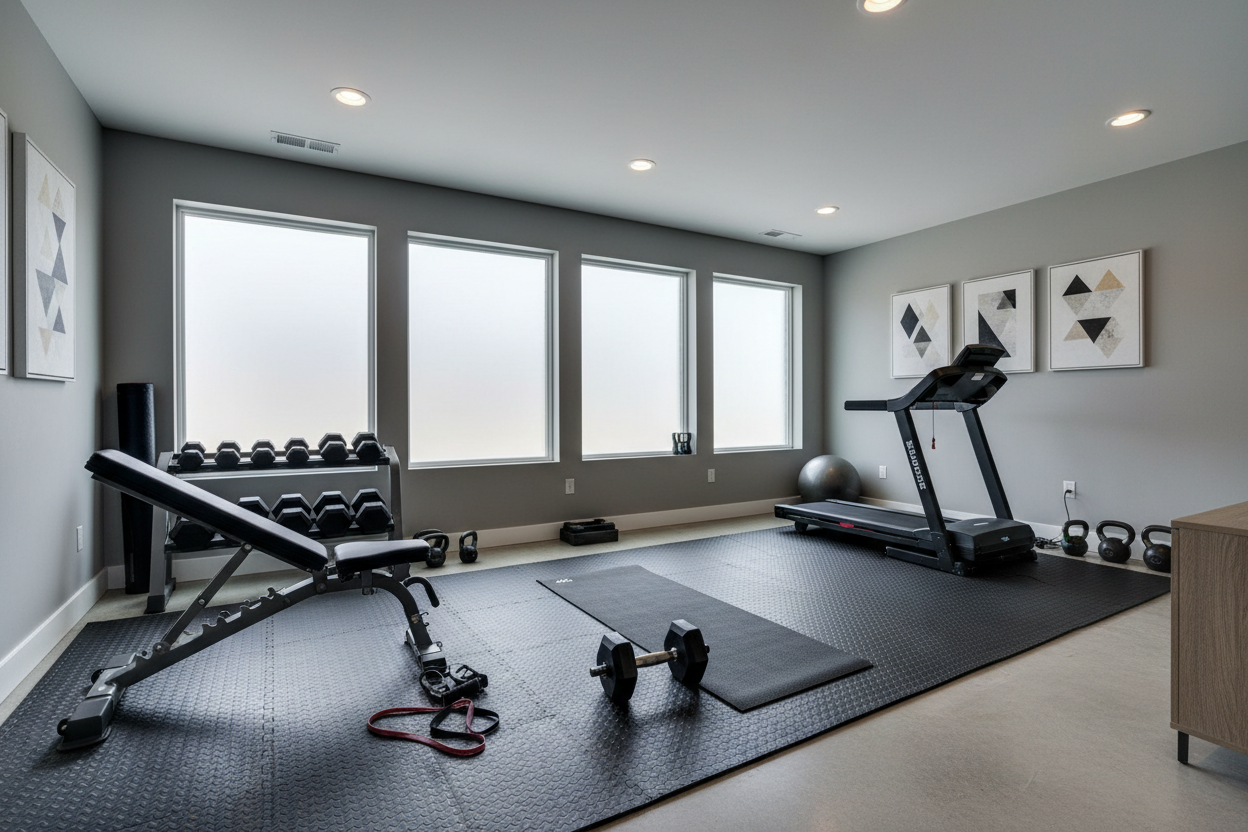
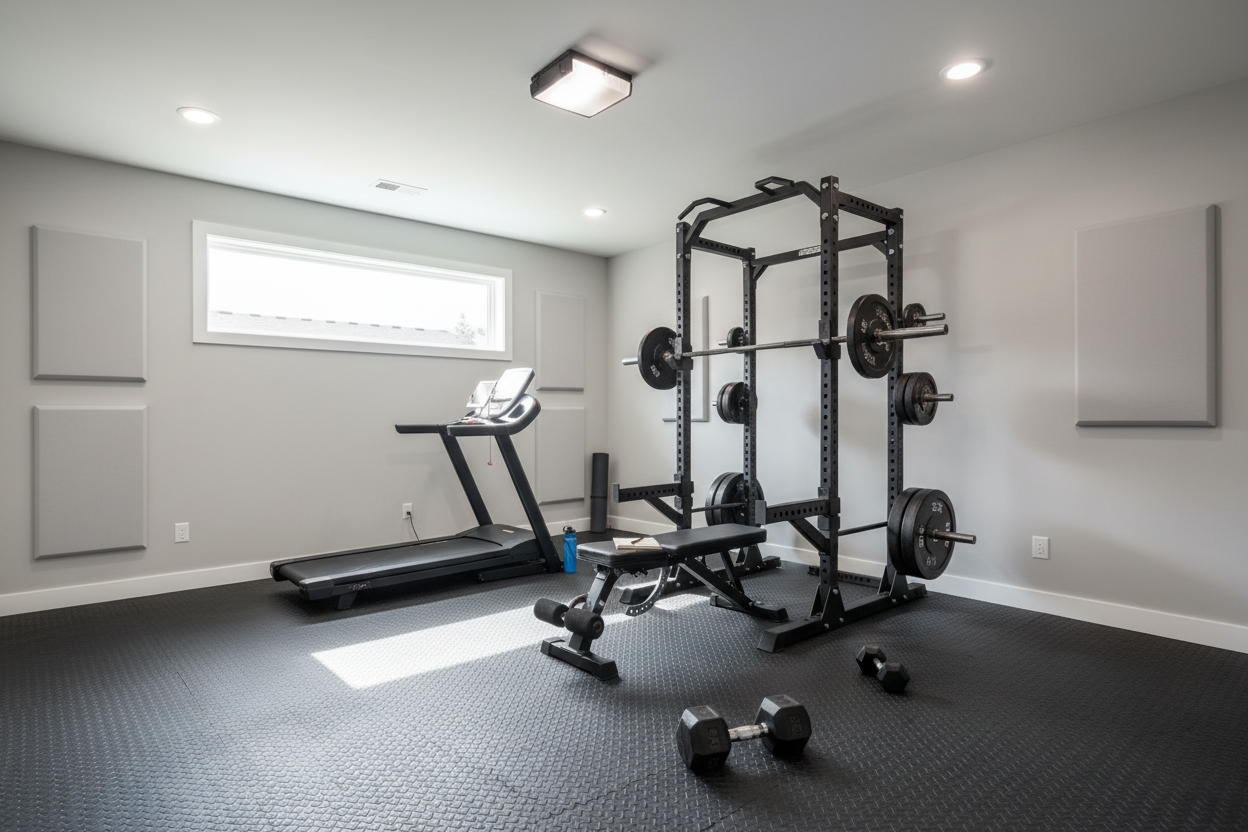
Consistency is the 'secret sauce' for how to start being a bodybuilder. If you have to drive 20 minutes to a crowded gym just to wait for a squat rack, you're going to skip days. That’s why I’m a huge advocate for how to start bodybuilding at home. You don't need a commercial-grade facility. You need a power rack, a barbell, some plates, and a bench.
Safety and stability are paramount when you're starting to body build. You need a dedicated area where you won't slip or damage your floors. I always tell people to invest in a large exercise mat for home gym use. It provides the traction you need for heavy squats and protects your subfloor when you’re deadlifting. If your environment feels professional, you’ll train professionally.
Don't get distracted by fancy cable machines or bodybuilding techniques for beginners that require specialized gear. A basic 11-gauge steel rack and a bar with decent knurling will take you through your first five years of training. When you're beginning bodybuilding, your focus should be on the big compound movements that allow you to move the most weight safely.
What to Do When the Beginner Gains Slow Down
The first three months of how to start with bodybuilding are glorious. You'll get stronger every single session. But eventually, the 'newbie gains' taper off. This is the intro to bodybuilding reality check. When you can no longer just add five pounds to the bar every workout, you have to get smarter with your bodybuilding tips for beginners.
This is where progressive overload becomes a science. If you can't add weight, add a rep. If you can't add a rep, improve your form or slow down the eccentric (lowering) phase of the lift. If you find yourself hitting a wall because you've maxed out the weights in your garage, you'll need to look at home workout plans bodybuilding style to keep the intensity high using techniques like rest-pause sets or dropsets.
Plateaus are just your body's way of saying it has adapted to the current stress. To keep how to get bodybuilding results coming, you have to change the stimulus. This doesn't mean changing your whole routine—it means pushing closer to failure or increasing your total weekly volume. This is the core of how to start bodybuilding for beginners: constant, incremental improvement.
Personal Experience: My 'Ego Lifting' Era
When I first started, I thought how do you start bodybuilding meant 'how do I lift the heaviest weight possible regardless of form.' I spent months half-repping bench presses because I wanted to look cool in front of people who didn't care. My chest didn't grow, but my shoulders sure did ache. I had to swallow my pride, drop the weight by 30%, and actually learn to feel the muscle working. It was a humbling bodybuilder guide moment. My biggest mistake was thinking intensity could replace technique. It can't. Now, I prioritize the 'mind-muscle connection' and full range of motion over the number on the plates.
Frequently Asked Questions
How long does it take to see bodybuilding results?
For most, you'll feel a difference in strength within two weeks. Visually, it usually takes 8 to 12 weeks of consistent training and eating for others to notice a change in your physique. Bodybuilding is a game of months and years, not days.
Do I need to take supplements to start?
Absolutely not. Supplements are the final 5% of your results. Focus on your bodybuilding basics: whole foods, sleep, and training. If you struggle to hit your protein goals, a basic whey protein powder is fine, but it's not a magic potion.
Can I start bodybuilding if I'm over 40?
Yes, and you probably should. Bodybuilding for beginners at an older age is excellent for bone density and metabolic health. You just need to be more mindful of recovery and joint health. Focus on controlled movements and don't skip your warm-ups.