How Much Should It Actually Cost to Buy Weights?
I remember the first time I tried to outfit my garage. I had a budget of five hundred bucks and thought I’d be living like a king. Then I saw the shipping invoice. It turns out, moving heavy iron across the country is expensive, and most companies hide that reality in their 'free shipping' offers. If you want to buy weights without losing your shirt, you have to look past the shiny logos and understand the raw economics of iron.
Quick Takeaways
- Aim for $1.00 to $1.50 per pound for standard cast iron.
- Bumper plates should cost between $1.75 and $2.50 per pound.
- Always check if 'Free Shipping' is just a 20% markup on the weights price.
- Used iron is the ultimate budget hack—rust is just a cosmetic issue.
Stop Paying a Premium for Heavy Metal
The last few years have been a rollercoaster for anyone looking to buy weight. We went from surplus iron everywhere to 'out of stock' signs and scalpers charging $4 a pound. It’s frustrating when you just want to get strong but feel like you need a finance degree to understand how much do weights cost. I've been there, scrolling through forums at 2 AM wondering if a 45-lb plate is actually worth the price of a steak dinner.
The truth is, the cost of weights shouldn't fluctuate this much. It’s literally cast iron or rubber. The massive price discrepancies you see between brands are usually just marketing fluff or fancy coatings that don’t help you lift a single pound more. When you shop weights, you aren't buying tech; you’re buying mass. Don't let a sleek website convince you that their fitness weights are 'more ergonomic' than the ones at the local sports shop.
The Golden Rule: Understanding Price Per Pound
The only metric that matters in the weight shop is price per pound. For basic cast iron, you should never pay more than $1.50 per pound brand new. If you're looking at body building weights for a home setup, standard iron is usually the smartest move. It’s durable, it fits on any Olympic bar, and it has that classic clang that makes a garage gym feel real. It is the baseline for weights cost across the industry.
Bumper plates are a different story. If you're weighing the pros and cons of free weights, remember that bumpers are designed to be dropped. They cost more because of the virgin rubber and the steel inserts. Expect to pay a premium here—usually around $2.00 to $2.50 per pound. If a brand is charging $3.50 for a standard bumper, you’re just paying for their athlete sponsorships and social media ads.
Where the Real Markups Hide (Beware of Shipping)
When you shop free weights online, the price you see on the product page is rarely the price you pay at checkout. Shipping 500 pounds of iron is a nightmare for carriers. Many companies offer 'free shipping' but if you compare their weights price to a local store, you'll see they’ve just added $50 to every pair of plates. It's a psychological trick to make the free weight prices look more attractive than they actually are.
I always suggest checking local classifieds before you buy weights online. You can often find a buy a set of weights for sale post from someone who bought a New Year's resolution set and never used it. If you can drive 20 minutes and load the iron into your own trunk, you effectively save 30% on the total cost of free weights by cutting out the middleman and the freight truck fees.
Don't Forget the Stuff You Actually Lift Them On
I’ve seen guys spend their entire $2,000 budget on individual weights and then realize they have to squat off a pair of sawhorse brackets. That’s a recipe for a hospital visit. When you're calculating how much is weights for your gym, you have to budget for the infrastructure. You need a solid foundation to handle the load.
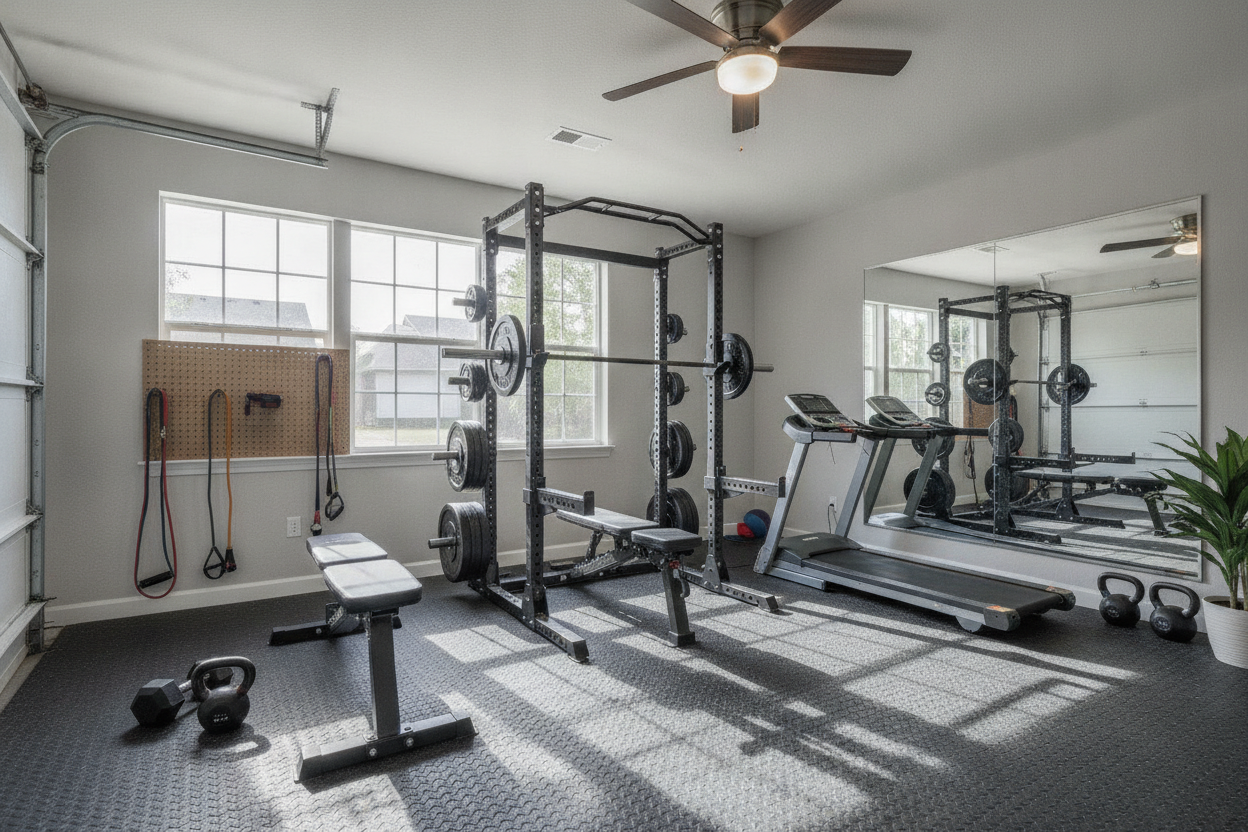
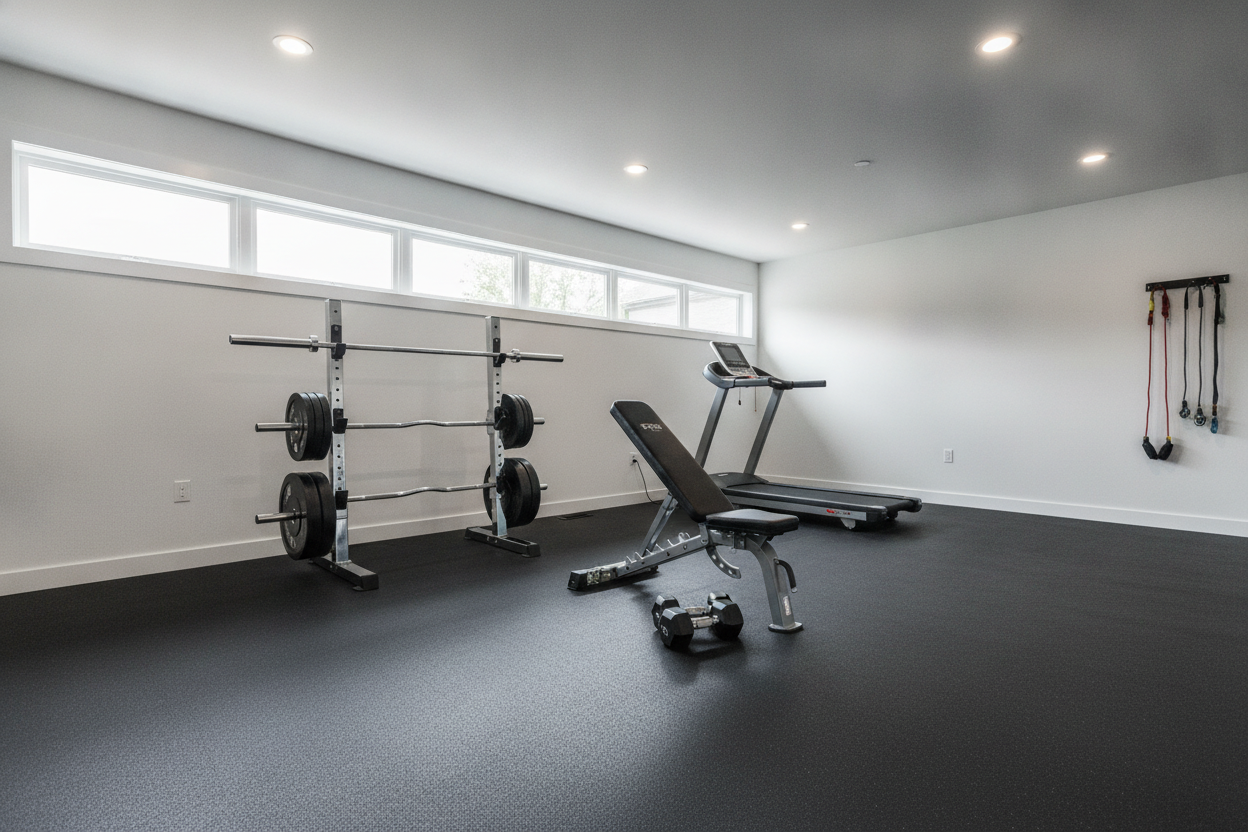
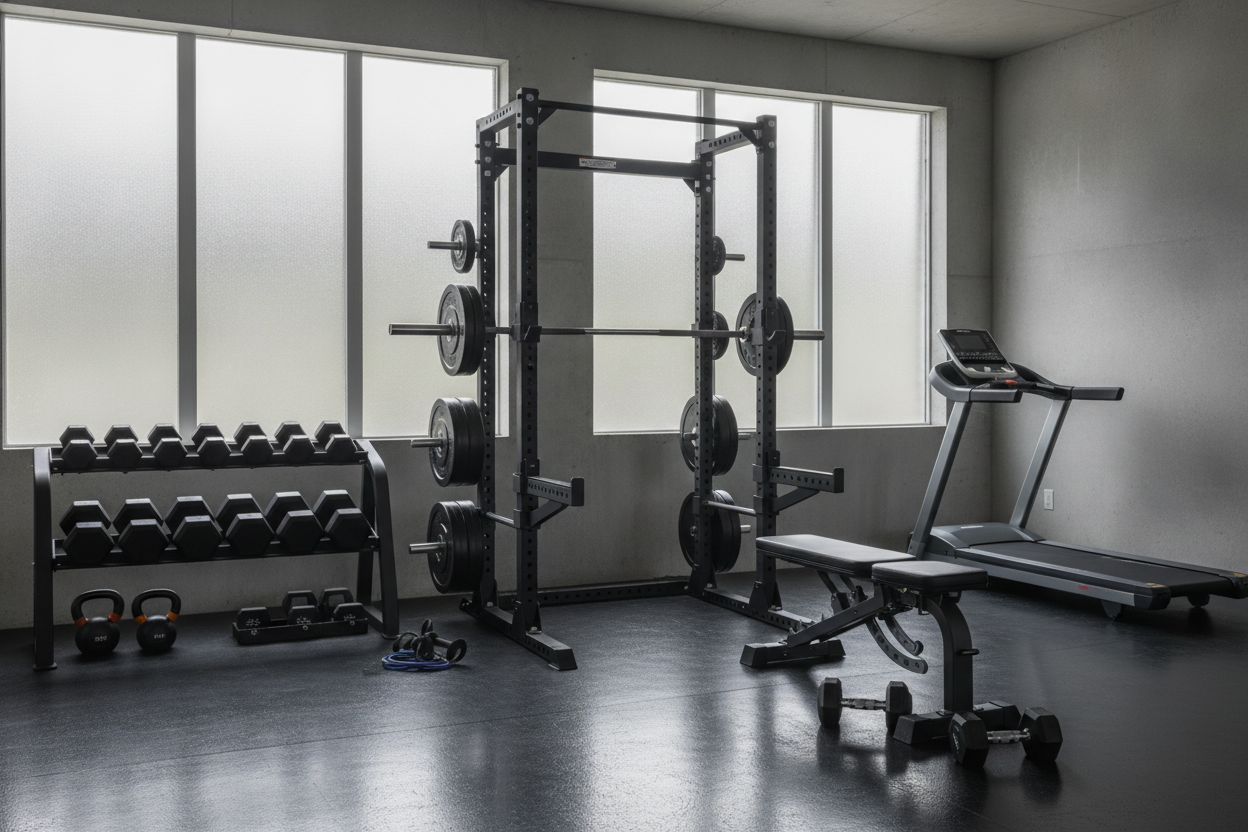
If you're starting from scratch, look for a power rack weight bench package. It centralizes your costs and usually gets you a better deal on shipping than buying pieces piecemeal. Even if you're just doing dumbbell work, don't skimp on the surface. A solid adjustable weight bench is the difference between a productive chest day and a wobbly, dangerous mess. Budget about 40% of your total spend for the rack and bench, and 60% for the actual iron.
The Final Verdict on Your Iron Budget
So, where to buy workout weights without getting burned? Start local, then look for reputable online dealers who are transparent about their shipping. A fair weights purchase range is $1.25 to $2.25 per pound depending on the style. If you see prices higher than that, keep scrolling. You are paying for a brand name, not better performance.
Before you pull the trigger, check the diameter of the plates and the collar opening. Make sure the brand has a decent warranty on the rubber inserts if you're buying bumpers. My first set was a mismatched pile of rusty iron from a guy's backyard. I paid $0.50 a pound and spent a weekend with a wire brush and some spray paint. My biggest mistake was once buying 'vinyl-coated' cement weights because they were cheap—they cracked and leaked sand in a month. Stick to iron or quality rubber.
FAQ
How much do free weights cost on average?
For new equipment, expect to pay between $1.50 and $2.50 per pound. Used gear can often be found for under $1.00 per pound if you're willing to hunt on marketplaces.
Is it better to buy weights online?
Online gives you better variety and specialized gear like calibrated powerlifting plates. However, for standard iron, local shops are often cheaper because you don't pay the hidden shipping premium.
What are the cheapest types of weights?
Standard gray or black cast iron plates are the most affordable. Avoid 'vinyl-coated' or cement-filled weights; they break easily and aren't worth the small savings in the long run.