How I Vet Fitness Equipment Companies (And Spot the Fakes)
I remember the first time I got burned by a "premium" brand. I bought a flat bench that looked like a tank in the high-res photos on a flashy fitness equipment companies list. When it arrived, the steel was so thin I could practically dent it with a firm thumb-press, and the padding felt like packing foam. Most brands today are just marketing firms that happen to sell iron.
Quick Takeaways
- If they don't list the steel gauge (look for 11 or 12), it is probably 14-gauge junk.
- Avoid brands that only exist on Instagram and have no physical US address.
- Check the hardware size; 1-inch or 5/8-inch bolts are the gold standard for racks.
- Test customer service with a technical spec question before buying.
Slick Websites Don't Equal Heavy-Duty Steel
Anyone can hire a web designer to build a beautiful exercise equipment website for a few thousand bucks. A slick UI is easy; a laser-cutter and a team of certified welders are expensive. I've seen brands with better photography than Rogue or Rep Fitness, but when you look at their actual engineering, it's non-existent. They are just picking items out of a factory catalog in China and slapping a logo on them.
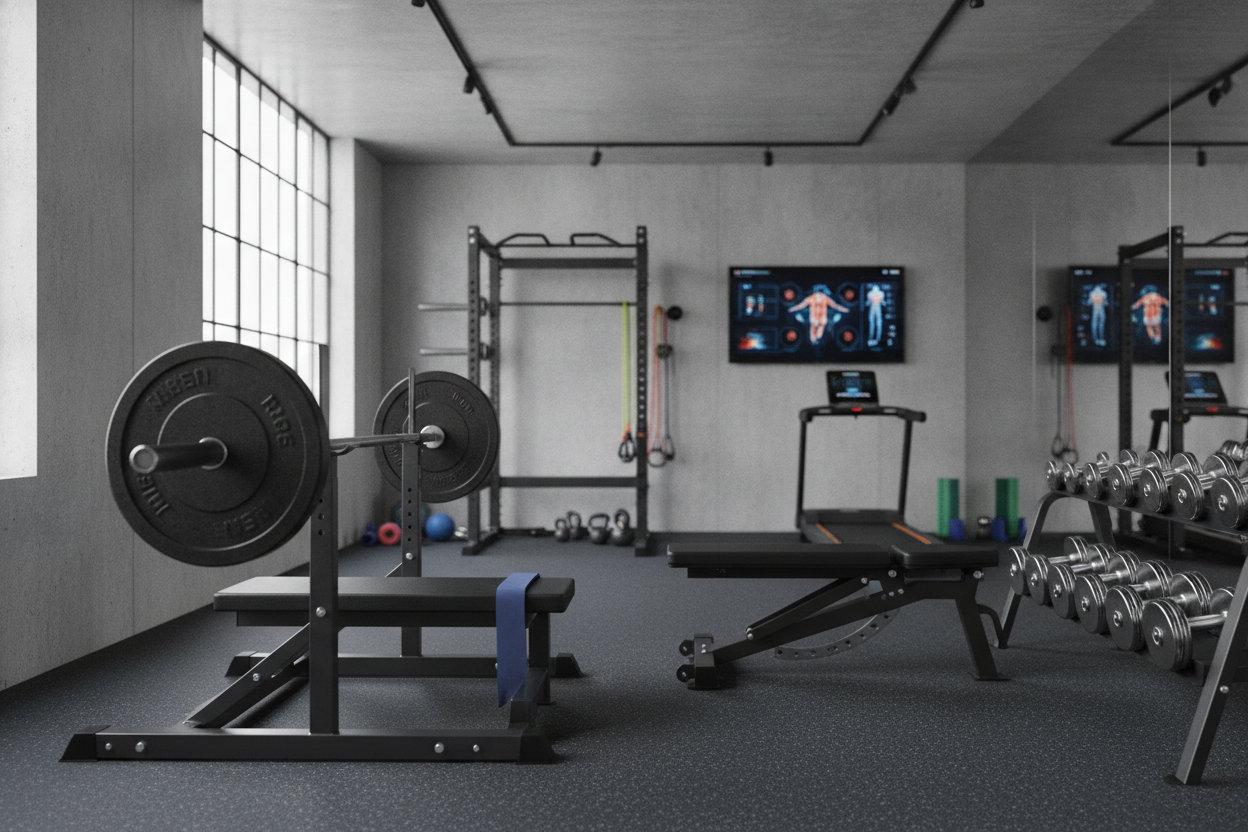
When you are on a fitness equipment site, look for photos of the gear in a real warehouse or a gritty garage gym, not just 3D renders. If every image looks like it was generated by a computer, the product probably doesn't exist in a finished state yet. You're essentially pre-ordering an unvetted prototype.
The Sponsored Athlete Trap You Keep Falling For
Influencers get paid to make bad gear look good. Just because a guy with 20-inch arms is using a rack from a specific workout equipment company doesn't mean it is stable. These guys often push lists of the best home fitness equipment for every workout need because they get a 10% commission, not because they would trust their life to that spotter arm during a heavy triple.
Marketing budgets often cannibalize manufacturing budgets. If a fitness gear website is spending millions on YouTube ads and athlete sponsorships, they are likely cutting corners on the thickness of the powder coat or the quality of the bearings in their bars. I’d rather buy from a company that spends its money on better welds than on a Super Bowl ad.
How to Read Between the Lines on Product Specs
Real gym manufacturers talk about specs like they are bragging about their kids. They will tell you the exact tensile strength of the barbell (look for 190k PSI or higher) and the dimensions of the rack uprights. If a site just says "heavy-duty steel," they are hiding something. You want to see 3x3-inch or 2x3-inch 11-gauge steel for a rack that won't wobble when you're racking 300 pounds.
You can find solid home gym equipment deals if you know how to spot the right hardware. Check the bolt sizes. If a rack uses tiny M10 bolts instead of M16 or 1-inch hardware, it’s a toy, not a tool. I personally won't buy a rack unless I know the hole spacing is standard, allowing me to use attachments from other brands later on.
Do They Actually Have a Track Record?
The 2020 lockdowns created a surge of "new fitness gear" brands. Most of them have already gone bankrupt, leaving customers with zero warranty support. When vetting us fitness equipment, I look for a history. Does the brand have a physical showroom? Do they have a phone number you can actually call?
Check the forums and Reddit. If the only reviews you can find are on their own fitness equipment websites, they are probably filtered. A legitimate brand will have years of unsponsored chatter from people who have actually dropped their plates and dragged their benches through the mud. If the company is less than two years old, I treat them as a gamble.
Stop Overpaying for Basic Essentials
You don't need a luxury brand logo on a piece of rubber. Some sites charge a massive premium for "body fit equipment" that is literally just rebranded generic stock. Spend your money where it matters: the barbell, the rack, and the plates. For everything else, generic is often fine.
For example, you don't need a $200 designer mat. A heavy-duty exercise mat for home workouts just needs to be dense enough to protect your floor and grippy enough that you don't slide during burpees. Save that extra cash for a bar with decent knurling that won't tear your hands apart or slip when you're sweaty.
Test Their Support Before You Hand Over Your Card
Before you buy from an exercise company, send them a highly specific technical question. Ask: "What is the durometer of the rubber on these bumper plates?" or "Is the cable on this lat pulldown nylon-coated aircraft grade?" If the power fitness store responds with a generic script about "high quality," take your money elsewhere.
A real workout equipment website will have a support tech who actually lifts and knows the gear inside out. If they can't answer a basic engineering question, they won't be able to help you when a part breaks three years from now. This is the only way to build a pro gym with basic exercise fitness equipment that stands the test of time.
Personal Experience: The Rack That Shook
I once bought a 700-lb rated rack from a pop-up brand because the price was too good to pass up. On paper, it looked fine. In reality, the bolts were so soft they stripped during assembly, and the whole structure swayed two inches every time I racked a light squat. I ended up selling it for a loss and buying a rack from a manufacturer that actually listed their steel gauge. It was a $400 mistake I don't want you to make.
Frequently Asked Questions
What is the best steel gauge for a home gym rack?
11-gauge is the gold standard for serious lifting. 14-gauge is fine for light accessories, but it will feel flimsy for a main squat rack or power cage.
Are online reviews on the brand's website trustworthy?
Usually no. Most brands use apps to filter out 1 and 2-star reviews. Always search for the brand name on independent forums or YouTube to see the real dirt.
Does "Made in the USA" always mean better quality?
Not necessarily, but it usually means better quality control and easier warranty claims. Some overseas manufacturers make incredible gear, but the shipping and support are where the headaches happen.