Athlean X Hip Thrust vs. The Barbell: Which Actually Builds Glutes?
I spent years loading four plates on each side of a barbell just to feel like my hip bones were being crushed into dust. Every time I hit a heavy set of hip thrusts, I spent more time wrestling with the bar and the bench than actually feeling my glutes work. That frustration led me to revisit the athlean x hip thrust protocols, which prioritize biomechanics over raw, ego-driven weight.
Quick Takeaways
- The Athlean X method focuses on a posterior pelvic tilt (PPT) to maximize glute contraction.
- Setup time is slashed by 70% compared to heavy barbell variations.
- It is significantly easier on the lower back and hip joints.
- Progressive overload is achieved through tempo and tension rather than just adding plates.
The Problem With Chasing Heavy Barbell Numbers
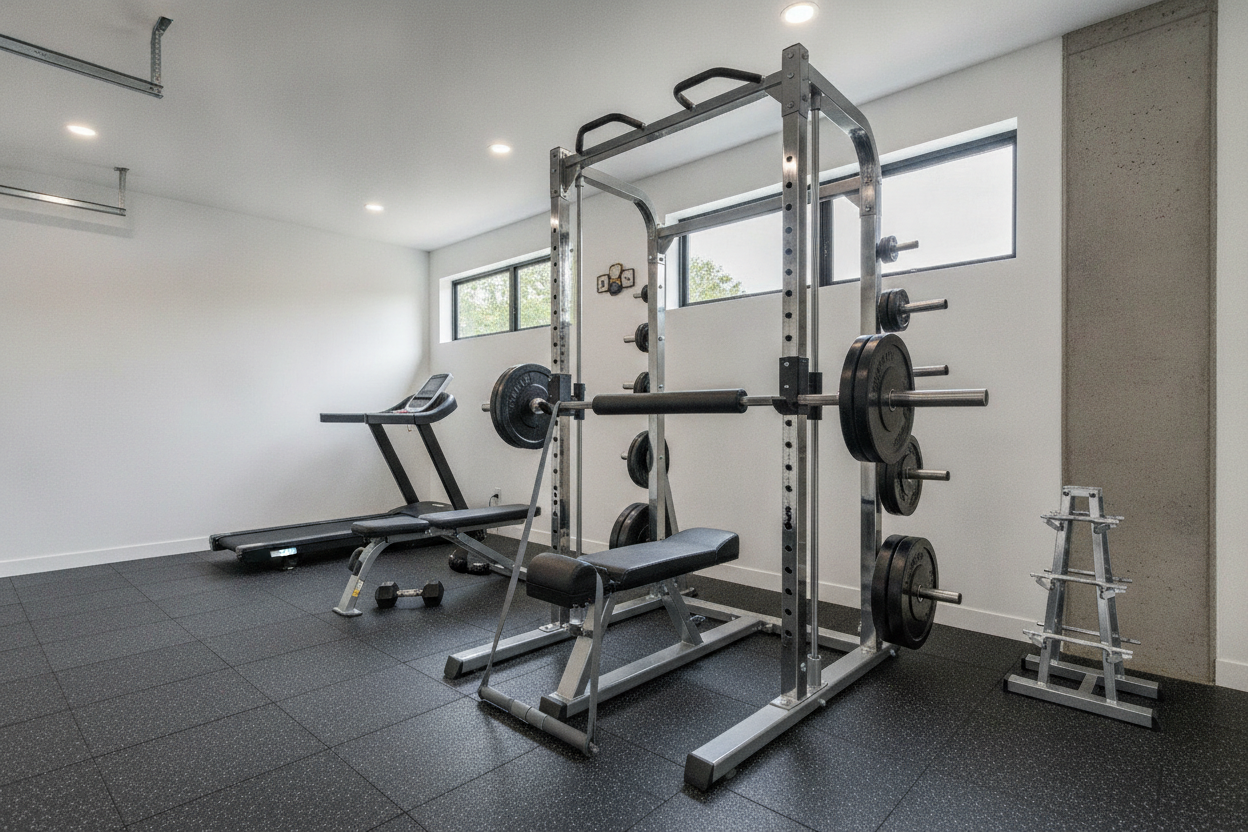
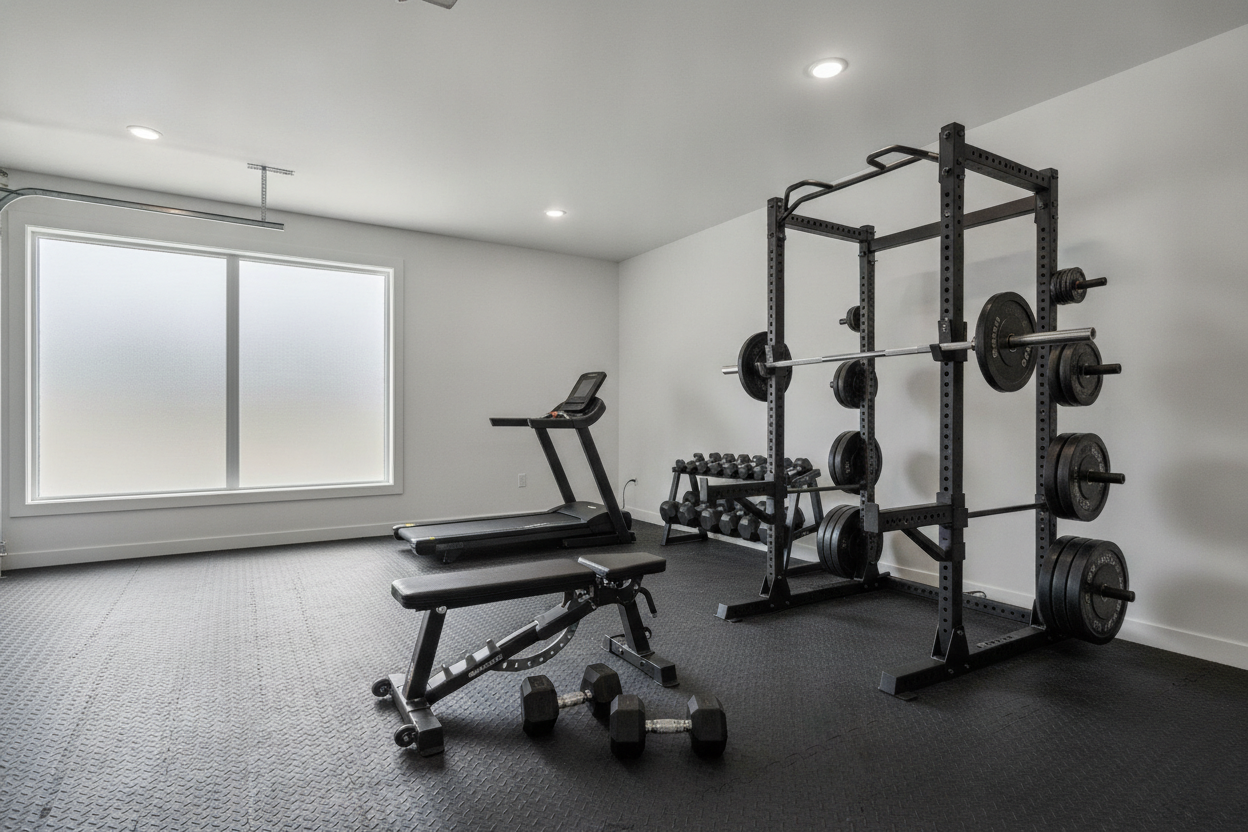
Let’s be real: loading a barbell for hip thrusts in a garage gym is a chore. You’re sliding plates on, finding a pad that doesn't slip, and trying to keep the bench from sliding across your stall mats. By the time I finished my warm-up sets with 225 lbs, my lower back was usually tighter than my glutes.
The sheer mechanical stress of a heavy barbell often leads to compensation. I found myself arching my back to get the weight up, which is a recipe for a herniated disc, not a bigger backside. The bruising on my hip bones was just the icing on a very uncomfortable cake.
What Makes the Athlean X Hip Thrust Different?
Jeff Cavaliere’s approach isn't about moving the most weight possible; it’s about making the muscle do the most work. He advocates for a hard posterior pelvic tilt at the top of the movement. This means tucking your tailbone under, which kills the ability of your lower back to take over the lift.
He often critiques the standard 'ego' thrust. Does the Hip Thrust Athlean-X Critique Actually Hold Up? In my experience, yes. By switching to unilateral (single-leg) variations or using a dumbbell with a focused tempo, you hit fibers that a sloppy 400-lb barbell thrust simply misses. You aren't just bouncing weight off the floor; you're owning every inch of the rep.
My 30-Day Experiment: Setup and Execution
For one month, I ditched the 45-lb plates and focused entirely on Jeff’s high-tension methods. My setup involved a stable surface—specifically the Gxmmat Hip Thrust Bench—which is crucial because it doesn't tip over when you're digging your shoulder blades in. The height is just right for maintaining that specific pelvic angle he recommends.
I stuck to a 3-0-3-2 tempo. That’s three seconds up, no rest at the bottom, three seconds down, and a brutal two-second squeeze at the peak. I used a single 50-lb dumbbell for most of this. It felt ridiculous at first, but by the third set, my glutes were screaming in a way that heavy barbells never achieved.
The Verdict: Did It Actually Build My Glutes?
The results were surprising. My glutes actually looked fuller after 30 days of 'lighter' work than they did after months of heavy triples. The mind-muscle connection was the biggest win. I stopped feeling that nagging ache in my L5-S1 vertebrae and started feeling a deep, localized pump in the gluteus maximus.
The downside? It is much harder to track progress. With a barbell, 315 lbs is 315 lbs. With the Athlean X method, you’re measuring 'effort' and 'squeeze,' which can be subjective. If you're a data nerd who needs to see a graph of rising numbers, this might feel less satisfying than traditional powerlifting.
How to Program His Philosophy Without Losing Strength
You don't have to choose one or the other. I now use the biomechanically focused thrust as a finisher or a primary movement on 'hypertrophy' days. Just like Athlean X chest exercises, the goal here is to protect the joints while punishing the tissue.
Try starting your leg day with a heavy compound like a squat or deadlift, then move into the high-tension hip thrust. You get the systemic load from the big lift and the targeted growth from the Cavaliere-style isolation. It’s the best way to keep your strength floor high while actually building the physique you're after.
FAQ
Is the Athlean X hip thrust better for beginners?
Yes. It teaches you how to use your glutes before you start throwing heavy weight around. Most beginners just use their quads and back on a barbell thrust; this method fixes that immediately.
Can I do this with just a bench and a dumbbell?
Absolutely. In fact, it's easier. You don't need a rack or a long bar. A single heavy dumbbell or even a kettlebell works perfectly for the unilateral variations Jeff suggests.
Will this help my deadlift?
Indirectly, yes. By strengthening the glutes and improving your ability to maintain a neutral spine under tension, your lockout on the deadlift will feel much more stable and powerful.