How I Describe Strength Training to People Who Hate the Gym
I was standing in my garage last Tuesday, staring at a pair of rusty 45-lb plates, when a neighbor asked what I was doing. He saw me resting between sets of deadlifts and looked confused because I wasn't gasping for air. Most people think if you aren't dying, you aren't working. When I try to describe strength training to folks like him, I have to dismantle a decade of bad fitness marketing first.
Lifting isn't about the neon lights or the playlist. It's about forcing your biology to adapt to a specific stressor. If you've ever bought a cheap bench that wobbled under a 200-lb load, you know that quality matters—and the same applies to how we define our work.
- Tension is the primary driver of muscle growth, not your heart rate.
- Strength is a skill that requires practicing specific movements under load.
- Sweating is a cooling mechanism, not a metric for progress.
- Progressive overload is the only way to avoid hitting a wall after three weeks.
The Problem With Asking Anyone to Define Lifting Today
Social media has turned lifting into a performance art. You see influencers doing high-rep circuits with 5-lb dumbbells while wearing matching spandex. It looks busy, but it lacks the one thing that actually changes your physique: intensity.
Beginners get paralyzed because they see a guy flipping a 500-lb tire and a woman doing yoga-inspired lunges, and both call it toning. It's no wonder people are confused. We've replaced the barbell with vibes, and the results show it.
How Physical Education Strength Training Failed Us
Most of us got our first taste of physical education strength training in a windowless high school weight room. The coach probably told you to max out on bench press before you even knew how to retract your shoulder blades. It was all about the number on the bar, regardless of how ugly the rep looked.
That environment taught us that lifting is about ego and survival. We prioritized the burn and the sweat over mechanical tension. I spent three years in gym class doing half-reps on a Smith machine because nobody explained that a full range of motion is what actually triggers growth. We were basically doing aggressive cardio with heavy objects.
A No-BS Strength Training Exercise Definition
Let's get clinical for a second. A proper strength training exercise definition is the use of resistance to induce muscular contraction, which builds the strength, anaerobic endurance, and size of skeletal muscles. It’s not about how many calories you burned on your Apple Watch.
To get stronger, you need mechanical tension. This happens when you pick up something heavy enough that your muscle fibers have to recruit everything they've got to move it. If you can do 50 reps of something, it’s endurance. If you can only do 5 to 10 before your form starts to break, you’re in the strength zone.
Remember: Getting Sweaty Isn't Strength Exercise Training (Here's What Is). You need to focus on moving a load through a full range of motion, resting long enough to do it again, and then adding a little more weight next week. That’s the whole secret the industry tries to hide behind expensive memberships.
My Elevator Pitch for Lifting
When my brother-in-law asks why I spend so much time in a garage that’s 40 degrees in the winter, I tell him I’m just convincing my body it needs to be harder to kill. It’s an insurance policy for your older self. You’re teaching your nervous system to handle gravity better.
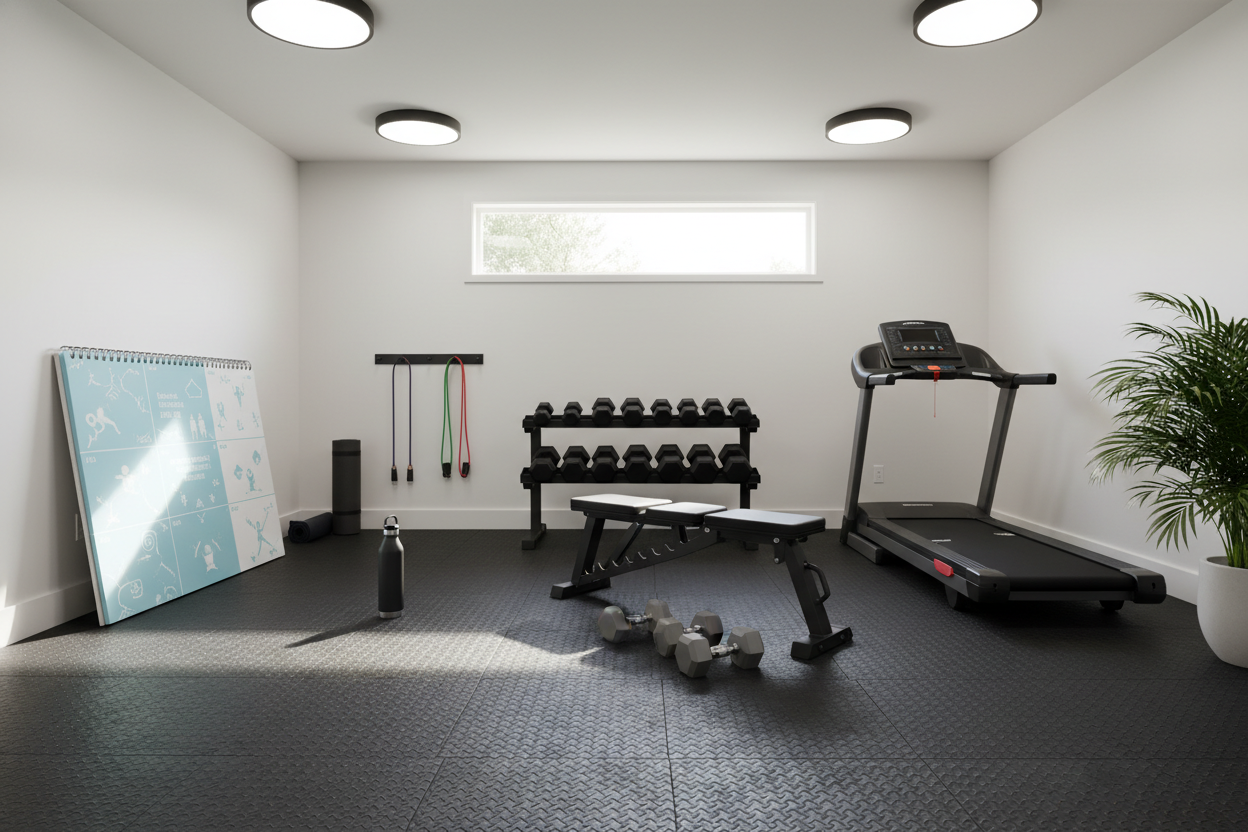
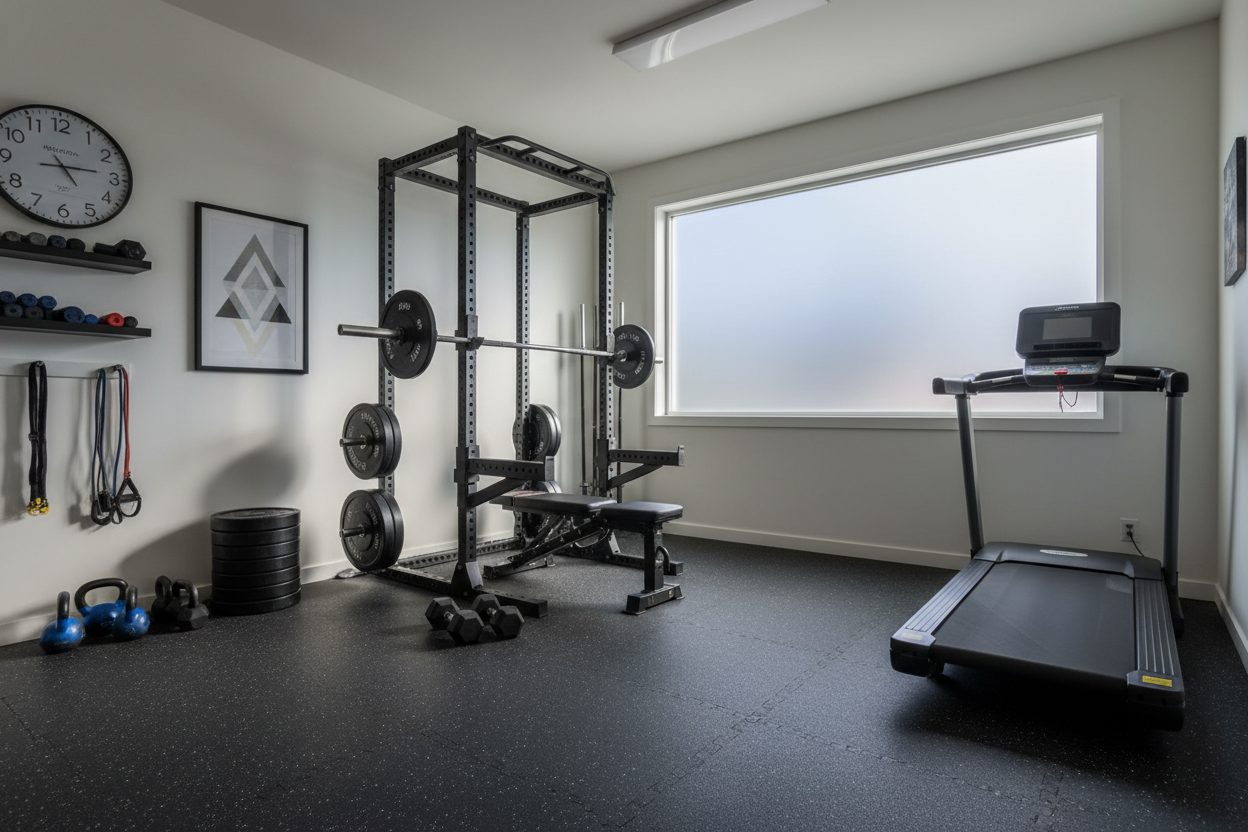
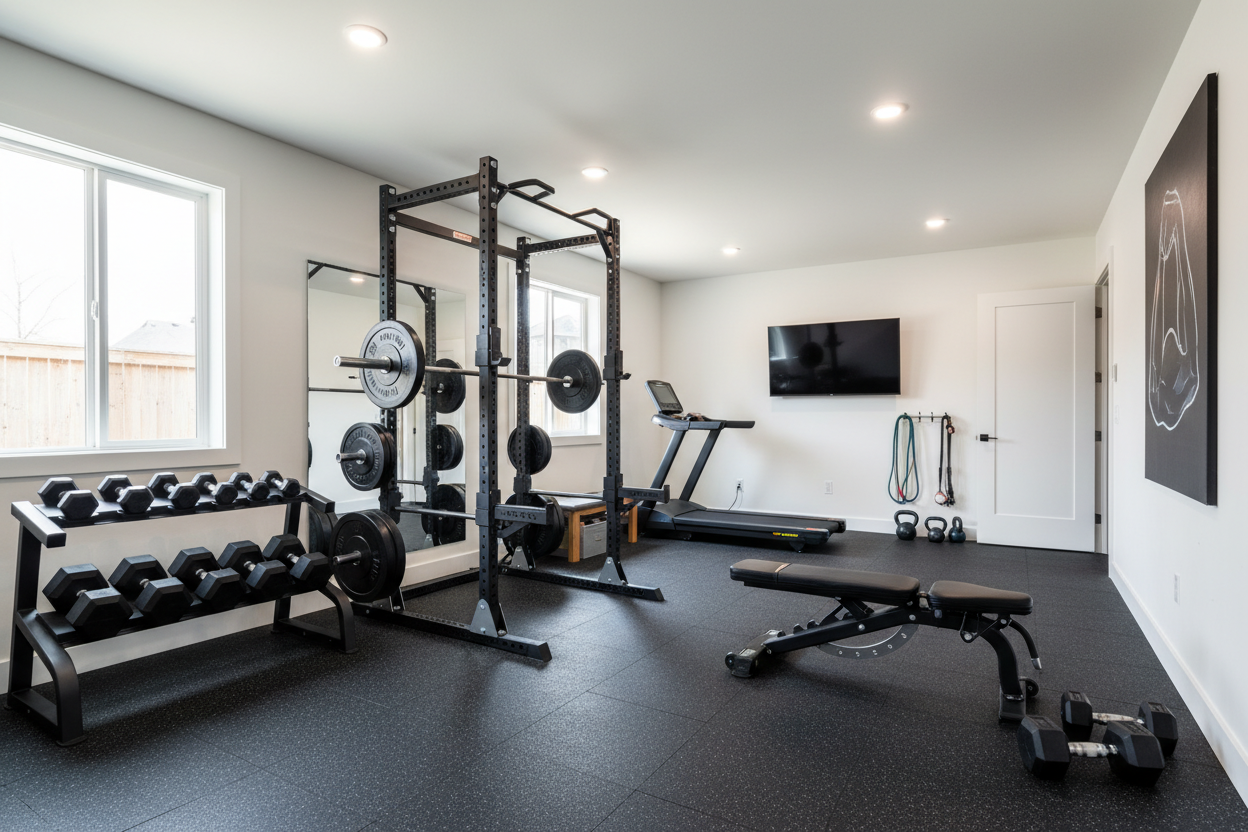
You don't need a 3,000-square-foot facility or a warehouse full of shiny strength equipment to start. A single kettlebell or a decent set of adjustable dumbbells in a 6x6 foot space is enough to apply these principles. I started with a pair of 25s and a flat bench I found on the curb. The gear helps, but the intent is what builds the muscle.
Putting the Definition into Practice in Your Garage
Stop trying to do 20 different exercises. Pick four big movements: a squat, a hinge like a deadlift, a push, and a pull. Do those twice a week. That’s it. If you can do more reps today than you did last Monday, you are getting stronger. It’s binary.
I wasted years switching programs every two weeks because I was bored. The truth is, effective training is often boring. It’s the repetition of basic movements with slightly more weight over time. If you want a roadmap, check out The 4-Day Strength Training Exercise Routine I Use to Avoid Plateaus. It’s the exact framework I used to finally hit a 405-lb deadlift after years of spinning my wheels.
Personal Experience
I once bought a strength program from a guy on Instagram that was basically 45 minutes of jumping jacks with light weights. I lost weight, sure, but I also lost muscle and felt like garbage. I realized I was chasing fatigue instead of progress. Now, I track every set in a beat-up notebook. If the numbers aren't going up, the program is failing, no matter how much I sweat.
Is strength training the same as bodybuilding?
Not exactly. Bodybuilding focuses on aesthetics and muscle size, while strength training focuses on how much force your muscles can produce. There is a huge overlap, but the goals differ slightly in rep ranges and volume.
Do I need to lift every day?
No. In fact, you'll probably get weaker if you do. Your muscles don't grow while you're lifting; they grow while you're sleeping and eating. Three to four days a week is the sweet spot for most people.
What if I don't want to get bulky?
Bulking requires a massive caloric surplus and years of dedicated heavy lifting. You won't accidentally wake up looking like a pro bodybuilder. You will, however, wake up with a faster metabolism and better posture.