How I Built an Older Gym Setup That Won't Destroy Aging Joints
I’ve spent the last decade building out a garage gym that looks like a strength coach’s dream. We’re talking aggressive knurling, 500 pounds of iron, and a rack that could survive a car crash. But when my parents started asking to train with me, I realized my 'hardcore' space was basically a minefield for them. Setting up an older gym requires a complete shift in how you think about equipment.
You aren't looking for the highest possible weight capacity or the most intimidating aesthetic. You’re looking for accessibility, joint preservation, and, above all, safety. I’ve seen too many people try to build an elderly gym by just buying the cheapest, flimsiest stuff they see on late-night TV. That’s a mistake. Older lifters need high-quality gear even more than the young guys do because a equipment failure for a senior isn't just a nuisance—it’s a hospital visit.
Quick Takeaways for a Senior Home Gym
- Prioritize non-slip, high-density flooring to prevent falls and cushion joints.
- Swap traditional barbells for cables or adjustable dumbbells to accommodate limited mobility.
- Avoid 'balance' gadgets that increase fall risk without providing real strength benefits.
- Focus on equipment with low step-up heights and clear, easy-to-read adjustments.
Why the Typical Geriatric Gym Stereotype is Dead Wrong
Most people hear the term geriatric gym and immediately think of those tiny 2-pound plastic dumbbells and a wobbly chair. That approach is actually doing a disservice to older adults. To fight sarcopenia (muscle loss) and maintain bone density, seniors need actual resistance. They don't need to be coddled; they need to be challenged safely.
The goal isn't just 'movement'—it's functional strength. If my dad can't comfortably get off a low couch, he doesn't need to wave around a light pink weight. He needs to squat. The trick is providing him with the tools to do that without the shearing force of a heavy bar on his back or the balance requirement of a free-standing barbell squat.
The Foundation: Why Safe Flooring is Your First Priority
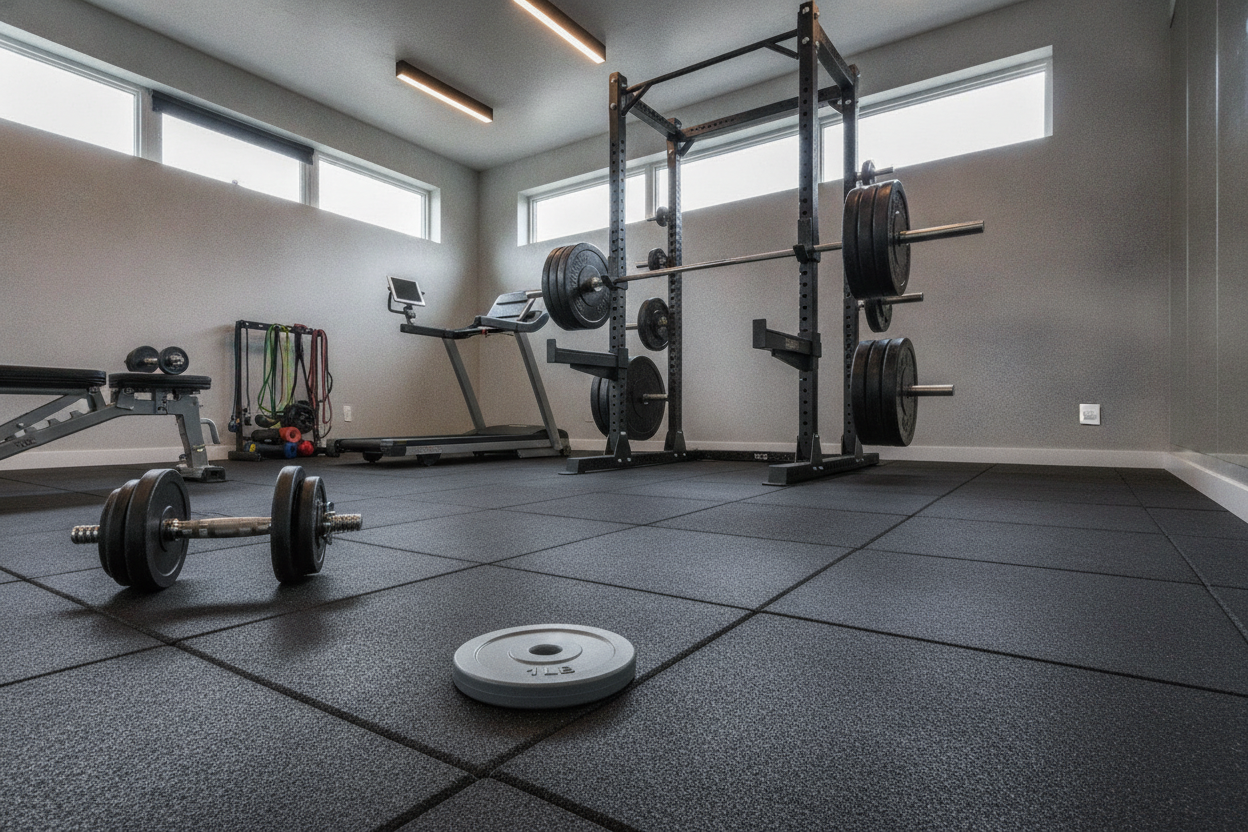
Before you buy a single weight, look at your floor. Most garage gyms are built on slick, uneven concrete. For a younger lifter, that’s a minor annoyance. For someone in their 70s, it’s a hip fracture waiting to happen. You need a surface that is seamless and has enough 'bite' to prevent slippers or sneakers from sliding.
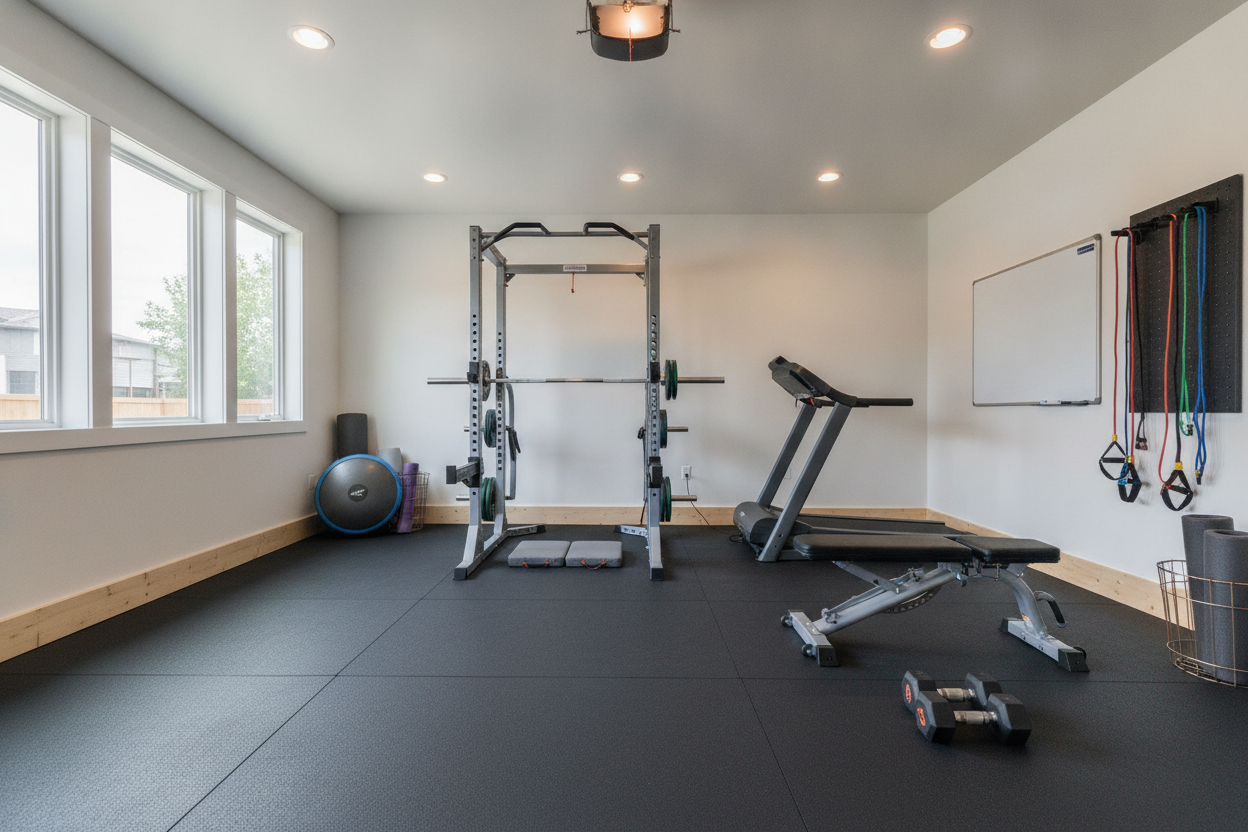
I personally use a 6X8Ft Exercise Mat Yoga Mat Gym Flooring For Home Workout for this exact reason. Unlike those cheap interlocking foam tiles that pull apart when you pivot, a solid 6x8 mat stays put. It’s thick enough to take the edge off a dropped dumbbell but firm enough that it doesn't feel like walking on a mattress. If you're building an older gym, don't skimp here. A consistent, high-traction surface is the most important safety feature you can install.
Ditching the Heavy Barbell for Joint-Friendly Alternatives
I love my power rack. But for many seniors, reaching back to grab a barbell in a back squat position is a shoulder surgery waiting to happen. The mobility just isn't there anymore. While a standard Home Gym Rack is a great centerpiece, you have to be smart about how you use it. If you’re putting one in an elderly gym, make sure it has high-quality spotter arms or internal safety straps.
Better yet, consider cable machines or high-end adjustable dumbbells. Cables provide constant tension and don't require the same level of stabilization as a free bar. This allows for a much smoother 'groove' that is easier on the elbows and shoulders. If you do go the rack route, look for attachments like a landmine handle or a multi-grip bar. These allow for a neutral grip (palms facing each other), which is significantly more comfortable for arthritic joints.
Real World Example: What Actually Went Into My Mom's Setup
When I built my mom's training space, I had to put my ego aside. She didn't need my 20kg competition bar. We focused on a 'functional corner' that emphasized ease of use. I chose a bench with a slightly higher seat height because sitting down and standing up from a low-profile competition bench was actually the hardest part of her workout. It’s those small details that determine whether a senior will actually use the gym or let it collect dust.
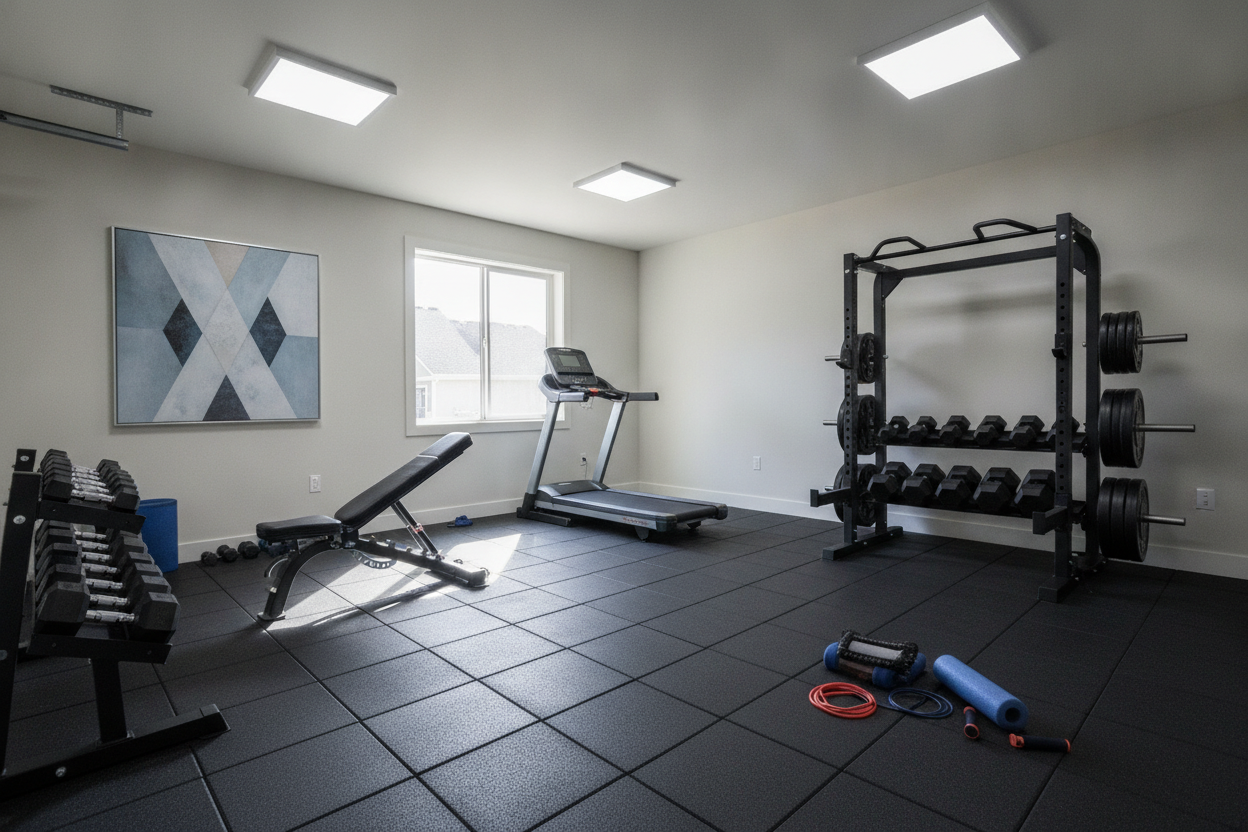
We also prioritized clear floor space. Clutter is the enemy of safety in any older gym. I made sure every weight had a dedicated home that didn't require her to bend over into a deep hinge just to pick it up. You can read the full breakdown of the specific logic and the results we saw in I Built My Mom a Gym: The Fitness Older Women Actually Need. The biggest takeaway? She’s more consistent now than I am because the barrier to entry is so low.
3 Massive Red Flags When Buying Equipment for Seniors
First, avoid anything that markets itself as a 'balance trainer' with a rounded bottom. Unless they are under the direct supervision of a physical therapist, putting an older adult on an unstable surface is an unnecessary risk. You want them to get stronger, not learn how to be a circus performer.
Second, stay away from complex machines with tiny selector pins and confusing pulley routes. If it takes five minutes to figure out how to change the weight, they won't do it. Look for 'pop-pin' adjustments that are bright colors and easy to grip. Visibility matters as much as mechanical function.
Lastly, be wary of cardio equipment with high step-up heights. Many high-end treadmills have a deck that sits 8 to 10 inches off the ground. That’s a long way to step when you’re tired at the end of a session. Look for 'low-profile' decks or recumbent bikes where you can sit down before you ever have to move your feet into position.
Older Gym FAQ
Is a gym or home setup better for seniors?
Home is usually better because it eliminates the commute and the 'intimidation factor' of a commercial club. You can also control the floor cleanliness and lighting, which are huge for safety.
What is the best cardio for aging joints?
Recumbent bikes or rowers are top-tier. They allow for high-intensity work without the pounding impact on the knees and hips that you get from running on a treadmill.
Do seniors really need a squat rack?
Not necessarily a full cage, but some form of upright support is helpful. It gives them something to hold onto for balance during lunges or calf raises, even if they aren't doing heavy back squats.