How I Built a Complete Home Gym Without Breaking the Bank (And You Can Too)
Setting up a home gym doesn't require a massive budget or spare room the size of a commercial fitness center. After spending years commuting to crowded gyms and waiting for equipment, I finally made the switch to working out at home—and it's been one of the best decisions for my fitness journey. The key is understanding which gym equipment for home use actually delivers results versus what just collects dust in the corner.
The foundation of any solid home workout space starts with versatile pieces that target multiple muscle groups. You don't need every machine you've ever seen at a commercial facility. What you need is smart selection of home gym equipment that fits your goals, space, and budget.
Building Your Foundation with Essential Pieces
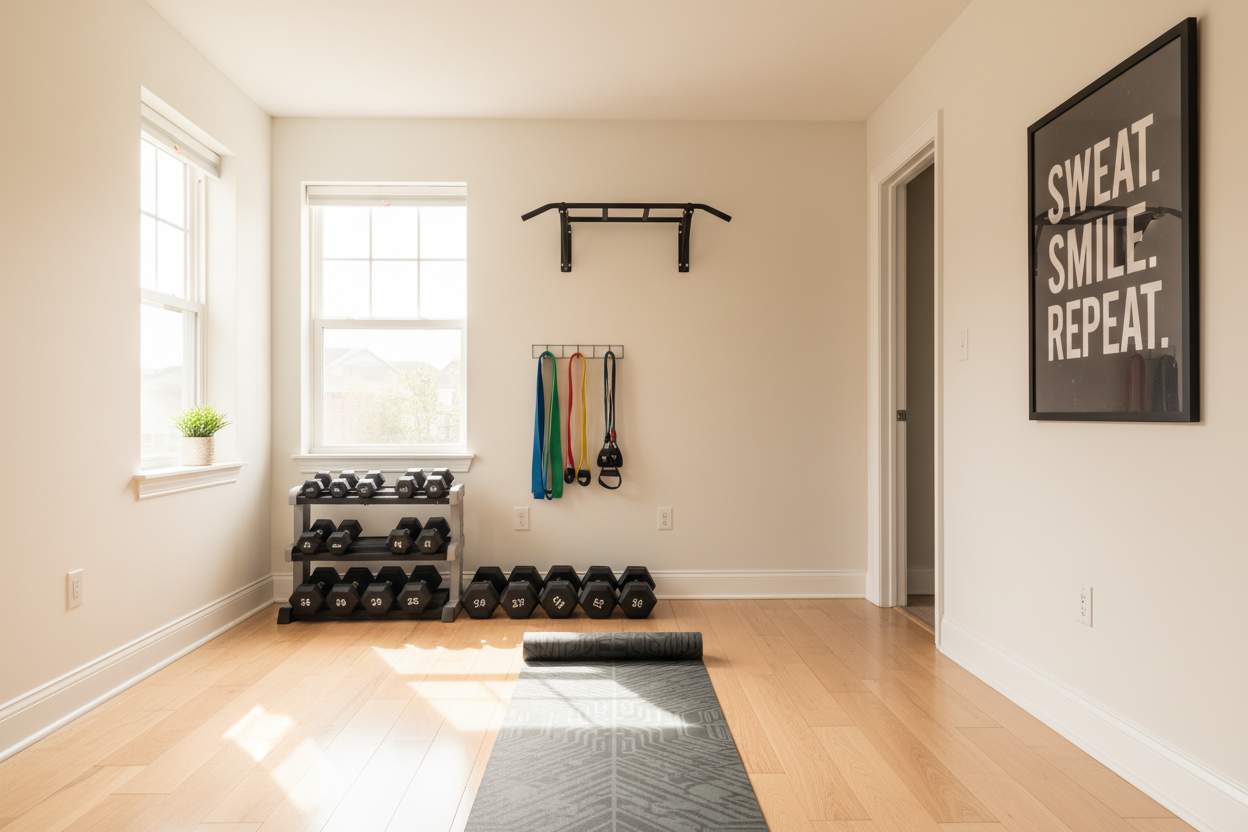
Adjustable dumbbells are the cornerstone of most effective home gym setups. Unlike fixed-weight dumbbells that require an entire rack, adjustable versions let you switch between 5 to 50+ pounds with a simple dial or pin adjustment. This single piece of home weights equipment replaces what would otherwise be 10-15 pairs of traditional dumbbells. They're perfect for everything from bicep curls to shoulder presses, and they take up minimal floor space.
A quality weight bench transforms your entire workout capability. Whether it's flat, incline, or decline positions, a good bench opens up dozens of exercises you simply can't do effectively on the floor. I learned this the hard way after trying to do chest presses on a yoga mat for weeks—the difference in muscle engagement is night and day.
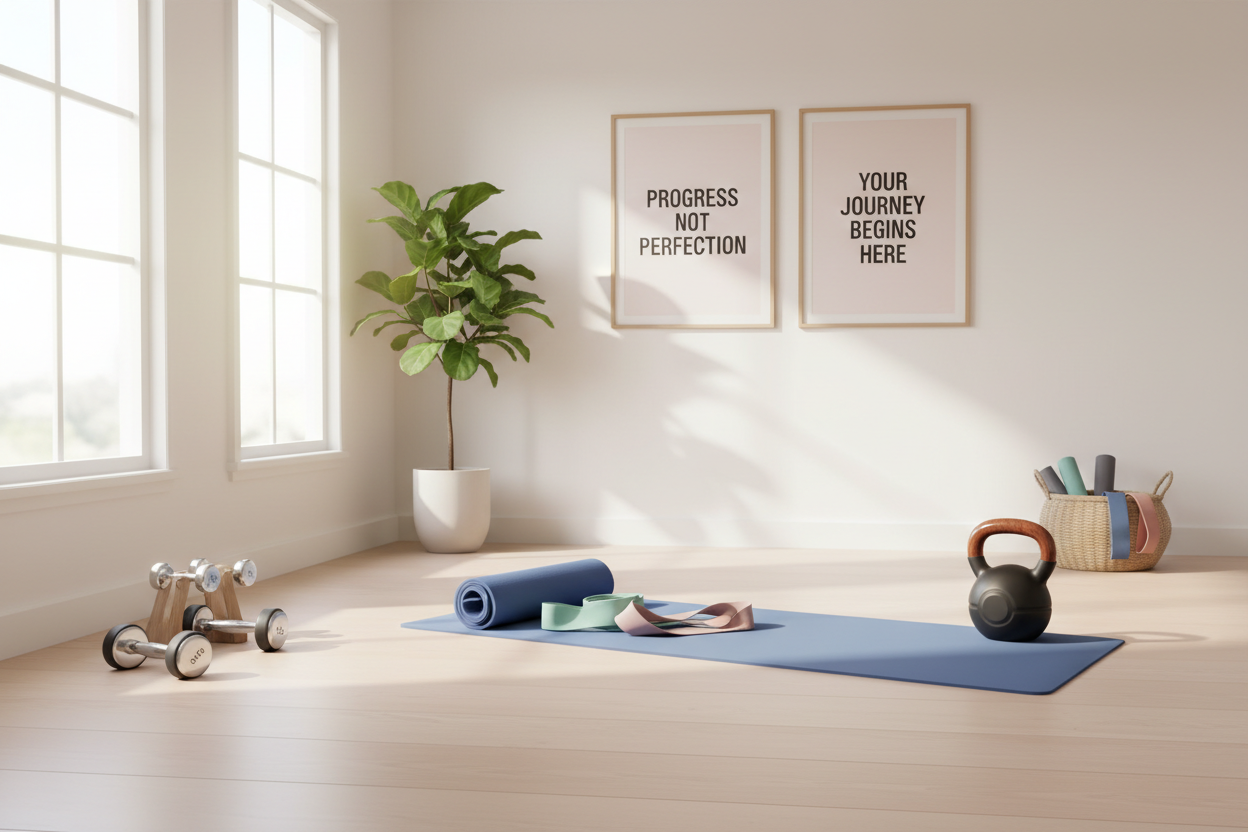
Resistance bands often get overlooked, but they're among the most versatile gym instruments for home workouts. They're lightweight, portable, and provide constant tension throughout movements that free weights can't replicate. I keep several resistance levels on hand and use them for warm-ups, accessory work, and even as a substitute when traveling.
Power Racks and Barbells: The Heavy Hitters
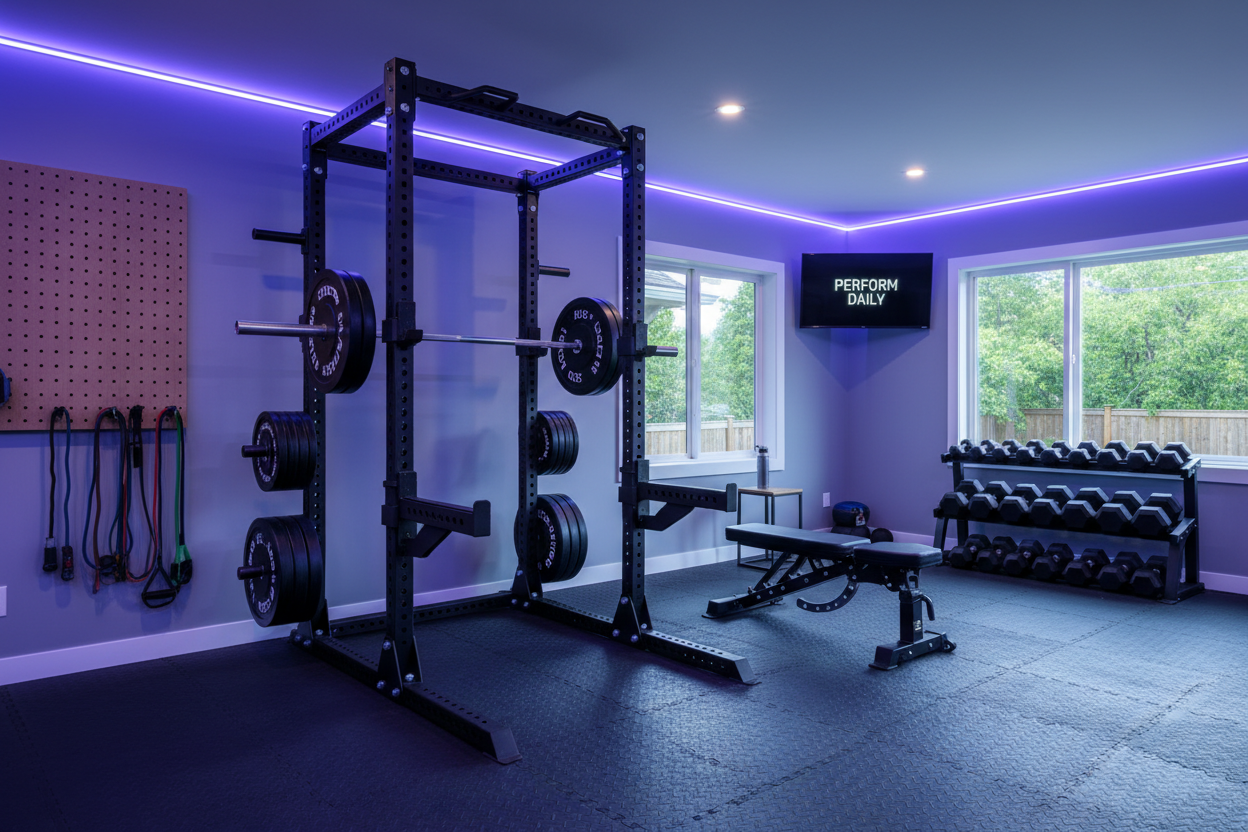
If you're serious about strength training, a power rack becomes the centerpiece of your at home gym equipment collection. These sturdy frames provide safety for heavy squats, bench presses, and overhead work without needing a spotter. Modern racks come with pull-up bars, dip attachments, and plate storage, essentially giving you a complete strength training station in one footprint.
Pairing your rack with an Olympic barbell and weight plates creates endless possibilities for compound movements. Standard 45-pound barbells with 2-inch sleeves are the industry standard, and investing in quality plates—whether bumper, iron, or rubber-coated—pays dividends in durability. This combination represents serious body building equipment at home that rivals what you'd find in commercial facilities.
Cardio Equipment That Actually Gets Used
Treadmills, ellipticals, and stationary bikes are popular, but they're also expensive and space-consuming. Before committing to a large cardio machine, honestly assess whether you'll use it consistently. I bought a treadmill that became an expensive clothes hanger before I admitted that I prefer outdoor running and jump rope for cardio.
Rowing machines offer a compelling alternative. They provide full-body cardio, fold up for storage, and engage more muscle groups than most other cardio options. The investment makes sense if you enjoy the movement pattern and will actually use it three or more times weekly.
Space-Saving Solutions for Smaller Homes
Not everyone has a dedicated room for home gym stuff. Wall-mounted folding racks attach securely to studs and fold flat when not in use, reclaiming valuable floor space. These work beautifully in garages, spare bedrooms, or even large closets.
Suspension trainers like TRX systems mount to doors or ceiling anchors and enable hundreds of bodyweight exercises in a package smaller than a shoebox. They're particularly valuable for travelers or anyone with extremely limited space who still wants comprehensive training options.
Kettlebells deserve special mention as compact, multi-functional tools. A few kettlebells in different weights support ballistic movements, traditional strength exercises, and conditioning work. They stack neatly and deliver tremendous bang for your buck in terms of workout variety.
The Flooring Question Nobody Talks About
Protecting your floors matters more than most people realize when setting up gym at home equipment. Dropping weights on hardwood or concrete damages both the floor and your equipment. Rubber mats, interlocking foam tiles, or horse stall mats (a budget favorite) absorb impact, reduce noise, and create a designated workout zone that psychologically separates exercise time from regular living space.
I initially skipped proper flooring and regretted it after cracking a basement tile with a dropped dumbbell. The $200 I spent on quality mats would have saved me a $500 repair bill and significant stress.
Smart Storage Keeps You Consistent
Disorganized equipment creates friction that kills workout motivation. Wall-mounted plate holders, dumbbell racks, and resistance band hooks keep everything accessible and your space functional. When your home gym product collection is organized, you're more likely to actually use it rather than navigate an obstacle course of scattered weights.
Vertical storage maximizes limited square footage. Wall-mounted systems for barbells, weight plates, and accessories keep the floor clear for actual training while making equipment selection quick and easy.
Avoiding Common Purchasing Mistakes
The biggest mistake is buying equipment for the person you wish you were rather than the person you are. That fancy cable machine might look impressive, but if you're a beginner who needs to master basic movement patterns, it's overkill. Start with fundamentals and add specialized equipment as your training advances and you identify specific needs.
Quality matters more than quantity. One excellent barbell will serve you better than three mediocre ones. Research weight capacities, warranty terms, and user reviews before committing to major purchases. I've learned that mid-range equipment from reputable brands typically offers the best value—you're not paying for unnecessary features, but you're getting durability that lasts.
Used equipment can stretch your budget significantly. Commercial gyms regularly upgrade and sell perfectly functional gear at steep discounts. Just inspect items carefully for wear, rust, or structural issues before buying.
Creating Your Personal Fitness Space
The best home gym setup is one you'll actually use consistently. That means considering factors beyond just the equipment itself—lighting, ventilation, music or entertainment options, and even paint color affect your motivation to train. My garage gym feels completely different after I added better lighting and a Bluetooth speaker system.
Temperature control matters too. Extreme heat or cold makes workouts miserable and can damage certain equipment types. A simple fan, space heater, or improved insulation makes year-round training comfortable and sustainable.
Your home gym evolves with your fitness journey. What works for a beginner differs from what an intermediate or advanced lifter needs. Plan for gradual expansion rather than trying to build everything at once. This approach spreads costs over time and ensures each addition genuinely enhances your training rather than cluttering your space.
Frequently Asked Questions
How much should I budget for a basic home gym setup?
A functional starter setup with adjustable dumbbells, a bench, resistance bands, and floor mats runs between $300-$600. If you want to include a barbell, plates, and power rack, expect to invest $1,000-$2,000 for quality equipment that will last years. Buying used or watching for sales can reduce these costs by 30-50%.
What's the minimum space needed for an effective home gym?
You can create a surprisingly effective workout space in just 6x6 feet using adjustable dumbbells, a bench, and resistance bands. For a full power rack setup with barbell work, aim for at least 8x8 feet to allow safe movement around the equipment. Ceiling height matters too—you'll need at least 8 feet for overhead pressing and pull-ups.
Is it better to buy a complete home gym system or individual pieces?
Individual pieces offer better flexibility and value for most people. All-in-one systems often include components you won't use while limiting your exercise options. Building gradually with separate items lets you customize for your specific goals and upgrade individual components as needed without replacing the entire system.