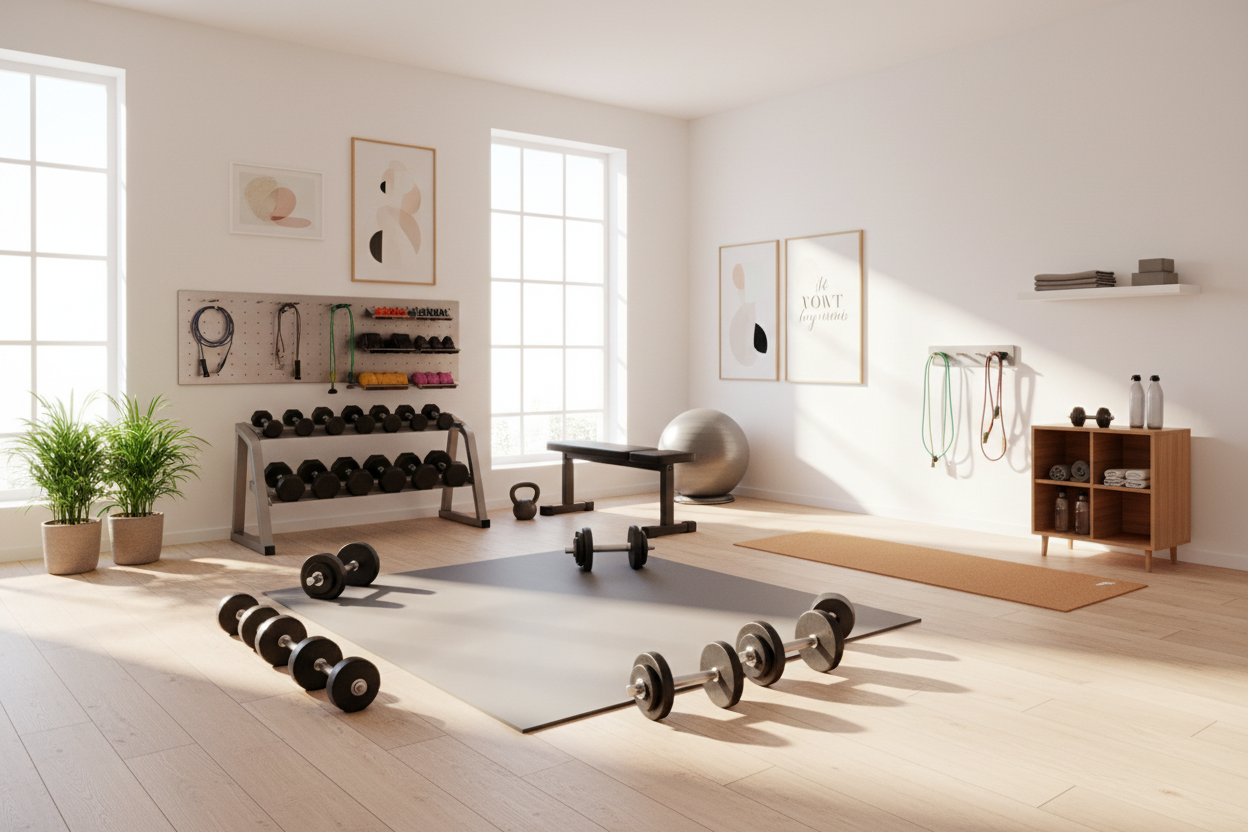
Building Your Perfect Home Gym: A Practical Guide to Smart Equipment Choices
Walking into a sporting goods store or browsing online fitness retailers can feel overwhelming. The sheer volume of home workout equipment available is staggering, from simple resistance bands to high-tech smart mirrors. The question isn't just 'what should I buy?' but 'what will I actually use consistently to meet my goals?' Having navigated this journey myself—from a cramped apartment corner to a dedicated basement gym—I've learned that the best home gym isn't the one with the most equipment, but the one perfectly tailored to you.
Start With Your Space and Goals
Before you click 'add to cart' on that shiny new piece of fitness equipment for the home, take a honest assessment of two critical factors: your available space and your fitness objectives. A Peloton bike is a fantastic piece of indoor workout equipment, but not if it becomes a very expensive clothes rack in your studio apartment. Similarly, a full power rack and Olympic weight set is incredible for strength training, but impractical if your primary goal is yoga and flexibility.
I made this mistake early on. I purchased a bulky, multi-station home gym machine that promised a full-body workout. It was a fantastic machine, but it dominated my small spare room, and its functionality was limited to strength training. I soon realized I missed having space for bodyweight exercises, stretching, and cardio. I eventually sold it and started over with a more modular approach.
The Foundational Tier: Essential Gear for Every Home
Regardless of your specific fitness goals, certain items offer unparalleled versatility and should form the bedrock of your home exercise setup. This is the 'can't-go-wrong' category.
1. A High-Quality Yoga Mat: This is your designated workout zone. It provides cushioning for floor exercises, defines your space, and is essential for yoga, Pilates, and core work. Don't cheap out here; a good, non-slip mat makes a significant difference.
2. Resistance Bands and Loops: Perhaps the most versatile and space-efficient exercise tools at home you can own. They are perfect for strength training, physical therapy, activating muscles, and adding intensity to bodyweight movements. A set with varying resistance levels can challenge you from beginner to advanced.
3. A Set of Adjustable Dumbbells: For anyone interested in strength training, this is the single best investment. Models like Bowflex or NordicTrack adjust from 5 to 50+ pounds in seconds, replacing an entire rack of dumbbells. They are the ultimate space-saving home weight equipment.
Leveling Up: Strategic Additions for Targeted Results
Once you have the basics, you can build out your home fitness training equipment based on your preferred style of exercise.
For the Cardio Enthusiast: If you love running or walking regardless of the weather, a foldable treadmill is a game-changer. Look for one with a decent motor and cushioning. Alternatively, a stationary bike or rowing machine offers low-impact, high-intensity cardio options. My rower folds vertically, taking up a footprint of only about 2x3 feet when not in use.
For the Strength Seeker: Beyond adjustable dumbbells, a kettlebell is a dynamic tool for swings, squats, and ballistic movements. For a more complete strength solution, a power rack or squat rack with a barbell and weight plates is the gold standard for home exercise gym equipment. This was the centerpiece of my second, more successful home gym build.
For Functional Fitness and Recovery: A plyometric box is excellent for step-ups, box jumps, and dips. A foam roller is non-negotiable for muscle recovery and should be considered a core piece of home workout gear.
Navigating the World of New Fitness Equipment
The market is flooded with innovative home exercise devices. Smart fitness equipment for home use, like the Tonal or Mirror, provides guided classes and form feedback in a sleek package. They are fantastic for motivation but come with a high upfront cost and often a monthly subscription.
My advice? Be wary of fads and single-function gadgets. I once bought a popular 'as-seen-on-TV' ab roller that now collects dust. Instead, focus on proven, multi-functional workout equipment for home use. A simple suspension trainer (like a TRX) anchored to a door can provide hundreds of exercises for full-body strength and is far more versatile than a gadget targeting one muscle group.
Creating Your Personal Sanctuary
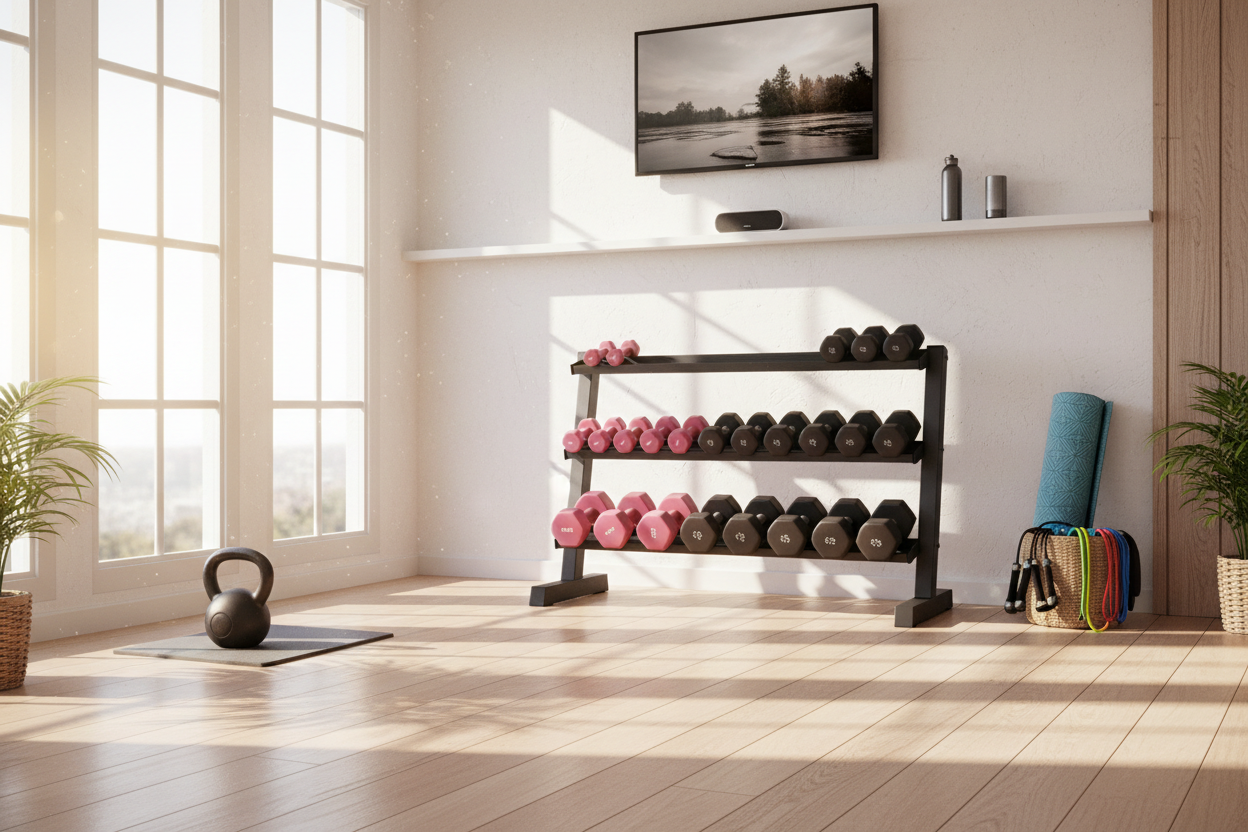
Your home workout space should be inviting. Good lighting, a fan for ventilation, and a Bluetooth speaker for music or podcasts can dramatically improve your experience. These home exercise accessories are just as important as the equipment itself. I added a small shelf for my water bottle, phone, and resistance bands, which keeps the area tidy and functional.
Remember, the goal is consistency. Your collection of home workout stuff should inspire you to move, not intimidate you. Start small, master the equipment you have, and add pieces strategically as your fitness evolves. Your perfect home gym is not defined by its size or cost, but by how often you use it to build a healthier, stronger you.