Your Complete Guide to Building the Perfect Home Gym
Walking into a crowded gym after a long day at work used to drain what little energy I had left. The commute, the waiting for equipment, the self-consciousness—it all added up until I finally decided to bring the gym to me. Creating an effective home workout space transformed not just my fitness routine, but my consistency and results. If you're considering building your own sanctuary for sweat, this guide will help you navigate the world of home fitness equipment, from essential staples to the latest innovative tools.
Laying the Foundation: Essential Fitness Equipment for Home
Before you get swept away by flashy infomercials or the newest gym equipment, it's crucial to start with a solid foundation. A versatile home gym doesn't require a warehouse of gear; it requires smart, multi-functional choices.
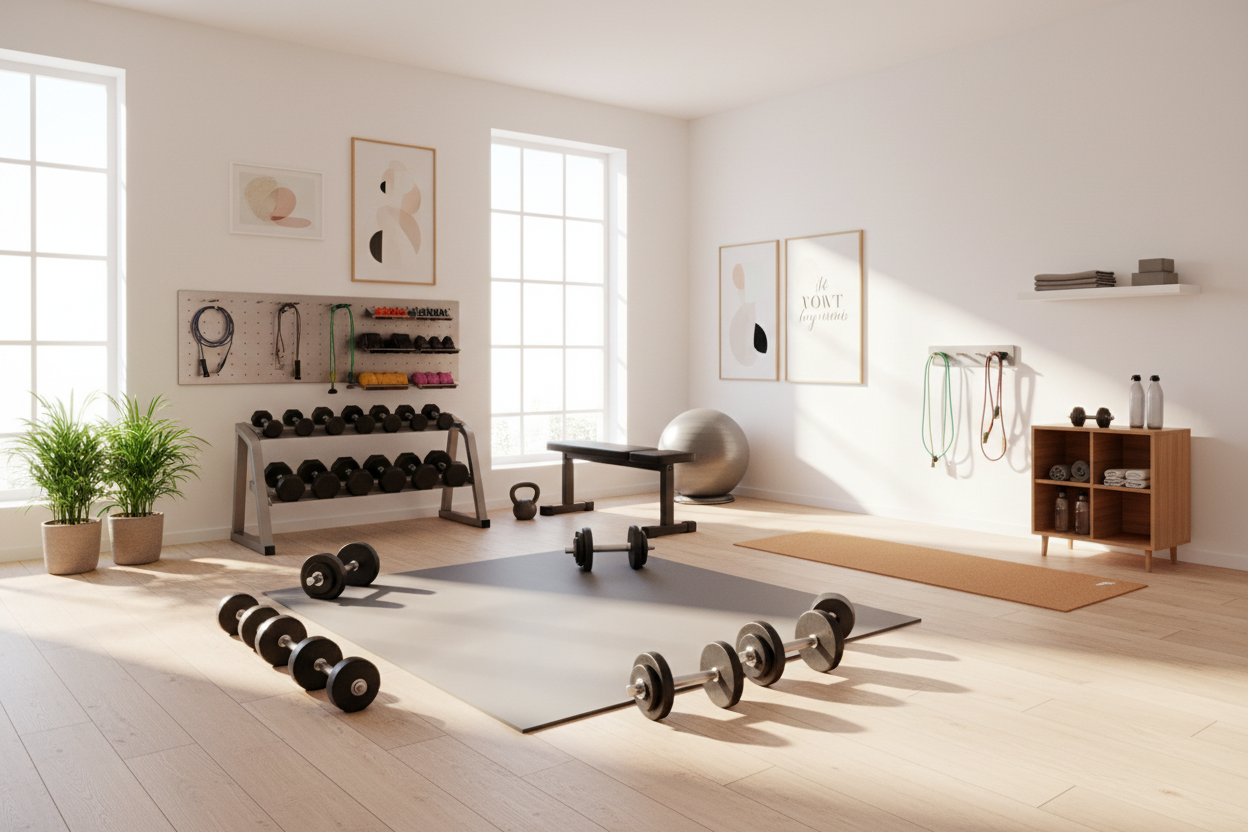
First, consider your floor. A set of high-density rubber mats is non-negotiable. They protect your flooring, reduce noise, and provide a stable surface for everything from weightlifting to yoga. Next, invest in a pair of adjustable dumbbells. They replace an entire rack of fixed-weight dumbbells, saving immense space and cost. For lower body work, a sturdy barbell and weight plates are invaluable, but if space is tight, a single heavy kettlebell can deliver a surprisingly comprehensive full-body workout.
Don't overlook the humble resistance band. This simple home fitness tool is incredibly versatile, adding challenge to bodyweight exercises, assisting with pull-ups, and providing physical therapy benefits. Finally, a quality adjustable bench unlocks countless exercises for your chest, shoulders, and back. With just these core items, you have the components for strength training, hypertrophy, and metabolic conditioning.
Elevating Your Workouts: Must-Have Fitness Accessories for Home
Once your foundation is set, fitness accessories for home are what personalize your space and refine your training. These smaller items often provide the most bang for your buck.
A suspension trainer, like a TRX system, uses your body weight and gravity to create resistance. It's lightweight, portable, and can be anchored to a door, making it perfect for travel or small apartments. Similarly, a gymnastics-style pull-up bar that mounts in a doorway is a game-changer for developing a strong back and arms.
For recovery and mobility, a high-density foam roller and a lacrosse ball are essential. They help alleviate muscle soreness, improve flexibility, and can even boost performance. A yoga mat is also critical, not just for yoga, but for providing a comfortable, non-slip surface for floor exercises, stretching, and core work. When browsing any home fitness store, online or in-person, keep an eye out for these supportive tools—they are the unsung heroes of a sustainable routine.
The Big-Ticket Items: Choosing Stationary Gym Equipment
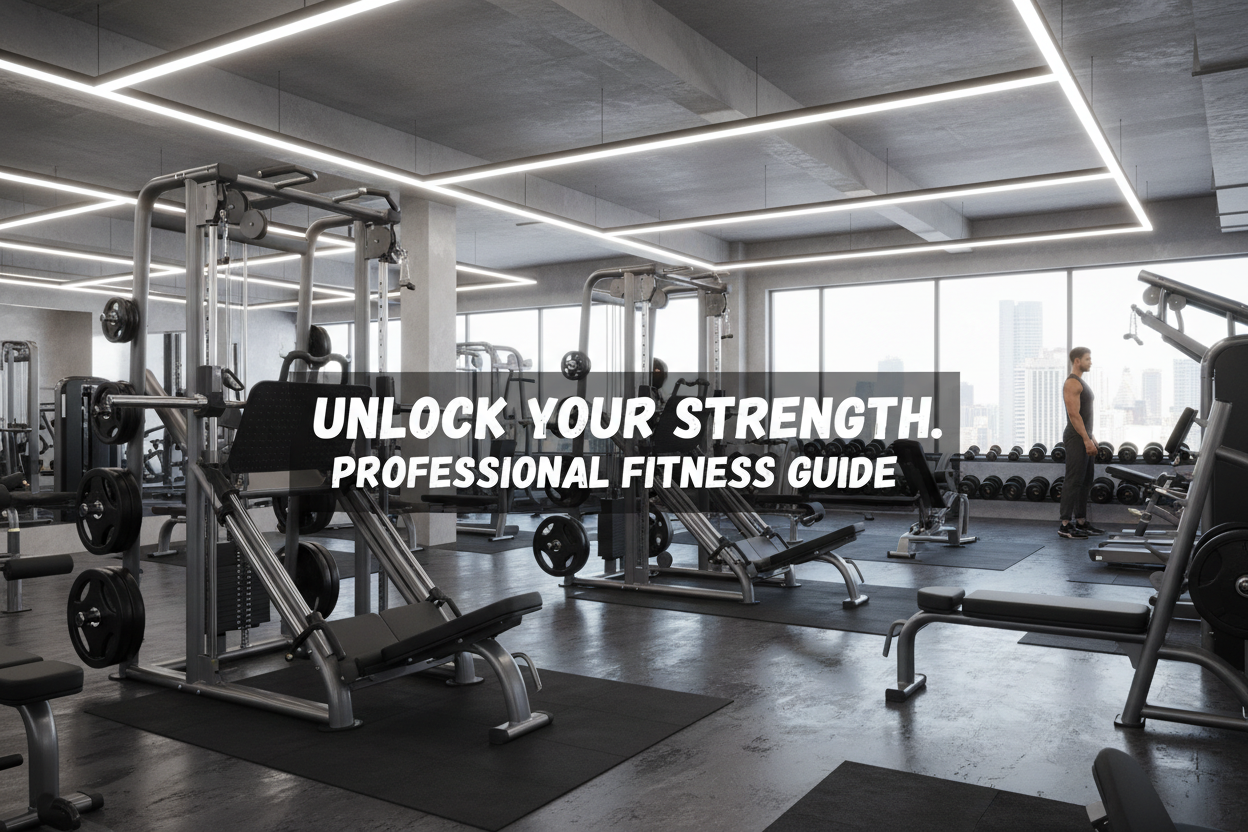
For those with more space and a dedicated budget, investing in larger stationary gym equipment can be the centerpiece of your home gym training equipment setup. The key is to choose items that align with your long-term fitness goals.
Treadmills and exercise bikes are the classic choices for cardio. When you buy home workout equipment for cardio, consider noise, footprint, and features. A folding treadmill can be a space-saver, while a silent, magnetic-resistance rower provides an unparalleled full-body workout. Rowers, in particular, have seen a surge in popularity due to their efficiency.
For strength, a power rack or squat rack is the ultimate piece of personal fitness equipment for serious lifters. It allows you to safely perform heavy squats, bench presses, and pull-ups, often incorporating attachments for dips and landmine exercises. If a full rack is too large, a half-rack or a squat stand with spotter arms is a great compromise. Remember, the goal is to build a home and fitness environment that you'll actually use, not one that becomes a very expensive clothes hanger.
Cutting-Edge Workouts: Exploring the Newest Home Gym Equipment
The world of home fitness is evolving rapidly. The newest home fitness equipment often focuses on integration, immersion, and space efficiency. Smart home gym systems are a major trend. These all-in-one gym home system solutions combine strength training with digital personal training, streaming thousands of live and on-demand classes directly to a screen. They use electromagnetic resistance to change weights silently and instantly, all within a compact footprint.
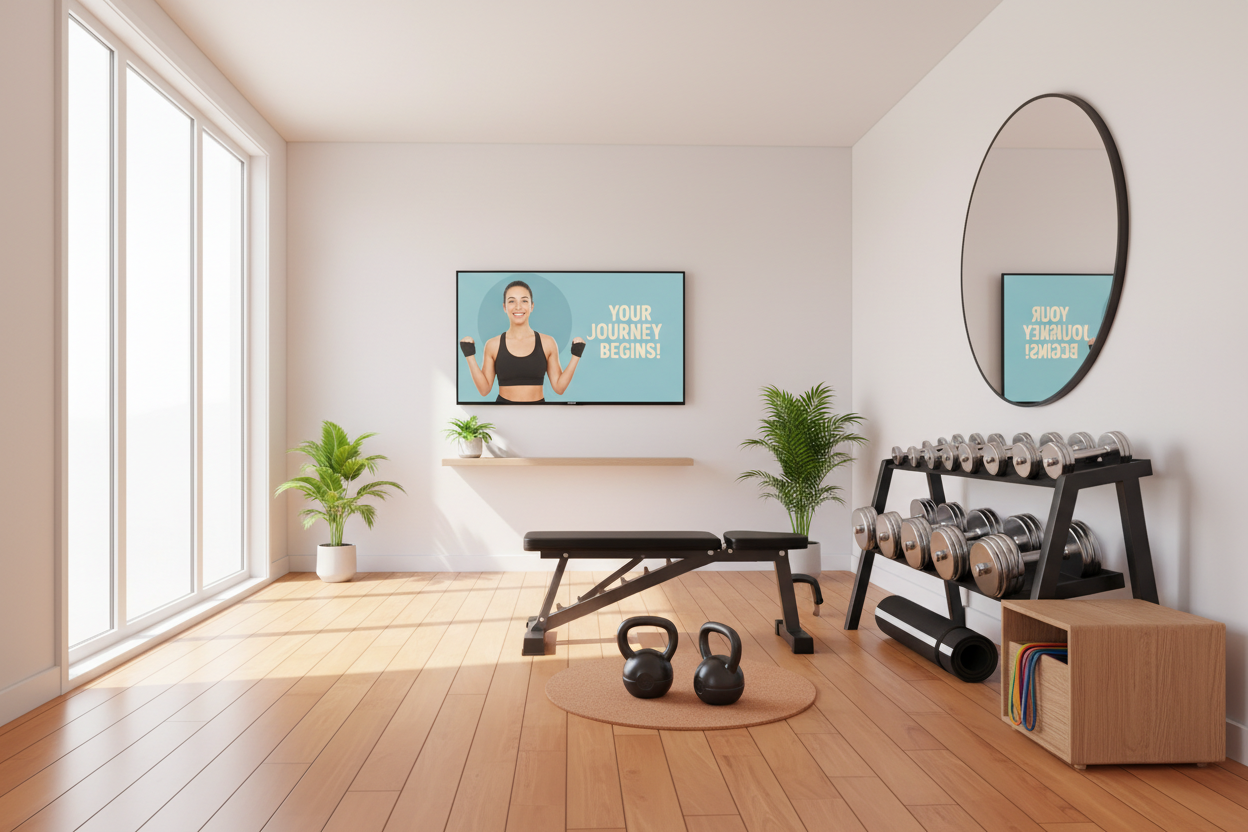
Connected fitness mirrors are another innovative category. These sleek devices look like ordinary mirrors but transform into interactive displays for guided workouts in yoga, boxing, strength, and more, making your fitnesshome feel like a boutique studio. For those interested in high-intensity interval training (HIIT), portable systems that combine a bike, rower, and mat into a single, compact unit are redefining what's possible in a small space.
Smart Shopping: How to Buy Home Workout Equipment Wisely
With so many options, making the right purchase can feel overwhelming. My personal strategy, born from both excitement and a few regrettable impulse buys, is to follow a simple framework. First, audit your space. Measure your designated area twice. There's nothing worse than ordering a beautiful piece of sport equipment for home only to find it doesn't fit.
Second, be brutally honest about your fitness personality. Do you love the structure of guided classes? Then a smart system might be worth the investment. Are you a self-motivated lifter? A rack, bench, and weights will serve you better. Third, read reviews from multiple sources, not just the brand's website. Look for long-term durability reports, not just initial impressions.
Finally, consider buying used. The secondary market for in home fitness equipment is thriving. Many people sell barely-used, high-quality gear for a fraction of the original price. This is an excellent way to acquire commercial-grade equipment without the commercial-grade price tag. Building your perfect home gym training equipment collection is a marathon, not a sprint. Start with the essentials, build slowly, and invest in pieces that you know will keep you engaged for years to come.