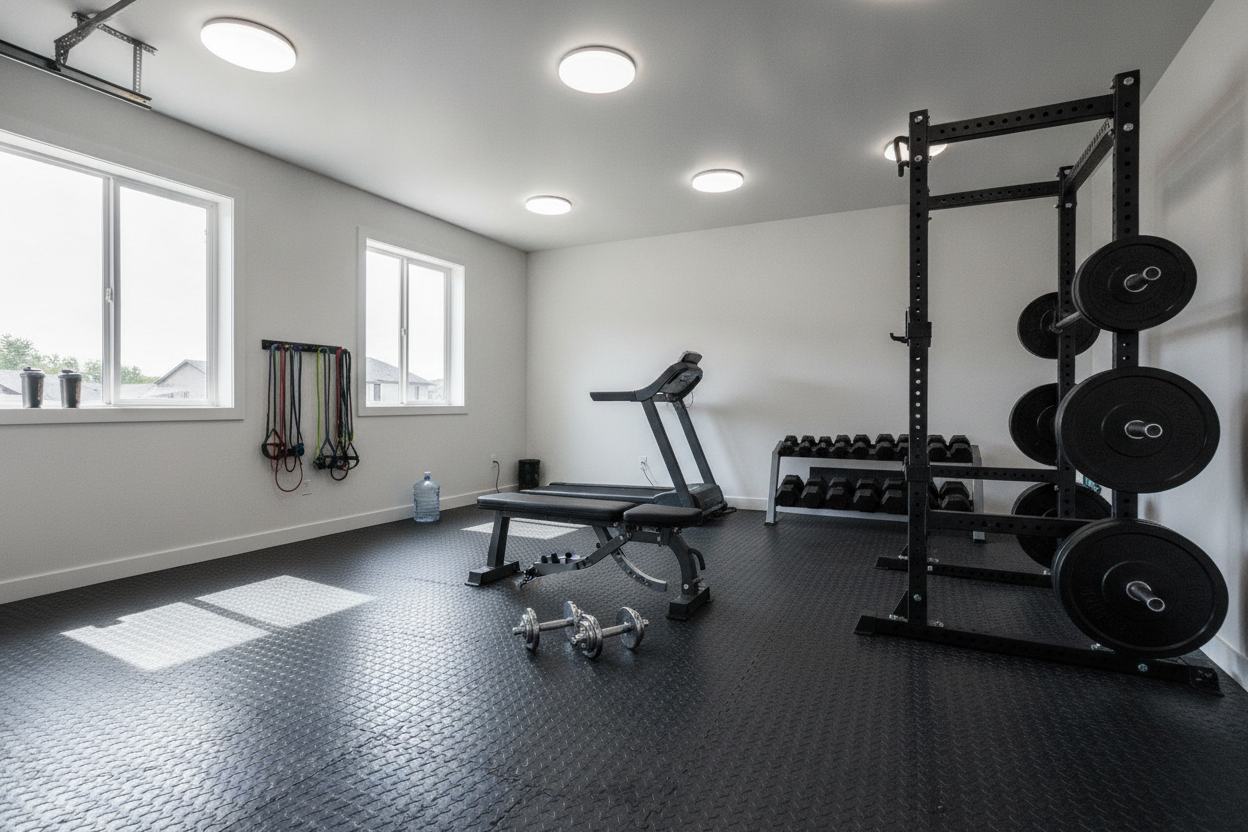
High-Intensity Exercise for Weight Loss: Routine Design and Floor Setup
The Mechanics of High-Intensity Training for Conditioning and Weight Management
High-intensity interval training pairs short bursts of vigorous effort with designated periods of lower-intensity movement or complete rest. This method creates a condensed workout stimulus, challenging both cardiovascular endurance and muscular power in a shorter session compared to traditional steady-state cardio. By cycling between maximum output and active recovery, high-intensity exercise promotes efficient energy expenditure and supports athletic conditioning.
For individuals targeting body composition changes and weight management, high-intensity formats offer practical time efficiency. Structuring workouts with purposeful work-to-rest ratios helps sustain movement quality while managing cumulative fatigue across the training week.
Core Movement Tiers for Home High-Intensity Workouts
Selecting appropriate exercises ensures that intervals remain demanding while accommodating individual mechanics, space constraints, and joint comfort. Categorizing movements into distinct tiers makes it easier to create balanced, full-body circuits at home.
Explosive Bodyweight and Plyometric Drills
Plyometric drills prioritize rapid force generation and dynamic coordination. Exercises such as squat jumps, burpees, tuck jumps, skater bounds, and mountain climbers engage major muscle groups across multiple planes of motion. To explore structured full-body circuits emphasizing these patterns, consider reviewing an intense hiit workout guide that details progressive movement combinations.
- Squat Jumps: Develop lower-body explosive power and target the quadriceps, glutes, and calves.
- Skater Bounds: Reinforce lateral agility, hip stability, and single-leg deceleration control.
- Mountain Climbers: Challenge anterior core strength and shoulder stability during high-cadence strides.
Low-Impact High-Cadence Alternatives
High intensity does not mandate constant jumping. Low-impact variations elevate heart rate and muscle recruitment while minimizing repetitive joint loading. Exercises like rapid shadow boxing, alternating reverse lunges with tempo pulses, kettlebell swings, and high-plank shoulder taps deliver significant conditioning benefits with reduced ground impact.
Resistance-Loaded Dynamic Patterns
Incorporating external resistance via dumbbells, kettlebells, or resistance bands increases overall energy demands and reinforces lean muscle tissue. Movements such as dumbbell thrusters, renegade rows, clean-and-press variations, and loaded walking lunges combine strength development with aerobic challenge. Reviewing a dedicated intense hiit workout guide can provide structured programming templates for integrating weights into interval routines.
Designing Balanced HIIT Workouts for Sustainable Fat Loss
Constructing a sustainable workout plan involves managing training volume, work-to-rest proportions, and session frequency. High-intensity sessions require adequate recovery between training bouts to prevent overtraining and maintain technical precision.
- Beginner Interval Structure (1:2 Ratio): 20 seconds of work followed by 40 seconds of rest. This interval allows complete cardiovascular resets between efforts.
- Intermediate Interval Structure (1:1 Ratio): 30 seconds of work followed by 30 seconds of rest. This balance sustains elevated heart rates while maintaining movement form.
- Advanced Interval Structure (2:1 Ratio): 40 seconds of work followed by 20 seconds of rest. This setup tests muscular endurance and aerobic capacity under incomplete recovery conditions.
- Weekly Frequency: Scheduling two to three high-intensity workouts per week, separated by active recovery or low-intensity movement days, supports consistent progress.
Creating a Supportive Home Training Environment
Executing explosive drills and rapid transitions requires a training space that supports stability, absorbs movement shock, and prevents unwanted slipping. Upgrading your floor setup with options from dedicated exercise collection mats creates a resilient foundation for demanding home routines.
Impact Absorption and Subfloor Protection
Plyometric landings and dynamic foot strikes generate repeated downward forces. A dense, shock-absorbing surface cushions joint contact during repetitive bounds while shielding underlying tile, hardwood, or concrete from wear and moisture. Utilizing a large-format exercise workout product provides expansive continuous coverage, allowing athletes to move freely without landing beyond mat borders.
Grip, Traction, and Multi-Directional Stability
Lateral movements like side lunges, speed skaters, and rapid pivot steps require dependable surface traction. High-density textured materials provide secure footing during sweat-heavy intervals, helping prevent unexpected foot slips and keeping hand placements anchored during planks, push-ups, and burpees.
Layout Flow and Transitional Clearance
Interval training often involves transitioning rapidly between standing movements and ground-based exercises. Setting up a dedicated workout perimeter free from furniture, wall edges, or loose equipment ensures uninterrupted movement transitions and promotes fluid training flow.
Care and Maintenance for High-Output Workout Surfaces
Consistent high-intensity exercise introduces sweat, friction, and moisture to workout flooring. Regular maintenance helps preserve surface grip, hygiene, and durability over extended training periods.
- Post-Session Wipe-Down: Use a damp microfiber cloth with mild, non-abrasive soap to remove surface sweat and residue after every workout.
- Air Drying: Allow flooring to air-dry completely before rolling, stacking, or placing heavy equipment back on top.
- Avoid Harsh Solvents: Steer clear of bleach, alcohol-heavy cleaners, or rough scouring pads that can degrade textured rubber or foam surfaces.
Summary Checklist for Home High-Intensity Success
- Select Balanced Movement Tiers: Blend explosive plyometrics, low-impact cadences, and loaded resistance movements into your weekly rotation.
- Tailor Work-to-Rest Ratios: Match interval pacing to current conditioning levels, starting with conservative recovery periods.
- Prioritize Floor Protection and Grip: Train on high-density, shock-absorbing matting to support joint comfort and multi-directional traction.
- Schedule Systematic Recovery: Balance high-output days with rest, mobility work, and hydration to sustain long-term consistency.