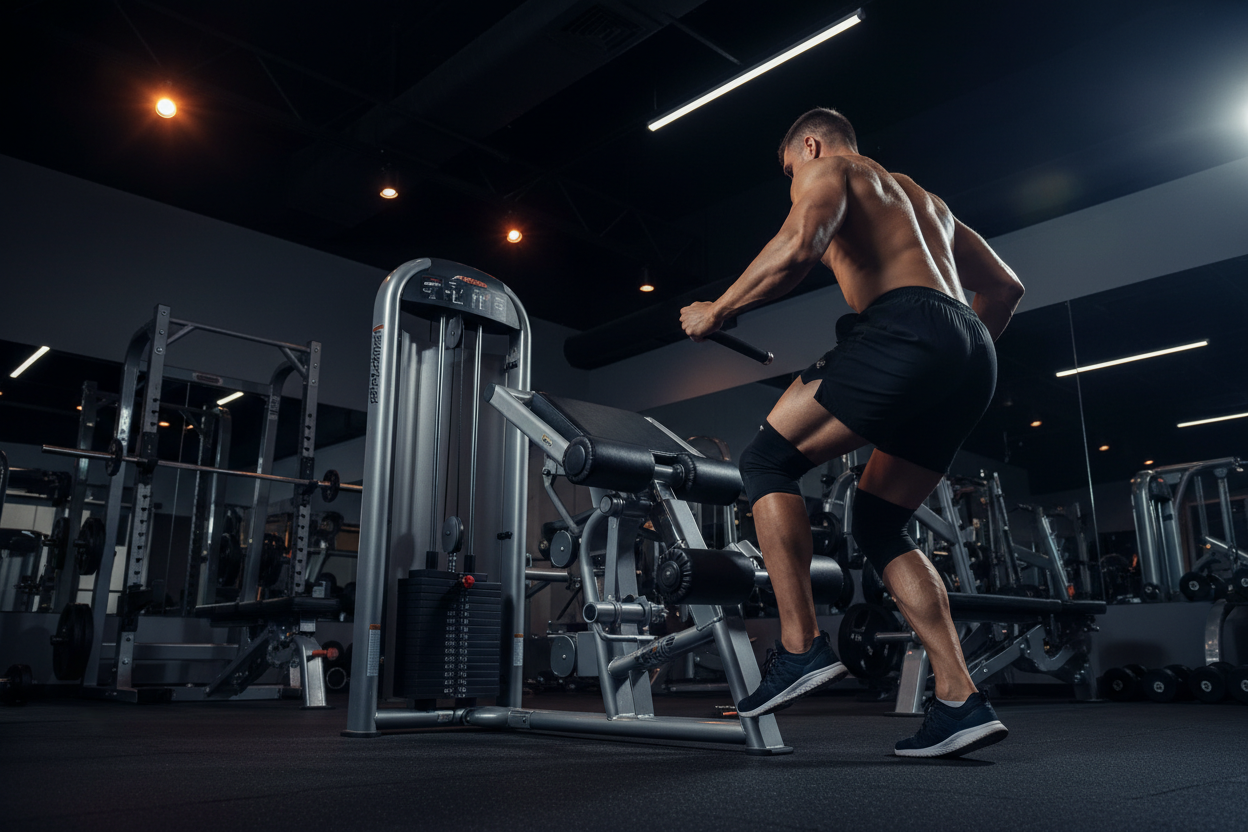
Hamstring Curl Leg Extension Machine: The Ultimate Dual-Function Guide
Building a complete set of wheels usually requires significant floor space. You typically need one station for your quads and a completely separate one for your hamstrings. This is where the hamstring curl leg extension machine changes the game for home gym owners and commercial facility managers alike.
It promises to deliver the two most critical isolation movements for leg development in a single footprint. But does a combo machine sacrifice biomechanics for convenience? Not if you know what to look for.
Key Takeaways
- Space Efficiency: A leg extension and leg curl machine cuts the required floor space by approximately 50% compared to owning two separate units.
- Cost Effectiveness: High-quality combo units generally cost 30-40% less than purchasing two standalone commercial machines.
- Biomechanics: Look for a machine with an adjustable cam and proper axis of rotation alignment to ensure the resistance curve matches your muscle's strength profile.
- Transition Speed: The best seated leg curl / extension machine allows you to switch modes in under 15 seconds to maintain workout intensity.
Why the Combo Machine is the King of Home Gyms
If you are training in a garage or a basement, square footage is your most valuable currency. A dedicated leg extension leg curl machine solves the biggest logistical headache of leg day: isolation work.
Compound movements like squats are king, but they don't fully shorten the rectus femoris (quad) or fully isolate the hamstrings. To get that complete aesthetic and structural balance, you need machine isolation. This unit allows you to perform supersets without walking across the gym, keeping your pump localized and your heart rate up.
The "Seated" Advantage
Most modern combo units are designed as a seated leg curl and extension machine. While prone (lying) curls have their place, the seated variation puts the hamstrings in a lengthened position at the hip. Research suggests this stretch-mediated hypertrophy can be superior for muscle growth compared to the lying variation.
What to Look for Before You Buy
Not every leg curl and extension machine is built the same. I've seen plenty of cheap units that feel jerky or have terrible resistance curves. Here is what matters.
1. The Pivot Point
The pivot point of the machine arm needs to align perfectly with your knee joint. If the leg extension & leg curl unit doesn't have an adjustable back pad or seat, you will never get this alignment right. Misalignment creates shear force on the knee rather than tension on the muscle.
2. Adjustability
A high-quality leg extension seated leg curl unit must have an adjustable shin pad/ankle roller. If the roller is too high, it rolls up your shin. If it's too low, it digs into your instep. Look for pop-pins that are easy to reach while seated.
3. Stability
When you are grinding out the last few reps on a seated leg curl leg extension machine, you don't want the frame wobbling. Look for 11-gauge steel frames. If the machine weighs less than 100 lbs, it’s likely too flimsy for serious lifting.
Correcting Common Form Mistakes
Even with the best hamstring curl and leg extension machine, user error kills gains.
- The Hip Lift: During leg extensions, keep your butt glued to the seat. If you lift your hips, you are engaging your hip flexors and robbing your quads of tension. Use the side handles to pull yourself down.
- Rushing the Eccentric: On the leg curl portion, don't let the weight stack crash down. Control the negative for a 2-3 second count. This is where the hamstring fibers tear and repair for growth.
- Ignoring Ankle Position: Keep your toes dorsiflexed (pointed up) during extensions to maximize quad activation and keep the patella tracking correctly.
My Personal Experience with Hamstring Curl Leg Extension Machine
I want to be real about the "fiddle factor" here. I currently run a mid-range plate-loaded combo unit in my setup. The marketing photos always show smooth transitions, but they rarely mention the "shin pad shuffle."
On my specific machine, switching from extension to curl requires me to pull a sticky pop-pin, swing the heavy arm all the way under the seat, and then—here is the kicker—I have to manually move the ankle roller to a different hole. If I'm sweaty, my grip slips on the pin.
There is also a distinct "dead spot" at the very start of the leg curl movement on my machine because the cable slack isn't perfectly tensioned. I fixed this by adding a small carabiner to the chain to shorten it, but it’s something you don't realize until you are actually strapped in and trying to contract. It’s effective, but don't expect it to feel exactly like a $5,000 Life Fitness machine at the commercial gym.
Conclusion
The hamstring curl leg extension machine is arguably the most valuable specialty piece you can add to a gym. It fills the gap that barbells and dumbbells leave behind. By understanding the mechanics and choosing a stable, adjustable unit, you can build impressive leg size without needing a warehouse to store your gear.
Frequently Asked Questions
Can I build mass with a combo machine?
Absolutely. Hypertrophy requires mechanical tension and metabolic stress. A seated leg curl leg extension machine allows you to take muscles to failure safely, which is the primary driver of growth, regardless of whether the weight is free or machine-based.
Is the seated leg curl better than the lying leg curl?
For most people, yes. The seated leg curl / extension machine places the hips in flexion, which stretches the hamstrings at the origin. Training a muscle at long muscle lengths has been shown to induce greater hypertrophy than training in a shortened position (like the lying curl).
How much space do I need for this machine?
Most home gym leg extension & leg curl units require a footprint of roughly 4 feet by 4 feet. However, you need to account for the swing of the weight arm (if plate loaded) and leg room, so plan for a 5x6 area for comfortable operation.