Hammer Strength Row: The Definitive Guide for Back Growth
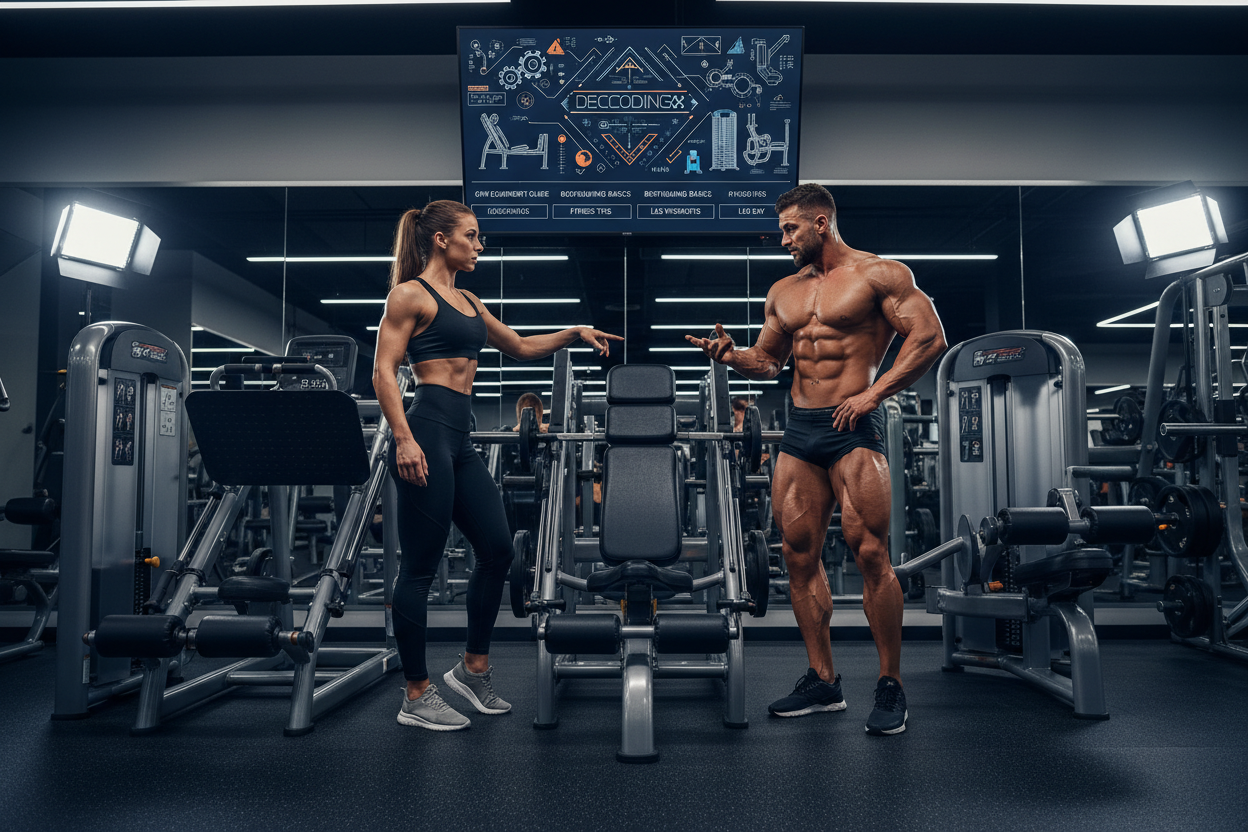
Building a thick, detailed back is often a war of attrition against your own lower back fatigue. You want to crush your lats, but your spinal erectors give out first during barbell movements. This is where the hammer strength row changes the game. Unlike standard cable machines or free weights, this piece of equipment offers a unique strength curve that matches human biomechanics, allowing you to load heavy without snapping your spine.
Whether you are a bodybuilder looking for isolation or an athlete needing stability, understanding the nuances of this machine is critical for hypertrophy. Let's break down how to use it correctly to build a barn-door back.
Key Takeaways: Quick Summary
- Iso-Lateral Movement: The defining feature of the hammer strength machine row is the ability to move each arm independently, correcting muscle imbalances.
- Stability equals Output: The chest support removes momentum, forcing the lats and rhomboids to do 100% of the work.
- Versatility: Variations include the hammer strength one arm row, high row, and low row, each targeting different back fibers.
- Safety: Significantly reduces shear force on the lumbar spine compared to bent-over barbell rows.
Why the Hammer Strength Machine Row Works
The magic of the hammer rowing machine lies in its design. It isn't just a seated cable row with a chest pad. It utilizes a leverage system that mimics the natural arc of a rowing motion.
When you pull, the weight moves in a converging path. This provides a peak contraction that is difficult to replicate with a barbell. Because it is a hammer strength chest supported row, you eliminate the need to stabilize your torso. This creates a focused environment where your brain can connect solely with the target muscle fibers.
Muscles Worked Breakdown
Understanding the hammer strength row muscles worked helps you program it effectively:
- Latissimus Dorsi (Lats): The primary mover. A lower seat height targets the upper lats, while a higher seat targets the lower lats.
- Rhomboids and Middle Traps: Heavily engaged during the squeeze at the back of the movement, especially with a hammer strength mid row setup.
- Rear Deltoids: These assist in the pulling motion.
- Biceps: Secondary movers, though the goal is to minimize their involvement.
How to Execute the Perfect Rep
Many gym-goers hop on the hammer strength seated row machine and just start yanking. To get the most out of it, setup is everything.
1. Seat Height Adjustment
Adjust the seat so the chest pad sits comfortably against your sternum. If the seat is too low, you’ll turn this into a shrug, engaging too much upper trap. If it’s too high, you lose leverage.
2. The Grip
Most machines offer multiple handles. A close grip hammer strength row (neutral grip) will bias the lats and lower back thickness. A wide, overhand grip will target the upper back and rear delts.
3. The Pull
Drive your elbows back, not just your hands. Imagine you are trying to elbow someone standing behind you. Keep your chest glued to the pad. If your chest leaves the pad, you are using momentum and lower back strength, defeating the purpose of the hammer strength back row machine.
Variations for Maximum Hypertrophy
The Single Arm Iso Lateral Row
This is arguably the best variation. Performing a single arm hammer strength row allows for a greater range of motion. You can slightly rotate your torso at the bottom of the movement to get a deep stretch in the lat, then square up as you pull.
Hammer Strength High vs. Low Row
The hammer strength upper back row (often called a High Row) pulls from top to bottom, hitting the lower lats hard. Conversely, the hammer strength underhand row (Low Row) hits the mid-back thickness. Rotating between these machines in different training blocks ensures complete development.
Dumbbell vs. Machine
You might hear people compare this to a dumbbell hammer row. While the dumbbell variation (neutral grip bent-over row) is excellent for core stability, the hammer strength row with dumbbells isn't really a thing—it's either one or the other. Use the machine when you want to exhaust the muscle safely; use the dumbbells when you want to work on stabilizers.
Common Mistakes to Avoid
The Ego Load: We've all seen it. Someone loads five plates on the hs row, pulls halfway, and slams the weight stack. Partial reps have their place, but full range of motion rules for back growth.
The Shrug: If your shoulders rise towards your ears as you pull, you are overactive in the traps. Depress your scapula (pull your shoulders down) before you initiate the row.
My Training Log: Real Talk
I’ve spent years grinding on these machines, and I want to share a specific detail about the hammer strength iso lateral row that manuals don't tell you. It’s about the "wobble."
When I’m deep in a prep and my energy is low, I rely on the single arm hammer row heavily. One thing I noticed is that on the older models, the chest pad vinyl gets incredibly slick once you start sweating. I actually bring a small microfiber towel to drape over the chest support. Without it, as I pull heavy on my right side, my torso slides off the pad to the left, ruining my leverage.
Also, pay attention to the friction in the movement arm. If the gym hasn't greased the pivot points recently, you'll feel a gritty resistance at the start of the concentric phase. I’ve learned to do a warm-up rep with just the machine arm (no weight) to test the smoothness. If it catches, I switch to the rg hammer strength row or a different station. That micro-stutter can mess with your mind-muscle connection when you're trying to hit a PR.
Conclusion
The hammer strength 2 arm row and its unilateral cousins are staples in bodybuilding for a reason. They bridge the gap between the raw feel of free weights and the safety of machines. By locking your torso in place and focusing on driving the elbows back, you can achieve a level of back density that is hard to build with barbells alone. Load it up, keep your form strict, and grow.
Frequently Asked Questions
Is the Hammer Strength row better than barbell rows?
It isn't necessarily "better," but it is different. The row machine hammer strength removes the lower back from the equation, allowing you to isolate the lats and rhomboids more effectively if your lower back is fatigued or injured. Barbell rows are superior for overall systemic strength.
Should I do one arm or two arms at a time?
Doing a hammer strength two-arm row saves time, but the one arm hammer strength row allows for a longer range of motion and helps fix muscle imbalances. I recommend alternating: do two arms for heavy, low-rep sets, and single-arm for higher-rep hypertrophy work.
What is the difference between Hammer Strength and standard cable rows?
Standard cable rows provide constant tension via the pulley system. The hammer row exercise uses leverage, meaning the weight can feel heavier or lighter at different points of the pull depending on the machine's axis. This leverage curve often matches the muscle's natural strength curve better than a linear cable pull.