Gymnasium Equipment For Sale: What to Know Before Buying
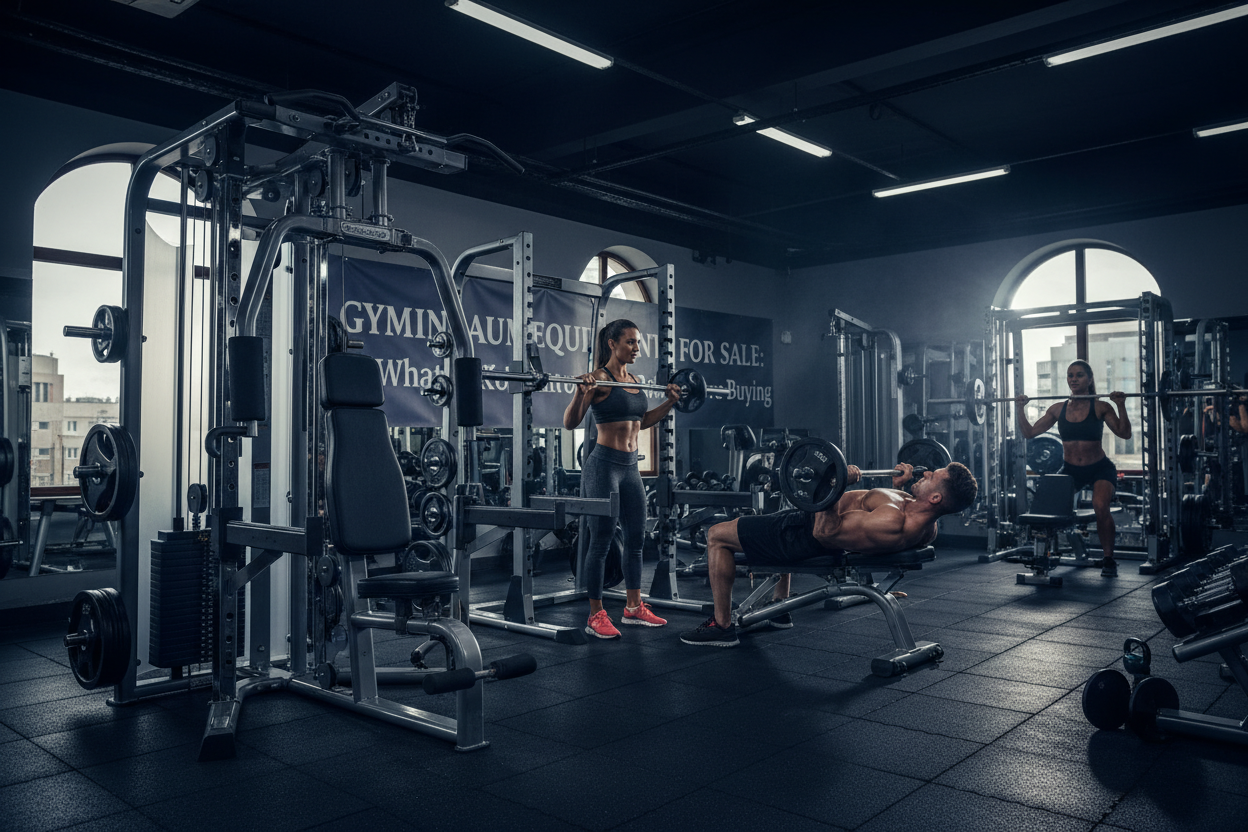
Building your dream home gym shouldn't require taking out a second mortgage, but navigating the endless sea of fitness retailers can feel overwhelming. Whether you are dealing with a cramped basement or outfitting a spacious two-car garage, finding high-quality gymnasium equipment for sale is the first major hurdle to achieving your training goals without breaking the bank.
We see it all the time: eager lifters buying cheap, flimsy racks that wobble under a 200-pound load, or overspending on commercial cardio machines that take up half the room. This guide will walk you through exactly what to look for, how to spot genuine value, and how to build a setup that lasts a lifetime.
Key Takeaways
- Check weight capacities: Always look for a minimum 700lb static weight rating on racks and benches for long-term safety.
- Measure twice, buy once: Account for barbell clearance and overhead pressing height before purchasing large functional trainers.
- Material matters: Prioritize 11-gauge steel and heavy-duty powder coating over cheaper 14-gauge alternatives.
- Timing your purchase: The best value often comes from tapping into a reliable gym supply warehouse or seasonal clearance events.
Navigating the Market: Commercial vs. Residential
When you start searching for gear, you will quickly notice a massive price gap. Understanding the difference between commercial-grade and residential-grade is crucial to maximizing your budget.
The Trap of Cheap Alternatives
It is tempting to jump on the first major gym machine sale you see online. However, ultra-budget residential equipment often cuts corners on steel thickness, weld quality, and upholstery density. If you are lifting heavy or training more than three days a week, these budget pieces will wear down fast. Look for 'light-commercial' ratings—these offer the perfect sweet spot of durability and affordability for most home lifters.
Maximizing Value and Budget
You don't need to empty your savings to get a premium workout experience. Knowing where and when to shop is half the battle.
Sourcing Discount Home Gyms
If you want to stretch your dollar, look beyond the big-box retail stores. Finding specialized retailers that offer gyms equipment for sale directly to consumers can cut out the middleman markup. Additionally, consider buying your foundational pieces (power rack, barbell, plates) brand new for safety and warranty purposes, while hunting down secondary items (like dumbbells or specialized machines) during major holiday sales or through a reputable gym supply warehouse.
Space Planning for North American Homes
A standard two-car garage or unfinished basement has its quirks—sloped floors, low ceilings, and limited square footage. Before you hit 'add to cart', you need a spatial game plan.
Clearance and Footprint
Always factor in 'working space' around your equipment. A power rack might have a 4x4 footprint, but you need at least two feet on either side to comfortably load an Olympic barbell. If your basement ceiling is under 8 feet, standard 90-inch uprights won't leave you enough room for strict overhead presses. Opt for short-rack variations (usually 72 to 84 inches) to save yourself the headache.
From Our Gym: Honest Take
Over the last decade, I've tested hundreds of pieces of equipment in my own unheated, highly humid garage gym in the Midwest. When I first started hunting for deals, I bought a budget power rack from a generic online retailer to save $200. Big mistake. The 14-gauge steel swayed noticeably during heavy squats, and the J-cups lacked UHMW plastic lining, which completely chewed up the knurling on my favorite barbell within six months.
I eventually upgraded to an 11-gauge, 3x3 rack from a dedicated strength supplier. The difference was night and day. The heavy powder coat hasn't shown a single spot of rust despite the humidity, and the rack doesn't budge during pull-ups. My one caveat? The heavier-duty rack was a nightmare to assemble solo. Grab a friend and a good socket wrench set when your shipment arrives.
Frequently Asked Questions
Is it safe to buy used gymnasium equipment?
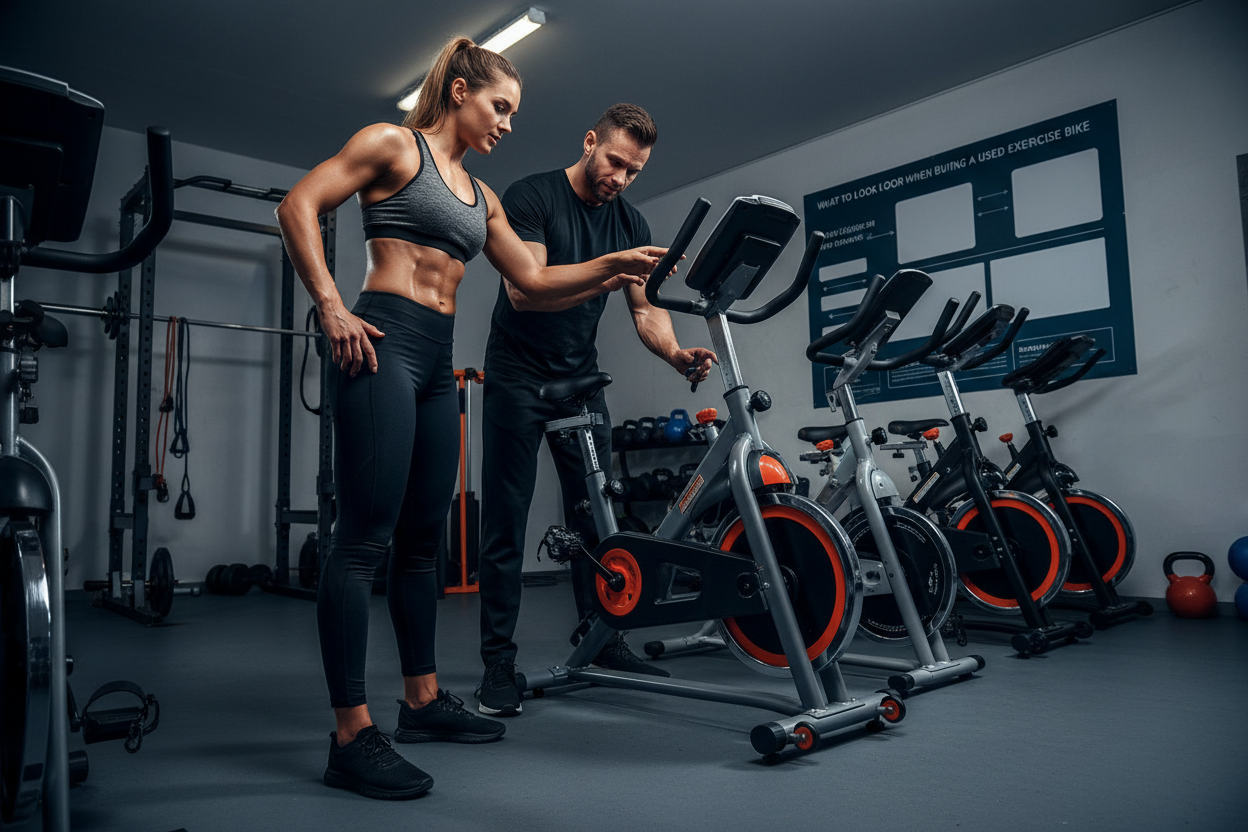
Yes, provided you inspect it thoroughly. Check for structural rust (surface rust is usually fine), test all moving parts like pulleys and bearings, and ensure the frame hasn't been bent or compromised. Avoid used cardio equipment unless it has been refurbished by a certified technician.
When is the best time to find a gym machine sale?
Black Friday and Cyber Monday remain the biggest discount periods for fitness equipment. However, late spring (May) and early summer are also excellent times, as retailers clear out excess New Year's resolution inventory to make room for new models.
Can I put heavy gym equipment on a second-floor apartment?
Most modern residential building codes require floors to support at least 30 to 40 pounds per square foot. While a standard rack and bench are usually fine, dropping heavy weights (like deadlifts or Olympic lifts) is a bad idea due to dynamic load shock and noise. Always use heavy-duty horse stall mats to distribute the weight and dampen sound.