Gym Equipment Color Psychology: Beyond Just Aesthetics
You walk into a facility, and the vibe hits you instantly. Is it a dark, gritty dungeon that makes you want to lift heavy, or a bright, sterile studio that screams cardio? Most gym owners and home gym enthusiasts obsess over specs—tensile strength, pulley ratios, and footprint. Yet, they often treat gym equipment color as an afterthought.
This is a mistake. The finish on your rig or the hue of your upholstery isn't just about matching the walls. It dictates the psychological energy of the room, the perceived cleanliness of the facility, and even the safety of the lifter. Let’s strip away the marketing fluff and look at why the palette of your gear matters.
Key Takeaways
- Psychological Impact: Red and black trigger aggression and focus; blue and white promote calm and spatial openness.
- Maintenance Reality: Matte black hides dirt but shows chalk; white hides dust but highlights scuffs and grease.
- Safety Standards: Olympic color-coding (Green, Yellow, Blue, Red) is a functional language, not a design choice.
- Resale Value: Neutral frames with custom upholstery sell faster than fully customized, niche colorways.
The Psychology of Color in Training Spaces
Color isn't just visual; it's visceral. When you are under a heavy bar, your environment feeds your nervous system.
Red and Black: The Power Zone
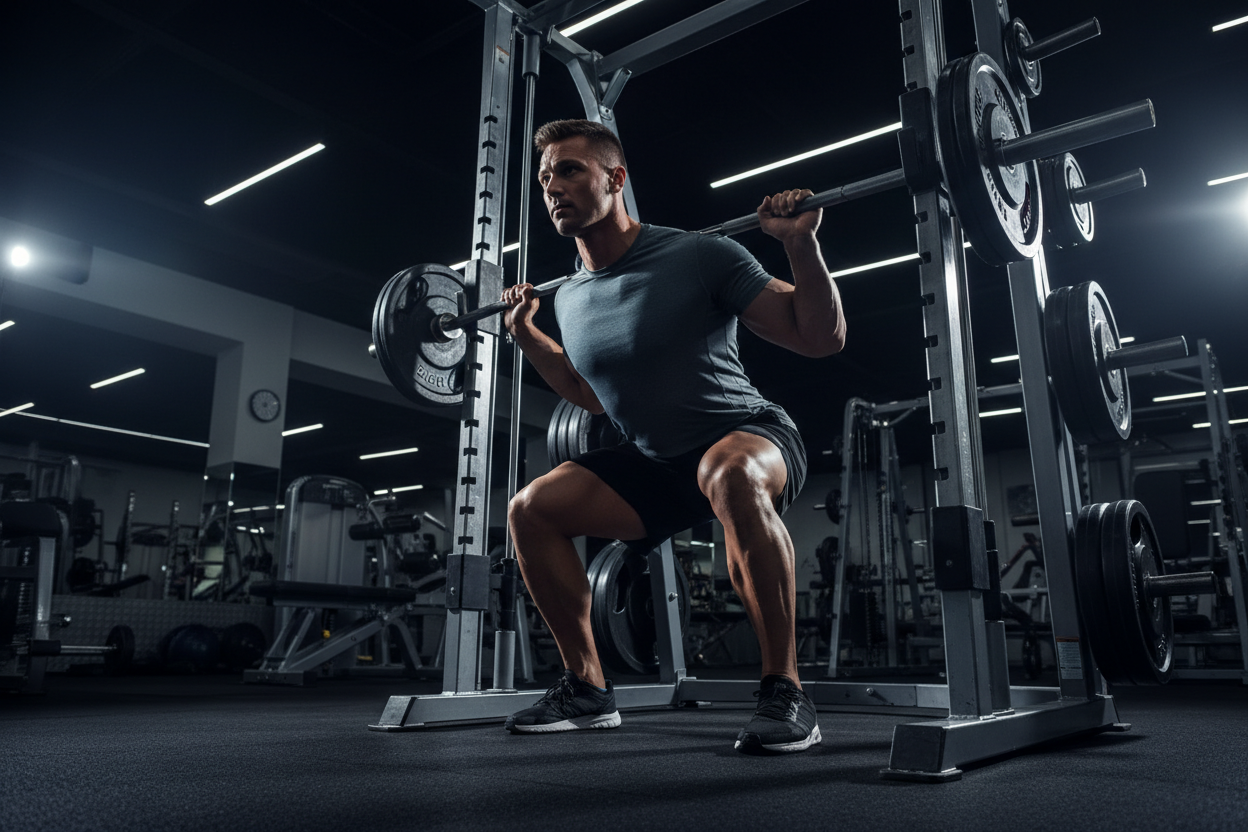
There is a reason Westside Barbell and most serious powerlifting gyms lean heavily on black, red, and raw steel. Red creates a sense of urgency and aggression. It raises the heart rate slightly before you even touch a weight. Black grounds the space, narrowing focus.
If you are building a space for PRs and high-intensity interval training, warm, aggressive colors on your frames encourage output.
Blue, White, and Grey: Focus and Form
Commercial gyms often opt for silver or grey frames with neutral pads. This isn't just to be boring; it's to be non-threatening. Lighter colors make equipment look less dense, which helps beginners feel less intimidated.
For a home gym in a small garage, white or light grey power racks reflect light, making a cramped 10x10 space feel significantly larger. Dark equipment in a small room can feel claustrophobic.
Practicality: The Maintenance Nightmare
Before you order that custom "Neon Lime" rig, you need to understand the chemistry of wear and tear. Powder coat isn't invincible.
The "White Glove" Problem
White and light-colored powder coats look incredible on Instagram. In reality? They are a magnet for denim dye transfer from pants, rubber scuffs from bumper plates, and general grime. If you choose light colors, you are signing up for a weekly cleaning regimen.
The Matte Black Trap
Matte black is the default for a reason, but it has an enemy: magnesium carbonate (chalk). If you or your members use chalk, matte black texture holds onto that white powder like velcro. Within a month, a pristine black rig will look grey and patchy unless you scrub it with a stiff brush regularly.
Understanding Olympic Color Coding
Sometimes, gym equipment color is about communication, not style. If you are buying bumper plates, stick to the IWF (International Weightlifting Federation) standards.
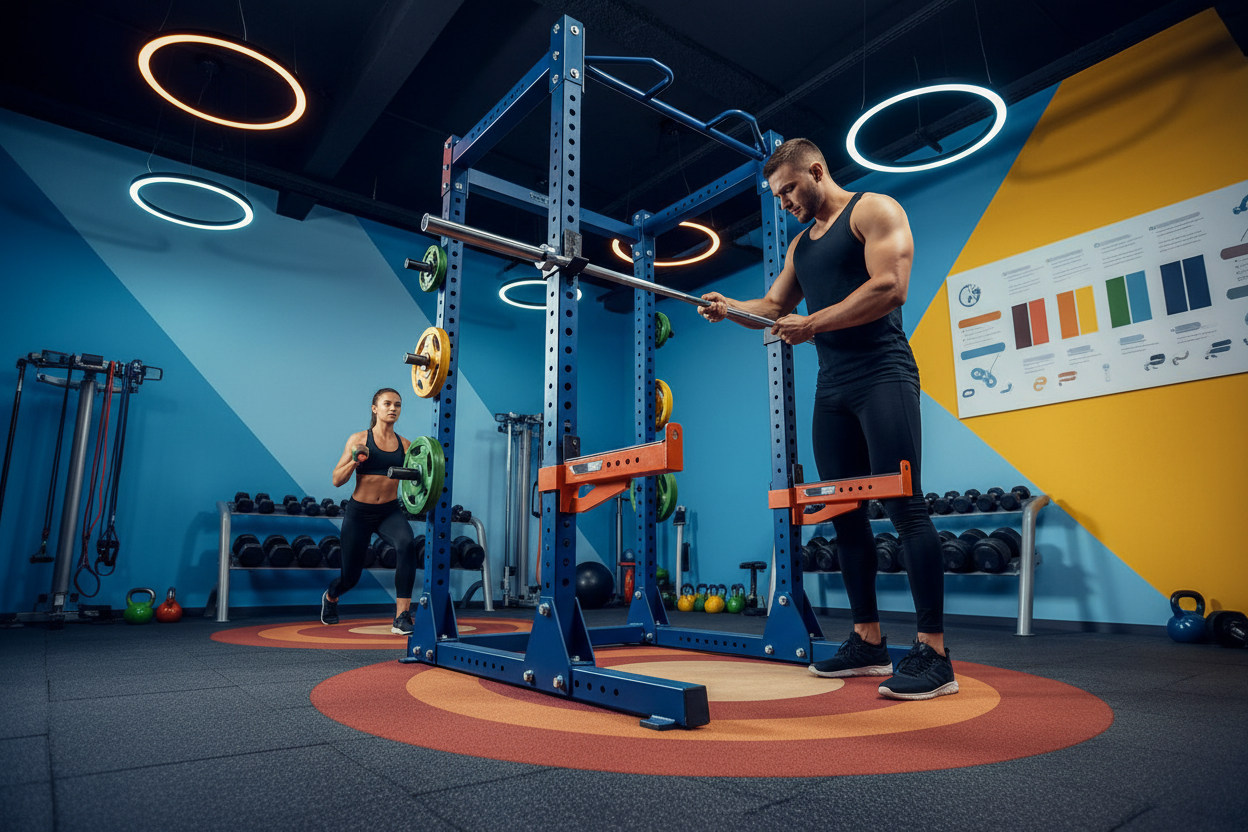
This allows a coach or spotter to calculate the weight on the bar from across the room instantly:
- Red: 25kg (55lbs)
- Blue: 20kg (45lbs)
- Yellow: 15kg (35lbs)
- Green: 10kg (25lbs)
Buying generic black bumpers is cheaper, but mixing non-standard colors (like a black 25kg plate next to a red 10kg plate) creates cognitive friction during loading and unloading. Stick to the standard.
My Training Log: Real Talk
I once consulted for a boutique studio that insisted on a "Storm Grey" matte finish for all their barbells to match their industrial chic branding. It looked phenomenal on opening day.
Here is the reality check I learned the hard way: Colored cerakote or zinc on barbell sleeves is a tragic mistake if you actually lift. Within three weeks of sliding iron plates on and off, that beautiful grey finish was shredded. The metal-on-metal contact stripped the color in uneven, jagged lines.
Furthermore, the smooth glossy finish on their custom colored pull-up bars became incredibly slippery once hands got sweaty. We ended up having to tape over the expensive custom paint job just to get a grip. The lesson? Paint the rack, paint the walls, but keep the barbell sleeves raw or chrome. Function always beats the color wheel.
Conclusion
Don't choose your equipment finish based on a hex code you saw on Pinterest. Choose it based on the atmosphere you want to create and the maintenance schedule you are willing to endure. Whether it's the aggression of red or the spatial expansion of white, your color choice is a foundational part of your training environment.
Frequently Asked Questions
Does the color of gym equipment affect resale value?
Yes. Neutral colors like black, grey, or silver retain the highest resale value because they fit into any future buyer's gym. Highly specific colors (like purple or lime green) significantly shrink your pool of potential buyers.
What is the best color for hiding scratches?
Textured black or "hammertone" grey finishes are best for hiding scratches. The uneven surface texture masks minor dings and scuffs that would be glaringly obvious on a smooth, glossy finish.
Why are kettlebells color-coded differently?
Competition kettlebells have their own universal color code (Pink for 8kg, Blue for 12kg, Yellow for 16kg, etc.). Unlike plates, the size of a competition kettlebell stays the same regardless of weight, so the color is the only visual indicator of the load.