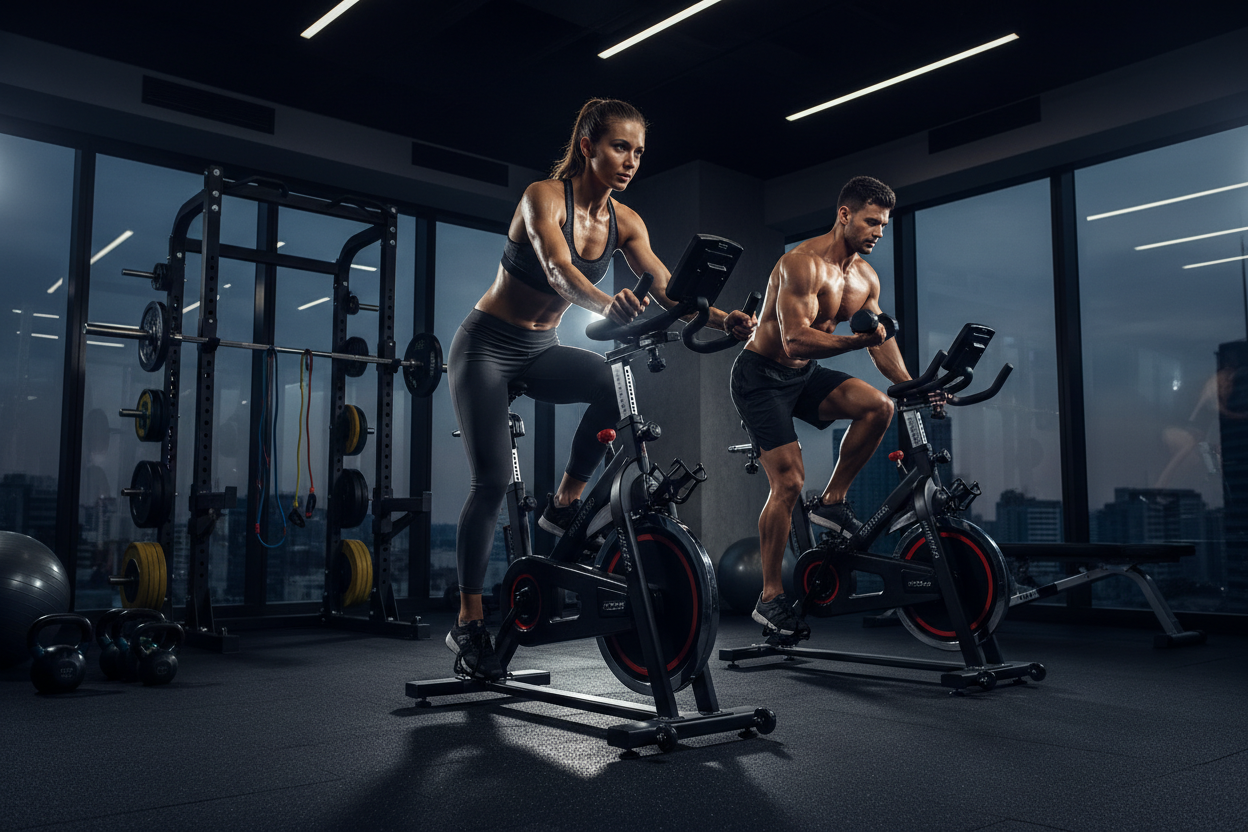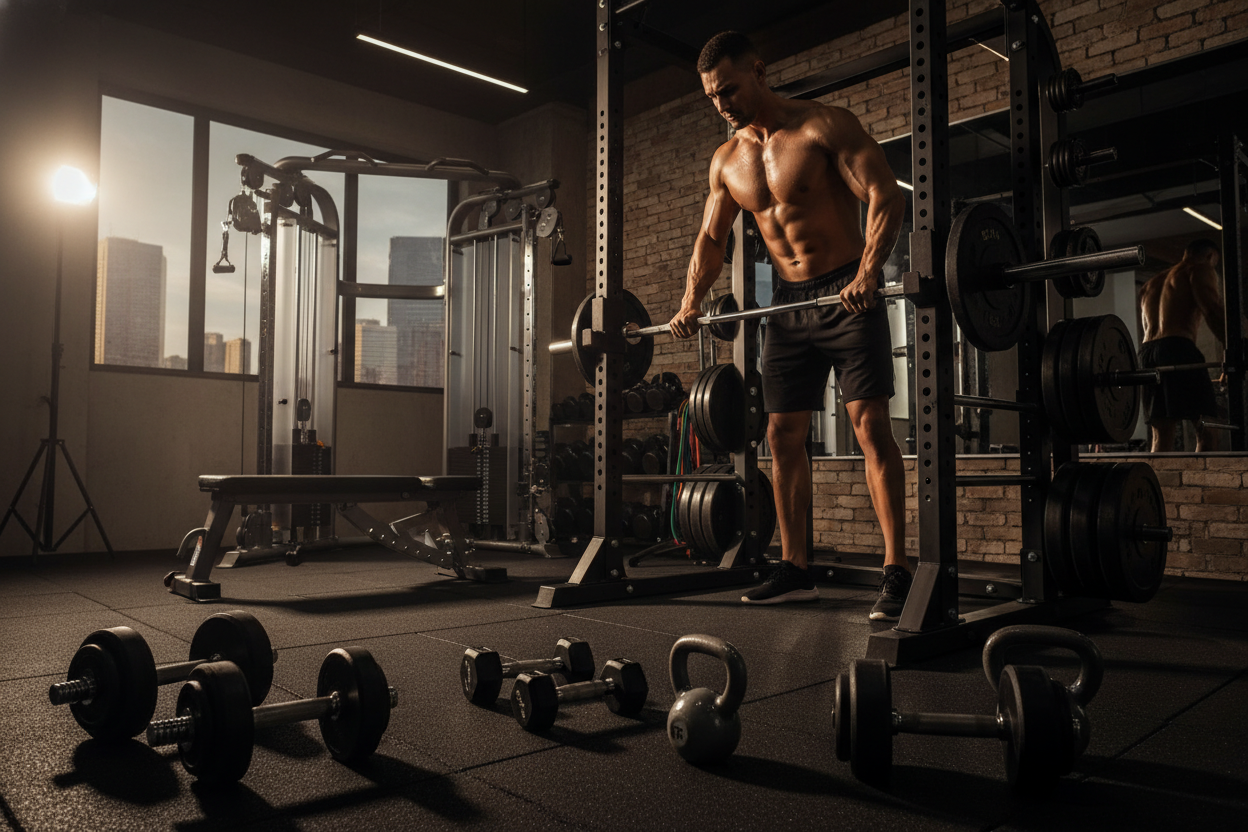
Gym equipment and weights for sale: Avoid These Buying Mistakes
Building a home gym should be exciting, but the sheer volume of options can quickly turn the process into an overwhelming chore. Whether you are trying to escape the crowded commercial gym scene, fit workouts into a busy parenting schedule, or finally break through a training plateau, your environment dictates your success.
If you are currently browsing gym equipment and weights for sale, you have probably noticed a massive gap in pricing, materials, and shipping costs. This guide will help you cut through the marketing noise, avoid cheap gear that rusts or breaks, and build a setup that actually fits your space and training style.
Key Takeaways
- Measure twice, buy once: Always account for barbell sleeve clearance and ceiling height before purchasing a rack.
- Weight variance is real: Bargain plates can deviate by up to 10% from their stated weight.
- Flooring dictates equipment: Your foundation determines whether you can safely drop bumper plates or need to stick to controlled cast iron lifts.
- Invest in the barbell: Save money on benches and plates; spend your budget on a high-quality barbell with good knurling and spin.
The Home Gym Blueprint: Where to Start
When looking at various setups, it is easy to get distracted by specialized machines. However, the foundation of any functional home gym relies on a few core pieces: a rack, a barbell, and plates.
Prioritizing Your Budget
The biggest mistake new home gym owners make is spreading their budget too thin across too many items. Instead of buying a cheap all-in-one machine, allocate 40% of your budget to a high-quality power rack and barbell. These are your life-support systems during heavy lifts. You can always scour local listings for used gym equipment weights for sale to save on cast iron plates later.
Navigating Space and Setup Constraints
North American homes typically offer two main gym locations: the garage or the basement. Each comes with unique environmental and spatial challenges.
Garage vs. Basement Clearances
If you are setting up in a garage, slope is your biggest enemy. Most garage floors slope toward the door for drainage, meaning you will need to build a leveled lifting platform. For basement gyms, ceiling height is the primary bottleneck. A standard 84-inch power rack might fit, but doing standing overhead presses with 45-pound plates requires at least 96 to 100 inches of clearance. Always map out your vertical space before clicking 'add to cart'.
Material Matters: Cast Iron vs. Bumper Plates
Your style of training dictates the type of weight you should buy. Powerlifters and general strength enthusiasts often lean toward cast iron because it is thinner, allowing more weight on the bar. Olympic weightlifters and CrossFitters require rubber bumper plates to safely drop weights from overhead.
Noise Control and Longevity
Bumper plates are significantly quieter, which is crucial if your gym shares a wall with a nursery or a neighbor. However, cheap recycled rubber bumpers can emit a harsh chemical smell that lingers for months in a poorly ventilated room. Look for virgin rubber plates if odor is a concern.
From Our Gym: Honest Take
We have tested dozens of setups over the years, and I can tell you firsthand that plate weight tolerances are the dirty little secret of the fitness industry. Last year, we bought a heavily discounted set of cast iron plates. When I threw them on the scale, one '45-pound' plate weighed 42.1 pounds, and another weighed 46.5 pounds. That is a massive imbalance during a heavy squat.
Furthermore, the knurling on bargain barbells is often passive and slippery. I distinctly remember my chalked grip failing on a 405-pound deadlift simply because the bar's diamond pattern was essentially painted over with cheap chrome. Spend the extra $100 on a bare steel or cerakote barbell with aggressive knurling—your grip will thank you, and it will last a lifetime in a humid garage if you oil it twice a year.
Frequently Asked Questions
Is buying used gym equipment weights for sale worth it?
Yes, especially for cast iron plates and basic dumbbells. Cast iron is nearly indestructible. Even if it has surface rust, a wire brush and a can of matte black spray paint can make it look brand new. However, be cautious buying used barbells, as they may be permanently bent.
How much space do I actually need for a squat rack and barbell?
You need an absolute minimum footprint of 10 feet wide by 8 feet deep. A standard Olympic barbell is 7.2 feet long, and you need at least 1.5 feet of clearance on each side to comfortably load and unload plates without punching a hole in your drywall.
Should I buy a package deal or build piece by piece?
Package deals are fantastic for beginners because they lower the shipping costs—which are notoriously high for heavy freight. Just ensure the package doesn't skimp on the barbell. If the bundle includes a cheap 300-pound capacity bar, it is better to buy your rack, bar, and plates separately.