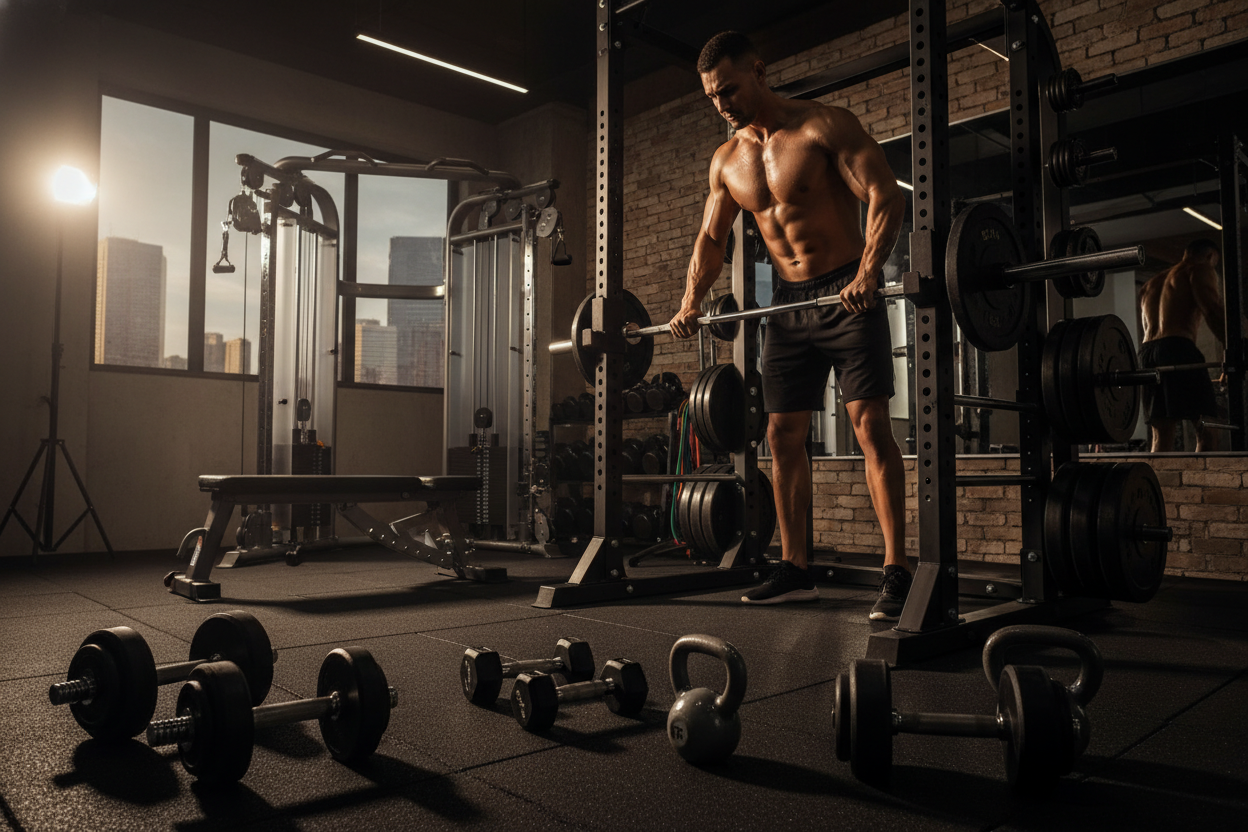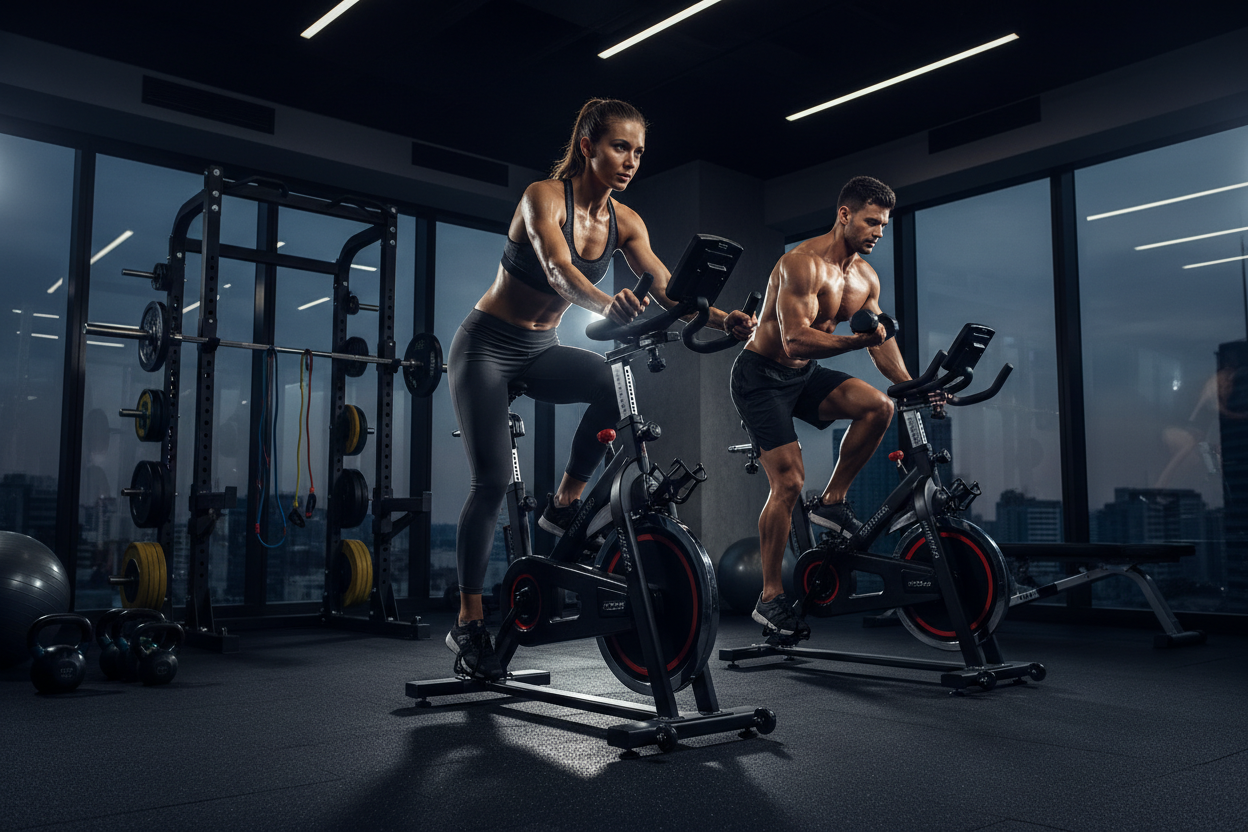
Let's face it: outfitting a home gym usually involves a constant battle against space constraints, budget limits, and noise complaints from the floor below. When treadmills feel too bulky and rowers take up too much floor space, bike exercise equipment often hits the sweet spot for low-impact, high-yield cardiovascular training. It is the ultimate tool for pushing your heart rate without pounding your joints.
But with thousands of models flooding the market, separating the commercial-grade stalwarts from the flimsy coat-racks is harder than ever. Whether you are building a heavy-duty garage sanctuary or a compact apartment workout corner, understanding the mechanics of these machines will save you from a costly mistake. Here is exactly what you need to know before making an investment.
Key Takeaways
- Magnetic resistance offers a quieter, lower-maintenance ride compared to traditional friction-based systems.
- Belt drives are the gold standard for home gyms, providing a smoother, virtually silent pedal stroke.
- The standard footprint requires roughly 2 feet by 4 feet of floor space, plus necessary safety clearance.
- Heavy flywheels (30+ lbs) generally deliver a more stable, road-like feel for intense training sessions.
Decoding the Mechanics: What Actually Matters
Resistance Systems: Magnetic vs. Friction
The heart of any stationary bike is its resistance mechanism. Friction resistance uses felt pads that physically clamp down on the flywheel. While budget-friendly, these pads wear out over time, create a faint whooshing sound, and require occasional lubrication. Magnetic resistance, on the other hand, uses powerful magnets that move closer to or further from the flywheel without ever touching it. This creates a whisper-quiet, incredibly smooth ride that requires zero maintenance.
Drive Systems: Belt vs. Chain
If you want your biking exercise equipment to mimic the exact feel of your outdoor road bike, a chain drive will give you that familiar slight vibration and clinking sound. However, chain drives require regular oiling and tension adjustments. For 95% of home gym owners, a belt drive is the superior choice. It utilizes a tough rubber belt that requires no maintenance and operates in complete silence, making it perfect for early morning sessions while the rest of the house sleeps.
Space Planning for Your Home Gym
Footprint and Vertical Clearance
One of the biggest advantages of indoor cycles is their minimal footprint. Most standard models measure roughly 48 inches long by 20 inches wide. However, do not forget to factor in vertical clearance. If you plan on doing heavy hill climbs out of the saddle, ensure you have enough headroom—especially in basement gyms with low drop ceilings. We recommend a minimum ceiling height of 7 to 8 feet depending on your own height.
Maximizing Your Training Application
From LISS to HIIT
The beauty of high-quality exercise cycling equipment is its immense versatility. You can lock into a steady Zone 2 heart rate for 45 minutes of Low-Intensity Steady State (LISS) cardio while catching up on a podcast, or you can crank the resistance for brutal Tabata intervals (20 seconds all-out, 10 seconds rest). Because the resistance can be adjusted instantly, it is one of the safest pieces of equipment for pushing yourself to absolute muscular failure without the risk of dropping a barbell.
From Our Gym: Honest Take
We've tested dozens of indoor cycles in our garage gym facility over the years. My personal takeaway? Never compromise on the Q-factor (the distance between the pedals). I recently spent six months logging miles on a budget model with a wide, unnatural Q-factor, and it wreaked havoc on my knees. When I switched to a mid-tier magnetic resistance bike with a standard road-bike Q-factor, the joint pain vanished within a week. The only minor con with most premium magnetic bikes? The stock saddles are notoriously stiff. Do yourself a favor and budget an extra $30 for a high-quality seat cushion or swap the saddle out entirely before your first long ride.
Frequently Asked Questions
Is bike exercise equipment worth it for a home gym?
Absolutely. It offers a compact, weather-proof cardio solution that scales perfectly from joint rehabilitation to elite athletic conditioning. It is arguably the most space-efficient cardio machine available.
How much space do I need around the bike?
While the bike itself may only take up a 2x4 foot area, we strongly recommend leaving at least 24 inches of clearance on all sides. This ensures safe mounting, dismounting, and room for necessary maintenance.
Does flywheel weight actually matter?
Generally, yes. A heavier flywheel (typically ranging from 30 to 40 lbs) carries more momentum. This momentum eliminates the jerky 'dead spots' in your pedal stroke, providing a fluid motion especially at higher resistance levels.