Gym Circuit for Beginners: How to Maximize Limited Equipment
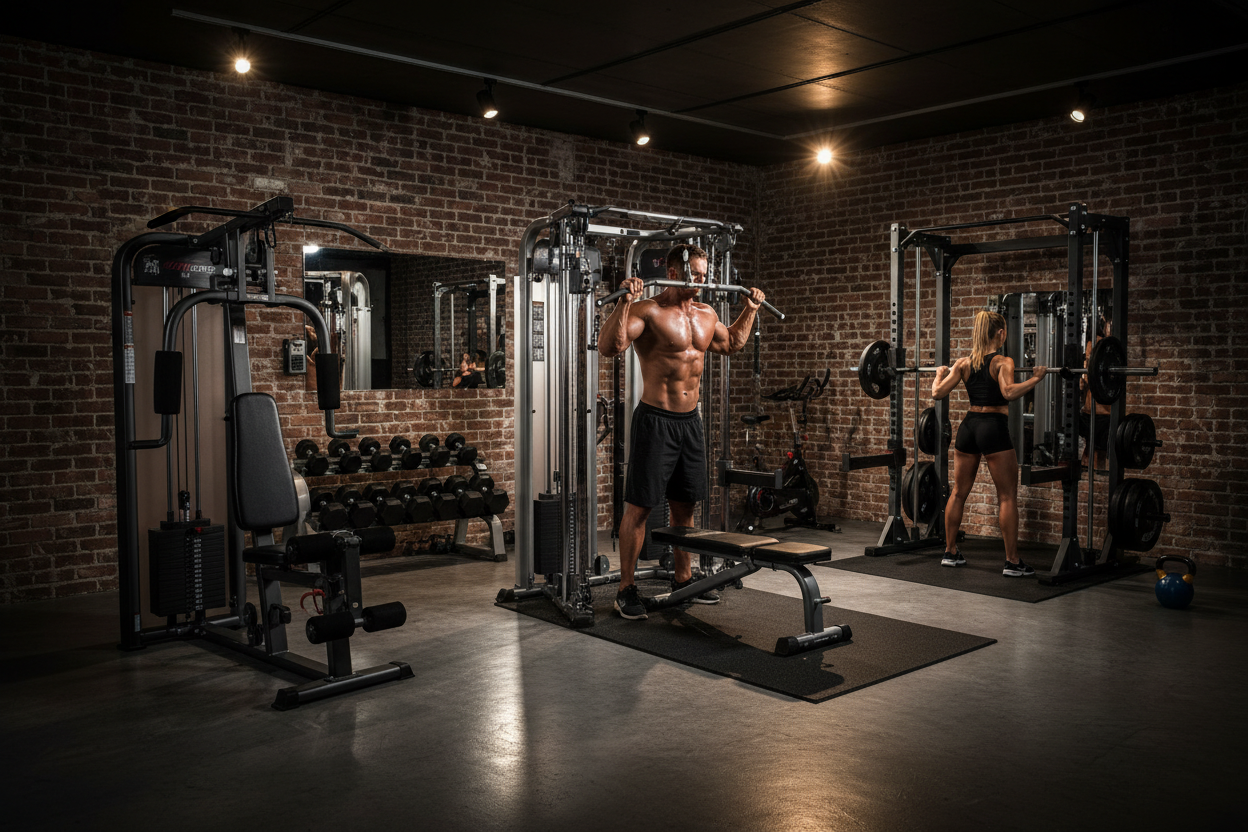
Stepping into a home gym setup or a commercial facility for the first time can feel incredibly overwhelming. Between the clanking iron, the massive footprint of power racks, and the sheer volume of exercise options, it is easy to suffer from analysis paralysis. If you want to maximize your time, burn fat, and build foundational strength without spending two hours training, mastering a gym circuit for beginners is your ultimate starting point.
This guide will break down exactly how to structure your workouts, what equipment actually matters, and how to arrange your space for seamless transitions.
Key Takeaways
- A well-designed circuit alternates between upper and lower body movements to maximize cardiovascular output and muscle recovery.
- You only need a few key pieces of equipment—like dumbbells, resistance bands, and a bench—to execute a highly effective routine.
- Keep rest periods strictly between 30 to 60 seconds to maintain an elevated heart rate.
- Focus on form and full range of motion over lifting heavy weights during your first few weeks.
The Anatomy of an Effective Circuit
When building a routine from scratch, the goal is efficiency. A proper circuit strings together 4 to 6 exercises performed back-to-back with minimal rest. This approach is perfect for home gym owners who need to get in, get sweaty, and get out.
Choosing the Right Home Gym Equipment
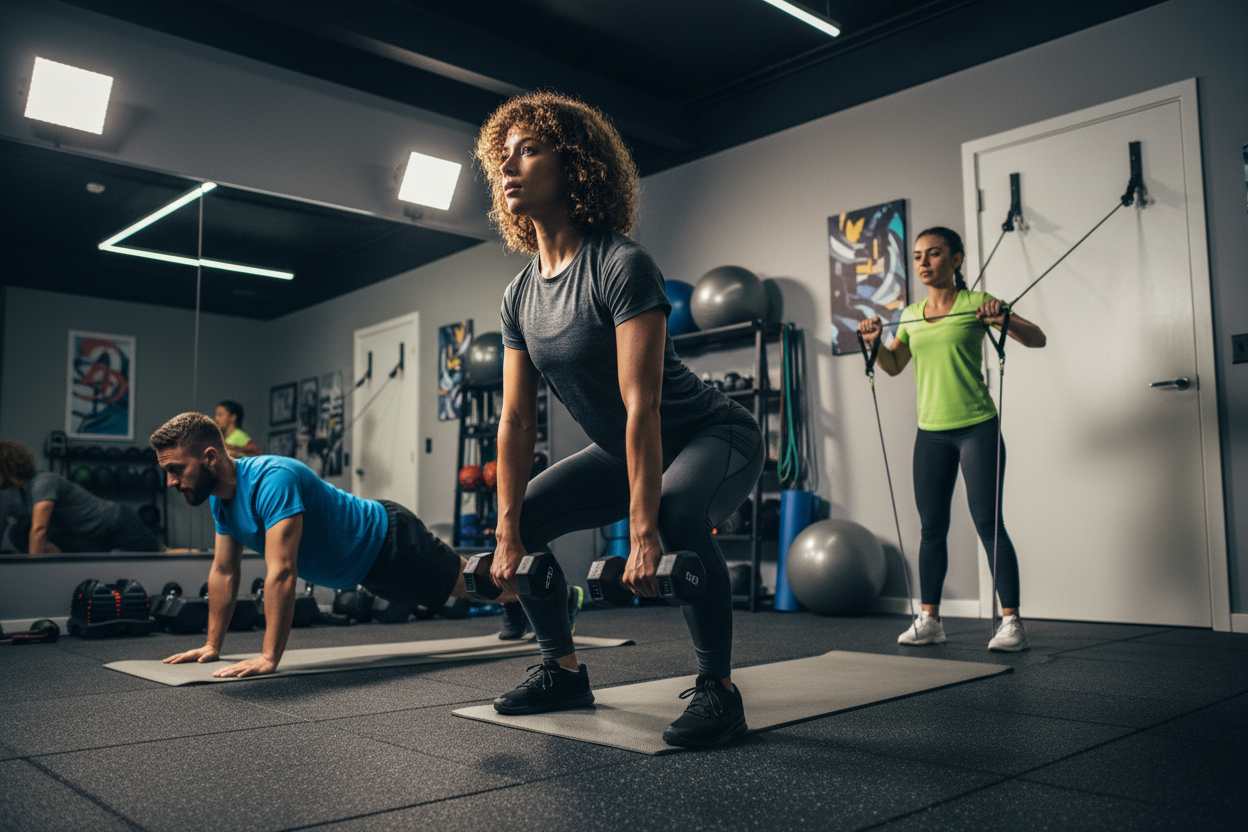
You do not need a massive functional trainer to get started. For a highly effective beginner gym circuit, I recommend investing in a pair of adjustable dumbbells, a high-quality flat or adjustable bench, and a simple kettlebell. Adjustable dumbbells, in particular, save precious square footage while offering the weight range necessary to progress from goblet squats to overhead presses.
Balancing Push, Pull, and Legs
To avoid overtraining any single muscle group, structure your circuit to hit different movement patterns. A classic setup might look like this: a lower-body push (squat), an upper-body pull (dumbbell row), a lower-body hinge (Romanian deadlift), and an upper-body push (floor press). This full-body engagement maximizes calorie burn and ensures balanced muscular development.
Setting Up Your Space for Flow
One of the biggest mistakes newcomers make is spacing their equipment too far apart. In a circuit, transition time is critical.
Garage and Basement Layout Tips
If you are training in a standard North American garage gym, group your circuit stations within a 6x6 foot area. Keep your dumbbells racked right next to your bench. If you are using a barbell, ensure you have at least 24 inches of clearance on either side of the sleeves so you can strip plates quickly without hitting drywall. The less you have to walk around to find your gear, the better your heart rate stays in the target zone.
From Our Gym: Honest Take
When I first started programming circuits in my own 12x12 basement gym, I made the mistake of trying to incorporate too many heavy barbell movements. Stripping and loading plates between a deadlift and a bench press completely ruined the pacing. I quickly realized that an effective beginner gym circuit thrives on minimal equipment adjustments. I switched to using a single kettlebell for lower body work and adjustable dumbbells for my upper body. The knurling on my adjustable set gave me a rock-solid grip even when I was dripping sweat by the fourth round. The only caveat? Adjustable dumbbells can be slightly clunky for dynamic movements like snatches, but for strict presses and rows, they are unbeatable.
Frequently Asked Questions
How many days a week should I do a beginner gym circuit?
For most beginners, 3 days a week is the sweet spot. This allows for at least one full day of rest and recovery between sessions, which is crucial for muscle repair and central nervous system recovery.
Do I need heavy weights to see results?
Not at all. In a circuit format, the shortened rest periods increase the time under tension and cardiovascular demand. Lighter weights lifted with perfect form will yield incredible results for beginners.
How long should my workout last?
A well-paced circuit should take anywhere from 20 to 30 minutes to complete, excluding your warm-up and cool-down. If your workout is dragging past 45 minutes, you are likely resting too long between exercises or sets.