Good Workout for Flat Stomach: The Truth About Core Training
If you have ever spent an hour doing endless crunches on your living room rug only to end up with a sore neck and zero results, you are not alone. The quest for a stronger, leaner core is one of the most common fitness goals, but it is also the most misunderstood. While nutrition dictates your body fat percentage, building the underlying muscle is what creates that toned, tight look. Finding a genuinely good workout for flat stomach results changes the game from frustrating floor routines to targeted, effective strength training.
In this guide, we are going to break down the mechanics of proper core engagement. Whether you are working with a fully equipped garage gym or just a corner of your apartment, we will show you how to structure at home exercises for a flat stomach that actually yield results, protect your lower back, and maximize your training time.
Key Takeaways
- Spot reduction is a myth; revealing your abs requires a combination of full-body conditioning and a caloric deficit.
- A proper at home flat stomach workout focuses on core stability (anti-extension and anti-rotation) rather than just spinal flexion (crunches).
- You do not need massive machines; high-density mats, resistance bands, and ab rollers offer incredible return on investment.
- Like any muscle group, your core requires progressive overload and adequate recovery to grow stronger.
Building the Ultimate Home Core Routine
The Core Blueprint
Any effective flat stomach exercise at home needs to hit the musculature from multiple angles. Your core is a 360-degree cylinder designed to transfer power and stabilize your spine. Instead of just targeting the superficial rectus abdominis (the 'six-pack' muscles), you must engage the deep transverse abdominis. Movements like planks, dead bugs, and Pallof presses train your core to resist movement, which pulls your midsection inward and creates a tighter appearance.
Essential Gear for Your Space
Even for a simple flat stomach home exercise routine, training on a hard basement or garage floor is a fast track to tailbone bruising. A high-density NBR foam mat (at least 15mm thick) is non-negotiable for comfort and safety. As you advance, integrating a $20 ab wheel or a set of resistance bands attached to your power rack can exponentially increase the difficulty of your workouts without taking up valuable floor space.
Progressing Your Training Safely
Flat Tummy Exercises at Home for Beginners
If you are just starting out, prioritize neuromuscular control. Dead bugs and bird dogs are phenomenal because they force you to brace your core while moving your extremities. Focus on pushing your lower back flat into your mat—if you can slide a hand under your lumbar spine, you are losing tension. Mastering this pelvic tilt is the foundation of all advanced lifts.
Ramping Up the Intensity
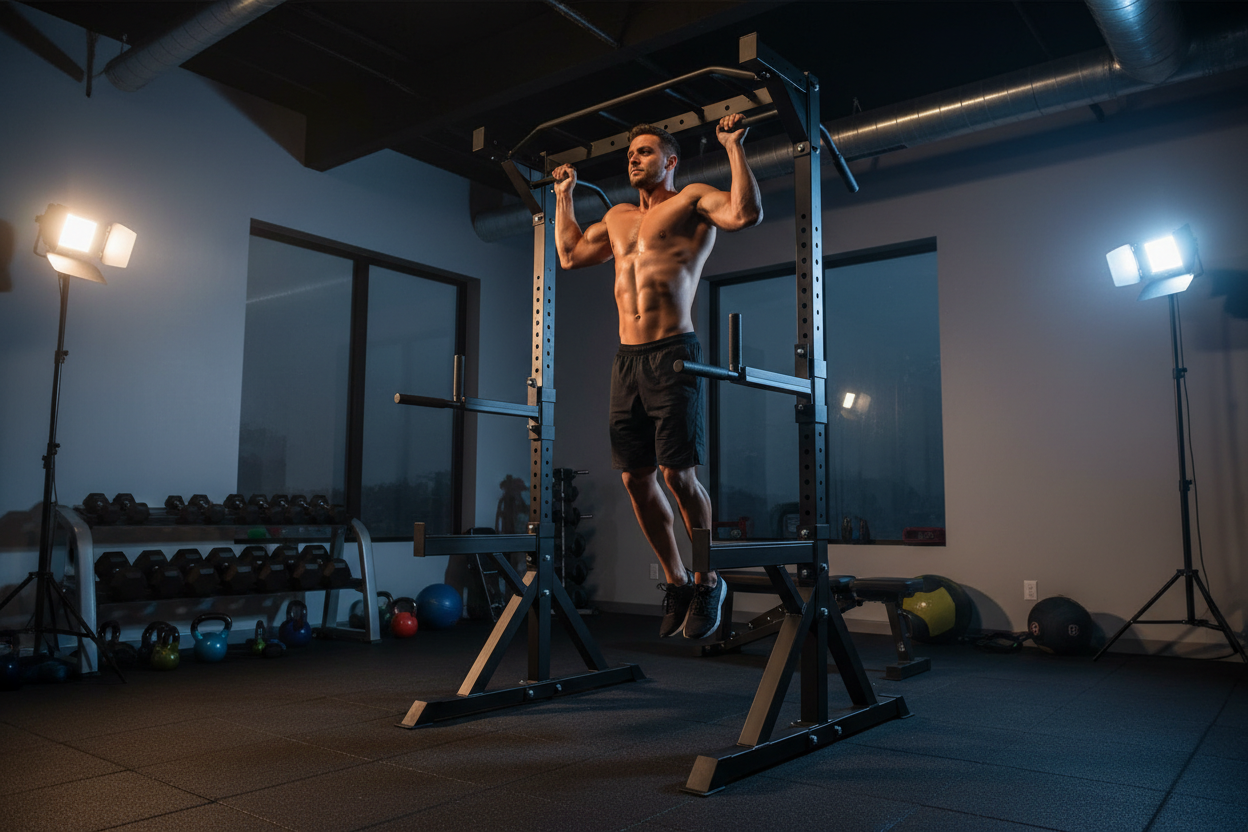
Once you can easily hold a strict plank for 60 seconds, it is time to progress. The most effective flat tummy exercises at home involve adding resistance or instability. Ab wheel rollouts are a top-tier choice for anti-extension, while hanging leg raises (if you have a pull-up bar on your rack) target the lower abdominals intensely. Remember, 15 slow, controlled reps will always outperform 50 sloppy, rushed reps.
From Our Gym: Honest Take
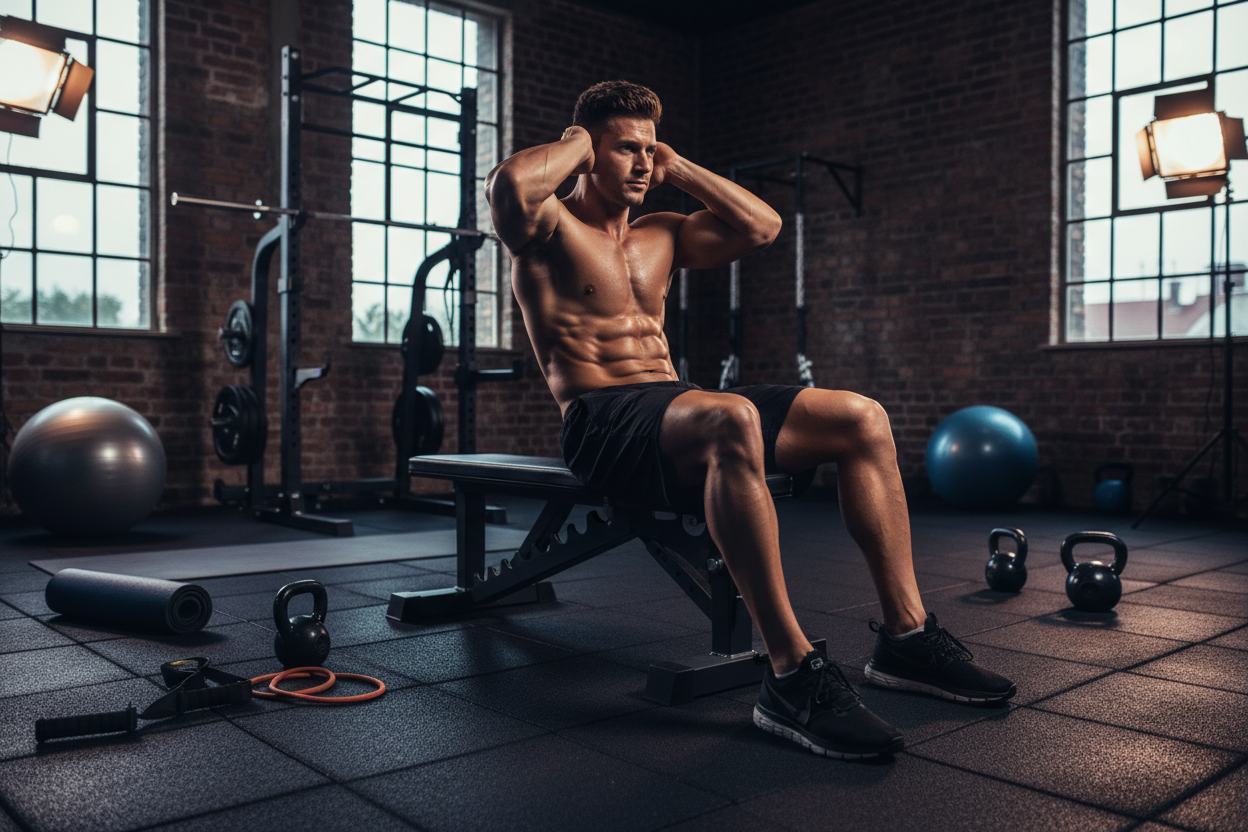
When I first started testing core equipment in my own garage gym, I thought high-rep sit-ups on a decline bench were the ultimate answer. I was completely wrong. The real game-changer for my core stability was an inexpensive ab roller and finally learning proper pelvic positioning. I will admit, my lower back ached a bit during the first week because my transverse abdominis was incredibly weak and I was overextending. Once I swapped out the traditional crunches for slow, controlled rollouts and weighted planks on a thick mat, the difference was night and day. Not only did my midsection tighten up, but the newfound core rigidity made my heavy barbell squats feel significantly more stable.
Frequently Asked Questions
Can I get a flat stomach just by working out at home?
Yes, you can absolutely build the necessary muscle at home. However, revealing a flat stomach is a two-part process: the workout builds and tightens the abdominal wall, while a proper diet and caloric deficit strip away the layer of body fat covering it.
Do I need expensive equipment for core training?
Not at all. While a power rack with a pull-up bar is great for hanging leg raises, the vast majority of core work requires only your body weight and a high-quality exercise mat. Small add-ons like resistance bands or an ab wheel provide excellent value for under $30.
How often should I train my core?
Treat your abdominals like any other muscle group. Training them intensely 2 to 3 times a week allows for adequate stimulus and recovery. Doing core workouts every single day can lead to overtraining and poor posture.