Good Exercises for Home Workout: Closed-Chain Moves
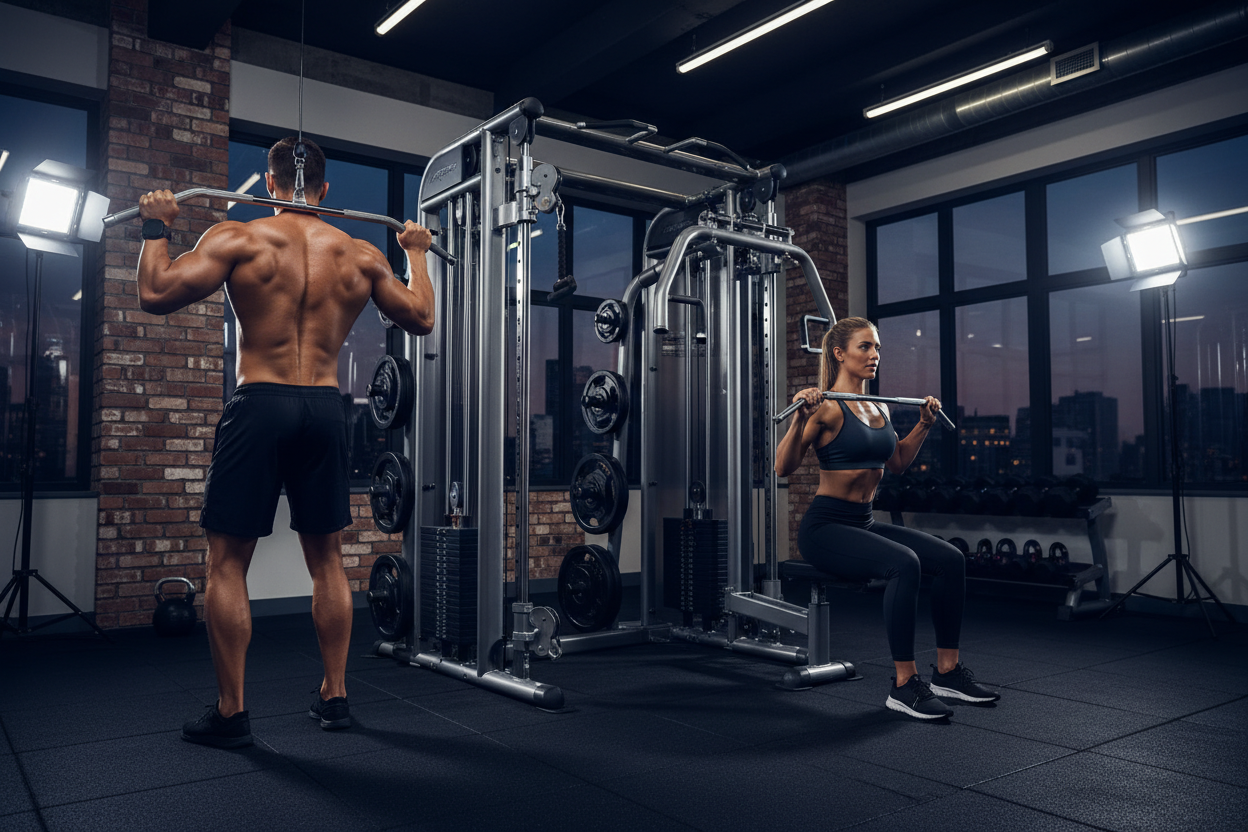
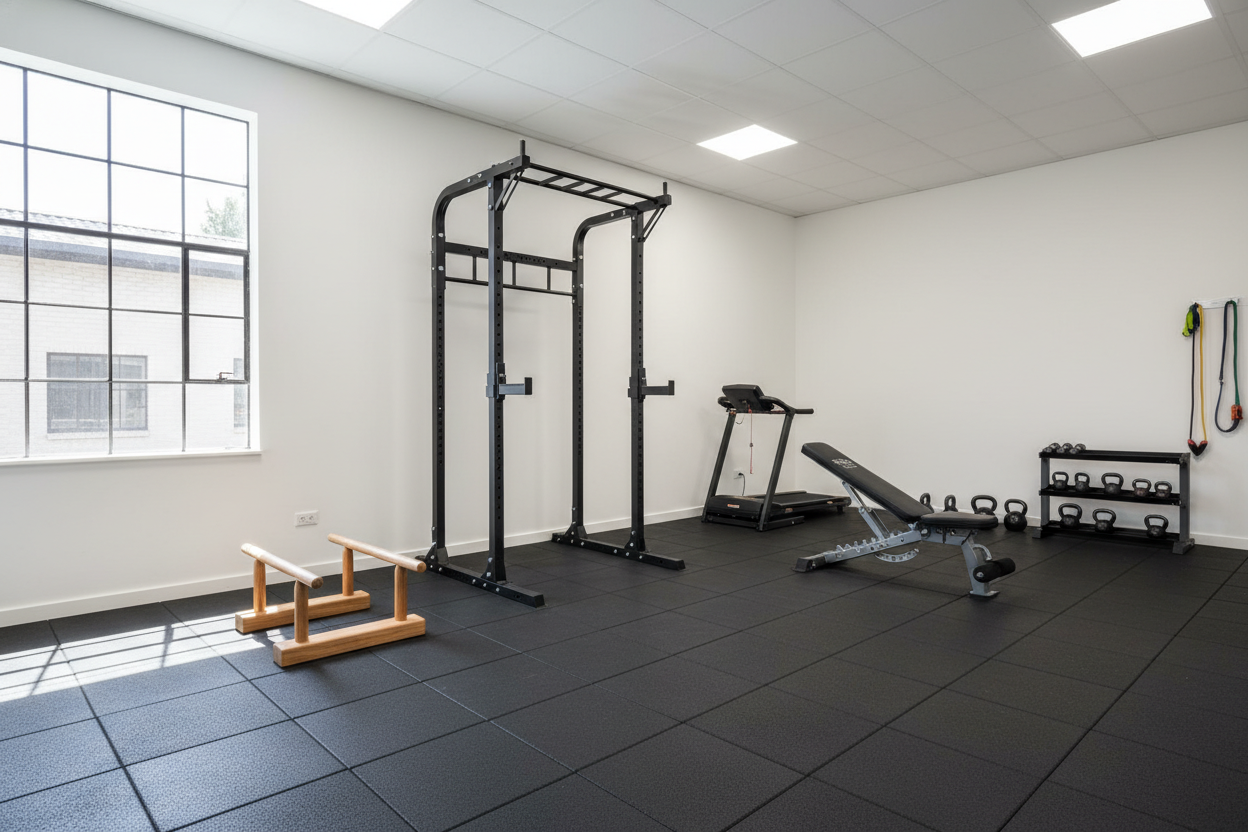
I have watched dozens of clients drop hundreds of dollars on flimsy resistance bands and cheap isolation machines for their living rooms, only to give up three weeks later. When space is tight and you don't have access to a full rack of dumbbells, trying to replicate a commercial gym routine is a recipe for frustration. Instead of trying to curl soup cans, you need to rethink your approach to biomechanics. The secret to finding good exercises for home workout setups isn't buying more gear; it's mastering closed-kinetic chain movements.
As a personal trainer who has tested everything from $2,000 functional trainers to simple suspension straps, I can tell you that the most consistent results come from clients who learn to use the floor. When you anchor your hands and feet, you force your nervous system to work overtime, building real, functional strength.
Quick Takeaways
- Closed-chain exercises anchor your hands or feet to the floor, maximizing full-body tension and stability.
- You can build serious strength without heavy weights by manipulating leverage and gravity.
- A solid, high-traction floor space is the only truly essential piece of equipment you need.
- Joint mobility prep is non-negotiable when your wrists and ankles bear your full body weight.
Rethinking Your Living Room Routine
When clients ask me for good home workout exercises, they usually expect a list of bicep curls or lateral raises using household items. I immediately steer them away from that open-chain isolation mindset. In an open-chain exercise, your hands or feet move freely through space (think leg extensions or dumbbell flyes). While fine for a fully equipped gym, they are terribly inefficient when you are trying to build a home exercise routine with minimal gear.
Closed-chain exercises, on the other hand, keep your extremities fixed to a solid surface—usually the floor. Think push-ups instead of bench presses, or squats instead of leg presses. Because your hands or feet don't move, your body has to move around them. This forces multiple muscle groups to fire simultaneously to stabilize your joints. If you want a good exercise routine at home, prioritizing these anchored movements is the fastest way to trigger muscle growth and neurological adaptations without needing a 5-52.5 lb adjustable dumbbell set.
Why Closed-Kinetic Chain Moves Are Superior
Let's look at the biomechanics of why closed-chain movements should form the foundation of your basic workout at home. When you push your hands or feet into the floor, you create a feedback loop with your central nervous system. This phenomenon, known as proprioception, forces your stabilizing muscles to work overtime.
Take a standard push-up. You aren't just working your chest and triceps. Your core has to brace to prevent your hips from sagging, your quads engage to keep your legs straight, and your serratus anterior activates to stabilize your shoulder blades. You simply don't get this level of full-body tension from an open-chain chest press on a bench.
However, to safely execute these movements, you need a reliable surface. Slipping during a dynamic lunge or a heavy push-up variation is a quick way to tweak a knee or wrist. I always tell my clients that before they buy any weights, they need to establish a dedicated, high-traction foundation. Investing in a large exercise mat for home gym use is necessary to perform closed-chain movements safely. It provides the grip required to generate torque through your hands and feet without sliding across your hardwood floors.
The Best Pushing Movements for Your Floor
If you are looking for home workout ideas to build upper body mass, you have to master floor-based pushing. The standard push-up is the king of any in home exercise routine, but you need to progress it once you can easily hit 15 to 20 reps.
To increase the intensity, manipulate your leverage. Pike push-ups are incredible for targeting the front deltoids and upper chest. By walking your feet closer to your hands and hiking your hips into an inverted 'V' shape, you shift a significantly higher percentage of your body weight onto your shoulders. Aim for 3 to 4 sets of 8 to 12 reps, keeping your elbows tucked at a 45-degree angle to protect the joint.
For triceps isolation without cables, floor triceps presses (often called sphinx push-ups) are brutal but effective. Start in a forearm plank position, press your palms into the floor, and extend your elbows to lift your forearms off the ground. This closed-chain extension directly loads the triceps while demanding intense core stabilization. Incorporating these variations ensures your in home workout routines constantly challenge your muscles with new stimulus.
Lower Body Power: Squats, Lunges, and Bridges
Training legs without a barbell rack intimidates a lot of people, but closed-chain lower body moves are incredibly potent. To structure workouts to do everyday at home for leg strength, focus on keeping your feet rooted to the ground to generate maximum force.
Bulgarian split squats are my go-to recommendation. Elevate your rear foot on a couch or chair, plant your front foot firmly, and drop your back knee toward the floor. This unilateral closed-chain movement exposes left-to-right imbalances and builds serious quad and glute strength. If you want to integrate at home daily workouts that actually build muscle, this movement is mandatory.
Dynamic lateral lunges and skater jumps are also fantastic for building power in the frontal plane (side-to-side movement). Because these require a wider stance and explosive push-offs, a standard narrow yoga mat won't cut it. A 6x8ft exercise mat provides the necessary grip and joint protection for dynamic, wide-stance lower body exercises. You need that extra square footage to step out fully without half your foot landing on a slippery floor. Finish your leg days with single-leg glute bridges, driving your heel through the floor to isolate the hamstrings and glutes.
Core and Spinal Stability on the Ground
Traditional crunches are overrated. If you want a simple daily exercise routine home users can leverage for bulletproof core strength, look to isometric holds and crawling patterns. Planks, hollow body holds, and bear crawls require you to stabilize your spine against gravity while your extremities are anchored.
Animal flow movements, like the beast reach or crab walk, are excellent additions to an everyday workout at home protocol. They force your core to transfer power between your upper and lower body. If you live in a cramped apartment, you don't need massive square footage for this. A 6x4ft yoga mat is an ideal, compact solution for floor-based core and stability work in smaller living spaces. It gives you just enough room to crawl and hold planks comfortably without dominating your entire living room.
Preparing the Joints: Mobility Before Tension
One thing I always stress as a trainer is that closed-chain exercises demand excellent joint mobility. Because your hands and feet are fixed, any lack of range of motion in your ankles or wrists will force the kinetic chain to compensate, often leading to elbow or knee pain. Before you start any home workout regimen, you have to prep the joints.
Spend five to ten minutes doing wrist circles, quadruped rock-backs, and deep goblet squat holds. If you struggle with tight hips from sitting at a desk all day, you absolutely must open them up before attempting dynamic lunges. I highly recommend following a dedicated stretching workout at home to provide yourself with a specific hip mobility sequence to perform before deep squats and lunges. Proper tissue prep ensures you can hit full depth safely and recruit maximum muscle fibers.
Putting It Together: A Good Daily Home Workout Routine
Let's sequence these movements into a good daily home workout routine. I prefer full-body splits for home trainees because they maximize frequency and calorie burn. Here is a sample template for an at home daily exercise routine that hits the entire body.
Start with a 5-minute mobility warmup. Then, move into a superset of Pike Push-ups (3 sets of 8-12) and Bulgarian Split Squats (3 sets of 10 per leg). Follow that with a superset of Floor Triceps Presses (3 sets of 10-15) and Single-Leg Glute Bridges (3 sets of 15 per leg). Finish the session with 3 rounds of 45-second Bear Crawl holds and Hollow Body holds. This good daily workout routine at home takes about 35 minutes, requires zero bulky equipment, and delivers a massive stimulus to your nervous system.
My Experience Testing Home Setups
Over the past five years, I've tested dozens of home configurations. I personally ran a routine using only closed-chain bodyweight moves for eight weeks during a gym closure. I maintained almost all my barbell strength and actually improved my shoulder mobility. The one honest downside? Progression gets tricky. Once you can do 30 push-ups easily, you have to get very creative with tempo (like 5-second negatives) or leverage to keep forcing adaptation, which can be mentally taxing compared to just sliding a pin down a weight stack. But for basic exercises, it's unbeatable.
Frequently Asked Questions
What are good at home workouts for beginners?
Beginners should focus on foundational closed-chain movements: incline push-ups (hands on a sturdy chair), bodyweight box squats, and forearm planks. These exercises to do everyday at home build baseline stability without overloading unconditioned joints.
Can I build muscle with just a home exercise routine?
Absolutely. Muscle growth requires mechanical tension, metabolic stress, and muscle damage. By utilizing difficult closed-chain variations and pushing close to failure (within 1-2 reps), you can easily trigger hypertrophy at home.
How often should I do an everyday workout at home?
While you can do light mobility and core work daily, intense closed-chain resistance training should be done 3 to 4 times a week. Your muscles need 24 to 48 hours to recover and rebuild stronger.