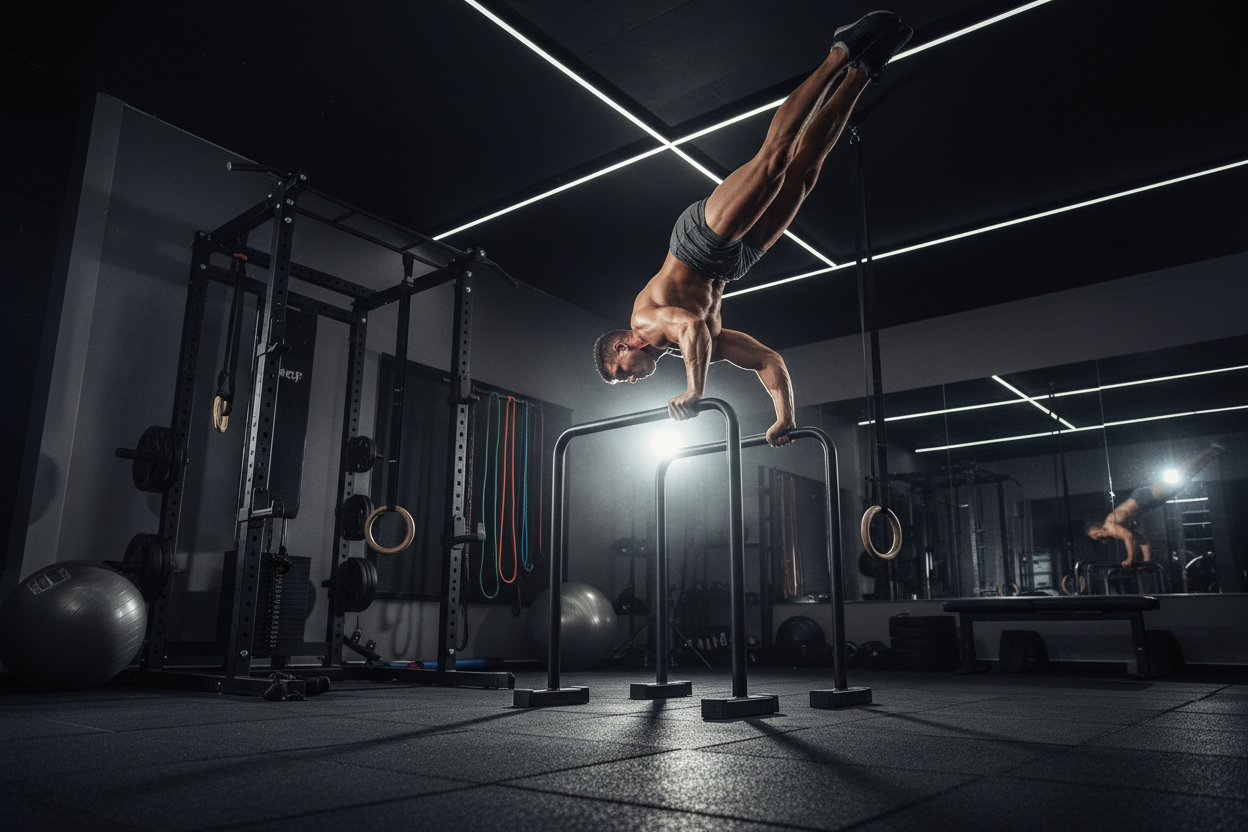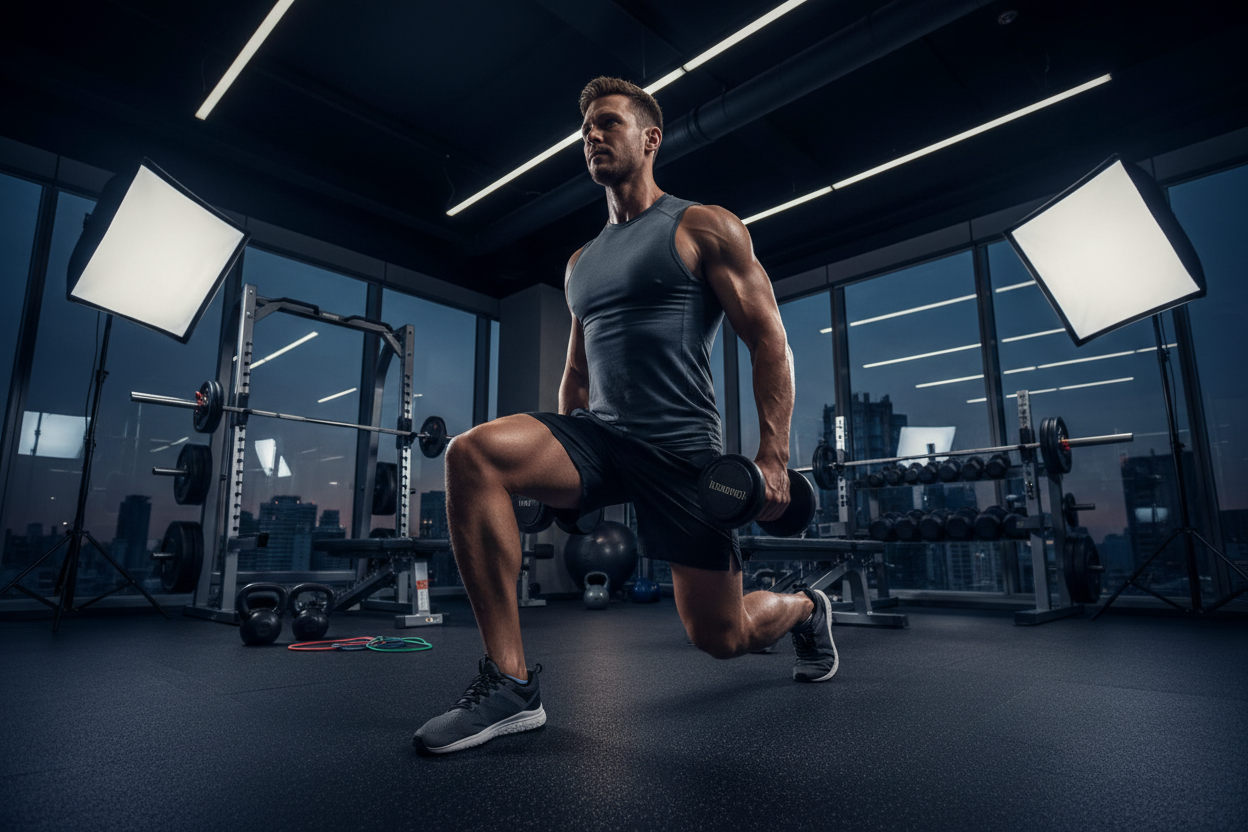
Full Body Weight Workout: The Complete Home Gym Guide
If you are juggling a busy schedule and trying to make the most of a compact garage or basement gym, the traditional five-day body part split often falls apart. You miss a day, the schedule shifts, and suddenly you haven't trained legs in three weeks. This is where a well-programmed full body weight workout becomes the ultimate equalizer for home gym owners.
By hitting every major muscle group in a single session, you maximize your training efficiency and equipment usage. In this guide, we will break down exactly how to structure your routine, what gear actually matters, and how to avoid the common pitfalls of home training.
Key Takeaways
- Compound movements are the foundation of any effective full-body routine.
- You only need 3 to 4 sessions per week to see significant strength and hypertrophy gains.
- A power rack, an Olympic barbell, and a solid set of bumper plates are your highest-ROI equipment investments.
- Proper space planning (ceiling height and barbell clearance) is critical before buying gear.
Building the Perfect Routine
Efficiency is the name of the game when training at home. Instead of isolating small muscles, you need movements that recruit multiple joints and muscle groups simultaneously.
Core Movements to Include
When selecting your full body weights exercises, focus on the big five: squats, deadlifts, horizontal presses, vertical presses, and rows. These compound lifts stimulate the central nervous system and trigger optimal muscle growth. For instance, swapping out a machine leg extension for a front squat engages your core, quads, and upper back all at once.
Balancing Volume and Intensity
Because full body lift exercises are highly taxing, you cannot take every single set to absolute failure. Alternate your heavy days with lighter, hypertrophy-focused days to keep your joints healthy and ensure you are recovering properly between sessions.
Gearing Up Your Space
You do not need a commercial-grade facility to get an elite workout. However, buying the wrong equipment can severely limit your exercise selection and safety.
Maximizing a Garage or Basement Setup
Incorporating full body weighted exercises requires functional space. A standard 7-foot Olympic barbell needs a minimum of 10 feet of side-to-side clearance to load plates comfortably. If you are working with a tight basement corner, consider a functional trainer or high-quality adjustable dumbbells, which offer massive versatility without the footprint of a full power rack.
From Our Gym: Honest Take
When I transitioned to a 3-day full-body split in my own 10x12 garage gym, I quickly realized my old, flimsy half-rack was not cutting it for heavy squats. I upgraded to a 6-post power rack with a dedicated lat pulldown attachment. The knurling on my new power bar held solid through heavy deadlift sets—even in the humid summer months with sweaty, chalked hands.
However, I learned a hard lesson about vertical space. At 6'2, I needed at least 90 inches of ceiling clearance for standing overhead presses. I only had 84 inches, meaning I now have to do all my overhead work seated. It is a minor annoyance, but something most product pages conveniently leave out. Always measure twice before ordering tall equipment.
Frequently Asked Questions
Is a full body weight workout good for beginners?
Absolutely. It is arguably the best approach for beginners because it allows you to practice the foundational movement patterns multiple times a week, accelerating neuromuscular adaptation and strength gains.
How much space do I need for a basic barbell setup?
For a power rack, barbell, and bench, you should aim for a minimum footprint of 10 feet by 10 feet. This gives you enough room to load plates on the barbell and step back safely without hitting a wall.
Can I build muscle training only 3 days a week?
Yes. Muscle growth comes down to progressive overload and adequate recovery. A 3-day full-body routine provides the perfect balance of stimulus and rest, allowing your muscles to repair and grow on your off days.