Fitness Machines for Sale: How to Spot Real Value vs Hype
Building out a home gym is exciting, but let's be honest—it can also be incredibly overwhelming. You start out looking for a simple way to stay in shape, and suddenly you have twenty browser tabs open, comparing specs on everything from treadmills to functional trainers while worrying about your budget and whether your floorboards can handle the weight.
If you are currently browsing fitness machines for sale, you already know the market is flooded with options ranging from flimsy infomercial gadgets to massive commercial rigs. This guide will help you cut through the marketing fluff, assess your actual needs, and make an investment that will survive years of heavy North American garage gym use.
Key Takeaways
- Measure twice, buy once: Always account for operational clearance, not just the static footprint of the machine.
- Check the steel gauge: Look for 11-gauge or 12-gauge steel for long-term durability in strength equipment.
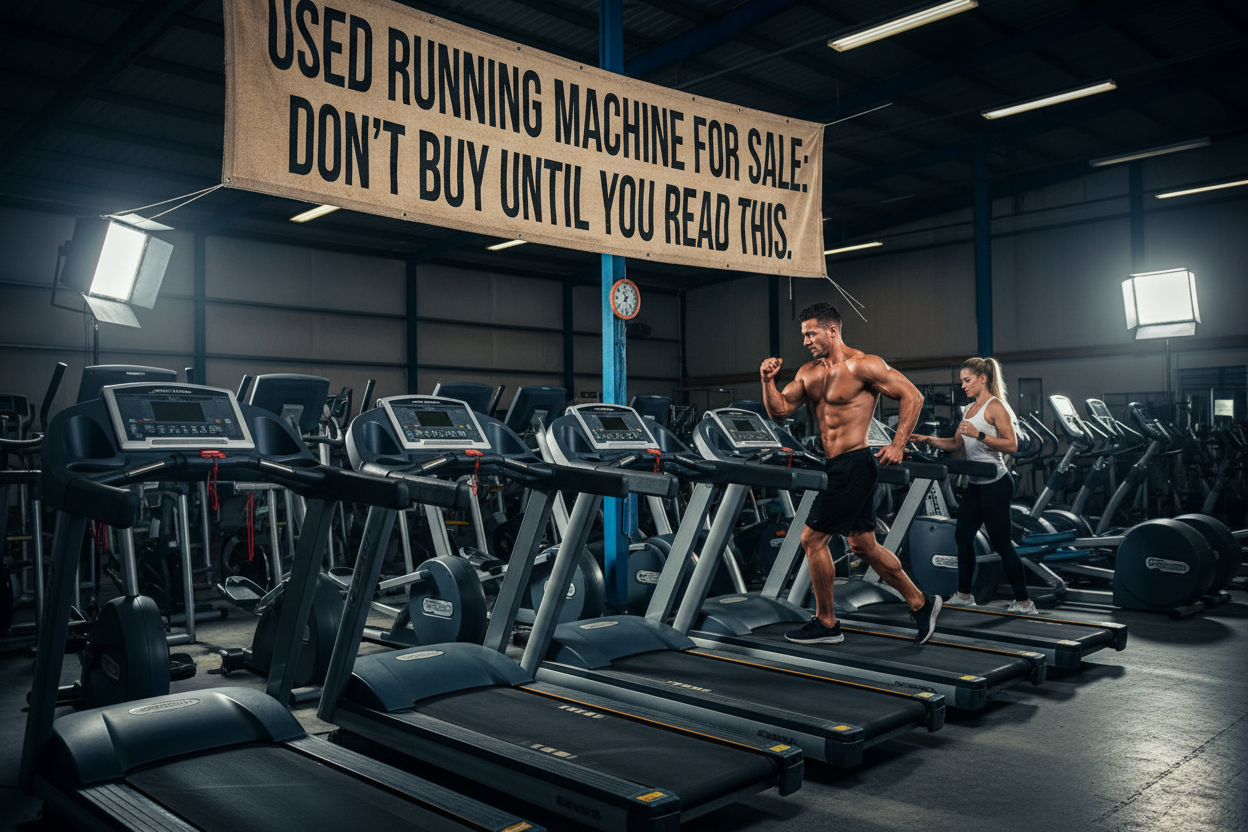
- Beware of too-good-to-be-true deals: Heavily discounted sales gym equipment often compromises on motor quality or cable friction.
- Match the machine to your routine: Do not buy a cardio machine if you hate cardio just because it is on sale. Buy what you will actually use.
Decoding the Market: Specs That Actually Matter
Footprint and Vertical Clearances
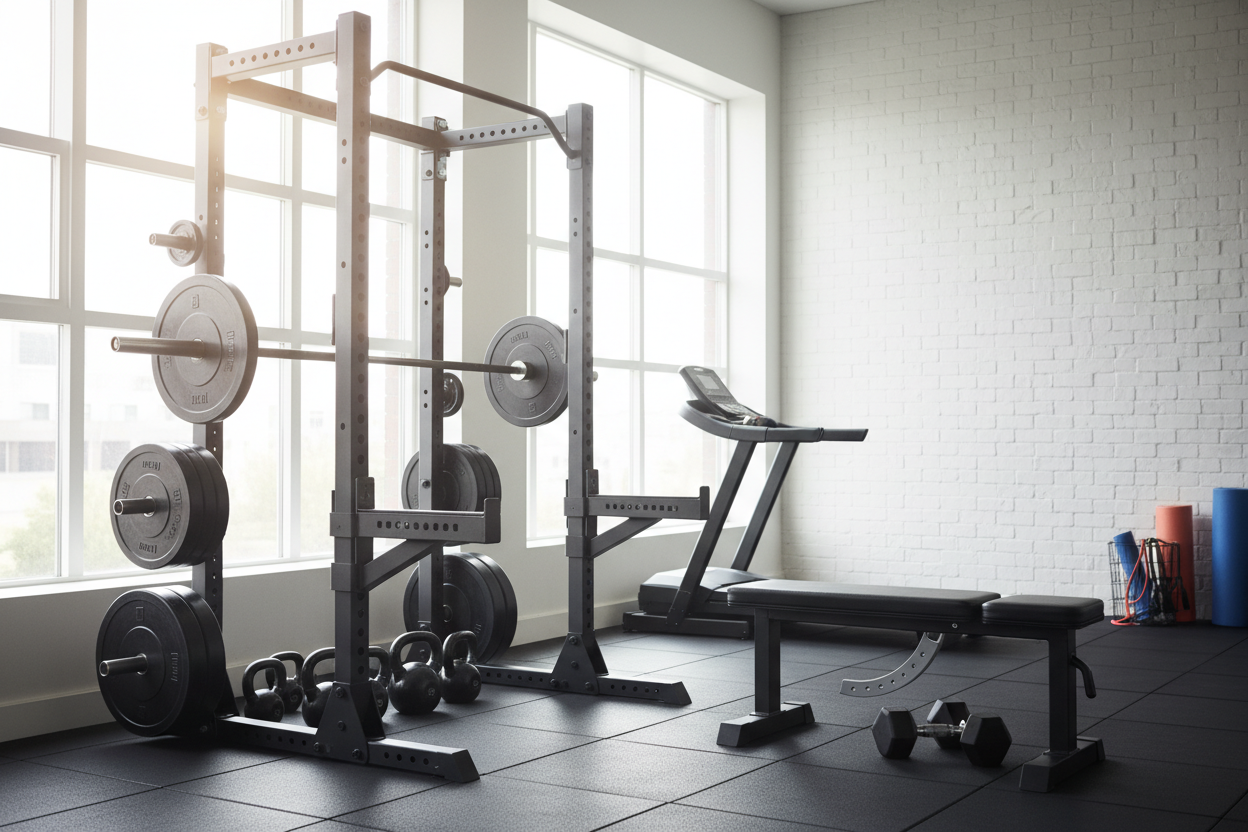
One of the biggest mistakes home gym owners make is ignoring the 'active footprint' of a machine. A power rack might only be 48 inches deep, but you need room to load plates, step back, and comfortably bail a squat. Similarly, if you are putting a treadmill in a basement with an 8-foot ceiling, you need to factor in the deck height plus your own height to ensure you won't bump your head during an incline run. Always add at least 24 inches of clearance around moving parts.
Build Quality and Warranties
When evaluating gym equipment sales, look past the shiny powder coat. For strength machines, check the pulley ratios and cable materials. Nylon-coated aircraft cables with aluminum pulleys offer the smoothest pull. For cardio equipment, continuous duty horsepower (CHP) is the metric to watch on treadmill motors—anything under 2.5 CHP will struggle with daily running.
Navigating the Deals: How to Shop Smart
Timing Your Investment
Patience pays off when building your home gym. The best times to find genuine discounts are typically Black Friday, New Year's (when resolution traffic is high), and late spring when retailers clear out older models. However, do not let a flashy discount dictate your programming. It is better to pay full price for a piece of equipment you will use daily than half price for a coat rack.
Avoiding Cheap Sales Gym Equipment Traps
There is a massive difference between a high-quality machine on clearance and a machine built cheaply just to be sold at a 'discount.' Cheap sales gym equipment often features plastic internal components, wobbly 14-gauge steel frames, and warranties that expire after 90 days. A lifetime frame warranty and at least a 5-year parts warranty are the gold standards to look for when shopping online.
From Our Gym: Honest Take
Over the years, we have tested dozens of setups in our own facility. A few years ago, I jumped on a deal for a compact functional trainer because it fit perfectly into a tight corner of my garage. On paper, it was a steal.
The reality? The 2:1 cable ratio felt incredibly jerky because the manufacturer used cheap plastic pulleys instead of aluminum. Furthermore, the weight stacks topped out at 150 lbs, which I outgrew for lat pulldowns within six months. It taught me a valuable lesson: prioritizing a low price tag over smooth mechanics and upgradeability is a mistake. I ended up selling it at a loss and upgrading to a commercial-grade unit with a 200 lb stack and a 1:1 ratio option. It hurt the wallet initially, but my chalked grip holds solid, the cables glide silently, and I use it every single day without frustration.
Frequently Asked Questions
Are multi-station fitness machines worth the investment?
Yes, provided they are built well. Multi-station machines, like all-in-one functional trainers, save massive amounts of floor space and offer incredible versatility. Just ensure the weight stacks are heavy enough for your long-term goals.
How much space do I actually need for a home gym?
A standard one-car garage (roughly 12x20 feet) is plenty of room for a power rack, a cardio machine, and some free weights. If you are working with a spare bedroom (10x10 feet), you will need to prioritize compact or foldable equipment.
What is the difference between residential and commercial ratings?
Commercial-grade machines are built to withstand 8 to 12 hours of continuous daily use in a public facility. While overkill for most, light-commercial or high-end residential machines offer the perfect sweet spot of durability and price for the dedicated home athlete.