Fitness Exercise Workout: The Complete Home Training Guide
Are you tired of staring at the same dusty dumbbells in your basement, wondering why your home routine has hit a wall? You aren't alone. Building a sustainable, results-driven fitness exercise workout in a home gym setting requires more than just buying random gear—it requires a strategic approach to space, equipment, and programming. Whether you are dealing with a cramped apartment corner or outfitting a two-car garage, this guide will help you optimize your setup and break through those stubborn plateaus.
Key Takeaways
- Prioritize versatile, multi-use equipment over single-station machines to save both space and money.
- Measure your ceiling height and floor clearance before buying any overhead racks or cardio gear.
- A well-rounded routine should integrate strength, hypertrophy, and conditioning for maximum results.
- Proper equipment maintenance extends the lifespan of your investment by years.
Building Your Home Gym Foundation
Space Planning and Clearance
Before you buy anything, map out your floor plan. A standard power rack requires at least an 8-by-8-foot footprint when you factor in barbell clearance and plate loading. If you are setting up in a basement, pay strict attention to ceiling height. You need a minimum of 90 inches to safely perform standing overhead presses or pull-ups without putting your head through the drywall.
Value and Budgeting
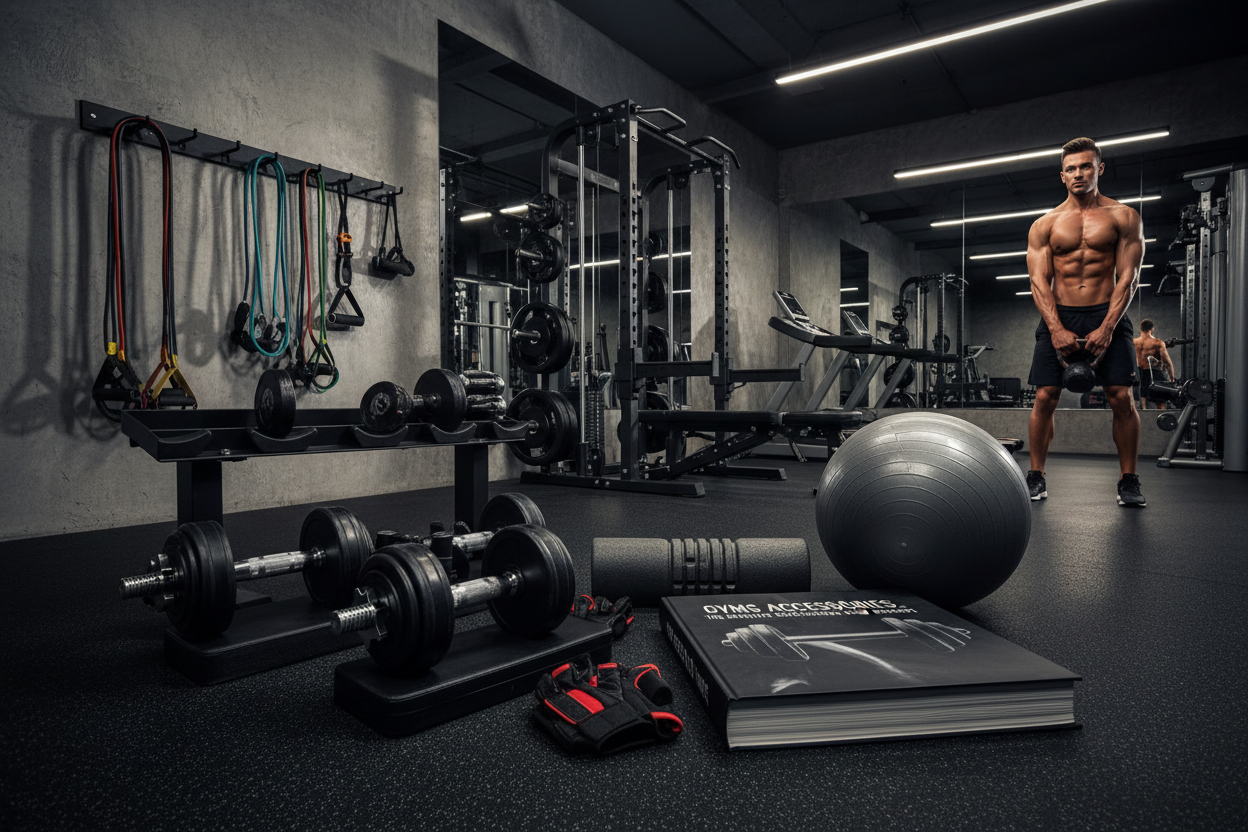
Don't blow your entire budget on a commercial treadmill right out of the gate. Invest heavily in the items that touch your hands and back: a high-quality barbell with good knurling, a sturdy adjustable bench, and reliable weight plates. These foundational pieces deliver the highest return on investment and form the core of nearly every effective training program.
Structuring Your Routine
Programming for Progression
A successful routine isn't just about sweating; it's about progressive overload. Your equipment needs to allow for incremental weight jumps. Micro-plates (1.25 to 2.5 lbs) are a home gym owner's best friend, allowing you to push past plateaus on strict lifts like the bench press and overhead press without sacrificing form.
Accessibility and Flow
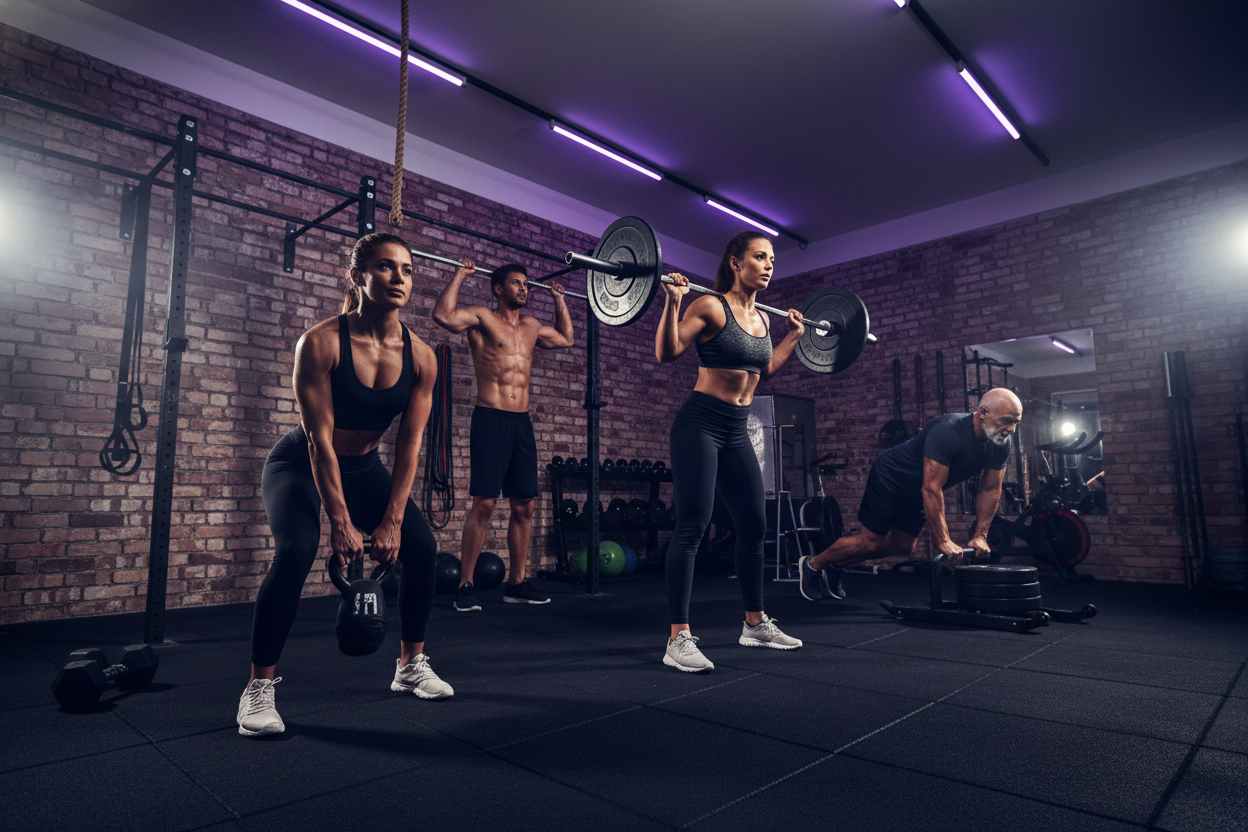
Your setup should seamlessly accommodate all exercise styles, from heavy compound lifts to dynamic HIIT circuits. Creating a dedicated, open floor space ensures you have an area optimized for mobility work, kettlebell swings, and exercise for all fitness levels in your household. Flow matters—if you have to move a heavy bench every time you want to deadlift, you are going to skip deadlifts.
From Our Gym: Honest Take
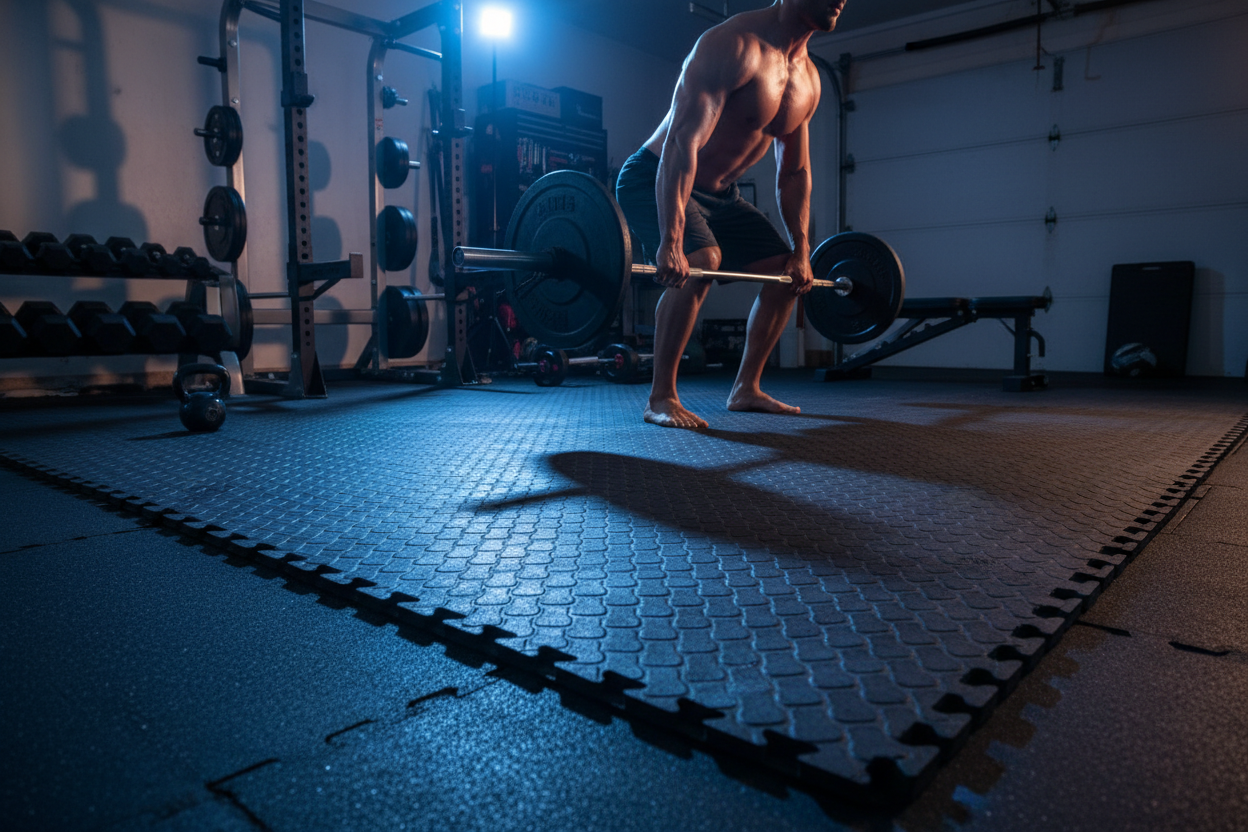
Over the last three years of testing gear in my uninsulated, 400-square-foot garage gym, I've learned that versatility is everything. When I first designed my ultimate routine, I bought a dedicated lat pulldown machine. Big mistake. It ate up 15 square feet of precious floor space and only served one function. I eventually swapped it for a rack-mounted cable pulley system. While the rack attachment has a slight cable drag—a minor annoyance during lightweight triceps pushdowns—it freed up enough room for a dedicated stretching and kettlebell zone. If you have limited space, always opt for modular rack attachments over standalone machines.
Frequently Asked Questions
How much space do I really need for a complete setup?
You can build a highly effective setup in as little as 50 square feet using high-quality adjustable dumbbells and a foldable bench. For a full power rack and barbell setup, aim for a minimum of 100 square feet to allow for safe plate loading and movement.
Is premium equipment actually worth the investment?
Yes, specifically for moving parts and load-bearing gear. Cheap barbells can permanently bend or feature harsh, poorly machined knurling, while budget benches pose a severe safety risk under heavy loads. Save money on cast iron weight plates, but invest in your barbell and bench.
How do I keep my equipment from rusting in a garage?
Regular maintenance is key. Wipe down your bars with a nylon brush and microfiber cloth after every session to remove sweat and dead skin. Apply a light coat of 3-in-1 oil to bare steel or black zinc finishes once a month to create a protective barrier against humidity.