Fitness Equipment for Home: The Definitive Buyer’s Guide
You don't need a warehouse or a five-figure budget to build a physique that commands respect. The biggest lie in the industry is that you need a commercial-grade machine for every single body part. The reality? Most people overcomplicate their setup, buying complex contraptions that eventually become expensive laundry racks.
Building a sanctuary for gains requires strategy, not just a credit card. Whether you are looking for a complete fitness equipment for home setup or just a few essentials to get moving, the goal is efficiency. Let’s cut through the marketing noise and look at what you actually need to train effectively within your four walls.
Key Takeaways: Building Your Home Setup
- Space Dictates Strategy: Measure your floor area and ceiling height before looking at any gym home system. Vertical space is often overlooked but crucial for overhead presses and pull-up towers.
- Versatility is King: Prioritize home fitness exercise equipment that allows for multiple movement patterns (e.g., adjustable dumbbells over fixed sets).
- Stability Over Features: When selecting stationary gym equipment, a heavy, stable frame is safer and more effective than a lightweight machine with fifty fancy attachments.
- The "Buy Nice or Buy Twice" Rule: Cheap home gym training equipment often lacks durability and safety certifications. Mid-range gear usually offers the best ROI.
The Foundation: Strength Training Essentials
If you want to change how your body looks and performs, resistance training is non-negotiable. However, you do not need to replicate a commercial gym.
Free Weights vs. Machines
For most home environments, free weights reign supreme. They require more stabilization, recruiting more muscle fibers. A pair of adjustable dumbbells is often the first piece of personal fitness equipment I recommend. They save space and replace an entire rack of iron.
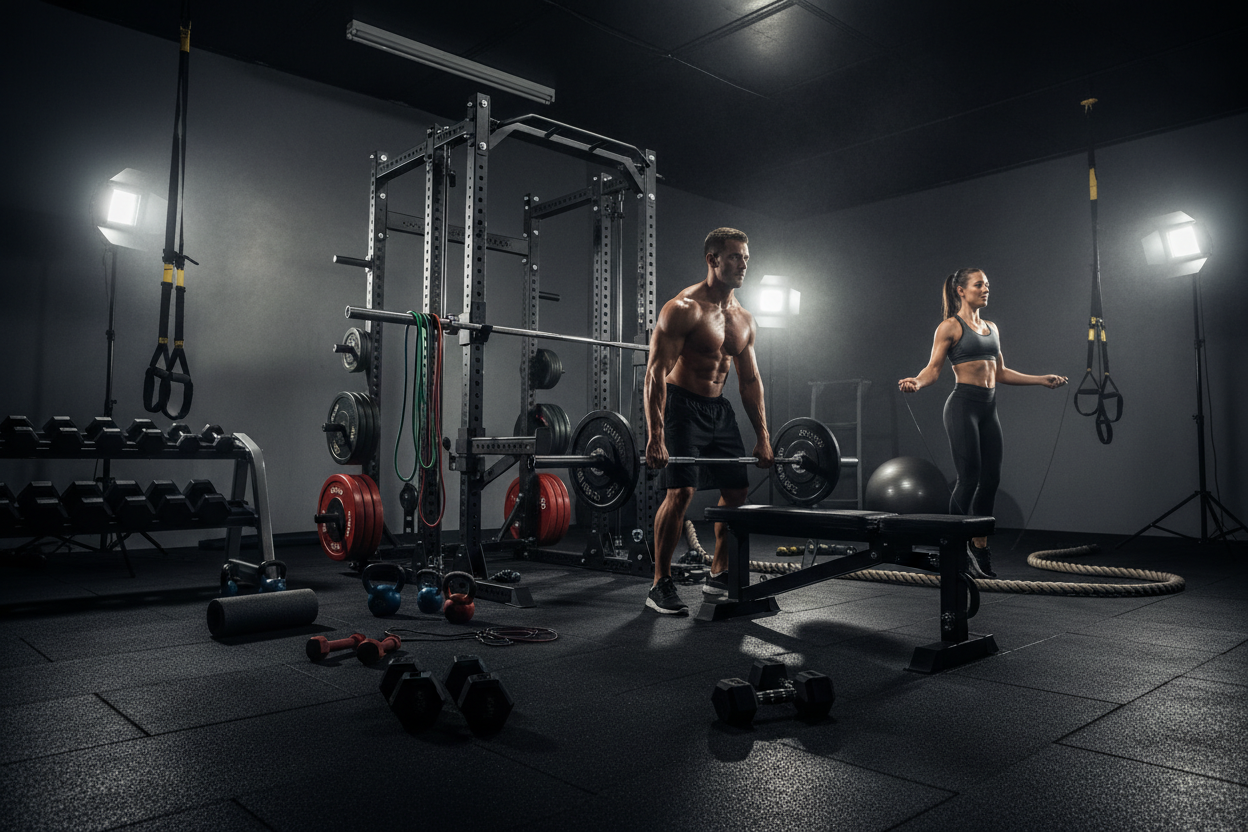
If you have the square footage, a power rack is the centerpiece of serious home and fitness integration. It allows you to squat and bench press safely without a spotter. Look for a rack with hole spacing that accommodates your bench height—Westside spacing (1-inch intervals) is the gold standard for benching.
The All-in-One Solution
For those tight on space, a gym home system (often cable-based) can work wonders. These units allow for constant tension on the muscles, which is great for hypertrophy (muscle growth). However, be wary of the newest gym equipment that promises effortless results. If it looks like a gadget from a sci-fi movie, it probably won't survive a year of hard training.
Conditioning and Mobility: The Engine Room
You can't ignore the heart. But treadmills take up a massive footprint. If you are looking for fitness accessories for home that burn calories without eating up floor space, consider kettlebells or a jump rope. These are arguably the most underrated home fitness tool options available.
For those who need a machine, the new home fitness equipment hitting the market focuses on foldability and connectivity. Rowers and air bikes are excellent because they offer zero-impact conditioning, saving your joints for heavy lifting days.
Smart Tech and Recovery
The line between fitnesshome tech and traditional iron is blurring. Smart mirrors and connected bikes bring the energy of a studio class to your living room. While not essential for everyone, this in home fitness equipment is invaluable for people who need external motivation to stay consistent.
Don't forget recovery. A simple foam roller or a percussion massage gun falls under sport equipment home essentials. If you can't recover, you can't train.
Sourcing Your Gear: Where to Look
Knowing where to buy home workout equipment is half the battle. While big-box retailers are convenient, a dedicated home fitness store will often carry higher-quality brands that use better steel gauges.
When browsing a training home equipment catalog, check the weight capacity. A bench rated for 300 lbs might sound like a lot, but if you weigh 200 lbs and are pressing 100 lbs, you are already at the limit. Always aim for a safety buffer.
My Personal Experience with Fitness Equipment for Home
I want to be real with you for a second. Years ago, I tried to save a few bucks by buying a cheap, generic adjustable bench from a random online marketplace. In the photos, it looked sleek. In reality, it was a disaster.
I remember setting up for a heavy dumbbell press. The moment I laid back, I felt the frame twist underneath me. There was this terrifying "creak" that you never want to hear when holding heavy iron over your face. The padding was so thin I could feel the bolt heads digging into my scapula, throwing off my stability. It didn't just ruin the set; it ruined my confidence for the whole workout.
Contrast that with the rack I use now. It’s beat up, scratched, and simple, but when I rack the bar, it lands with a solid, dull thud—no rattling, no swaying. The knurling on my current barbell is aggressive; it shreds my calluses if I don't sand them down, but I never worry about my grip slipping. That’s the difference quality gear makes. It disappears during the workout so you can focus on the pain of the effort, not the fear of the equipment failing.
Conclusion
Building a home gym is an investment in your longevity. Whether you are hunting for fitness equipment home gyms or just a yoga mat, the principles remain the same: buy quality, prioritize function over flash, and ensure it fits your space. Start small, master the basics, and expand your arsenal as you get stronger.
Frequently Asked Questions
What is the absolute minimum equipment needed for a home workout?
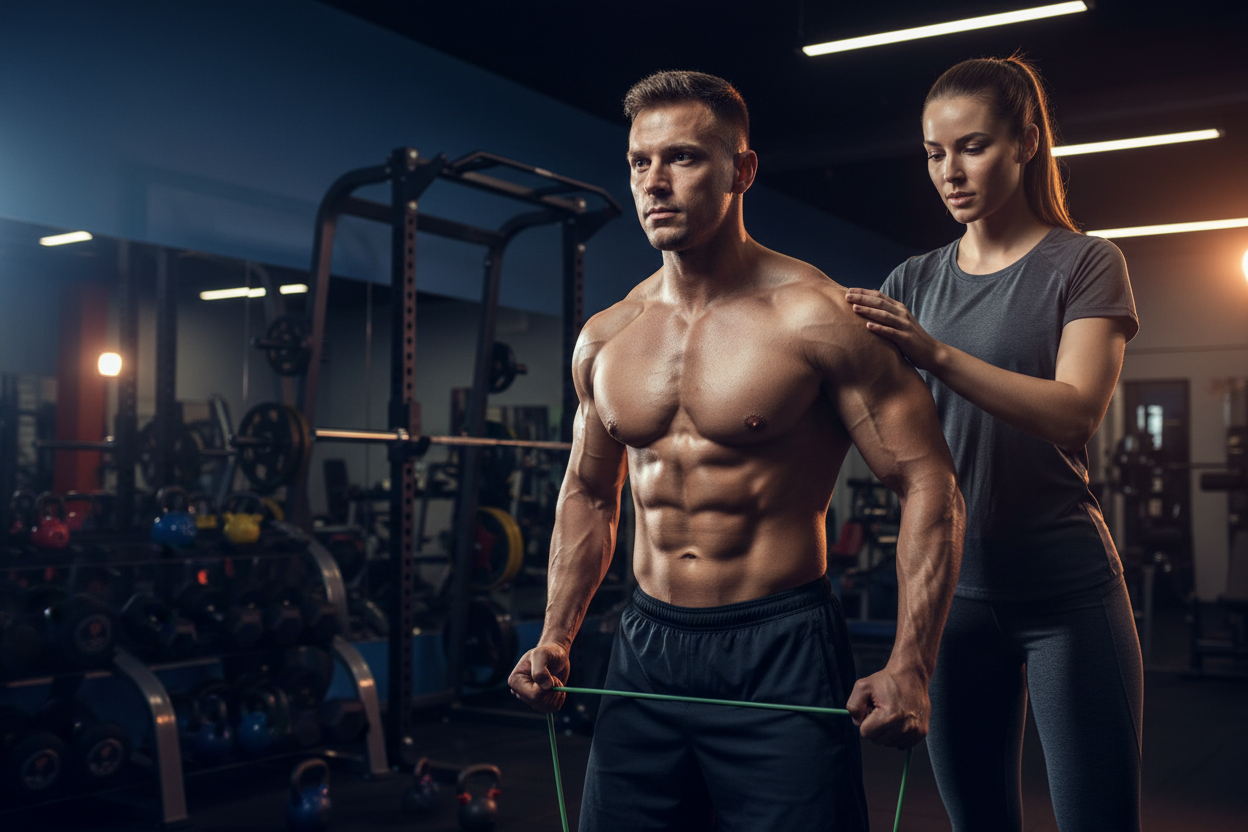
At a minimum, you need a set of adjustable dumbbells and a stable surface (like a bench or sturdy chair). With these two items, you can perform hundreds of exercises covering every muscle group. Adding resistance bands can further expand your options for very little cost.
Is a multi-gym system better than free weights?
Not necessarily. A gym home system is safer for beginners and great for isolation exercises, but free weights (barbells/dumbbells) are superior for building overall strength, coordination, and stabilizer muscles. The best choice depends on your experience level and goals.
How much space do I need for a home gym?
For a basic setup with dumbbells and a bench, a 6x6 foot area is sufficient. If you plan to install a full power rack and barbell, aim for at least a 10x10 foot space to allow for plate loading and safe movement around the bar.