Fitness 19 Equipment: What to Expect Before You Sign Up
We have all seen the low monthly price tag attached to this gym chain. It is tempting, but for serious trainees, the price is secondary to the tools available. You need to know if the fitness 19 equipment can actually support your progression, or if you are going to be stuck waiting for a single squat rack while your pre-workout wears off.
This isn't a glossy brochure. This is a look at what you will actually find on the gym floor, from the cardio deck to the dumbbell rack, so you can decide if this facility aligns with your training program.
Key Takeaways: What's Inside the Gym?
If you are in a rush, here is the breakdown of what most locations offer:
- Cardio Density: High volume of treadmills and ellipticals (usually Life Fitness or Precor) means rarely waiting for a warm-up station.
- Strength Machines: A solid selection of selectorized fitness 19 machines for isolation work, often arranged in a circuit.
- Free Weights: Functional but limited. Expect dumbbells up to 75-100 lbs and 1-2 squat racks per location.
- Plate Loaded Gear: Many locations feature Hammer Strength equipment, which is a massive plus for bodybuilding style training.
The Cardio Deck: Quantity Over Technology
The first thing you will notice is the sheer volume of cardio equipment. Fitness 19 focuses heavily on the general population demographic, which means 60% of the floor space is usually dedicated to treadmills, ellipticals, and stationary bikes.
Don't expect the latest Peloton-style screens or app integration at every location. The equipment is generally commercial-grade workhorses like Life Fitness or Matrix. They are durable and smooth, but you might be looking at a basic LED dot-matrix display rather than a high-def touchscreen. Bring your own headphones and phone; the built-in entertainment systems are often hit-or-miss.
The Free Weight Area: The Litmus Test
This is where the gym makes or breaks it for most lifters. The free weight section in Fitness 19 is usually compact. Unlike a massive warehouse gym, space is at a premium.
Dumbbells and Benches
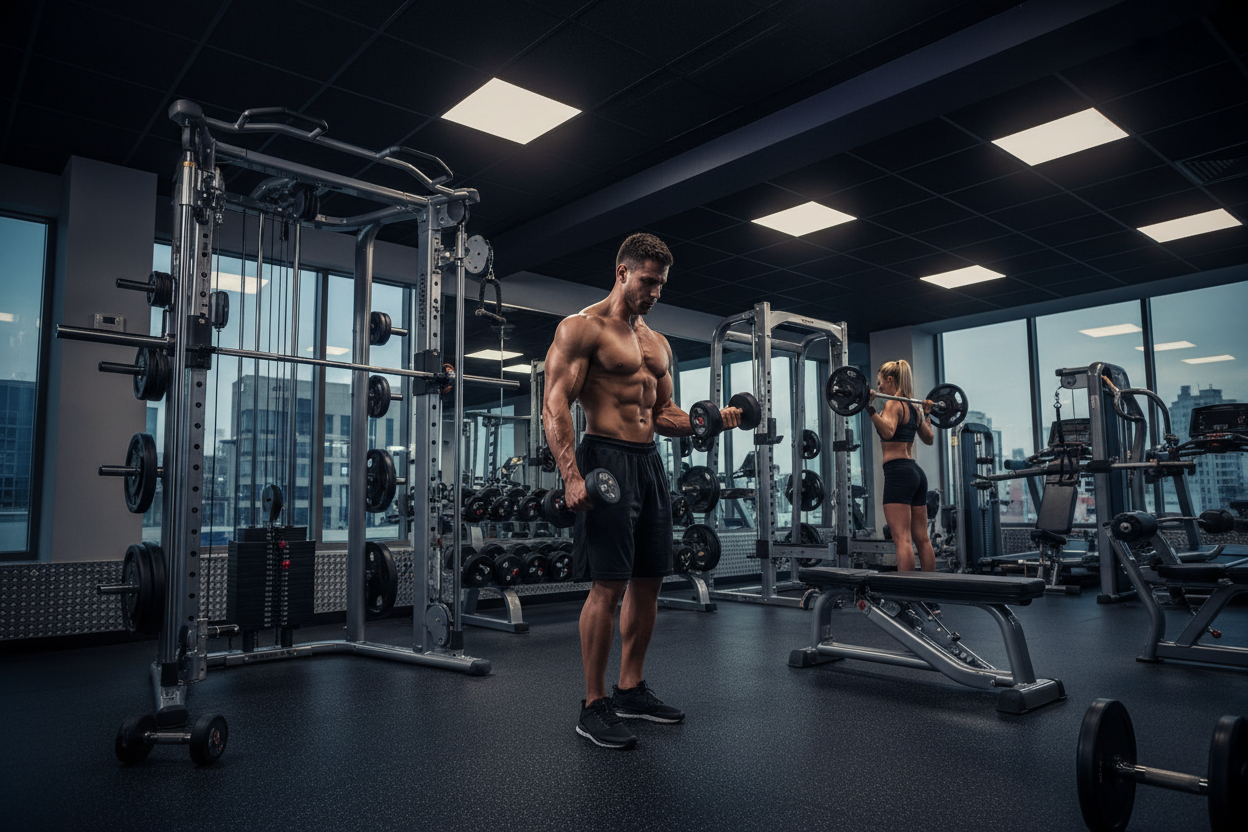
You will typically find a standard rack of dumbbells running from 5 lbs up to 100 lbs (sometimes capping at 75 lbs in smaller locations). The benches are standard commercial grade, though you might find fewer adjustable incline benches than you'd like during peak hours (5 PM - 7 PM).
Squat Racks and Smith Machines
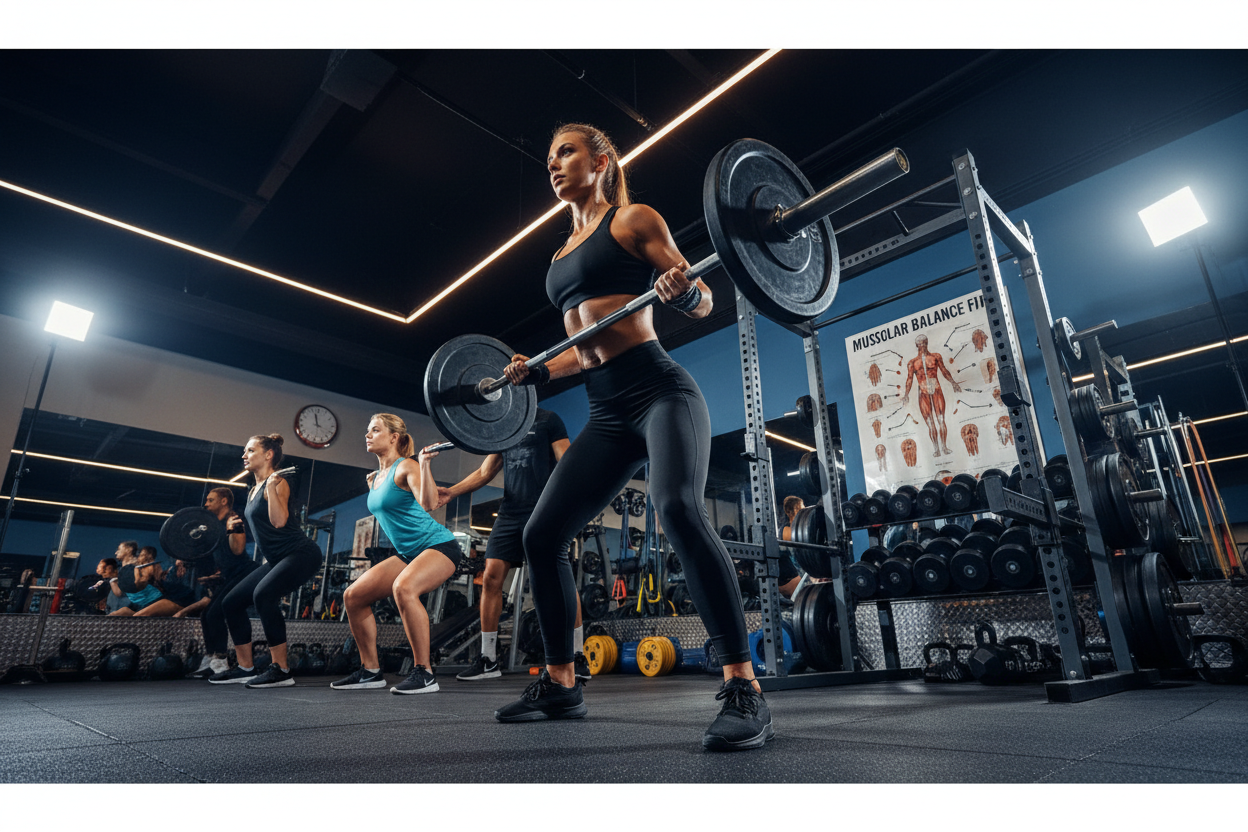
Most locations I have visited operate with a "one of everything" mentality regarding heavy compound movements. You will likely find one power rack (or squat stand) and one Smith machine. If your program relies heavily on barbell squats, deadlifts, or overhead presses, you need to be strategic about when you train. If you go at 6 PM on a Monday, you aren't getting that rack.
Selectorized and Plate-Loaded Machines
Here is where the gym actually shines relative to its cost. The fitness 19 machines are usually well-maintained and plentiful. They cater to bodybuilders and general fitness enthusiasts who want to train to failure safely without a spotter.
Many locations stock Hammer Strength plate-loaded equipment. This is a big deal. Hammer Strength machines move in natural arcs that mimic human biomechanics better than almost any other brand. If you can find a location with the ISO-Lateral Row or the Incline Chest Press, you can get a high-level hypertrophy workout in without touching a barbell.
My Training Log: Real Talk with Fitness 19 Equipment
I trained at a Fitness 19 in California for about six months while traveling, and I want to share a specific detail about the experience that specs don't tell you.
It was the knurling on the barbells. Because these gyms cater to a general audience, the bars aren't the aggressive, shark-tooth aggressive steel you find in a powerlifting gym. The knurling on the Olympic bar in the squat rack was worn down to almost smooth chrome in the center.
When I was deadlifting anything over 315 lbs, grip became the limiting factor way before my back strength did because the bar was just slippery. I had to rely heavily on straps even for warm-up sets. Also, the plates were the "steering wheel" style iron plates with the grip holes. They are great for loading, but if you are doing deadlifts, be warned: they are slightly smaller in diameter than standard competition bumper plates, meaning you are pulling from a slight deficit (about half an inch lower). It changes the mechanics just enough to be annoying if you are a stickler for form.
Conclusion
Fitness 19 is not a luxury club, nor is it a hardcore dungeon. It is a functional, budget-friendly space that gets the job done. If you are a bodybuilder or general fitness enthusiast, the equipment is more than adequate. If you are a competitive powerlifter, the lack of multiple racks and specialized bars will likely frustrate you. Assess your goals, check the peak hours, and you can absolutely build a great physique here.
Frequently Asked Questions
Does Fitness 19 have deadlift platforms?
Generally, no. Most Fitness 19 locations do not have dedicated wooden deadlift platforms or bumper plates. You will typically be deadlifting on rubber gym flooring using iron plates, so dropping the weight is discouraged.
What brands of equipment does Fitness 19 use?
You will most commonly find a mix of Life Fitness, Precor, and Matrix for cardio. For strength training, they rely heavily on Hammer Strength (plate-loaded) and Life Fitness (selectorized) machines.
Are the machines suitable for beginners?
Yes, the fitness 19 machines are very beginner-friendly. Most are pin-loaded (selectorized) with clear instructional placards showing the target muscle groups and proper movement patterns.