Finding the Optimal Rest Days Between Chest Workouts
One of the most common questions in strength training is how many days you should rest between chest workouts. Your chest muscles, like any other muscle group, need adequate recovery time to grow stronger and avoid injury. The perfect balance between workout frequency and rest can make a significant difference in your progress, whether your goal is size, strength, or endurance.
Understanding Muscle Recovery
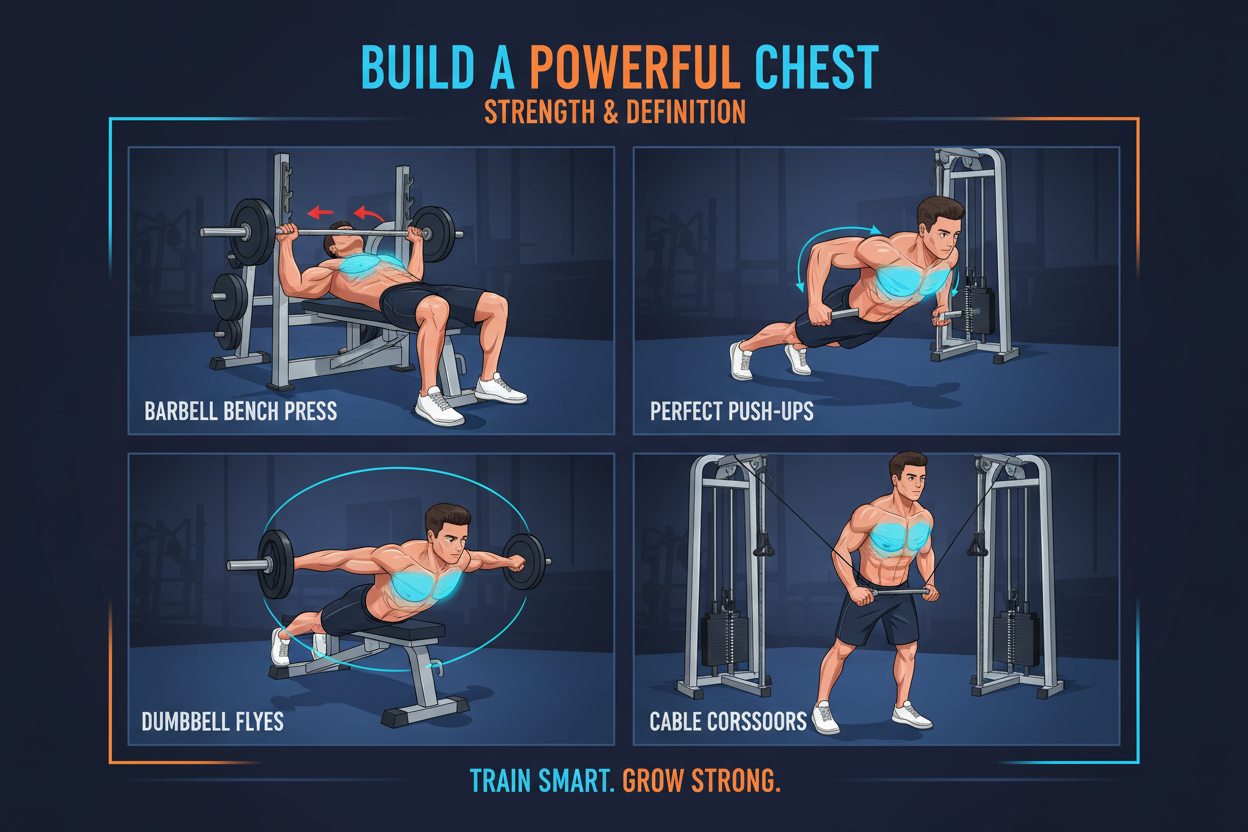
When you perform a chest workout involving exercises like bench press, push-ups, and dumbbell flyes, you create small tears in the muscle fibers. Recovery is the process your body uses to repair these fibers, making them stronger and more resilient. However, this process requires time, proper nutrition, hydration, and sleep.
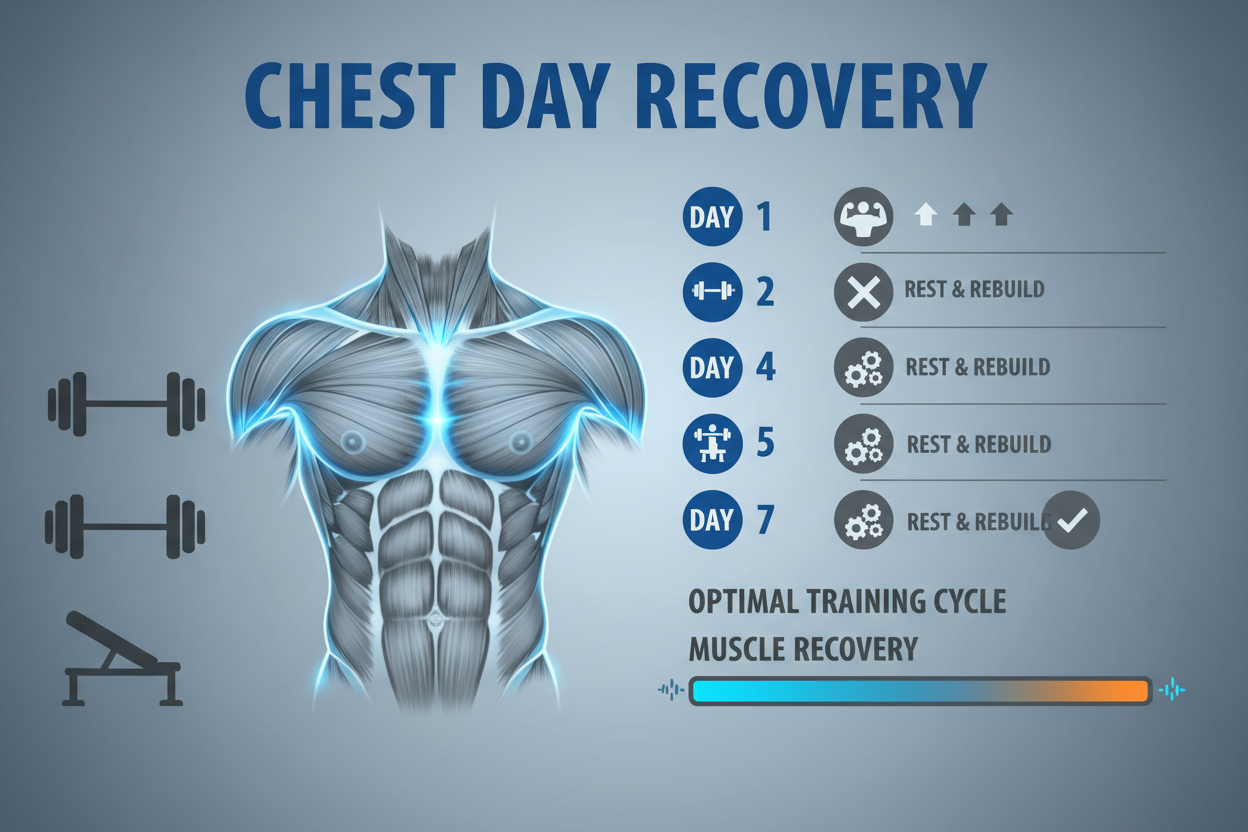
For most individuals, chest muscles typically need between 48 to 72 hours to recover after an intense workout. This duration may vary depending on your training intensity, volume, and individual genetics. Advanced athletes might manage slightly shorter rest periods due to adaptation, but beginners often require longer recovery.
Factors Influencing Rest Periods
Several factors determine how many days you should rest between chest workouts:
- Training intensity: Heavier weights and high-intensity sets demand more recovery time.
- Experience level: Beginners typically rest longer due to their bodies adapting slowly to new stress.
- Nutrition and sleep: Poor diet and inadequate sleep will slow recovery substantially.
- Overall workout schedule: Training multiple muscle groups and balancing them effectively encourages better recovery.
When to Work Chest Again
Pay attention to signs of readiness such as reduced soreness, restored energy levels, and improved strength during warm-ups. If your chest still feels fatigued or sore, it’s generally wise to wait another day before training again to avoid overtraining and potential injury.
Common Chest Training Schedules
For most lifters, working chest 2 times per week, spaced out by at least 3 days, can yield good results. For example, a Monday and Thursday schedule can work well. This gap allows muscles to repair fully while still being stimulated frequently enough to drive growth.
Risks of Insufficient Rest
Training your chest too often can lead to overtraining, which may slow progress and cause injury. Symptoms of overtraining include persistent soreness, decreased performance, and increased susceptibility to strains. Overtraining also affects the nervous system, reducing your ability to lift heavy in subsequent sessions.
Personal Experience
In my own training journey, I once tried hitting my chest every other day to speed up results. Initially, I saw rapid strength gains, but within a few weeks, I experienced chronic soreness and my pressing numbers plateaued. After adjusting my schedule to allow 3 days of rest between chest workouts, my performance improved noticeably, and I no longer dreaded my bench sessions. This change taught me the value of respecting recovery.
Combining Chest Workouts with Other Muscle Groups
Some lifters prefer to combine chest training with triceps or shoulders on the same day. This approach can make scheduling easier and ensure proper rest. For example, you might have a push day (chest, shoulders, triceps) followed by a pull day (back, biceps), allowing for adequate recovery before the next push day.
Optimizing Recovery
To maximize recovery between chest workouts:
- Maintain a balanced diet rich in protein for muscle repair.
- Stay hydrated to support metabolic processes.
- Get at least 7-9 hours of quality sleep each night.
- Incorporate active recovery, like light stretching or low-intensity cardio, to promote circulation without additional muscle strain.
Listening to Your Body
Ultimately, the number of days you rest between chest workouts should be guided by how your body feels and performs. Recovery needs are highly individual, and copying someone else's routine without considering your own condition can be counterproductive. Stay attentive to performance feedback and adjust accordingly.
Conclusion
The ideal rest period between chest workouts generally falls between 2 to 4 days depending on factors like intensity, experience, and overall program design. Allowing proper rest not only prevents injury but also enhances overall strength and muscle gains. A smart schedule that considers muscle recovery will ultimately bring you closer to your fitness goals.