Effective Chest Workout Guide for Strength and Definition
Building a stronger, more defined chest requires a combination of correct exercise selection, proper form, and consistent training. Whether you are just starting your fitness journey or aiming to refine your physique, understanding how to work out your chest effectively will help you achieve sustainable results and reduce the risk of injury.
Understanding Chest Training Basics
The chest muscles, primarily the pectoralis major and minor, play a key role in pushing movements and upper body strength. Chest workouts typically involve pressing, pushing, and fly movements, targeting different parts of the muscle. The upper chest benefits more from incline angles, while the lower chest is engaged with decline or dips, and the middle chest responds well to flat pressing movements.
Best Chest Workout Routine
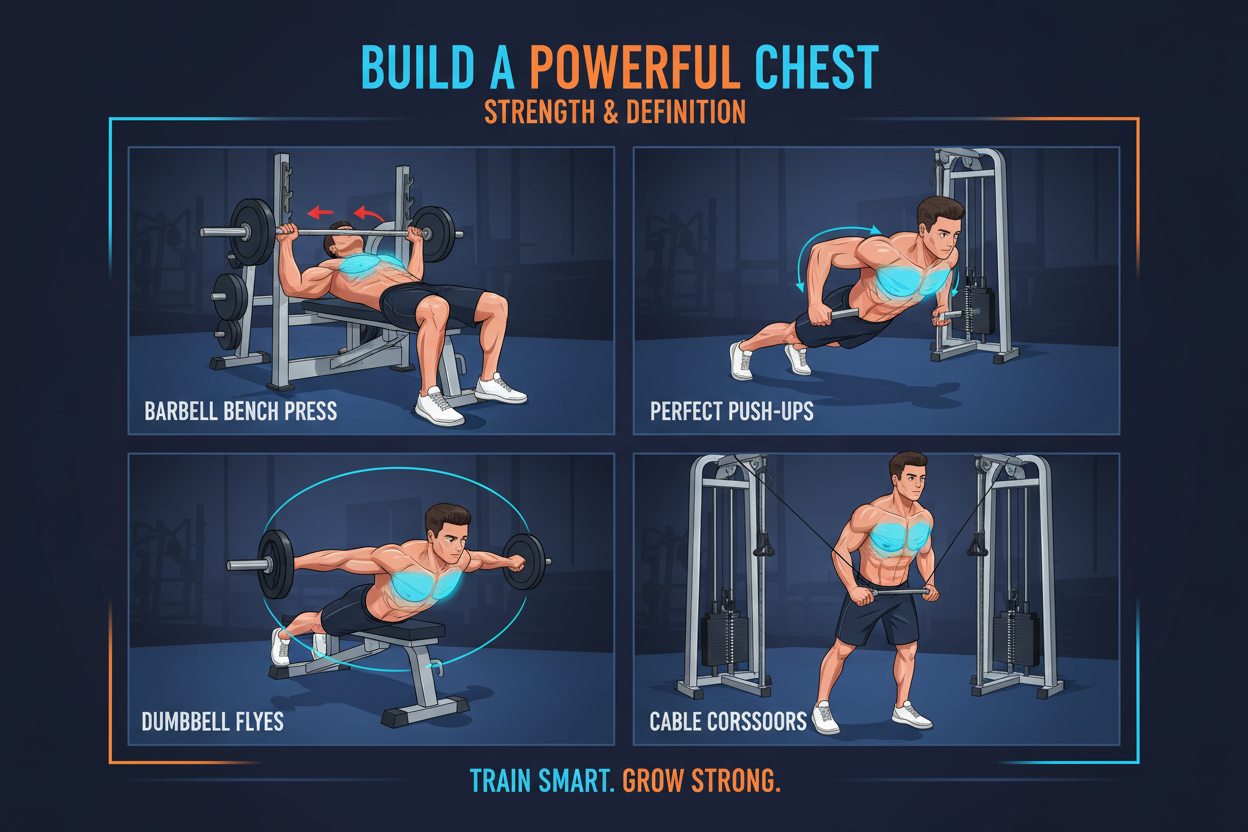
A balanced chest workout should include exercises that hit different angles and utilize varying equipment. An example of a solid training chest routine could be:
- Incline Barbell Press – Targets the upper chest and front deltoids.
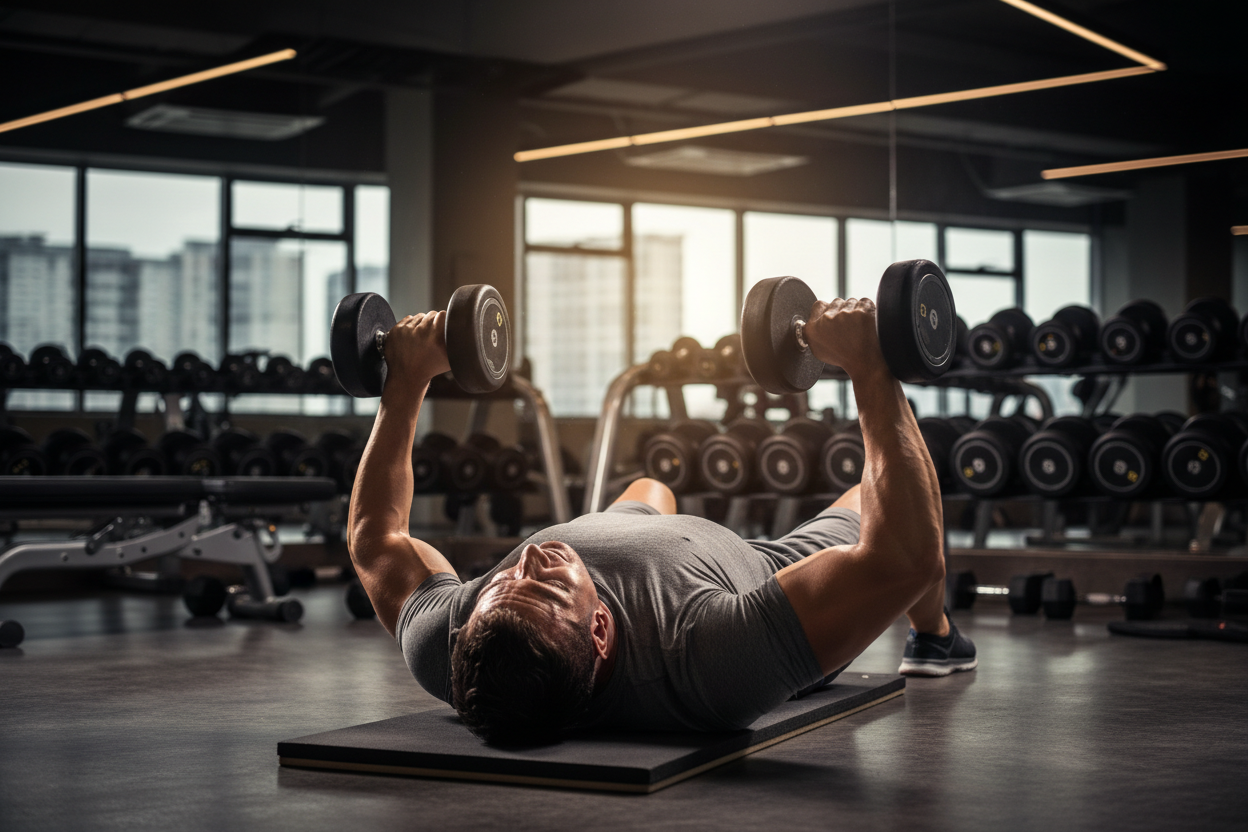
- Flat Dumbbell Press – Works the middle chest and allows a greater range of motion.
- Cable Fly – Isolates the chest muscles with constant tension, great for shaping.
- Push-Ups – A bodyweight staple for endurance and strength.
- Dips – Useful for emphasizing the lower chest and triceps.
Perform each exercise for 3-4 sets of 8-12 repetitions, adjusting the weight according to your fitness level and ensuring proper form throughout.
How to Do Chest Workout the Right Way
To maximize results and avoid strain, always start with a proper warm-up. This could be 5-10 minutes of light cardio followed by dynamic stretches for the upper body. Focus on controlled movements during each repetition—avoid bouncing the weight or locking the elbows aggressively. The tension should remain on the chest muscles rather than shifting entirely to the arms or shoulders.
Using Free Weights vs Machines
Free weights such as barbells and dumbbells offer a more natural range of motion and engage stabilizer muscles, but they require more focus on technique. Machines, on the other hand, are excellent for beginners learning how to workout chest safely because the guided motion helps limit errors. Combining both can produce well-rounded muscle development.
Progressive Overload
One of the most important principles in chest training is progressive overload. Increasing resistance, repetitions, or altering exercise variations over time ensures your chest adapts and grows stronger. However, progression should be gradual to avoid injury.
What Are Chest Workouts for Different Goals
Not all workout programs serve the same purpose. If your goal is strength, heavier weights with lower rep ranges (4-8) are more appropriate. For muscle endurance or toning, lighter weights with higher reps (12-15) and shorter rest periods may be ideal. Athletes focusing on power often use explosive movements like medicine ball throws in addition to traditional lifts.
Personal Experience with Chest Training
When I first started working out, my chest development lagged behind other muscle groups, mainly because I neglected variety and proper form. Once I integrated incline presses and focused on full range of motion in every workout, my chest strength and definition improved significantly. Adding cable flys towards the end of my routine helped in achieving a more sculpted look, and my ability to push heavier weights in compound lifts increased steadily.
Safety and Recovery Tips
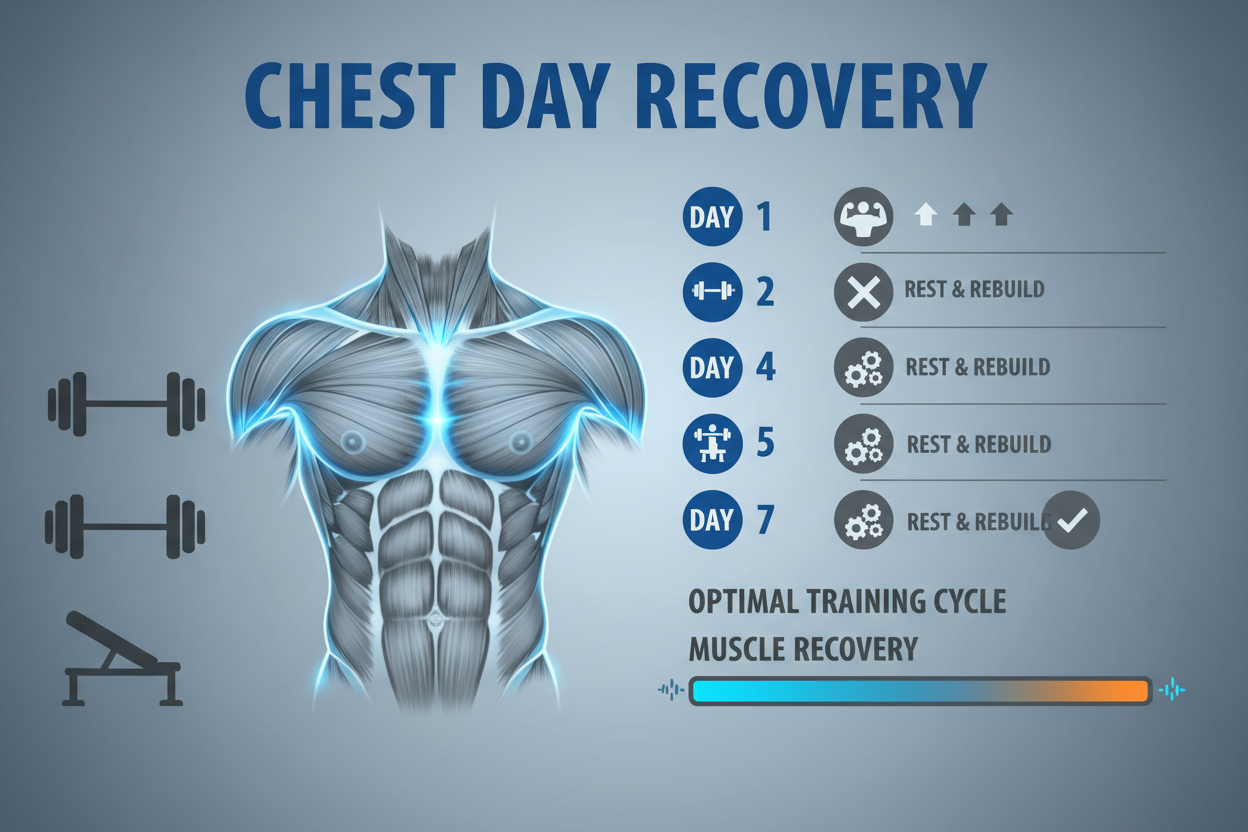
Chest workouts can be demanding, so recovery is crucial. Give your muscles at least 48 hours before targeting them again to allow repair and growth. Proper nutrition with adequate protein supports recovery, and stretching can help maintain flexibility. If you feel joint discomfort rather than muscle fatigue, review your technique or adjust the load to prevent injury.
Putting It All Together
A successful chest exercise workout blends variety, consistency, and mindful training. Select exercises that challenge different parts of your chest, maintain proper form, and progressively increase intensity. Over time, these practices will lead to noticeable strength gains and improved muscle definition. Remember, patience and discipline will yield far better results than shortcuts or inconsistent effort.