Finding the Best Leg Exerciser: The Honest Truth for Home Gyms
Most people searching for equipment land in one of two camps: they want serious hypertrophy, or they need low-impact movement for circulation. The problem is that the market is flooded with cheap plastic gadgets promising to do both. Finding the best leg exerciser requires looking past the glossy infomercials and examining the biomechanics of the machine.
If you buy the wrong piece of gear, it becomes an expensive clothes rack within a month. This guide cuts through the marketing noise to help you understand what actually works for leg development and mobility.
Quick Summary: What Matters Most?
If you are in a rush to decide, here are the core factors that determine the quality of a leg machine. Keep these in mind when asking what is the best leg exerciser for your specific needs:
- Resistance Type: Magnetic resistance offers smoother, quieter operation than friction or hydraulic pistons, which often overheat and leak.
- Stability & Footprint: If the machine weighs less than 20 lbs, it will likely wobble during intense use. Look for a wide base.
- Range of Motion (ROM): The device must allow for full extension or flexion. Short, choppy movements can lead to joint stiffness rather than relief.
- Adjustability: One-size-fits-all usually fits no one. Pedal straps and height adjustments are non-negotiable for safety.
Defining Your "Best": Strength vs. Mobility
You cannot evaluate a squat rack and an under-desk elliptical with the same criteria. The first step is honesty about your physiological capability.
The Hypertrophy Route
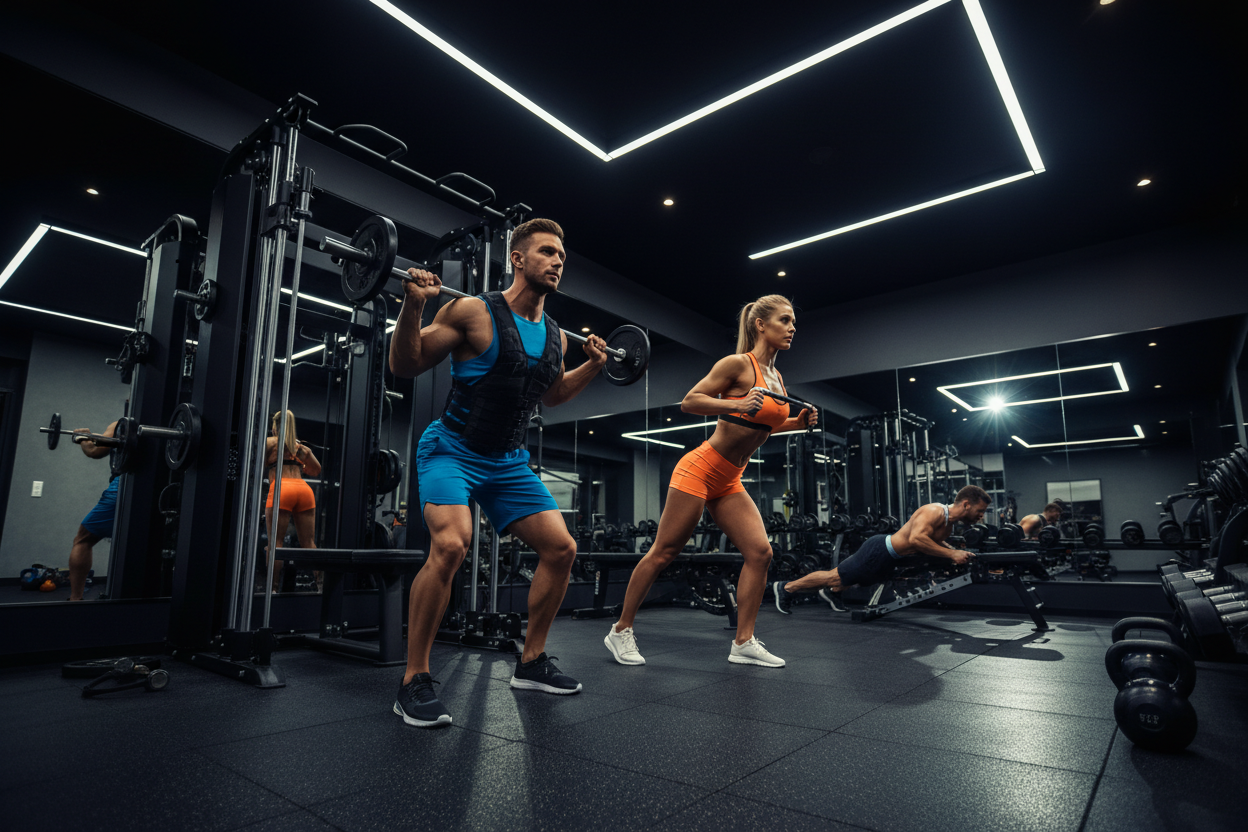
If your goal is muscle growth, the best leg exerciser is one that allows for progressive overload. Compact steppers or friction-based machines often fail here because the resistance tops out too early. For home gyms with limited space, a vertical leg press or a compact sissy squat bench offers the stability required to actually tear muscle fibers for growth.
The Circulation Route
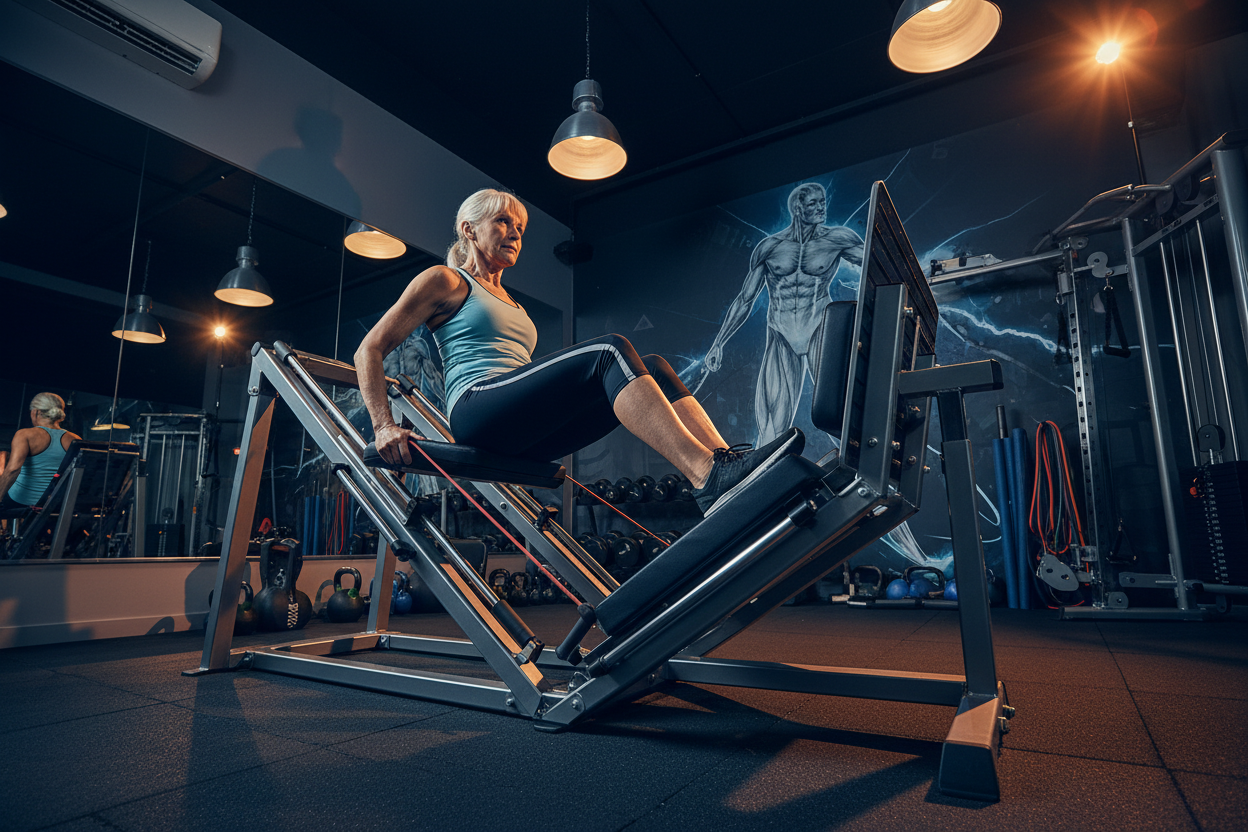
For seniors or remote workers, the goal is blood flow, not tearing fibers. Here, the focus shifts to ergonomics. The ideal machine keeps the knees aligned with the toes. Many cheap "swinging" leg exercisers force the hips into unnatural rotation, which can aggravate the lower back over time.
Analyzing Build Quality and Materials
When you unbox a piece of equipment, the weight tells you everything. High-quality leg exercisers use at least 14-gauge steel. If the frame feels light and hollow, it will not withstand the lateral forces generated when you get tired and your form breaks down.
Pay attention to the pedals or footplates. Smooth plastic is a safety hazard once you start sweating. You want a textured, rubberized surface or aggressive knurling that locks your shoe in place.
The "Gadget" Trap to Avoid
Beware of machines that promise "spot reduction" of inner thigh fat. These usually rely on high-repetition, low-resistance adduction movements. While they burn calories, they put significant shear force on the hip capsule. A functional leg exerciser focuses on compound movements—pushing or stepping—rather than isolation movements that don't mimic real-world activities.
My Training Log: Real Talk
I want to share a specific experience I had testing one of those popular hydraulic compact steppers that consistently ranks as a "best seller." On paper, it looked perfect for a small apartment.
However, the specs didn't mention the heat. After about 15 minutes of a moderate-pace climb, I started smelling hot oil. I reached down to adjust the tension knob and nearly burned my hand on the hydraulic cylinder. It was radiating heat.
Furthermore, there was this jarring "dead zone" at the top of every step. Instead of a fluid motion, the pedal would snap up, hitting a hard stop that sent a shockwave right up my shin bone. It wasn't just annoying; it was mechanically unsound. It taught me a valuable lesson: fluid resistance (magnetic or air) is always worth the extra money over hydraulic pistons. You can't get a quality workout if you're worried about the machine leaking fluid on your carpet.
Conclusion
The best leg exerciser isn't necessarily the most expensive one, but it is rarely the cheapest. Whether you choose a seated elliptical for mobility or a squat assist machine for strength, prioritize steel construction and fluid biomechanics over digital displays and Bluetooth connectivity. Your joints will thank you later.
Frequently Asked Questions
What is the best leg exerciser for seniors?
For seniors, the best option is typically a motorized or magnetic under-desk elliptical. These devices promote circulation and joint mobility with zero impact on the knees, reducing the risk of falls associated with standing equipment.
Can compact leg exercisers actually build muscle?
Most compact exercisers are designed for endurance and toning, not significant muscle building. To build substantial muscle, you need high resistance that leads to failure between 8-12 reps, which most compact units cannot provide.
Are passive leg exercisers effective?
Yes, but their scope is limited. Passive exercisers (where the machine moves your legs for you) are effective for reducing swelling and preventing blood clots in sedentary users, but they will not burn significant calories or strengthen the heart.