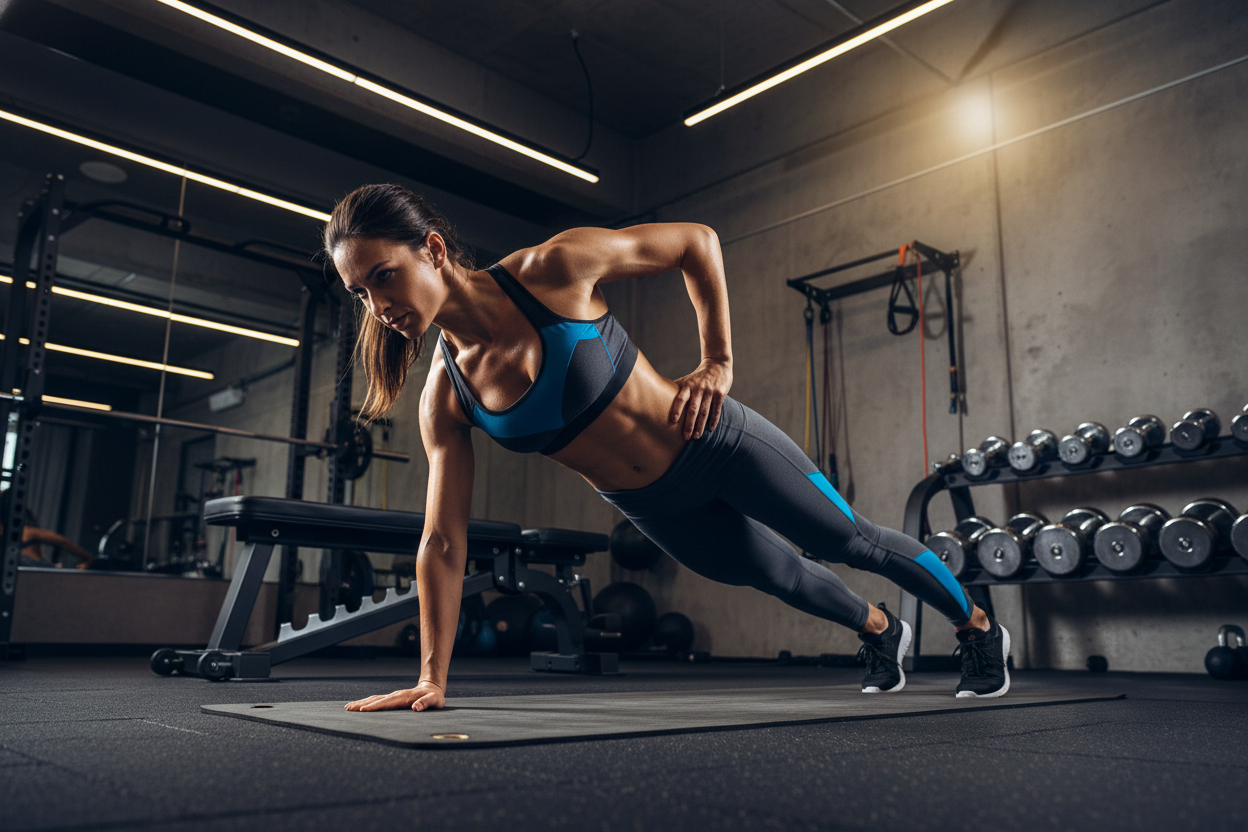
Stop Training for Bulk: The Real Exercise for Thin Thighs and Hips
You have likely tried dozens of leg lifts, bought the resistance bands, and perhaps even felt your jeans getting tighter instead of looser. It is a frustrating paradox that happens when training intensity doesn't match the goal. If you are looking for the right exercise for thin thighs and hips, you first need to unlearn the "go heavy or go home" mentality often preached in standard gym culture.
Creating a lean, streamlined lower body requires a specific approach to volume, resistance, and overall energy expenditure. It isn't about starving yourself or doing cardio until you collapse; it's about strategic movement that elongates rather than hypertrophies (bulks) the muscle.
Key Takeaways: The Lean Leg Protocol
- Caloric Deficit is Non-Negotiable: You cannot exercise away a diet surplus. To reduce hip circumference, overall body fat percentage must drop.
- High Reps, Low Weight: Focus on muscular endurance (15-20+ reps) rather than maximum strength (5-8 reps) to avoid stimulating significant muscle size growth.
- Compound Over Isolation: Movements that use multiple joints burn more calories, which is essential for revealing the muscle tone underneath.
- Consistency Over Intensity: Frequency matters more than how much weight you can lift for slimming down.
The Myth of Spot Reduction
Let’s clear the air immediately: biologically, you cannot burn fat exclusively off your inner thighs or saddlebags just by targeting them. When you perform thin thighs and hips exercises, you are strengthening the muscle, not melting the fat directly on top of it.
If you have a layer of body fat and you build significant muscle underneath it without losing the fat, your measurements will increase. This is why the strategy must combine fat-burning metabolic conditioning with muscle-toning endurance work.
The Strategic Approach to Lower Body Training
1. Prioritize Unilateral Movements
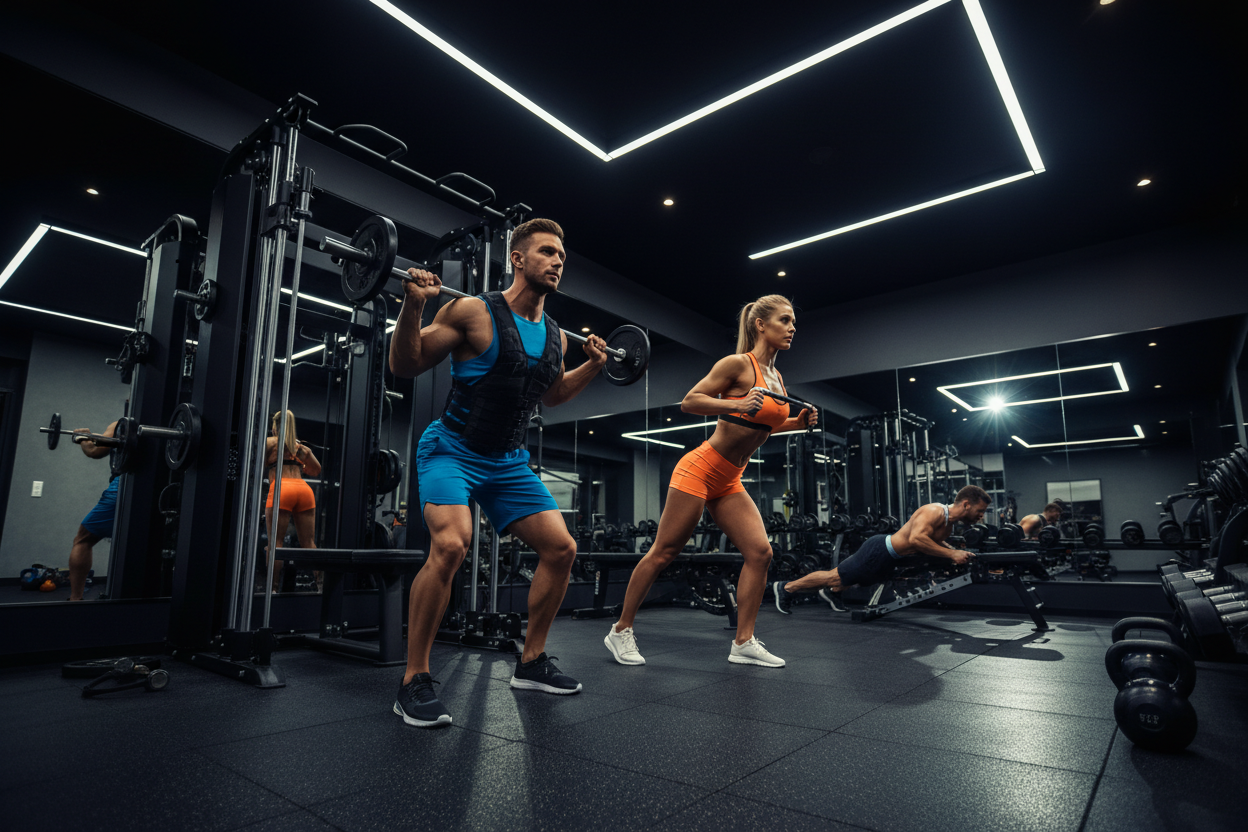
Bilateral movements like heavy barbell squats are fantastic for strength, but they can lead to a "thicker" look if you are genetically prone to building leg muscle easily. Instead, focus on unilateral (single-leg) exercises.
Lunges and split squats force your stabilizer muscles to fire. Because balance is involved, you naturally cannot use as much weight. This keeps the focus on toning and endurance rather than raw bulk.
2. Incorporate LISS Cardio
Low-Intensity Steady State (LISS) cardio, such as power walking on an incline or cycling with low resistance, is a secret weapon. Unlike High-Intensity Interval Training (HIIT), which can be inflammatory and trigger hunger spikes, walking puts you in a direct fat-burning zone without taxing your central nervous system heavily.
Aim for long, brisk walks where you can hold a conversation but are slightly breathless. This helps create the caloric deficit needed to slim the hips without the cortisol spike associated with intense sprinting.
3. The Pilates Effect
There is a reason Pilates practitioners often have the aesthetic you are looking for. Pilates focuses on the eccentric phase of movement—lengthening the muscle under tension. Incorporating mat work that targets the glute medius (side hip) and inner thighs with high repetitions creates a "cinched" look rather than a bulky one.
Common Mistakes Sabotaging Your Results
Over-reliance on the Adductor Machine
You know the machine—the one where you sit and squeeze your legs together. While it strengthens the inner thigh, it does very little for calorie burn. You are better off performing lateral lunges or curtsy lunges, which engage the core and glutes while hitting the inner thigh.
Ignoring Recovery
If your legs feel constantly swollen, you might be overtraining. Inflammation causes water retention. Sometimes, the "fat" you think you see is actually fluid trapped in muscle tissue repairing itself from excessive exercise. Rest days allow that inflammation to subside, revealing the true shape of your legs.
My Training Log: Real Talk
I want to be transparent about my own experience testing high-volume leg protocols. A few years ago, I switched from powerlifting (heavy squats) to a high-rep, bodyweight-focused routine to lean out my lower body.
The transition was mentally weird. I remember doing high-rep clam shells and feeling a very specific, annoying burn deep in my hip socket—totally different from the heavy crushing feeling of a deadlift. The hardest part wasn't the workout; it was the "pump." After a session, my jeans would actually feel tighter for about two hours because the blood rushed to the muscles.
I almost quit in week three because I thought I was getting bigger. But I stuck with it. The specific moment I knew it was working was when I put on a pair of running shorts that usually rode up in the middle when I walked. They stayed put. The circumference of my thigh hadn't dropped drastically on the tape measure yet, but the composition had changed—the "jiggle" was gone, replaced by firm tissue that took up less space.
Conclusion
Finding the right exercise for thin thighs and hips is about working smarter, not harder. Shift your focus from heavy loading to metabolic endurance and consistent caloric management. Be patient with the process; true body recomposition takes weeks, not days.
Frequently Asked Questions
How long does it take to see results from thigh exercises?
With consistent training (3-4 times per week) and a clean diet, you can expect to see changes in muscle tone in 4-6 weeks. Significant reduction in circumference usually takes 8-12 weeks as body fat levels drop.
Will squats make my thighs bigger?
They can, depending on how you perform them. Heavy weighted squats stimulate hypertrophy (growth). If your goal is slim legs, stick to bodyweight squats or high-repetition ranges (20+ reps) to build endurance rather than size.
Is running good for thinning thighs?
Distance running is generally excellent for leaning out legs because it burns significant calories and relies on slow-twitch muscle fibers, which do not grow as large as fast-twitch fibers. However, sprinting can build muscle size, so stick to steady-state jogging.