
Finding the Best Full Body Home Workout Machine for Real Gains
You have likely stared at an empty corner of your garage or spare room, visualizing a transformation. But then reality hits: the market is flooded with cheap plastic contraptions that end up serving as expensive clothes hangers. Finding the best full body home workout machine isn't just about picking the one with the most pulleys; it is about finding a unit that matches your biomechanics and available space.
Most home gym buyers make the mistake of prioritizing features they will never use. They buy a machine with a leg press attachment that wobbles under 200 pounds, ignoring the fact that the cable motion is jerky. Let’s strip away the marketing fluff and look at what actually builds muscle at home.
Key Takeaways: Choosing Your Equipment
- Functional Trainers are King: For pure hypertrophy (muscle growth) and joint health, dual-stack cable machines offer the most versatility for a full body weight machine.
- The "All-in-One" Rack: If you prefer heavy compound lifts (squats, deadlifts), a power rack with a lat-pulldown attachment is superior to a dedicated multi-gym.
- Resistance Profile Matters: Avoid machines where the resistance drops off at the end of the movement. Constant tension is required for growth.
- Footprint vs. Stability: Ultra-compact machines often sacrifice stability. If it shakes when you row, you won't exert maximum force.
The Hierarchy of Home Gym Equipment
To determine the best full body workout machine for home use, we need to categorize them by resistance type. Your goals dictate the category.
1. The Functional Trainer (Cable Systems)
If you want the aesthetic of a bodybuilder and the mobility of an athlete, this is the gold standard. A functional trainer consists of two weight stacks and adjustable pulleys. Why is this the best home full body workout equipment for most people?
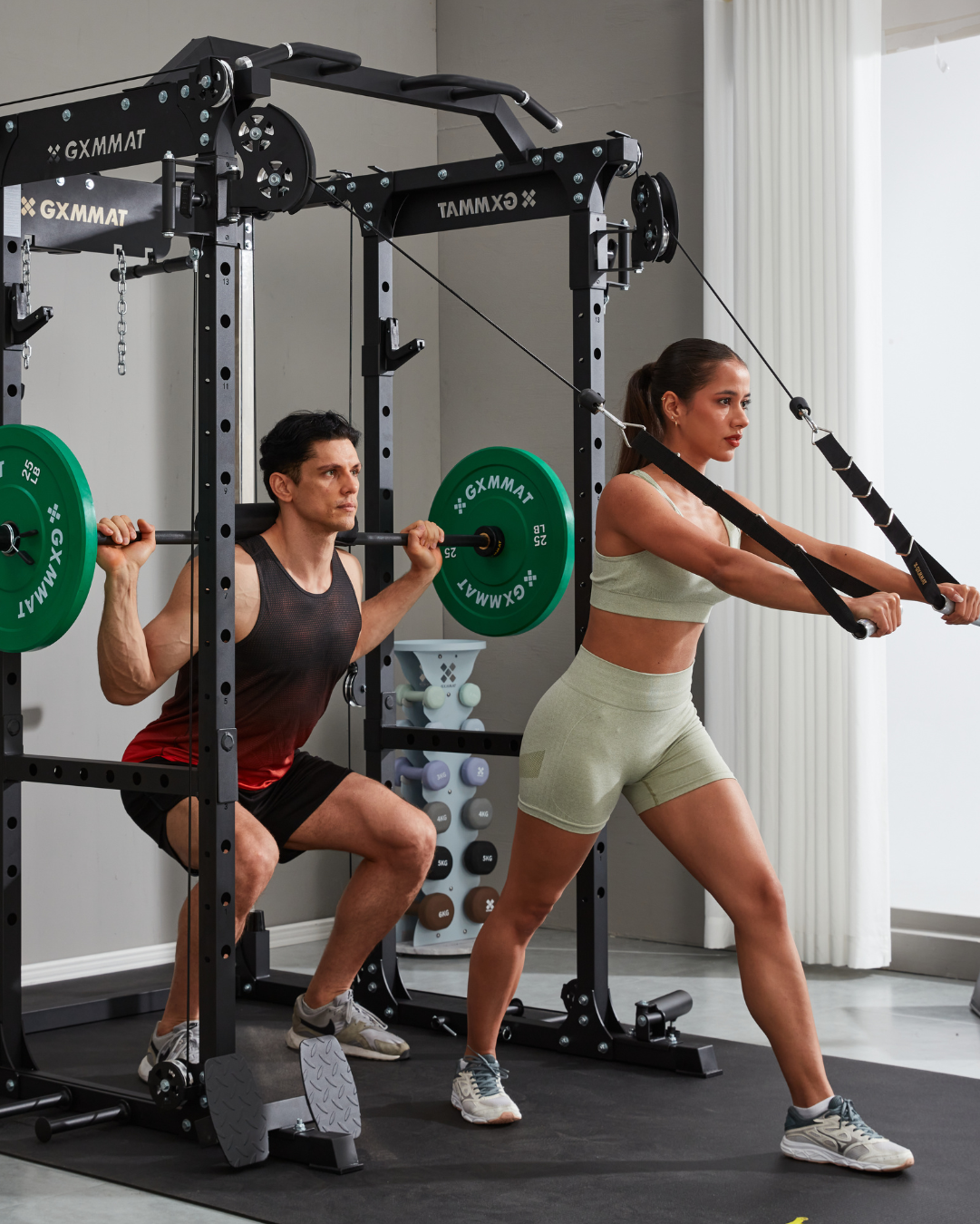
It comes down to force vectors. Unlike free weights, which only rely on gravity (pulling straight down), cables allow you to load muscles from any angle. You can perform a chest fly standing up, a glute kickback, or a seated row. This allows you to work around injuries that might make barbells painful.
2. The Power Rack "Hybrid"
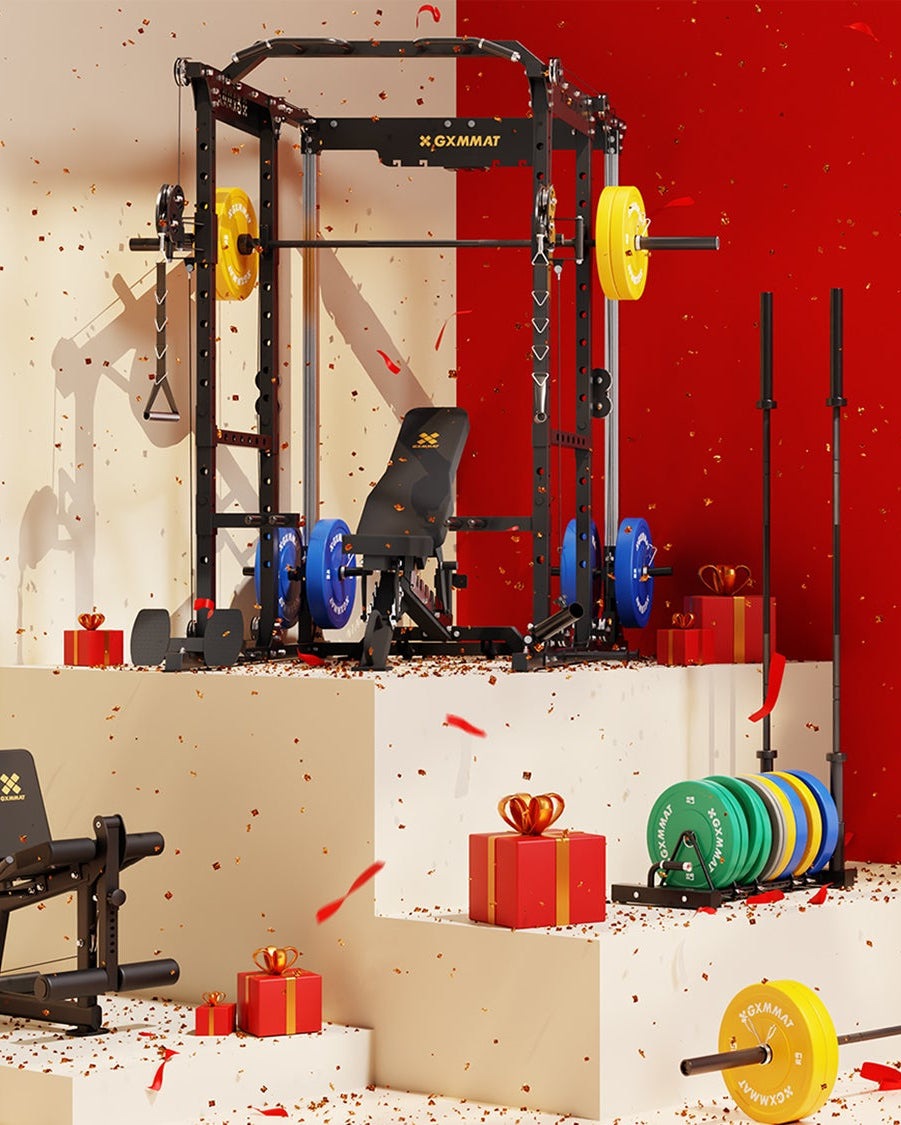
For those who believe strength is the priority, a simple cable machine won't cut it. You need a best home gym for full body workout sessions that includes heavy lifting. The modern solution is a "Hybrid Rack."
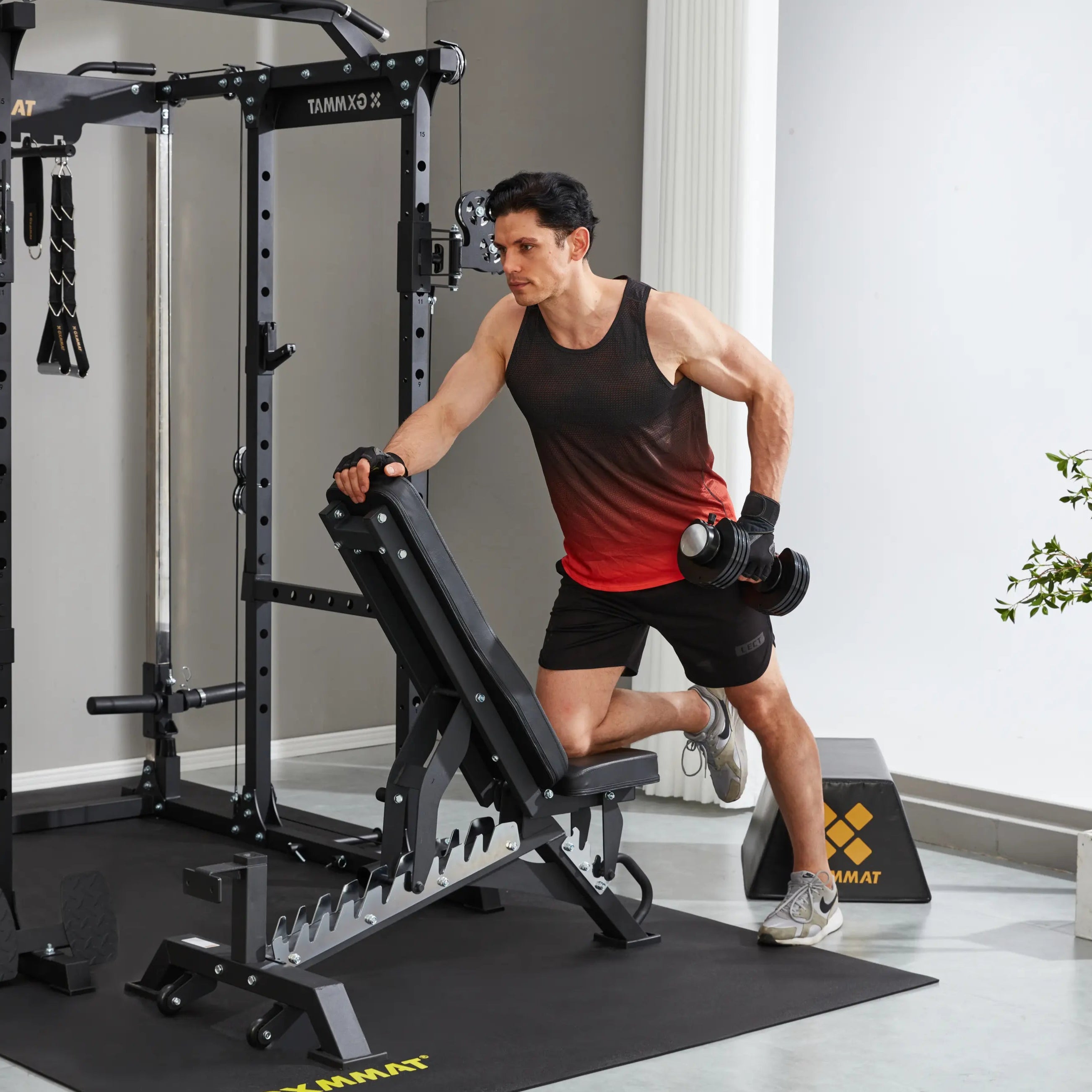
These are power cages equipped with a Smith machine bar and a cable system built into the uprights. This setup allows you to perform the "Big 3" (Squat, Bench, Deadlift) safely alone, while still having access to isolation exercises. It is the closest thing to a commercial gym experience, provided you have the ceiling height.
3. Digital and Resistance Rod Machines
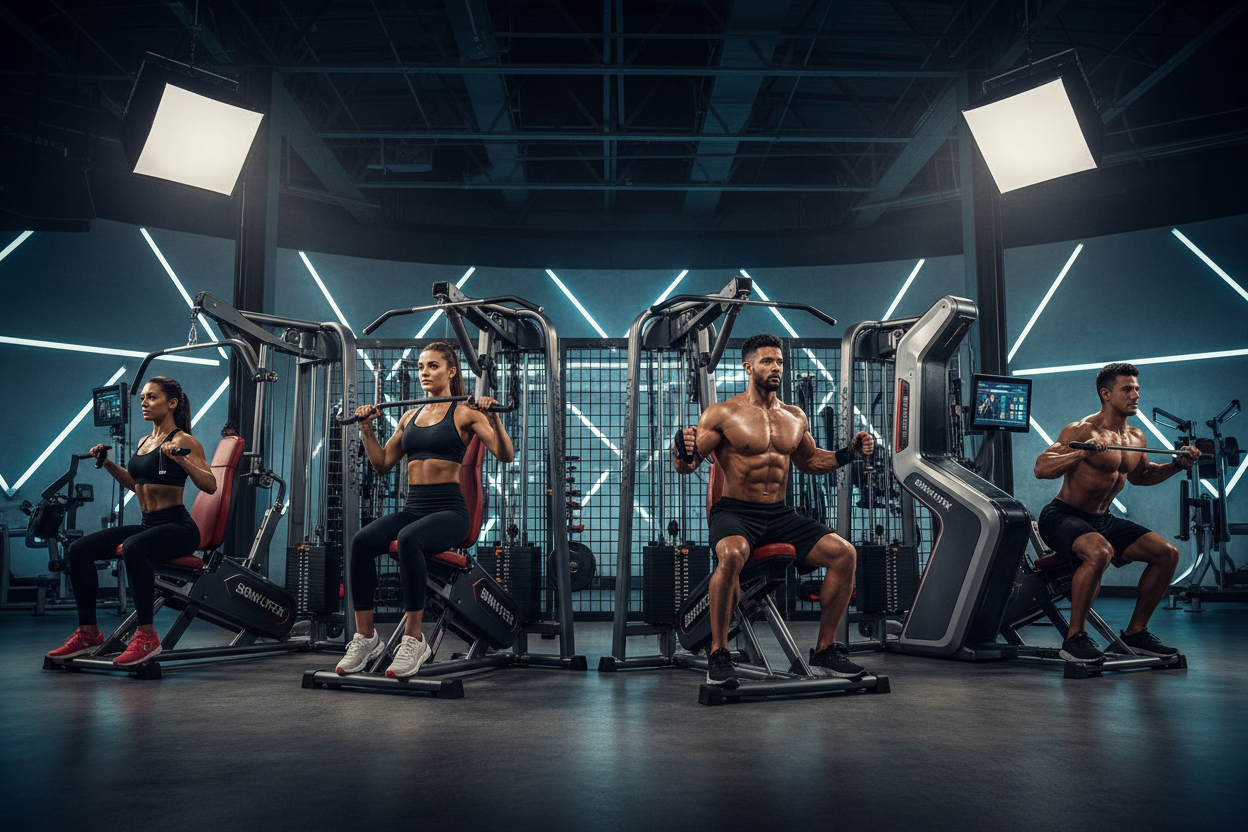
If you live in an apartment, a steel cage isn't an option. This is where smart gyms and resistance rod machines come in as viable full body workout at home equipment.
However, a word of caution: Digital weight often feels "heavier" than static weight because it eliminates momentum. If the machine uses magnetic resistance, the eccentric (lowering) phase can sometimes feel different than iron. Ensure the machine offers "eccentric overloading" modes to maximize the tearing of muscle fibers needed for growth.
Common Mistakes When Buying Full Body Home Gym Equipment
Ignoring the Weight Stack Limit
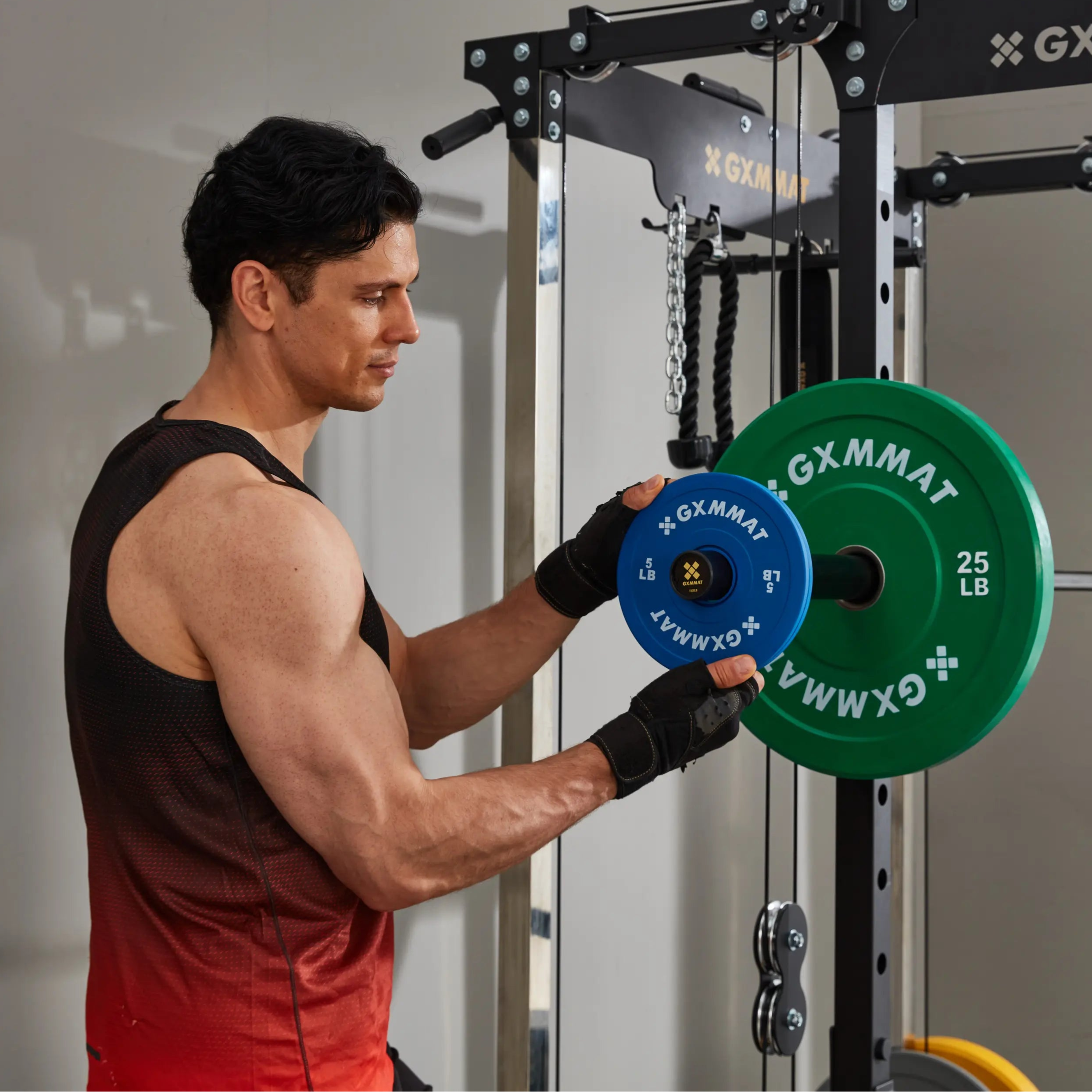
Many entry-level machines top out at 150 lbs of resistance. For a leg press or a lat pulldown, an intermediate lifter will outgrow this in six months. Look for machines with a 2:1 pulley ratio (which feels lighter but offers more cable travel) that have stacks going up to at least 200 lbs, or plate-loaded horns so you can add your own weight.
Overlooking the "Changeover" Time
The flow of your workout dictates your intensity. If you have to spend three minutes unscrewing bolts and moving a bench just to switch from chest press to rows, your heart rate drops and your workout drags on. The best home gym full body workout is efficient. Test how fast you can switch between exercises.
My Personal Experience with best full body home workout machine
I want to be real about the transition to home training. A few years ago, I tested a popular "compact" multi-gym that claimed to replace a commercial facility. On paper, it looked perfect.
But here is the gritty detail the specs didn't mention: the cable drag. Every time I did a bicep curl, I could feel a granular, grinding vibration through the handle because the pulleys used cheap plastic bushings instead of ball bearings. It didn't just feel bad; it messed up my mind-muscle connection. I spent more time focusing on the friction than squeezing the muscle.
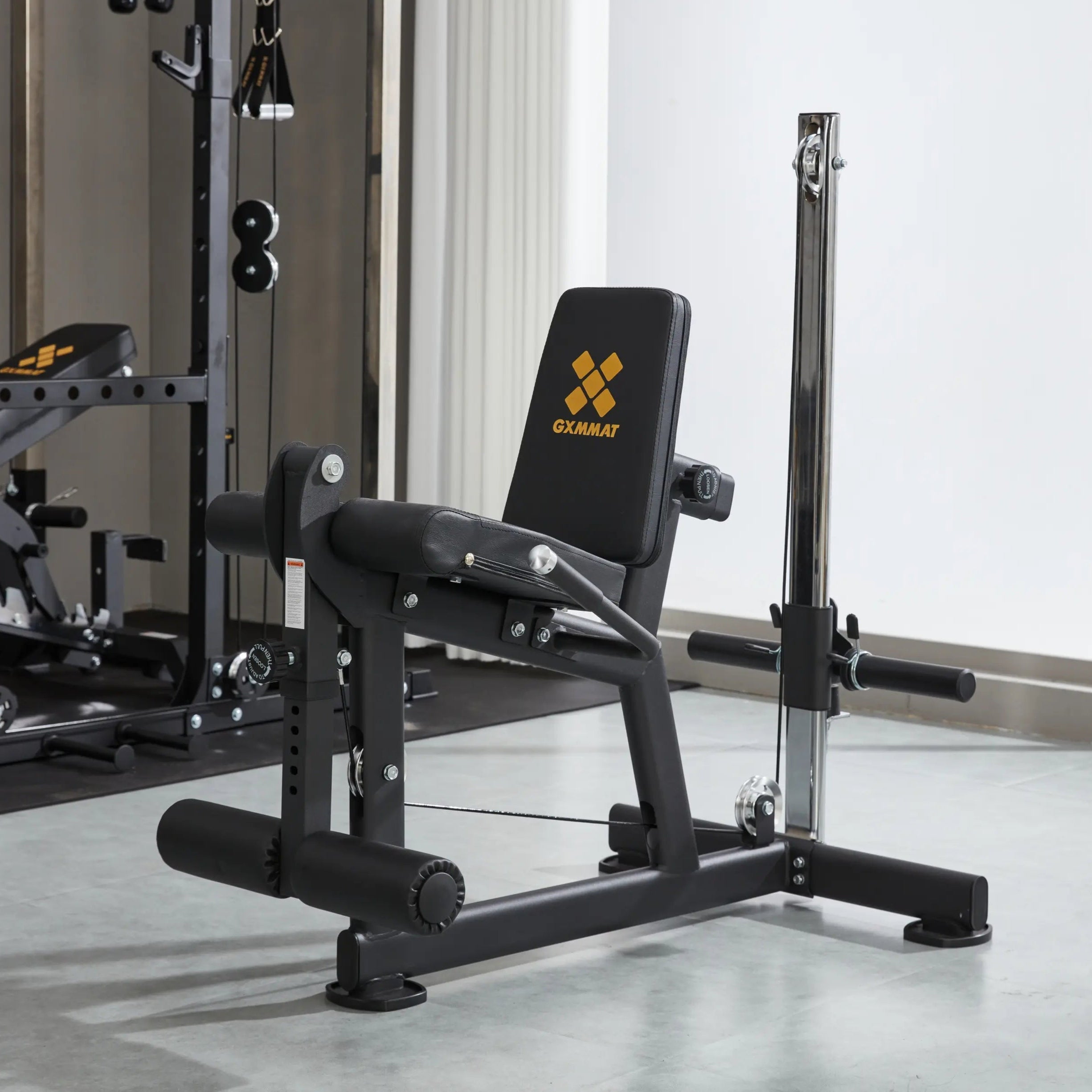
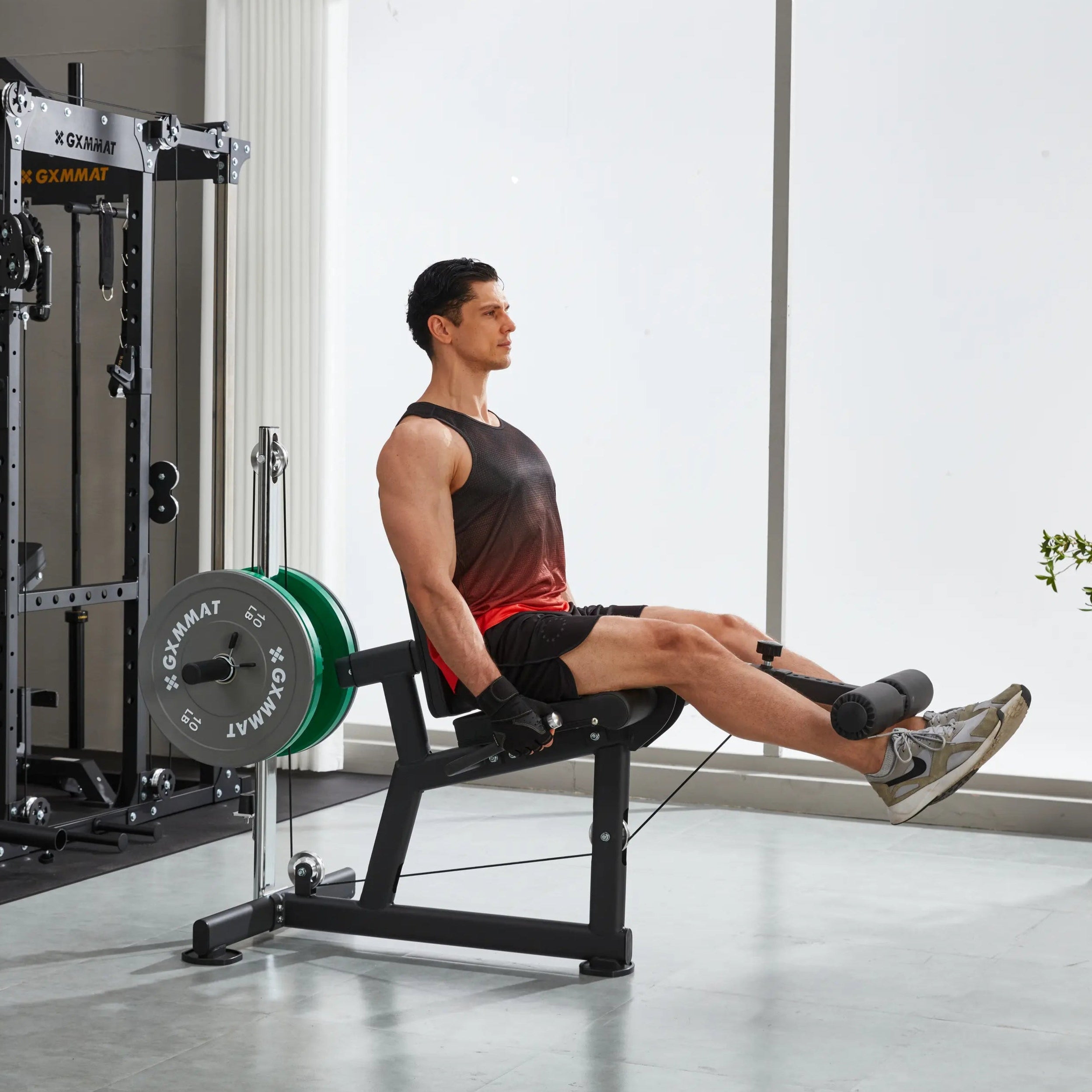
Furthermore, the leg extension attachment had a pivot point that didn't align with my knee. After three sets, my shins were bruised from the roller pad digging in because the vinyl was too stiff. When you buy this gear, look at the bearings and the upholstery stitching. Those unsexy details determine if you'll actually use the machine or if it will just gather dust.
Conclusion
There is no single "magic" machine, but there is a right machine for your specific environment. If you have the space, a hybrid power rack is the ultimate investment. If you are limited on room, a high-quality functional trainer offers the best versatility. Stop waiting for the perfect time to start and focus on acquiring the gear that reduces the friction between you and your workout.
Frequently Asked Questions
How much space do I really need for a full body weight machine?
For a functional trainer or power rack, you generally need a 10x10 foot area. You must account for the footprint of the machine plus the clearance needed for the barbell or your body when performing movements like lunges or flys.
Can you actually build muscle with just one machine?
Absolutely. Muscle growth requires mechanical tension, metabolic stress, and muscle damage. As long as the machine allows for progressive overload (adding more weight or reps over time), your muscles cannot tell the difference between a $3,000 home machine and a gym membership.
Are cable machines better than free weights for home use?
They are safer and often more versatile for solo training. Cables provide constant tension throughout the range of motion, whereas free weights have a strength curve where the tension varies (e.g., a bicep curl is easy at the top). For a safe full body home gym equipment setup, cables are often the superior choice.