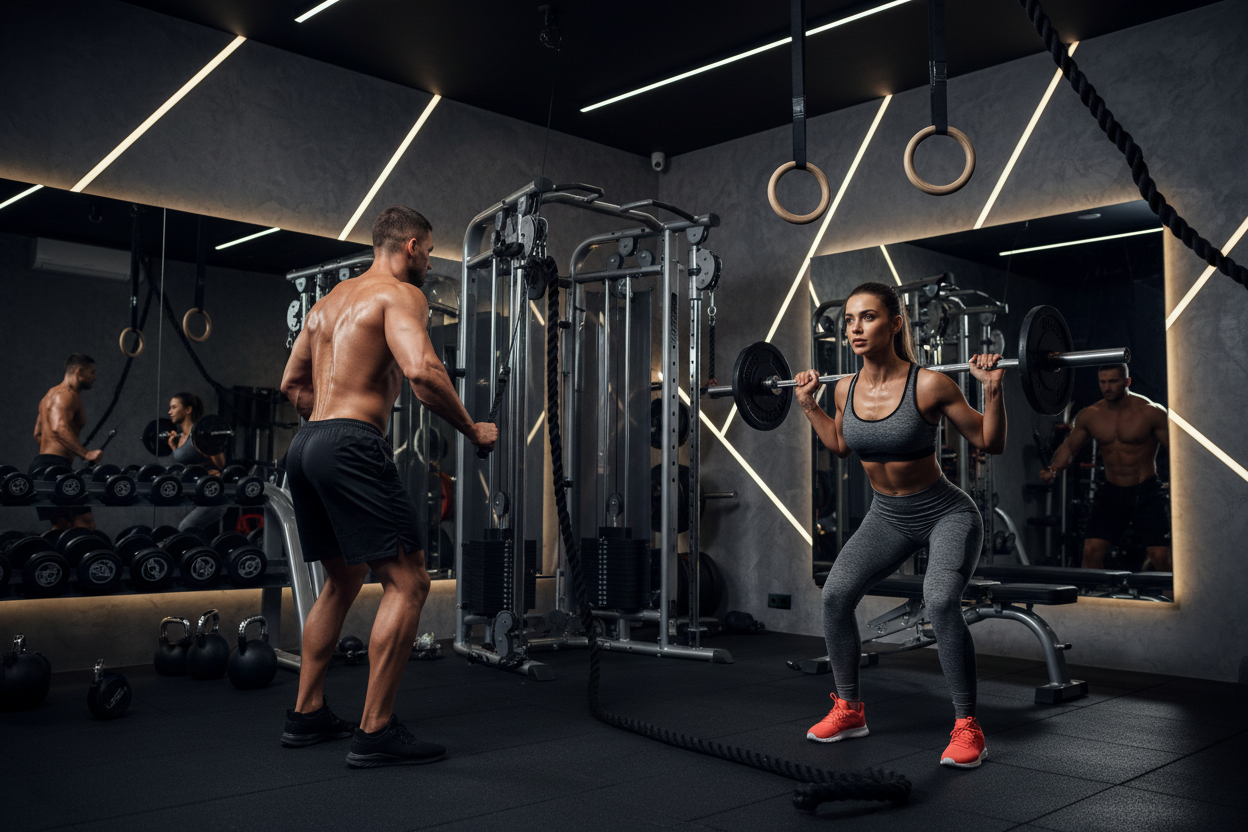
Finding the Best Complete Home Gym: The Only Guide You Need
Stop trading your time for a commute. The fitness industry wants you to believe that effective training requires a membership card and a sea of strangers, but the reality is shifting. Building a physique or maintaining elite fitness levels is entirely possible within your own four walls, provided you choose the best complete home gym for your specific needs.
We aren't talking about a pair of rusty dumbbells in the corner. We are analyzing comprehensive units that replicate the commercial gym experience. Finding the right setup is about understanding biomechanics, spatial economy, and long-term durability. Let's break down how to make the right investment.
Key Takeaways: Quick Selection Guide
If you are in a rush, here are the critical factors that define a quality setup. Look for these specs before buying:
- Footprint vs. Height: Don't just measure floor space. Many cable-based units require 7-8 feet of vertical clearance and extra room for barbell travel.
- Resistance Profile: Decide between weight stacks (constant tension), plate-loaded (cost-effective), or rod-based resistance (joint-friendly).
- Pulley Ratios: For functional training, a 2:1 ratio is ideal for smoother travel. For heavy lifting, a 1:1 ratio is necessary.
- Adjustability: The best multi gym options offer micro-adjustments on seats and arms to fit different body types.
Defining the "Complete" Setup
When we discuss a "complete" gym, we refer to a single footprint capable of hitting every major muscle group with adequate load. This usually falls into two categories: the leverage machine (often called a universal gym) and the functional trainer/power rack hybrid.
The best multi gym setups today are hybrids. They combine a Smith machine, a functional trainer (cables), and a power rack. This allows you to perform compound movements like squats and deadlifts while still having access to isolation work via cables.
The Resistance Debate: Stacks vs. Rods vs. Plates
Your workout quality depends entirely on the type of resistance the machine generates. This is where most buyers get confused.
1. Weight Stacks (The Universal Standard)
If you are looking for the best universal home gyms, you are likely looking for a selectorized weight stack. You pull a pin, choose the weight, and lift. It is fast and efficient. The downside? It is heavy to ship and usually caps out at 200-300 lbs per stack.
2. Rod and Bow Systems
Often categorized as the best resistance home gym technology, these use flexible rods to create tension. The benefit is inertia-free resistance; you cannot "cheat" by swinging the weight. It is incredibly easy on the joints, making it ideal for rehabilitation or older lifters. However, the resistance isn't linear—it gets harder the further you stretch the rod.
3. Plate-Loaded Machines
These require you to use standard Olympic plates. They are generally cheaper because you aren't paying for the iron stack upfront. They offer the highest weight capacity but require more time to change loads between sets.
Ergonomics and The "Universal" Feel
In the golden era of bodybuilding, the best universal gym was a staple. It was a four-sided station where four people could train at once. Modern home versions replicate this feel but compress it.
The science of a good machine lies in the force curve. A cheap machine will have "dead spots" where the cable goes slack or the resistance drops off. High-quality units maintain tension throughout the range of motion. When evaluating a unit, look at the pulley quality. Nylon pulleys with sealed bearings provide that "commercial" smooth feel, whereas plastic bushings will eventually drag and squeak.
My Training Log: Real Talk
I need to be honest about what living with these machines is actually like. I spent three years training exclusively on a high-end plate-loaded multi-gym. Here is something the spec sheets won't tell you: The friction factor.
I remember specifically doing tricep pushdowns on a humid Tuesday morning. I hadn't lubricated the guide rods in about six months (a common oversight). Every time I initiated the rep, there was this gritty, stuttering "drag" before the weight actually moved. It throws off your mind-muscle connection completely. Unlike a commercial gym where maintenance is someone else's problem, at home, you are the maintenance crew.
Also, the sound. There is a very specific, hollow clank when a weight stack hits the top of a frame that echoes through a house differently than a gym. If you have a sleeping baby or annoyed neighbors, that metal-on-metal sound is louder than you think. I eventually had to rig up custom rubber dampeners just to train past 9 PM. These are the unpolished realities of the home gym life—it's gritty, it requires upkeep, but it's yours.
Conclusion
Building the ultimate training space isn't about buying the most expensive gear; it's about matching the equipment to your training style. Whether you opt for the best complete home gym with a massive weight stack or a compact resistance rod system, consistency remains the driver of progress. Measure your space, check the warranty, and respect the maintenance required.
Frequently Asked Questions
How much space do I really need for a complete home gym?
While the footprint of the machine might be 4x6 feet, you realistically need a 10x10 foot area. You must account for the barbell length (7 feet) and body clearance for exercises like lunges or cable flyes.
Can I build significant muscle with a resistance rod home gym?
Yes, muscle hypertrophy occurs through mechanical tension and metabolic stress. As long as you apply progressive overload (increasing resistance or reps over time), rod-based systems are effective for building muscle.
What is the maintenance like for a universal home gym?
It is minimal but mandatory. You should wipe down guide rods with a silicone-based lubricant every 1-2 months to prevent drag. Check cables for fraying every 6 months to ensure safety.