Expensive Exercise Bike: What to Know Before You Invest
When outfitting a home gym, cardio equipment is often the biggest line item. You might be staring at an expensive exercise bike and wondering if the premium price tag actually translates to a better workout, or if you are just paying for a fancy screen.
Whether you are trying to break through a fitness plateau or simply want a whisper-quiet ride while the rest of the house is sleeping, understanding what separates entry-level models from high-end machines is crucial before you swipe your credit card.
Key Takeaways
- Magnetic Resistance: Premium bikes use frictionless magnetic systems for silent, maintenance-free operation.
- Build Quality: Heavy-duty carbon steel frames prevent wobbling during high-intensity, out-of-saddle sprints.
- Tech Integration: High-end models often lock you into proprietary software ecosystems—always factor in subscription costs.
- Ergonomics: Micro-adjustability in the seat and handlebars ensures a perfect biomechanical fit for multiple users.
The Anatomy of a Premium Ride
Magnetic Resistance vs. Friction
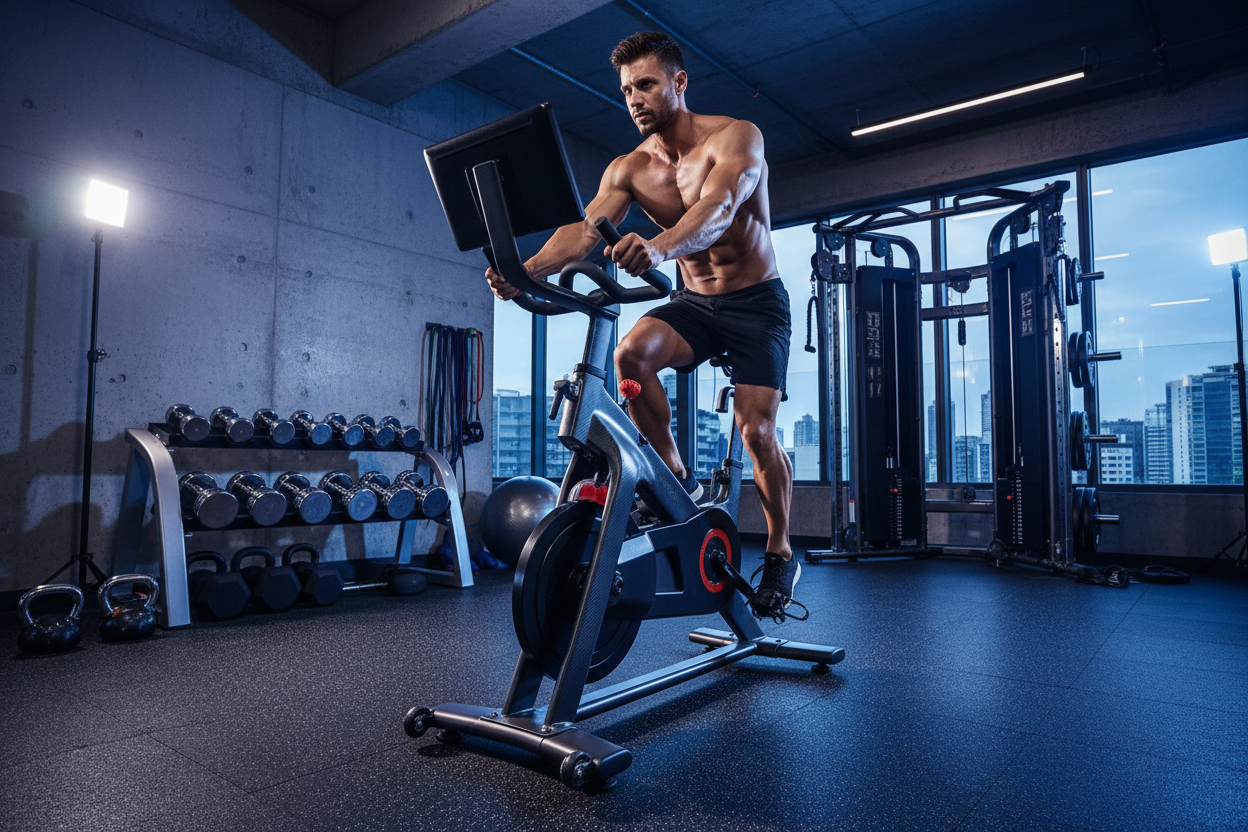
The hallmark of the most expensive stationary bike models is their resistance mechanism. Cheaper bikes rely on felt pads that physically rub against the flywheel. This creates noise, requires regular lubrication, and eventually necessitates replacement pads. Premium bikes utilize magnetic resistance, where magnets move closer to or further from the metal flywheel to create drag. The result? A perfectly smooth, whisper-quiet pedal stroke that requires zero mechanical maintenance.
Commercial-Grade Build Quality
Weight capacity and frame stability are where budget bikes fail and premium bikes shine. An expensive model typically features a heavier flywheel (often 30 to 50 pounds) and a powder-coated, rust-resistant steel frame. If you are a larger rider or plan on doing intense HIIT sessions with heavy climbing, that extra structural integrity prevents the terrifying side-to-side wobble common in cheaper alternatives.
Tech, Screens, and The Ecosystem
Navigating the Subscription Model
When you look at the most expensive exercise bikes on the market, you are often buying into a media ecosystem. Massive HD touchscreens, live leaderboard tracking, and auto-adjusting resistance are incredible motivational tools. However, these features usually require an ongoing monthly subscription. Before investing, calculate the total cost of ownership over three years. If you prefer to watch your own tablet or TV, a premium bike built with commercial specs but without a built-in screen might be a smarter financial move.
Space Planning for North American Homes
Footprint and Power Requirements
Most high-end bikes require a dedicated footprint of roughly 4 feet by 2 feet. However, unlike manual friction bikes, a modern premium bike with an HD screen and motorized magnetic resistance must be plugged into a standard 110V outlet. If you are setting up in a garage gym or an unfinished basement, ensure you have a grounded outlet nearby to avoid running a tripping-hazard extension cord across your workout space.
From Our Gym: Honest Take
We have tested dozens of cycles over the years, from budget spinners to the absolute most expensive exercise bikes available. I personally spent eight months riding a premium $2,500 model in my uninsulated, humid garage gym. Here is the honest truth: the durability of the powder-coated frame is unmatched. I saw zero signs of rust despite heavy, sweaty sessions. The micro-adjustability of the seat and handlebars meant both my 5-foot-3 wife and my 6-foot-2 frame could find the perfect ergonomic fit within seconds. However, the caveat is the tech. When my Wi-Fi dropped in the garage, the beautiful 22-inch screen became a useless brick, and the bike defaulted to basic manual mode. If your gym space lacks a strong internet connection, think twice before paying top dollar for a heavily screen-dependent model.
Frequently Asked Questions
Are the most expensive exercise bikes worth the money?
Yes, if you prioritize a silent ride, zero maintenance, and high structural stability. The investment pays off for daily riders, but casual users might not notice the difference beyond the touchscreen interface.
How much space do I need for a premium stationary bike?
Plan for a minimum footprint of 4 feet long by 2 feet wide, plus an additional 2 feet of clearance on all sides for safe mounting, dismounting, and out-of-saddle mobility.
Do I have to pay a monthly subscription fee?
It depends on the model. Many premium bikes require a subscription to access classes and metrics. However, there are high-end commercial bikes designed without screens that offer elite build quality with zero recurring fees.