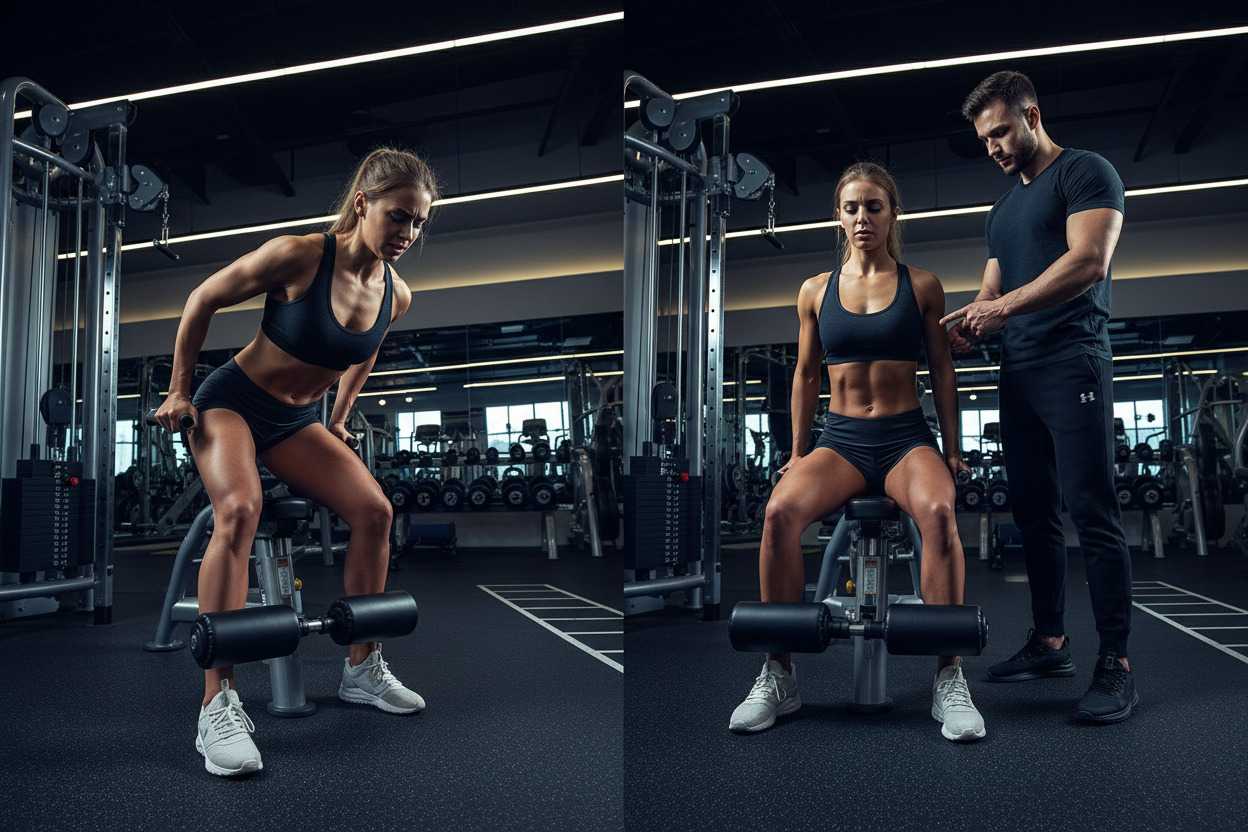
Exercises at the Gym: The Definitive Guide for Real Results
Walking onto the weight floor can feel like entering a foreign country where everyone speaks a language you haven't learned yet. You see rows of complex machines, racks of dumbbells, and people moving with purpose. The sheer volume of potential exercises at the gym can be paralyzing. Often, this leads to "program hopping"—trying random movements without a cohesive plan—which is the fastest way to stall your progress.
This guide cuts through the noise. We aren't just listing movements; we are breaking down the mechanics of a good gym workout so you can walk in with confidence and walk out with results.
Key Takeaways: The Pillars of Gym Success
If you only remember four things about structuring your training, make it these core principles:
- Prioritize Compound Movements: Exercises that use multiple joints (like squats and rows) recruit the most muscle fibers and offer the highest return on investment.
- Progressive Overload is King: You must challenge your muscles more over time by adding weight, reps, or improving form.
- Form Over Ego: A lighter weight moved with perfect tension builds more muscle than a heavy weight jerked around with momentum.
- Rest is Part of the Rep: Adequate rest periods (90-120 seconds for big lifts) allow you to maintain intensity throughout the session.
The Hierarchy of Effective Gym Exercises
Not all movements are created equal. To maximize your time, you need to categorize your workout exercises at the gym into two buckets: Compounds and Isolations.
The "Big Rock" Compound Movements
These should form the start of your workout when your energy levels are highest. These are the best workouts for at the gym because they trigger a systemic hormonal response that aids growth.
- The Squat Pattern: Whether it's a barbell back squat, goblet squat, or leg press, knee-dominant movements are essential for lower body development.
- The Hinge Pattern: Deadlifts and Romanian deadlifts target the posterior chain. These are crucial fitness exercises at gym settings because they correct the posture issues caused by sitting at desks all day.
- Push Movements: Bench press (flat or incline) and overhead press. These handle your chest, shoulders, and triceps.
- Pull Movements: Barbell rows, pull-ups, or lat pulldowns. These build the back and biceps.
Isolation Work for Detail
Once the heavy lifting is done, shift to isolation movements. These are specific workout exercises in gym routines designed to target a single muscle group without taxing your central nervous system (CNS) too heavily. Think bicep curls, tricep extensions, lateral raises, and leg curls. These provide the volume needed for hypertrophy (muscle growth) without the fatigue cost of another set of heavy squats.
Structuring Your Routine: Gym Workout Ideas
Having a list of exercises isn't enough; you need a structure. Random exercise of gym equipment yields random results. Here are two proven frameworks:
1. The Upper/Lower Split
This is ideal for intermediates. You train your upper body on Monday and Thursday, and your lower body on Tuesday and Friday. This frequency hits every muscle group twice a week, which science suggests is optimal for natural lifters looking for good workouts at the gym.
2. Push/Pull/Legs (PPL)
If you can commit to 4-6 days a week, PPL allows for higher volume. Day 1 is pushing (Chest/Shoulders/Triceps), Day 2 is pulling (Back/Biceps), and Day 3 is Legs. This organizes your gym fitness exercise selection logically so muscles that work together rest together.
Common Mistakes with In Gym Exercises
The most common error I see isn't bad form; it's bad tempo. Many people perform gym exercises too quickly. They let gravity do the work on the way down.
To fix this, control the eccentric (lowering) phase. If you are doing a bench press, take two full seconds to lower the bar to your chest. That stretch under load is where a significant amount of muscle damage and subsequent growth occurs. If you rush through your at gym workouts, you are cheating yourself out of gains.
My Training Log: Real Talk
Let's step away from the textbook for a second. I want to talk about the reality of these movements, specifically the Deadlift, which is often touted as the king of workout exercises at gym facilities.
When I first started taking deadlifts seriously, nobody told me about the shin scrape. I remember looking down after a heavy set of five and seeing a streak of blood on the bar. The knurling on a competition bar is aggressive—it feels like a cheese grater against your palms if you aren't using chalk.
There's also a very specific, unglamorous reality to heavy bracing. When you wear a lifting belt properly for a heavy squat, it shouldn't be comfortable. It should be tight enough that when you take that big belly breath, it feels like your eyes might pop out. That pressure is what protects your spine. It’s not pretty, and you might leave the gym with red welts around your waist, but that tactile feedback of the belt digging in is exactly how I know I'm braced correctly for a PR.
Conclusion
Building a physique isn't about finding a secret machine or a magic rep range. It is about mastering the fundamental exercises at the gym and applying effort consistently over months and years. Pick a split, focus on the compound lifts, control your negatives, and don't be afraid of the grit required to move heavy iron.
Frequently Asked Questions
What are the best exercises at the gym for beginners?
Beginners should focus on mastering bodyweight movements and machine-based compounds before moving to free weights. Goblet squats, lat pulldowns, and dumbbell chest presses are excellent starting points because they are safer and help build the neurological connection required for heavier lifting later.
How many gym exercises should I do per workout?
More isn't always better. A good gym workout usually consists of 4 to 6 exercises. Start with 1 or 2 heavy compound movements (3-4 sets), followed by 2 or 3 accessory/isolation movements (3 sets). If you are doing more than 7 exercises with high intensity, you are likely doing too much "junk volume."
Can I do the same workout exercises at the gym every day?
No, your muscles grow while you rest, not while you train. If you perform the exact same workout exercises in gym sessions daily, you don't allow time for repair. At a minimum, rotate between muscle groups (like upper/lower) or take rest days between full-body sessions.