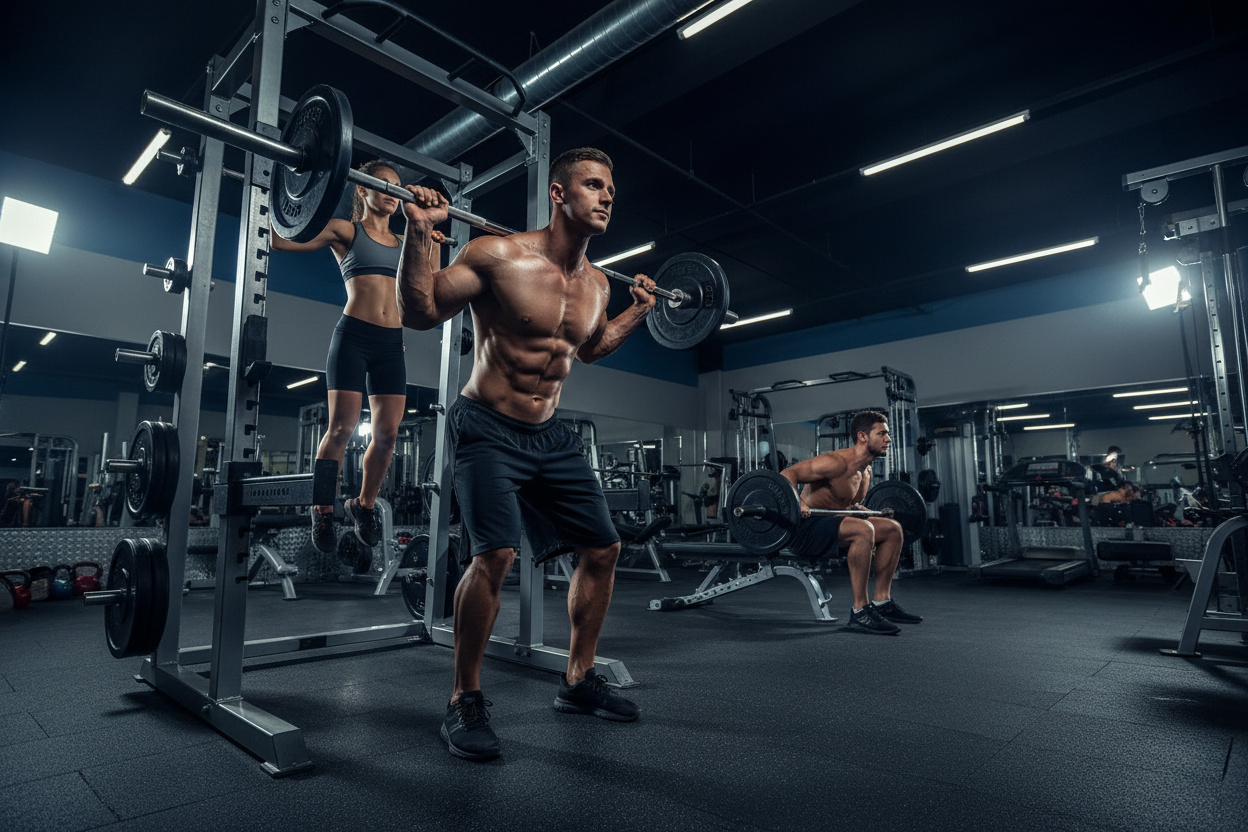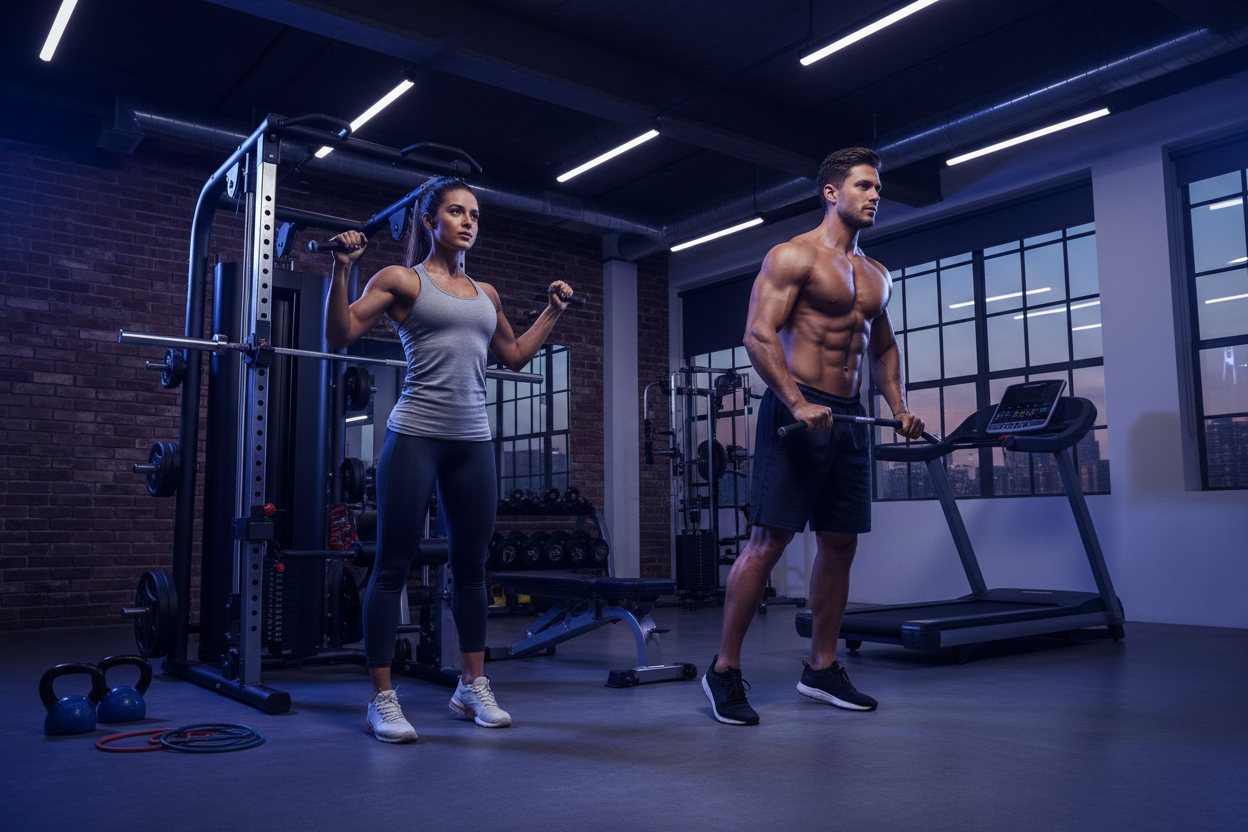
Exercises With Equipment: Maximize Your Home Gym Potential
If you've hit a wall with bodyweight routines or endless dumbbell circuits, you aren't alone. Transitioning to exercises with equipment is the most reliable way to force progressive overload, break through plateaus, and build serious strength in a home gym setting.
Whether you are outfitting a two-car garage or carving out a corner in your apartment, knowing how to properly utilize your gear ensures you get the highest return on your investment.
Key Takeaways
- Equipment-based movements allow for safer, targeted muscle isolation without needing a spotter.
- Adding a compound exercises machine to your space maximizes full-body gains in a minimal footprint.
- Resistance machines exercises provide consistent tension throughout the entire range of motion, sparking new muscle growth.
- Proper form on guided equipment reduces joint strain compared to heavy free-weight alternatives.
The Role of Gear in Your Programming
When you start programming exercises with machines, you unlock a new level of hypertrophic potential. Free weights are incredible for building stabilizer muscles, but machines allow you to push a target muscle safely to absolute failure.
Mastering the Compound Exercises Machine
A compound exercises machine—like a functional trainer, Smith machine, or multi-gym—lets you tackle multi-joint movements safely. Because the movement path is fixed or semi-fixed, you can focus entirely on the mind-muscle connection and moving the weight, rather than balancing it. This is incredibly valuable for movements like heavy presses or rows when fatigue sets in.
Space Planning for Home Gyms
Finding room for dedicated machines exercises in a standard North American garage or basement can be tricky. Most people don't have the luxury of a 500-square-foot dedicated training facility.
Multi-Functional Setup Strategies
If you are tight on space, prioritize versatility. Look for gear that supports dual-action resistance machines exercises. A cable crossover or a half-rack with a lat pulldown attachment allows you to hit your chest, back, and arms without needing three separate bulky stations. Always measure your ceiling height—especially in basements—before buying equipment that requires overhead clearance.
From Our Gym: Honest Take
We test a lot of gear, and I used to be a stubborn free-weight purist. But after adding a dedicated cable tower to my own basement setup, my perspective completely shifted. The constant tension during resistance machines exercises transformed my arm and back programming.
Here is a specific detail I learned the hard way: At 6 feet 2 inches, I noticed I needed a machine with at least an 82-inch height clearance to get a full stretch on lat pulldowns—something most product pages conveniently leave out. While I still love a heavy barbell deadlift, mixing in targeted equipment movements saved my elbows and sparked new growth I hadn't seen in years. The only caveat? Cable machines require routine lubrication on the guide rods to prevent sticking, which is a minor maintenance step you shouldn't skip.
Frequently Asked Questions
Are exercises with equipment better than free weights?
Neither is inherently better; they serve different purposes. Free weights build stabilizer muscles and core strength, while equipment and machines allow you to push closer to muscle failure safely without relying on a spotter.
How much space do I need for a multi-gym machine?
Most standard multi-station machines require a footprint of about 6 feet by 4 feet. However, you must factor in an additional 2 to 3 feet of clearance on all sides for safe operation and comfortable range of motion.
What is the best equipment for beginners?
A high-quality adjustable bench and a set of adjustable dumbbells offer the highest return on investment for new lifters. Once you master the basics, adding a functional trainer or power rack expands your exercise library exponentially.