Exercise Equipment Images: The Definitive Guide to Visual Fitness
We live in a visually driven industry. Whether you are a gym owner curating a marketing campaign, a personal trainer designing a program, or a beginner trying to figure out what that terrifying contraption in the corner does, high-quality exercise equipment images are the bridge between confusion and competence.
Visuals do more than just look good on a website. They serve as critical reference points for biomechanics, safety, and brand authority. In this guide, we strip away the filters to understand how to utilize, capture, and interpret fitness imagery effectively.
Key Takeaways
- Visual Identification: Clear images help distinguish between similar machines (e.g., Hack Squat vs. Leg Press) to prevent injury.
- Marketing Impact: Professional gym equipment photography increases perceived value and trust for facility owners.
- Form Correction: detailed photos of exercise equipment serve as static blueprints for proper joint alignment.
- Stock vs. Real: Authentic, gritty photos often perform better than polished studio shots for engagement.
Decoding the Gym Floor Through Visuals
For the uninitiated, a commercial gym floor can look like a scrapyard of metal and cables. This is where clarity in fitness equipment images becomes a safety tool, not just an aesthetic one.
Identifying the Mechanics
When you look at gym machine pictures, you aren't just looking at steel; you are looking at force curves. A clear image of exercise equipment should highlight the pivot points and the weight stack.
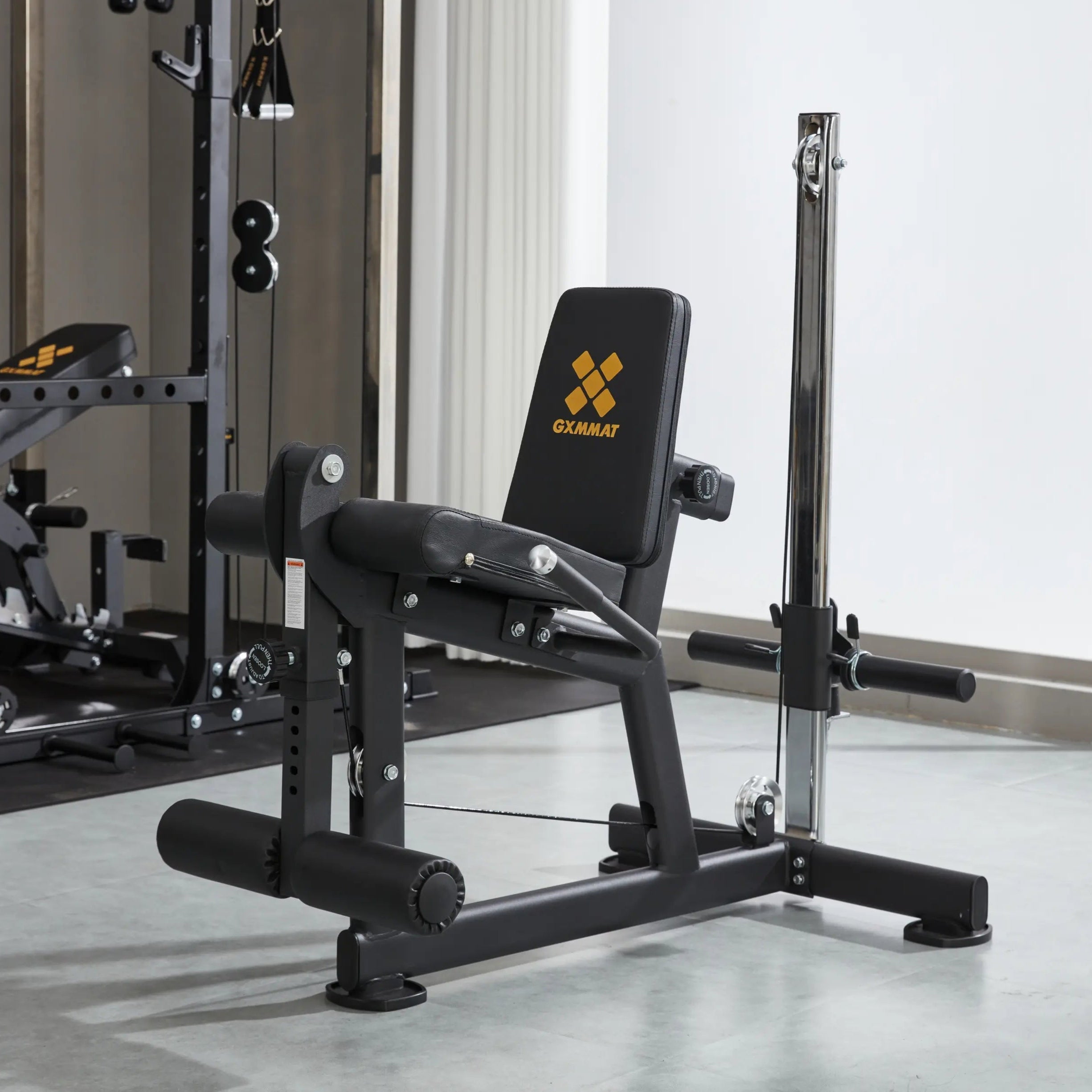
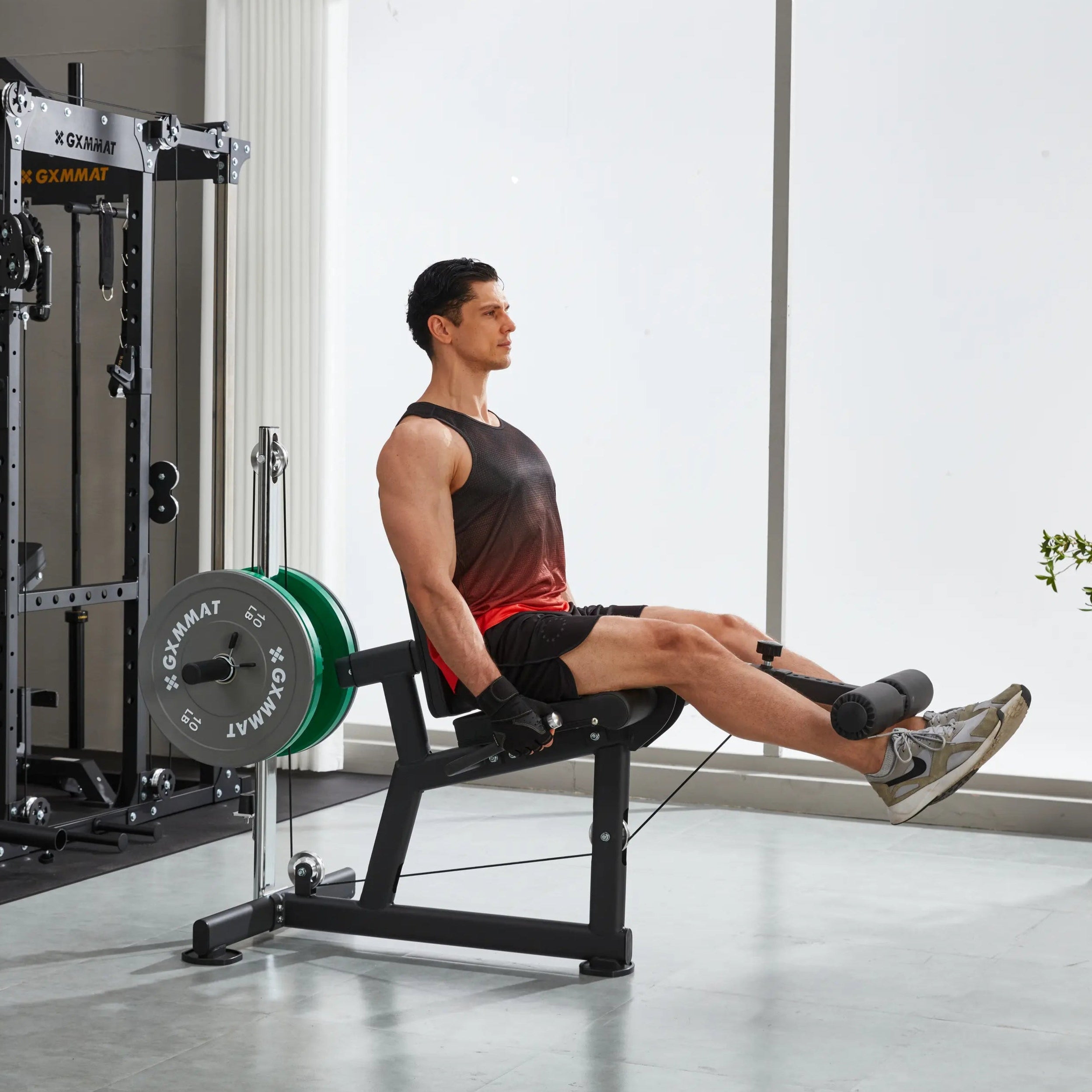
For example, pictures of gym machines like a lying hamstring curl versus a seated one show different hip angles. Recognizing these visual cues helps you select the right tool for your specific anatomy. If you are building a database or a user manual, ensure your exercise machine images are shot from a 45-degree angle to show depth and scale.
The Art of Gym Equipment Photography
Capturing metal, chrome, and black vinyl is notoriously difficult. If you are selling gear or promoting a facility, your gym equipment photos need to pop without looking artificial.
Lighting and Angles
The biggest mistake in a gym equipment photoshoot is using direct flash. This creates harsh glare on the chrome guide rods and monitors. Instead, use diffused, soft lighting to highlight the contours of the frame.
When taking fitness equipment pics for a catalog or resale listing, get low. A photo of gym equipment taken from eye level looks average. A shot taken from waist height makes the machine look imposing and sturdy. This is a common trick in gym equipment photography to convey durability.
Creating the Atmosphere
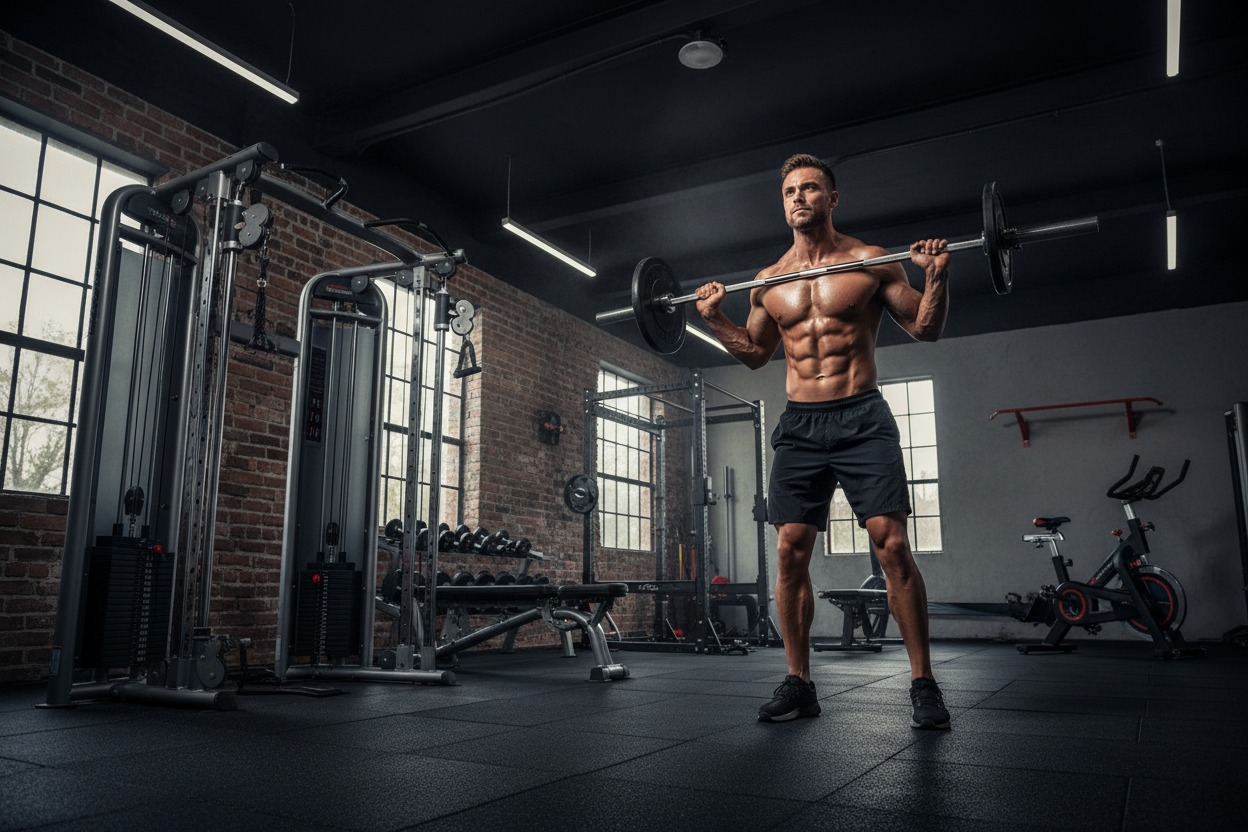
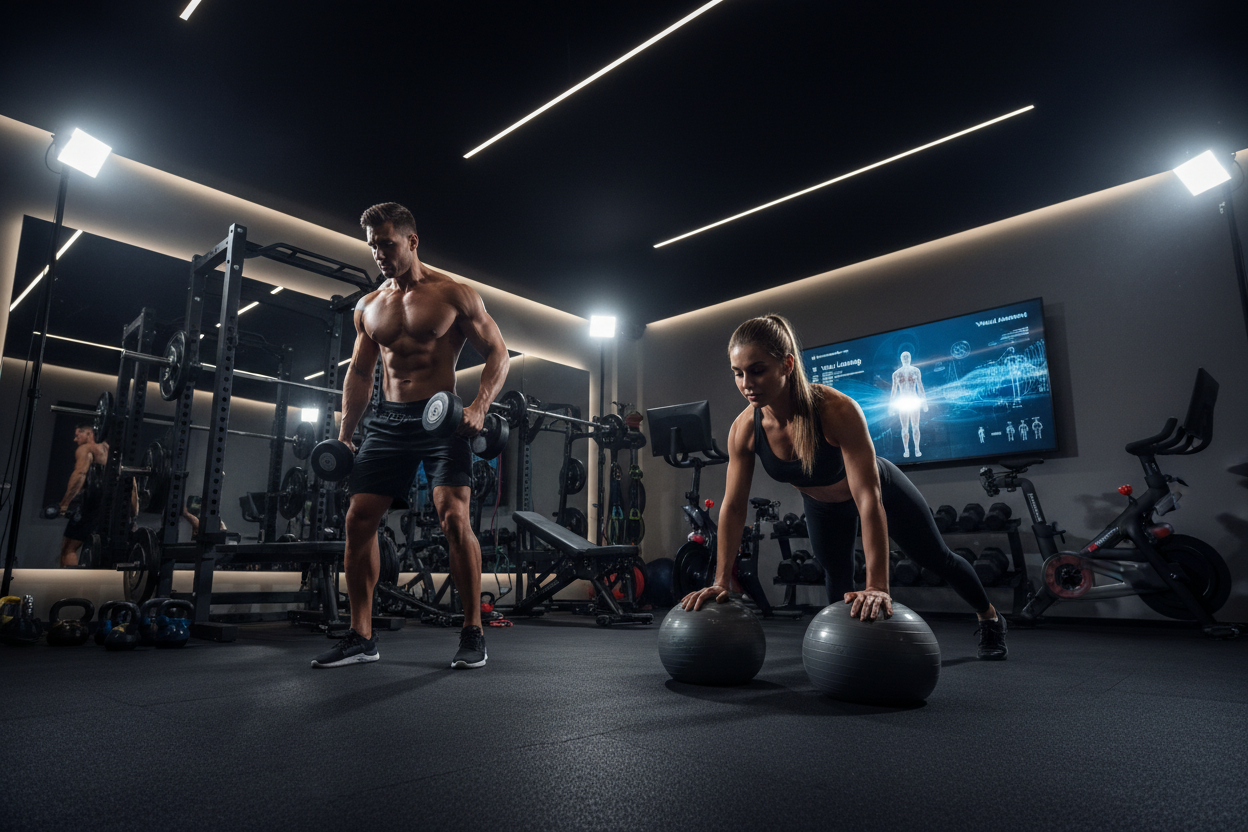
Sometimes you aren't selling the machine; you're selling the feeling. Gym equipment wallpaper often features high-contrast, moody lighting. These images of gym equipment focus on texture—the knurling on a barbell or the worn leather of a bench—to evoke the 'grind' mentality.
Using Pictures for Education and Safety
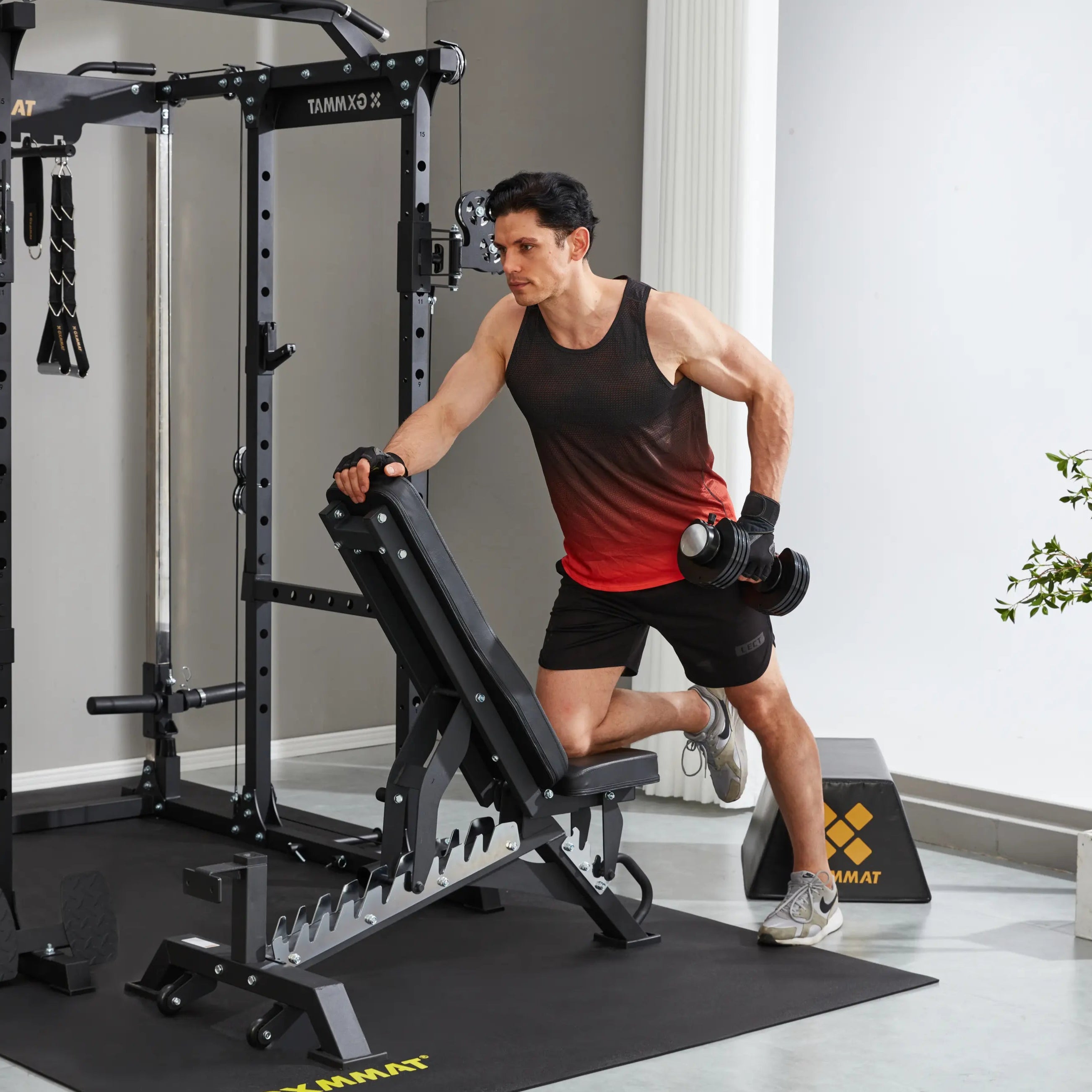
Workout equipment pictures are essential for instructional design. A video moves too fast; a static gym machine image allows the user to study the setup.
When searching for pictures of fitness equipment to include in a training app or guide, prioritize pictures of exercise equipment that show the "start" and "end" positions. These fitness equipment pictures should be annotated. A plain gym machine photo is open to interpretation, but one with arrows indicating force direction becomes a teaching tool.
Common Mistakes in Visual Selection
Avoid using generic, low-resolution exercise equipment pics. Nothing kills credibility faster than a pixelated picture of workout equipment that looks like it was taken in 1998. Furthermore, ensure the image fitness equipment portrays is biomechanically correct. Many stock exercise machines pictures feature models using the gear incorrectly, which can mislead your audience.
My Training Log: Real Talk
I need to share a specific frustration I've had with exercise equipment images versus reality. A few years ago, I was looking to buy a specific plate-loaded row machine for my garage gym. The online gym equipment pic looked pristine—glossy red powder coat, thick padding, the works.
When it arrived, the reality didn't match the fitness equipment pics. The photos had clearly been rendered or heavily edited. They didn't capture the texture of the footplate, which turned out to be a slippery, cheap plastic rather than the diamond-plate steel implied by the lighting in the gym equipment pictures.
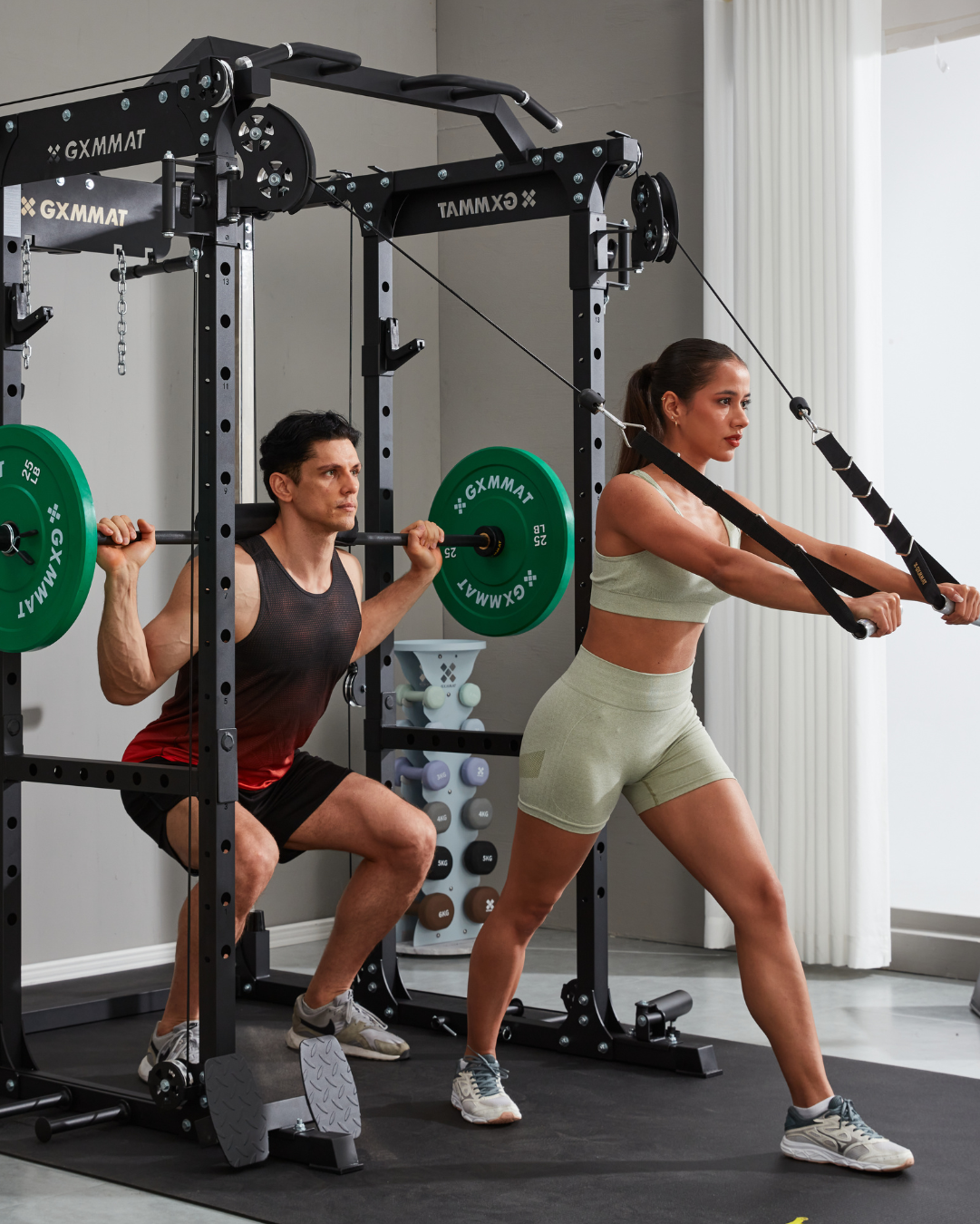
But the real kicker was the "scale." The image workout equipment sellers used had no human reference. I'm 6'2", and when I sat on the machine, the chest pad dug into my stomach because the frame was sized for someone much shorter. Since then, I never trust a gym machine photo that doesn't have a person in the frame for scale. You need to see where the knees hit the pads and where the hands grip the handles. That context is everything.
Conclusion
Whether you are curating gym equipment pictures for a sales brochure or using pictures of gym equipment to learn proper form, the details matter. Look past the gloss. Focus on the mechanics, the scale, and the texture. In the world of physical training, accuracy in your visuals is just as important as accuracy in your movement.
Frequently Asked Questions
Where can I find royalty-free fitness equipment images?
You can find high-quality stock gym equipment photos on platforms like Unsplash, Pexels, and Shutterstock. However, for specific brand models, it is often better to request press kits directly from manufacturers to ensure the exercise equipment pics are accurate.
How do I take better pictures of gym equipment for resale?
Clean the equipment thoroughly to remove dust and chalk. Use natural light if possible, and take the gym machine photo from multiple angles. Close-ups of the upholstery and weight stacks build trust with potential buyers looking at fitness equipment images.
Why do some gym machine pictures look different than the real product?
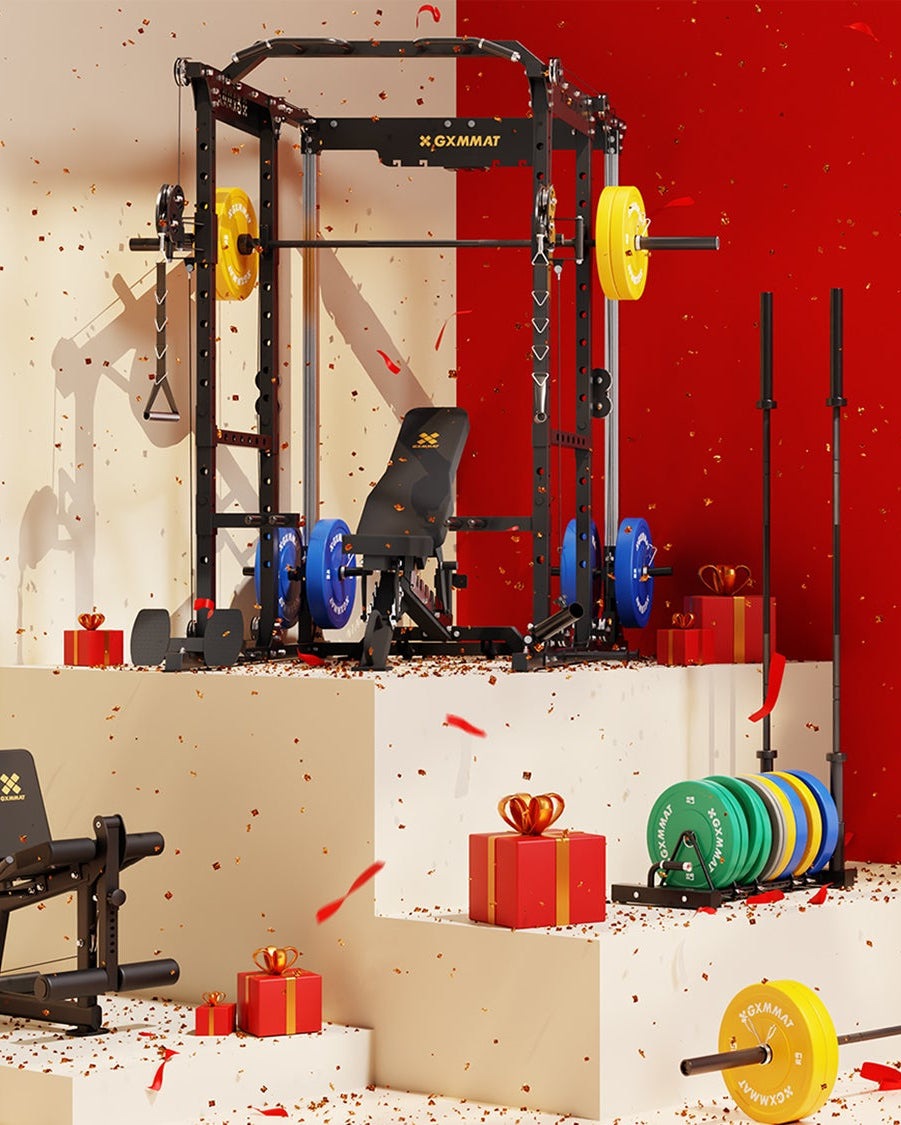
Manufacturers often use 3D renders instead of actual gym equipment photography for their catalogs. These renders can exaggerate the finish or hide imperfections like weld lines, making the image of exercise equipment look cleaner than the physical product.