Light Commercial Fitness Equipment: What to Know Before You Buy
It usually starts with a wobble.
You are setting up for a heavy bench press or racking a loaded barbell, and suddenly your budget-friendly home gym setup feels terrifyingly unstable. If you have outgrown entry-level gear but do not have the budget (or reinforced concrete floors) for full-blown health club machines, light commercial fitness equipment is the exact middle ground you have been looking for.
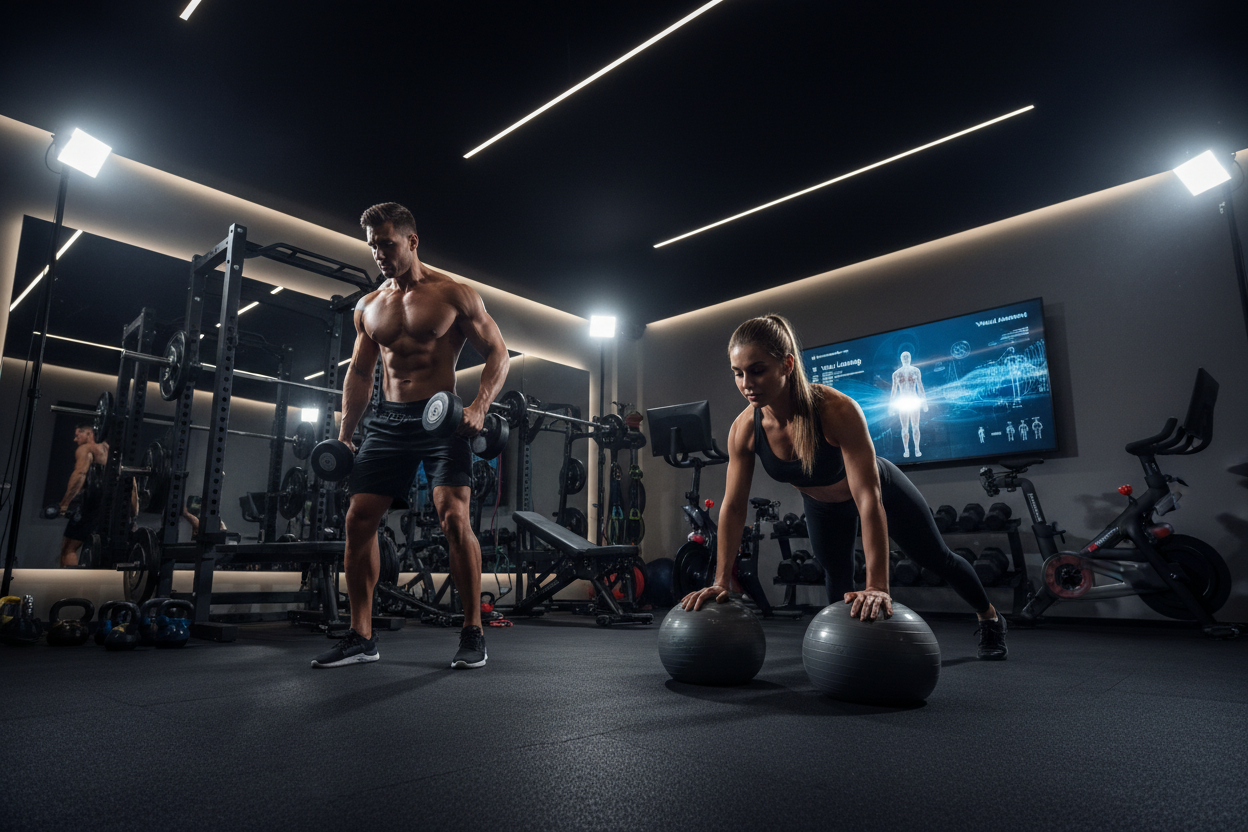
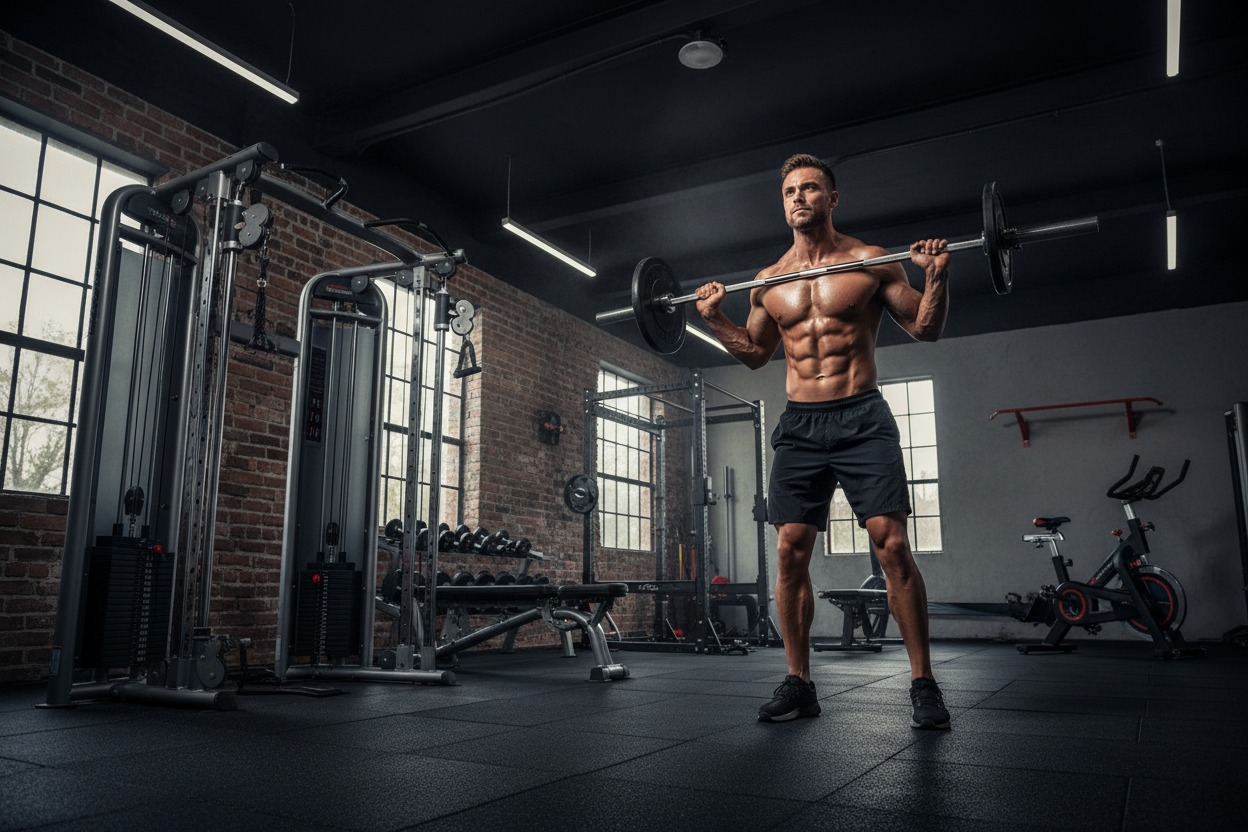
This tier of equipment is designed to handle high-frequency use in boutique studios, hotel gyms, and serious residential setups. In this guide, we will break down exactly what separates it from standard home gear and help you decide if it is the right investment for your training space.
Key Takeaways
- Durability: Built with 11-to-14-gauge steel, offering significantly higher weight capacities than standard home gear.
- Cost-Effectiveness: Delivers 90% of the performance of full commercial machines at a fraction of the premium price.
- Space Requirements: Often features a slightly larger footprint; measure your ceiling height and floor space carefully before ordering.
- Warranties: Typically includes robust warranties covering high-frequency, multi-user environments.
What Exactly is Light Commercial Gear?
The fitness industry generally categorizes equipment into three tiers: residential, light commercial, and full commercial. While full commercial gear is engineered for 24/7 abuse in massive mega-gyms, light commercial gym equipment is built for environments seeing 3 to 8 hours of daily use.
The Material Difference
The most noticeable upgrade is the construction. Standard home equipment often uses thinner 14-to-16-gauge steel, which can flex under heavy loads. Light commercial pieces typically utilize 11-to-12-gauge steel with heavy-duty powder coating. This translates to higher weight capacities (often 1,000+ lbs for racks) and zero wobbling during dynamic, heavy movements.
Space Planning: Will It Fit Your Home Gym?
One of the biggest hurdles when upgrading is the sheer size of the equipment. Pro-grade stability requires a wider, deeper footprint. If you are building out a garage or basement gym, precision measurement is non-negotiable.
Clearance and Layout Rules
Always account for 'working clearance.' A light commercial functional trainer might fit perfectly against your wall, but you need at least 4 to 5 feet of forward clearance for cable crossovers and lunges. Similarly, check your ceiling height. Many premium half-racks stand over 84 inches tall, making low-ceiling basement setups a very tight squeeze.
From Our Gym: Honest Take
When we finally swapped our entry-level squat stand for a light commercial power rack in our primary testing garage, the difference was night and day. The 3x3-inch, 11-gauge steel uprights absorbed the shock of 405-pound rack pulls without a single shudder. The knurling on the included pull-up bar was noticeably more aggressive, meaning my chalked grip held solid through weighted pull-up sets.
However, I will be completely honest about the assembly: it was a beast. Unlike flimsy home gear you can bolt together solo in 30 minutes, this required two people, heavy-duty socket wrenches, and an entire afternoon. It is also incredibly heavy, so once it is bolted down or assembled, you will not want to move it. Plan your layout carefully before tightening the first bolt.
Frequently Asked Questions
Is light commercial fitness equipment worth the extra cost?
If you lift heavy, train multiple times a week, or share your home gym with family members, absolutely. The increased safety, stability, and lifespan make it a smarter long-term investment compared to replacing broken residential gear every few years.
Does light commercial gym equipment come with a warranty?
Most reputable brands offer a specific 'light commercial warranty' that covers the frame for 10 years to life, with 1 to 5 years on moving parts and upholstery. This is significantly better than the standard 90-day warranties found on budget home gear.
Can I put this equipment on a second floor?
It depends entirely on your home's structural integrity. Because this gear is substantially heavier, placing a 400-pound rack loaded with 500 pounds of plates on a second-story floor requires caution. We highly recommend consulting a structural engineer and using high-density rubber stall mats to disperse the load.