Exercise Bike Wheel Guide: What to Know Before You Buy
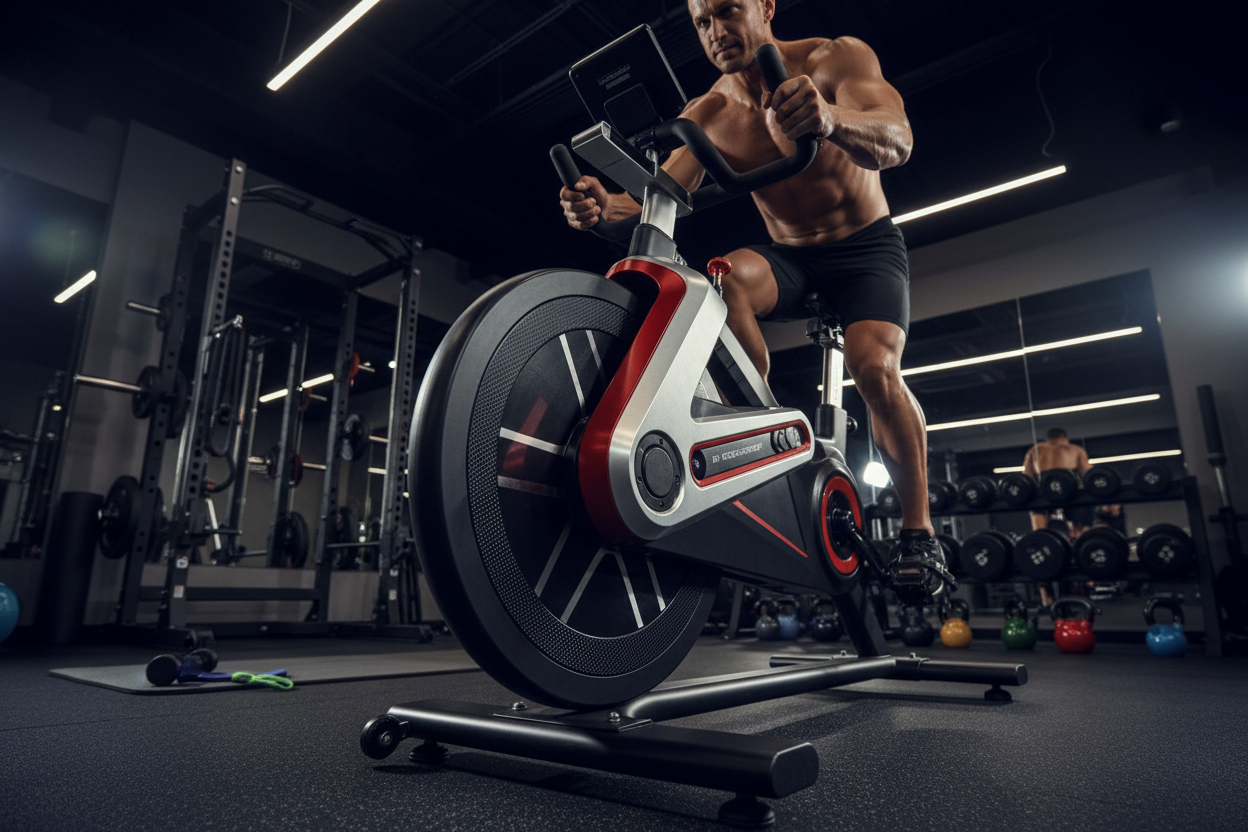
If you have ever hopped on a budget indoor cycle and felt a jerky, uneven pedal stroke, you already know the frustration of a poorly designed exercise bike wheel. Often referred to as the flywheel, this single component dictates the entire feel, fluidity, and intensity of your indoor ride.
Whether you are building a dedicated garage gym or just squeezing a cardio setup into your apartment bedroom, understanding what makes a good wheel tick can save you from buyer's remorse. Let's break down everything you need to know to find the perfect ride.
Key Takeaways
- Weight matters: A heavier wheel (typically 30-40 lbs) generates more kinetic energy for a smoother, road-like feel.
- Resistance types: Magnetic resistance paired with an aluminum or steel wheel offers the quietest, most maintenance-free experience.
- Drive systems: Belt-driven wheels operate silently compared to traditional chain drives, making them ideal for shared living spaces.
- Momentum: The right exercise cycle wheel prevents the "dead spot" feeling at the top of your pedal stroke.
Decoding Flywheel Weight and Resistance
Heavy vs. Light Wheels
In the North American home gym market, you will generally see flywheels categorized by weight. A heavy wheel (30 to 45 pounds) takes more initial effort to get moving, but once it spins, the momentum carries your pedal stroke smoothly. This mimics the feeling of outdoor cycling. Conversely, lighter wheels (under 20 pounds) are common on budget models. While they make the bike easier to move around your basement, they often result in a choppy pedal stroke, especially at high resistance levels.
Magnetic vs. Friction Resistance
The way resistance interacts with your exercise bike wheel is crucial. Friction resistance uses a felt or leather pad that physically squeezes the wheel. It is effective but requires regular lubrication and eventual pad replacement. Magnetic resistance, however, uses magnets that move closer to or further from the metal wheel without ever touching it. It is virtually silent and maintenance-free.
Durability and Maintenance Expectations
Protecting Your Investment
If you are a heavy sweater, your exercise cycle wheel is going to take a beating. Sweat is highly corrosive. If you opt for a bike with a front-mounted steel wheel, you must wipe it down after every session to prevent rust. Premium brands are increasingly moving the wheel to the rear of the bike specifically to keep it out of the "sweat zone," drastically improving the lifespan of the bearings and the wheel itself.
From Our Gym: Honest Take
Over the last year, we have tested over two dozen indoor cycles in our warehouse gym. The biggest lesson? Do not cheap out on the flywheel if you plan to do high-intensity interval training (HIIT). I recently spent a month riding a popular budget bike with a 15-pound wheel. During out-of-the-saddle climbs, the lack of momentum made my knees ache because the wheel would rapidly decelerate at the top of the stroke.
When I switched back to a studio-grade model with a 40-pound perimeter-weighted wheel and magnetic resistance, the difference was night and day. The heavy wheel carried my momentum perfectly. One minor caveat: a 40-pound wheel makes the bike incredibly front-heavy, so if you need to roll your bike into a closet after every workout, keep that weight in mind.
Frequently Asked Questions
How heavy should my exercise bike wheel be?
For most home gym owners looking for a studio-quality ride, aim for a wheel weighing between 30 and 40 pounds. If you are buying a bike with advanced magnetic resistance, some modern designs achieve a smooth ride with lighter wheels by using faster gear ratios, but 30+ pounds remains the gold standard for traditional setups.
Does an exercise cycle wheel need lubrication?
The wheel itself does not need lubrication, but if your bike uses friction resistance, the felt or leather brake pads pressing against the wheel will need occasional silicone-based lubrication to prevent squeaking and premature wear.
Can I replace the wheel on my spin bike?
While it is technically possible to replace a damaged wheel, it is rarely cost-effective for entry-level bikes. You have to source the exact proprietary part from the manufacturer, and the shipping costs for a heavy piece of steel are significant. It is usually better to maintain your current wheel or upgrade the entire bike.