Equipment for a Gym: The Definitive Setup Guide for 2024
Walking into a fitness facility can feel like entering a factory where you don't know what the machinery manufactures. Whether you are a business owner outfitting a commercial space or an athlete trying to navigate the floor, understanding the utility and biomechanics of equipment for a gym is the difference between a productive workout and a waste of time (or budget).
We aren't just talking about aesthetics here. The right gear dictates the quality of movement, the safety of the user, and the longevity of the facility. Let's break down exactly what matters in a modern training environment.
Quick Summary: Essential Equipment Categories
If you are scanning this for a shopping list or a quick layout guide, here are the core pillars that define a complete fitness space:
- Free Weights: Barbells, dumbbells, and kettlebells for compound, stabilizer-recruiting movements.
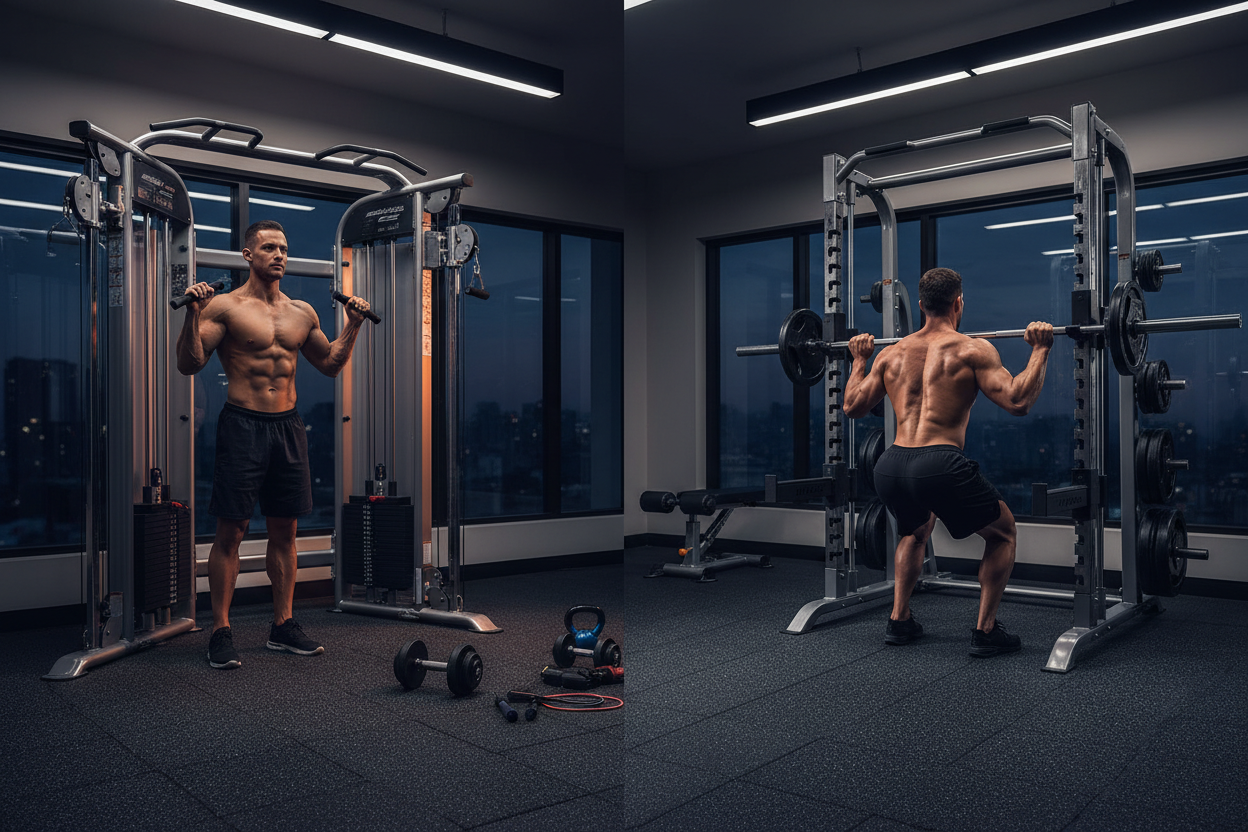
- Selectorized Machines: Pin-loaded equipment for gyms designed to isolate specific muscle groups safely.
- Cardio Units: Treadmills, ellipticals, and rowers for metabolic conditioning.
- Functional Gear: Medicine balls, battle ropes, and plyo boxes for athletic performance.
- Racks and Benches: The structural support required for heavy lifting.
The Iron Backbone: Free Weights
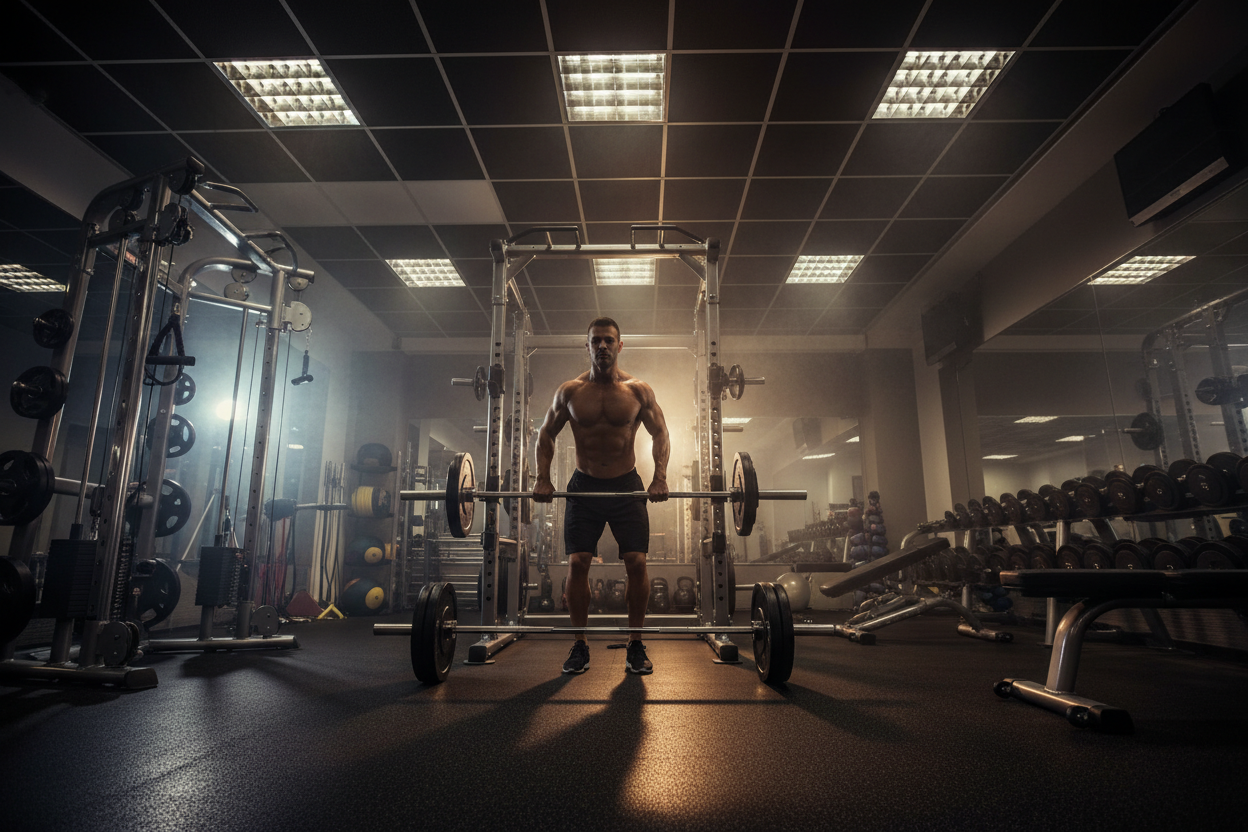
No matter how advanced technology gets, gravity remains king. The core of any respectable facility is the free weight section. This gym equipment forces the user to stabilize the load, recruiting more muscle fibers than fixed-path machines.
The Barbell and Plates
The Olympic barbell is the gold standard of fitness center equipment. However, not all bars are created equal. A powerlifting bar has aggressive knurling and little whip (flex), while an Olympic lifting bar needs to spin freely at the sleeves to prevent wrist injuries during a snatch or clean. When selecting equipment at a gym, the tensile strength of the bar dictates how much abuse it can take before permanently bending.
Dumbbells and Kettlebells
Dumbbells allow for unilateral training, fixing muscle imbalances that barbells might hide. In terms of latest gym equipments trends, urethane-encased dumbbells are superior to rubber because they don't degrade or smell over time. They are a staple equipment for gymnasium setups because they survive the inevitable drops.
Selectorized and Plate-Loaded Machines
While free weights build stabilizers, machines build volume. Fitness equipment for gyms in this category usually falls into two buckets: selectorized (pin-loaded) or plate-loaded.
Selectorized units are vital for beginners or for rapid drop-sets, as changing weight takes seconds. However, the biomechanics must match the human force curve. Bad gym instruments will feel heaviest at the weakest point of your lift, which leads to joint strain. Quality fitness club equipment is engineered to match the natural strength curve of the muscle.
The Cardio Section: Durability Over Flash
When looking at the gym equipment for cardiovascular health, durability is the only metric that truly counts. A commercial treadmill motor runs cool even after 12 hours of continuous use. Cheaper fitness centre equipment will overheat and drag.
The trend is shifting towards self-powered gym equipment and machines, like curved treadmills and air bikes. These require the user to generate the momentum, resulting in a higher caloric burn and less maintenance for the gym owner since there are no motors to burn out.
My Training Log: Real Talk
I want to step away from the specs for a second and talk about how this gear actually feels when you're three sets deep into a heavy session. I've tested equipment for a gym ranging from high-end boutique setups to rusted garage iron, and there is one specific detail that always reveals quality: the knurling.
I remember training at a budget chain gym where the barbells had this passive, almost slippery chrome finish. I was deadlifting, and despite using chalk, the bar started rolling out of my hands mid-pull. It wasn't a grip strength issue; it was a manufacturing issue. I had to reset my hook grip so hard my thumbs felt like they were being crushed.
Contrast that with a proper aggressive screed on a power bar I used last week. The metal bites into your skin—it's uncomfortable, sure, but the bar feels like an extension of your arm. It doesn't wobble. The same goes for benches. There is nothing more terrifying than pressing heavy dumbbells on a bench that has a slight side-to-side wobble because the bolts are loose or the frame is thin gauge steel. You spend more energy balancing yourself than lifting the weight. Quality gear is invisible; it just works. Bad gear makes itself known immediately.
Conclusion
Curating or using equipment for a gym isn't about hoarding the most expensive items; it's about utility. Whether it is a rugged power rack or a smooth-operating cable stack, the best tools are the ones that allow for safe, progressive overload. Focus on biomechanics and build quality first, and the results will follow.
Frequently Asked Questions
What is the most versatile piece of equipment for a gym?
The power rack (or squat rack) is arguably the most versatile. With a barbell and a bench, it allows for squats, bench presses, overhead presses, rack pulls, and pull-ups. It serves as the central hub for almost all strength training.
How long does commercial gym equipment last?
High-quality commercial gym equipment for gyms is built to last between 7 to 12 years with regular maintenance. Cardio equipment usually has a shorter lifespan (5-7 years) due to the moving parts and motors, while free weights like iron plates can last indefinitely.
Is there a difference between home and commercial fitness equipment?
Yes, significantly. Commercial equipment gym gear is constructed with heavier gauge steel (usually 11-gauge or thicker) and higher quality bearings to withstand 24/7 usage. Home equipment is often lighter, less stable, and designed for only a few hours of use per week.