Effective Chest Workouts With Dumbbells for Strength and Shape
Building a strong and defined chest doesn't require a full gym setup—dumbbells and a solid workout plan can deliver impressive results. Chest dumbbell workouts are versatile, allowing you to train at home, in the gym, or even outdoors. By focusing on proper form and a variety of movements, you can effectively target the pectoral muscles and supporting areas for balanced growth. Many lifters enjoy the freedom dumbbells provide for adjusting the range of motion and engaging stabilizing muscles, which works well for both beginners and advanced trainees.
Why Choose Dumbbells for Chest Training
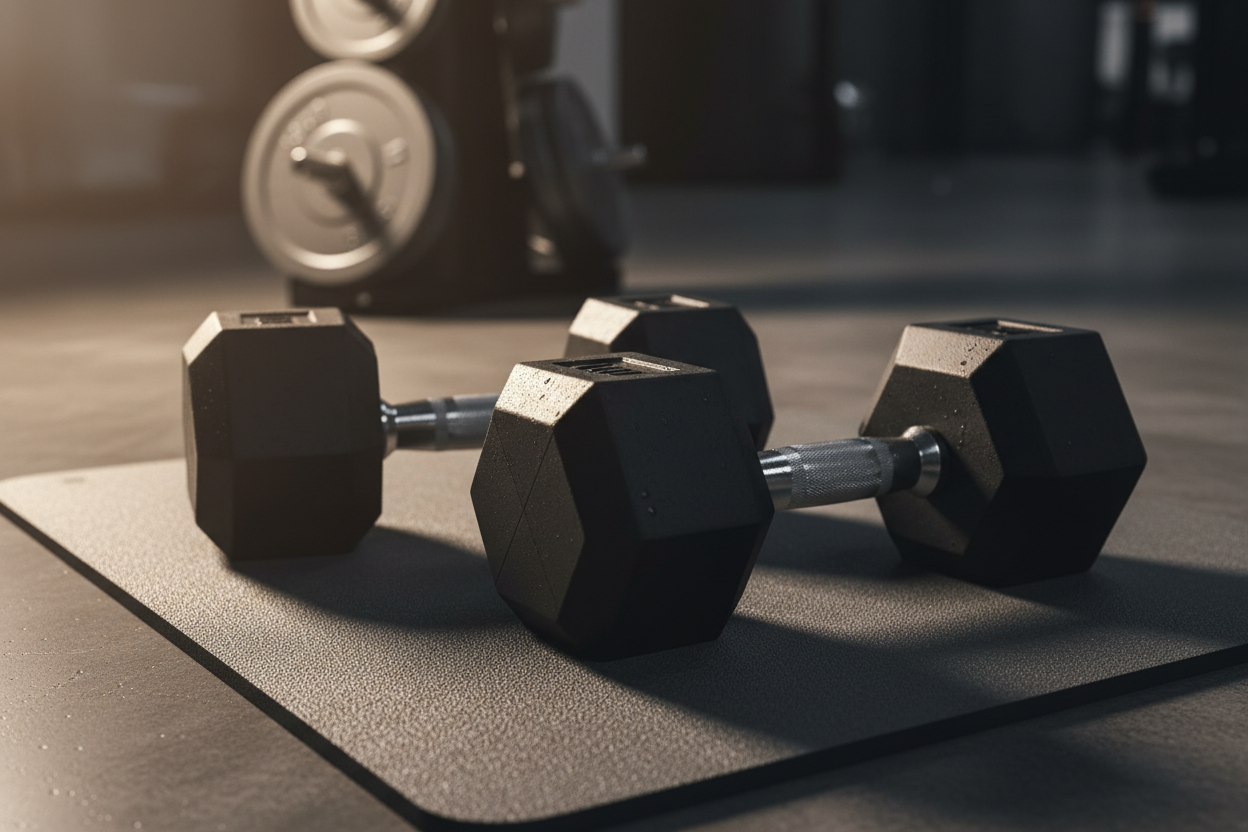
Dumbbell exercises for pecs allow more natural movement than barbells because your hands are not fixed to a single path. This freedom can result in greater muscle activation and help address muscular imbalances. Training with free weights, especially dumbbells, challenges you to control each arm independently, improving coordination and stabilizer strength. Additionally, they are more accessible and cost-effective for those who train at home.
Core Chest Exercises with Dumbbells
There are dozens of good chest dumbbell exercises, but certain movements stand out for both efficiency and effectiveness:
- Dumbbell Bench Press: Performed on a flat bench, this classic move builds overall chest mass. Keep your elbows slightly tucked and lower the dumbbells slowly to maintain tension.
- Incline Dumbbell Press: Targets the upper pecs. Adjust the bench to a 30–45 degree incline for best results.
- Dumbbell Flyes: Great for stretching the chest and isolating the pectorals. Perform on a flat or incline bench to vary the emphasis.
- Floor Press: Limits the range of motion, which can help protect the shoulders while still engaging the chest.
- Reverse Grip Dumbbell Press: A unique way to hit the upper chest, placing more load on the clavicular fibers.
Structuring a Good Chest Workout with Dumbbells
A well-rounded chest workout with free weights should include pressing for strength and fly movements for deep muscle engagement. For example, you might start with heavy flat dumbbell presses to build strength, follow with incline presses for upper chest development, and finish with flyes for isolation and pectoral stretch. A sample routine could look like this:
- Flat Dumbbell Bench Press – 4 sets of 8-10 reps
- Incline Dumbbell Press – 3 sets of 8-12 reps
- Dumbbell Flyes – 3 sets of 10-12 reps
- Floor Press – 3 sets of 8-10 reps
Tips for Maximum Results
To get the most out of your pec dumbbell exercises, focus on slow, controlled movements and proper breathing. Avoid locking out your elbows during presses as this can shift tension away from the chest. Adjust weights based on your current strength level—heavy enough to challenge you, but light enough to maintain strict form. Rest periods should be about 60-90 seconds for hypertrophy, or longer for heavy strength training.
Personal Experience With Chest Dumbbell Workouts
When I first switched from barbell benching to dumbbell chest exercises, I noticed a significant improvement in muscle balance between my left and right pecs. The independent nature of dumbbell training forced me to stabilize each arm separately, highlighting weaknesses and correcting them over time. I also found that my shoulders felt less strained compared to using a barbell, which allowed me to train more consistently without discomfort.
Free Weight Exercises for a Strong Chest
Free weight chest workouts are not limited to dumbbells—although dumbbells offer the most versatility. You can combine them with push-up variations using weighted vests or resistance bands for variety. Still, for chest-targeted work, dumbbells and proper technique remain a top choice for building and defining the pectorals.
Common Mistakes to Avoid
Many lifters perform chest exercises using dumbbells with excessive weight, sacrificing form. Others rush through movements, reducing the time under tension that drives growth. Ensure the bench angle is correct for incline work, and keep a slight bend in the elbows during flyes to protect your joints. Above all, maintain a full range of motion to maximize muscle engagement.
Final Thoughts
All chest workouts with dumbbells can be tailored to fit your fitness level. Whether you're aiming for strength, size, or improved muscle tone, dumbbell chest training remains an effective, adaptable, and joint-friendly approach. Focus on the best exercise chest dumbbells have to offer, progress gradually, and prioritize form for optimal results.
Consistency, proper nutrition, and recovery all play a role in transforming your chest with dumbbell workouts. Treat each training session with intent, and over time, you'll see noticeable changes in both strength and aesthetics.