
Effective Chest Workouts at the Gym for Strength and Size
Building a strong, well-defined chest is a goal for many fitness enthusiasts. Whether you are just starting your fitness journey or have years of training experience, focusing on proper technique and a balanced routine is key to achieving impressive results. A thoughtful approach to chest exercise in the gym can not only enhance muscle growth but also improve overall upper body strength and posture.
Understanding the Chest Muscles
The chest, or pectoral region, is primarily made up of two muscles: the pectoralis major and pectoralis minor. The pectoralis major has two main parts – the upper (clavicular) head and the lower (sternal) head – both of which require specific exercises for balanced development. Targeting the chest from different angles ensures that you achieve full muscular activation, which can make a difference in both strength and aesthetics.
Foundational Gym Chest Workouts
Starting with foundational exercises is essential for anyone aiming to improve their chest. These movements will help you build a solid base before you move on to more advanced lifts.
Flat Barbell Bench Press
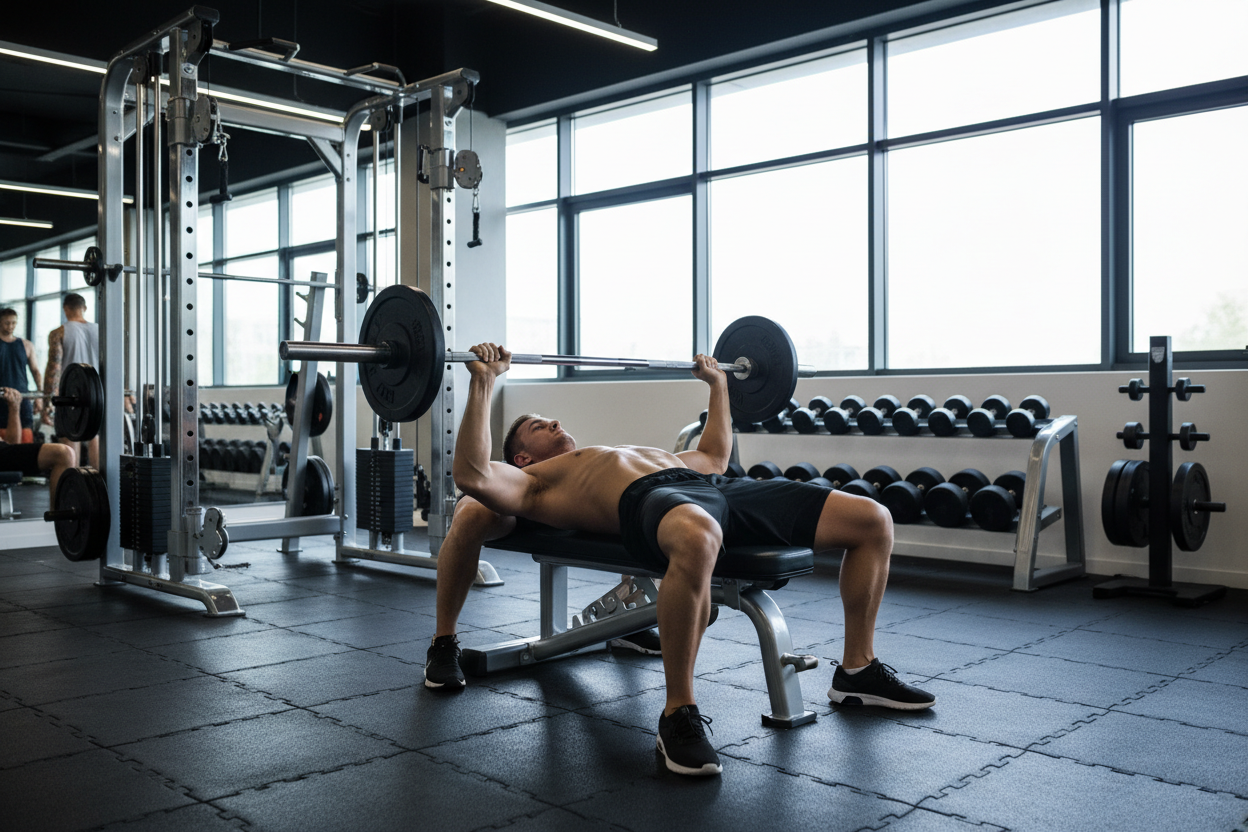
This classic lift remains one of the most effective workouts for chest at the gym. It needs proper form: feet planted firmly, back slightly arched, and the bar lowered to the mid-chest. Keep control during both the lifting and lowering phases. This exercise primarily targets the mid-portion of the pectoralis major while also engaging triceps and shoulders.
Incline Dumbbell Press
An incline bench set at about 30–45 degrees will focus more on the upper chest. Dumbbells allow for a greater range of motion, helping with muscle activation and symmetry. Ensure that your wrists stay aligned and avoid locking out at the top to keep constant tension on the muscles.
Chest Dips
Performed on parallel bars, chest dips emphasize the lower chest and triceps. Lean forward slightly during the movement to better engage the chest muscles. This bodyweight exercise can be made more challenging with added weight using a dip belt.
Isolation Movements for Definition
Isolation exercises can help increase the pump and provide definition. They are often performed after heavy compound lifts to fine-tune muscle growth.
Cable Fly
Cable machines keep constant tension on the muscles throughout the movement. Position the cables slightly above shoulder level for a mid-chest emphasis, or adjust them to target upper and lower areas. Focus on slow, controlled movements and a strong squeeze at the peak contraction.
Pec Deck Machine
This piece of equipment is ideal for beginners and experienced lifters alike. Sit and adjust the handles so that your arms form a 90-degree angle. Contract the chest muscles to bring the handles together in front of you, then slowly return to the starting position.
Structuring a Chest Program
A good chest workout at the gym should combine compound lifts for mass and isolation work for refinement. Aim to train the chest 1–2 times per week, allowing sufficient recovery time between sessions. Here’s a sample program you could implement:
- Flat Barbell Bench Press – 4 sets of 6–8 reps
- Incline Dumbbell Press – 4 sets of 8–10 reps
- Cable Fly – 3 sets of 12–15 reps
- Chest Dips – 3 sets to failure
- Pec Deck Machine – 3 sets of 12–15 reps
Common Mistakes to Avoid
Many people make errors that can slow progress or lead to injuries. Avoid bouncing the bar off your chest during presses, overarch your back excessively, or fail to engage your core. Using weights that are too heavy can compromise form and increase injury risk. Remember, slow progression and consistent training often yield better long-term results than rushing to lift heavier weights.
Personal Experience and Insights
When I first started gym chest workouts, I focused heavily on the bench press, expecting it to be the sole driver of growth. Over time, I learned that a balanced mix of presses, flies, and dips worked far better. Incorporating dumbbells improved my muscle symmetry, and using the cable machine helped me maintain tension throughout the range of motion. I also found that tracking rest times and keeping them between 60–90 seconds maximized my performance without sacrificing recovery.
Safety and Recovery Tips
Proper warm-up and cool-down routines are as important as the workouts themselves. Start each session with dynamic stretches and lighter sets to prime the muscles and joints. Post-workout, performing gentle stretches can aid in flexibility and muscle recovery. Nutrition and hydration also play a vital role in building chest strength – adequate protein intake supports muscle repair while staying hydrated helps maintain performance during workouts.
Final Thoughts
Consistent, well-structured workouts for chest at the gym will deliver noticeable results if approached with discipline and patience. Focus on proper form, adjust angles to target different parts of the chest, and allow time for recovery. Remember that progress is built through persistence, and the gains you achieve will be a reflection of your commitment to training smart.


