Eating Program for Muscle Gain: Home Lifter Guide
Committing to an effective eating program for muscle gain is just as vital as showing up for challenging workouts. Many lifters invest significant energy into training sessions in their home gym spaces but struggle to see visible changes because their daily meals do not provide adequate fuel for growth. Building lean tissue demands sustained nutritional support, structured meal timing, and consistent lifting habits.
When you pair proper kitchen habits with dedicated resistance training, your body receives both the stimulus and the raw materials needed to adapt. Whether you are lifting with heavy dumbbells, resistance bands, or a full barbell setup, your daily food intake governs your strength, your post-workout recovery, and your long-term consistency.
Core Pillars of an Eating Program for Muscle Gain
A successful eating program for muscle gain relies on a modest caloric surplus. Rather than attempting an uncontrolled mass-building phase that leads to unwanted body fat, a measured surplus gives muscle tissue the energy required to rebuild after tough training days. Eating slightly above your daily maintenance level provides the substrate needed for hypertrophy while keeping your body feeling agile and ready for the next session.
Consistency across weeks and months matters far more than any single day of high food intake. Trainees who skip meals on busy weekdays and attempt to make up the difference on weekends often experience sluggish workouts and digestive discomfort. A structured routine provides steady blood glucose and continuous amino acid availability to support muscle protein synthesis throughout the day.
Reviewing our building muscle diet foundations guide can help you evaluate how steady caloric surpluses work alongside structured lifting routines. When your body trusts that energy is regularly available, training intensity remains high from the first warm-up set to the final repetition.
Balancing Your Daily Plate: Protein, Carbohydrates, and Fats
Constructing meals from wholesome ingredients ensures you receive both macronutrients and essential micronutrients. Each component of your plate plays a distinct role in muscle development and recovery:
- Lean and Varied Protein Sources: Dietary protein provides the amino acid building blocks for muscular repair. Incorporating poultry, eggs, fish, lean beef, Greek yogurt, tofu, and legumes into every meal keeps your system equipped to recover from strenuous lifting sessions.
- Complex Carbohydrates: Carbs are the primary fuel source for high-intensity strength training. Whole oats, sweet potatoes, brown rice, quinoa, and whole-wheat pasta replenish glycogen reserves within muscle fibers, allowing you to sustain power during heavy compound lifts.
- Wholesome Fats: Dietary fats support hormonal balance and cell function. Adding moderate servings of avocados, olive oil, raw nuts, seeds, and natural nut butters adds calorie density without requiring massive food volume that slows digestion.
Focusing on minimally processed whole foods prevents the energy spikes and crashes often triggered by refined snacks. A well-rounded plate gives you sustained stamina, helping you push through demanding training without hitting a wall midway through your sets.
Daily Meal Timing Around Home Gym Training
Strategic meal timing helps maximize physical performance while minimizing stomach heaviness during workouts. Training with heavy weights requires focus and core engagement, both of which are compromised if a heavy meal sits undigested in your stomach.
Plan your main pre-workout meal roughly two to three hours before your session. This plate should feature moderate protein paired with slow-burning complex carbohydrates and low amounts of fat. If you lift early in the morning or have limited time before training, a lighter snack combining easily digestible carbohydrates with a modest protein serving about thirty to forty-five minutes beforehand can provide rapid energy without gastrointestinal distress.
After you finish your final set, focus shifts toward post-workout recovery. Eating within a reasonable window after training delivers nutrients to exhausted muscles, replenishing stored energy and kickstarting the tissue rebuilding process. For a closer look at daily meal scheduling, explore our daily home diet plan for gaining muscle to organize your prep routine.
Sample Daily Schedule for Gaining Mass
Distributing your food into four or five balanced sittings makes hitting your daily calorie needs feel manageable rather than overwhelming. Here is a practical layout designed for lifters training at home:
- Breakfast: Rolled oats cooked with whole milk or a plant alternative, topped with sliced bananas, chia seeds, and a side of whole eggs or egg whites scrambled with spinach.
- Mid-Day Lunch: Grilled chicken breast or baked salmon paired with a generous portion of brown rice, roasted sweet potatoes, and steamed green vegetables drizzled with extra-virgin olive oil.
- Pre-Training Fuel: A small bowl of Greek yogurt topped with fresh berries and a drizzle of honey, or a slice of sourdough toast topped with almond butter.
- Post-Workout Dinner: Lean ground turkey or lentil chili served over quinoa with diced avocado and mixed greens, accompanied by plenty of fresh water for hydration.
- Evening Recovery Snack: A light serving of cottage cheese or a simple casein shake paired with a handful of walnuts to sustain nutrient delivery overnight.
Be mindful of portion sizes before bedtime. Consuming an excessively heavy meal late at night can disrupt restful sleep cycles and slow your next-day appetite. To understand how late-night eating habits influence muscle adaptation, read our guide to nighttime eating and muscle growth.
Creating a Stable Home Environment for Progressive Overload
Even the most diligent eating program for muscle gain cannot build muscle on its own; food only provides the potential energy. You must supply a consistent physical stimulus through progressive overload. In a home gym setting, that means adding repetitions, lifting heavier loads, or refining movement control on foundational compound lifts such as squats, deadlifts, and overhead presses.
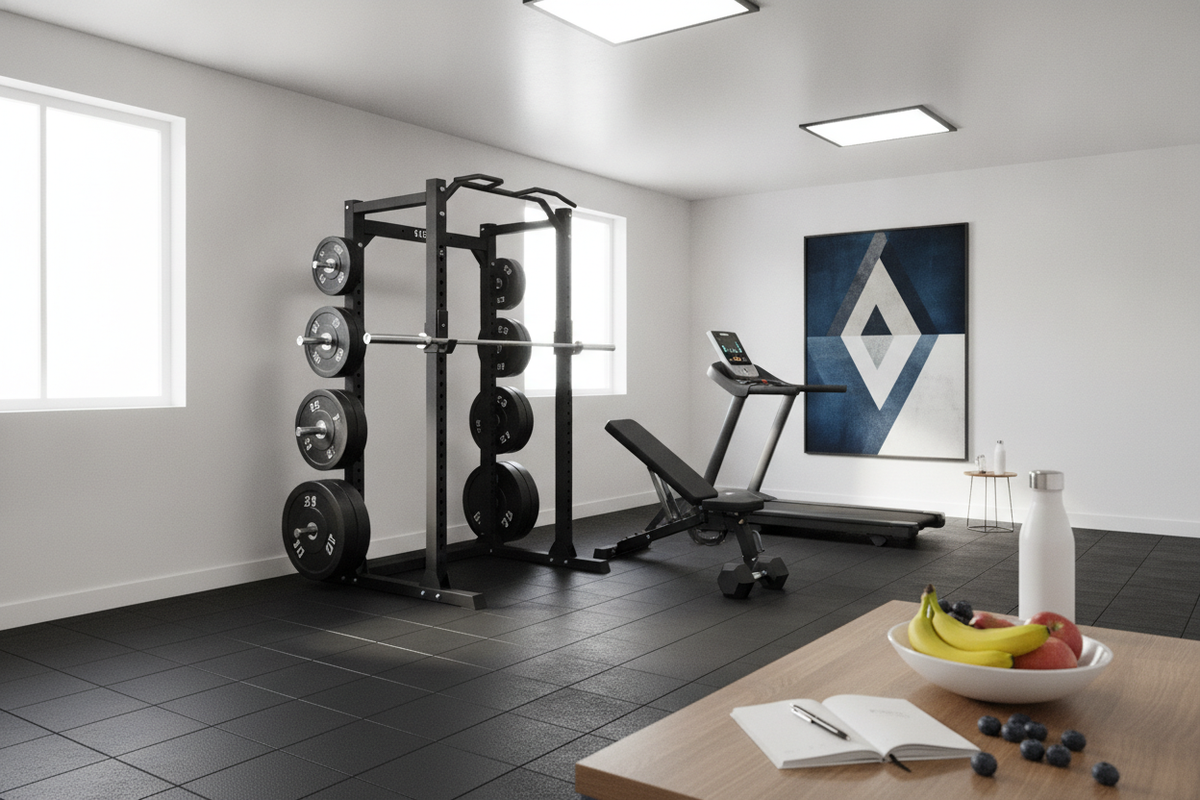
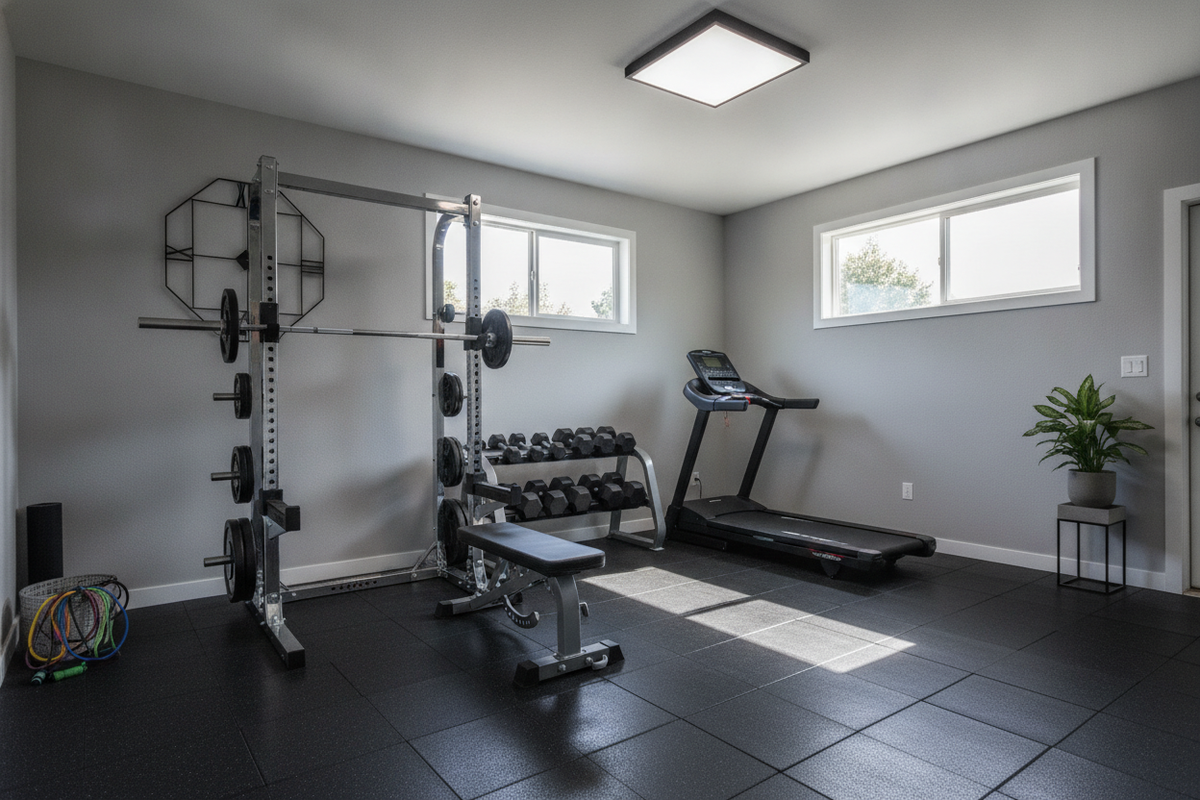
To perform these multi-joint exercises safely and forcefully, your training floor must offer reliable grip and shock absorption. High-density gym flooring and exercise mats protect your subfloor from dropped dumbbells and heavy barbell plates while providing firm, non-slip footing. When your feet stay securely planted on a stable surface, your body can direct maximum force into the lift rather than wasting energy balancing on slick hardwood or unstable carpet.
Integrating a thoughtful nutrition plan with a well-equipped training space creates a positive feedback loop. For recommendations on arranging a dedicated workout area alongside your meal strategy, refer to our muscle mass food and training space guide.
Overcoming Common Pitfalls in Muscle-Building Nutrition
Many lifters encounter frustrating plateaus when trying to gain muscle size. Addressing these frequent obstacles keeps your momentum moving forward:
- Under-Eating on Busy or Stressful Days: Forgetting meals during hectic schedules is the most common reason trainees stop gaining size. Keeping portable whole-food snacks, such as trail mix, boiled eggs, or whole-grain wraps, ensures you never leave your calorie targets unmet.
- Over-Reliance on Liquid Supplements: While protein powders offer quick convenience, they should complement whole-food meals rather than replace them. Whole foods provide dietary fiber, vitamins, and minerals that promote lasting energy and steady digestion.
- Ignoring Hydration and Rest: Muscle tissue holds significant water volume, and metabolic processes slow down when hydration is inadequate. Pair your eating routine with regular water intake and sufficient nightly rest to allow natural rebuilding processes to take place.
- Rushing Progress: Sustainable muscular growth requires patient execution over months. Tracking your weekly body weight and training numbers lets you make minor food adjustments rather than jumping from one extreme diet to another.
By balancing wholesome meals, intentional timing around your workouts, and a dependable lifting space at home, your eating program for muscle gain will fuel continuous physical progress and build long-lasting strength.