Eat Before Lifting Weights: What and When to Fuel
Deciding what to eat before lifting weights can completely change how your training session feels. Whether you are stepping up to a barbell for heavy squats or moving through a circuit of dumbbell presses, your body requires fuel to generate force, sustain focus, and maintain solid technique. When lifters step onto the gym floor under-fueled, sets often feel heavier, concentration wanes, and workouts can stall early. Finding the right balance of timing and nutrients helps ensure you have reliable training energy without feeling sluggish or bloated.
Should You Eat Before Lifting Weights?
Many lifters debate whether it is better to train fasted or fed. While some individuals tolerate early morning training on an empty stomach, most lifters find that choosing to eat before lifting weights provides distinct advantages for performance. Weight training demands quick bursts of muscular effort. Carbohydrates supply readily available glycogen to fuel these muscle contractions, while moderate protein intake helps prime the body for the recovery demands ahead.
If you head into a grueling workout session completely depleted, you may notice a dip in stamina, reduced muscle fullness, and early fatigue during heavy lifts. Conversely, having some nourishment in your system stabilizes energy levels and supports physical endurance. For a deeper breakdown of daily nutritional choices that support long-term strength training, exploring an eat lifting weights guide can provide additional ideas for structuring your overall meal plan.
Timing Windows for Eating Before Weight Training
The question of eating before weight training is not just about what you consume, but also when you consume it. Your digestive comfort directly affects how well you can brace your torso, stabilize your hips, and generate power under load.
- Two to Three Hours Before: This window suits a balanced pre-workout meal. Consuming a blend of complex carbohydrates, lean protein, and modest fats gives your gastrointestinal system ample time to digest the food. Because digestion takes energy, allowing two or three hours prevents that heavy, lethargic sensation during warm-up sets.
- Thirty to Sixty Minutes Before: If you are training first thing in the morning or several hours after lunch, a light pre-workout snack is ideal. At this stage, focus on easily digestible carbohydrates with minimal fat and fiber to deliver quick fuel without creating stomach fullness.
Timing your intake ensures you avoid the discomfort of heavy food sloshing around during dynamic barbell movements. Core bracing is essential during compound lifts, and an overly full stomach makes high-pressure intra-abdominal bracing uncomfortable.
Smart Pre-Workout Meal and Snack Options
When selecting your fueling strategy, the goal is sustained energy and digestive ease. Complex carbohydrates break down gradually, while simple carbohydrates offer fast-acting glycogen top-ups before you lift weights.
Substantial Pre-Workout Meals
When you have a few hours before your workout session, choose wholesome combinations such as:
- Oatmeal topped with sliced bananas and a scoop of protein powder.
- Grilled chicken breast with white rice and lightly steamed zucchini.
- A turkey wrap on a whole-wheat tortilla with a slice of avocado.
- Scrambled egg whites with sourdough toast and a touch of fruit spread.
Quick Pre-Workout Snacks
If you only have under an hour before training, reach for smaller, fast-absorbing options:
- A medium ripe banana or a small handful of dried raisins.
- A slice of white toast with a thin layer of honey or jam.
- Rice cakes paired with a small smear of nut butter.
- A low-fat fruit smoothie blended with water or almond milk.
Understanding how nutrition fits alongside regular resistance exercises is central to consistent progress. To review the comprehensive physical advantages of regular strength work, review our weight lifting training guide.
Common Fueling Mistakes Lifters Make
Even dedicated lifters sometimes struggle with inconsistent energy due to avoidable meal habits. Being mindful of these pitfalls helps keep your workouts smooth and productive:
- Overeating Fatty Foods: Fats take the longest to leave the stomach. Consuming greasy foods, excessive oils, or very rich dairy right before training can cause cramping, reflux, and sluggishness during compound sets.
- Overdosing on Fiber: While fibrous vegetables, beans, and high-bran grains are staples of a healthy diet, eating large amounts right before working out can lead to abdominal bloating and distress.
- Relying Only on Sugar Rushes: Candy or high-sugar drinks can spike energy rapidly, but they may cause an equally rapid drop in energy midway through an intense strength session.
- Neglecting Hydration: Even the best pre-workout meal cannot compensate for dehydration. Sip water steadily in the hours leading up to your workout to support muscle function and joint comfort.
Connecting Pre-Lift Nutrition to Your Home Gym Setup
Fueling your body properly is only half the equation for a successful session; your training environment must also support the energy you bring to the bar. When you eat before lifting weights, your muscles feel charged and ready for intense work. Translating that energy into productive sets requires a stable, organized training area.
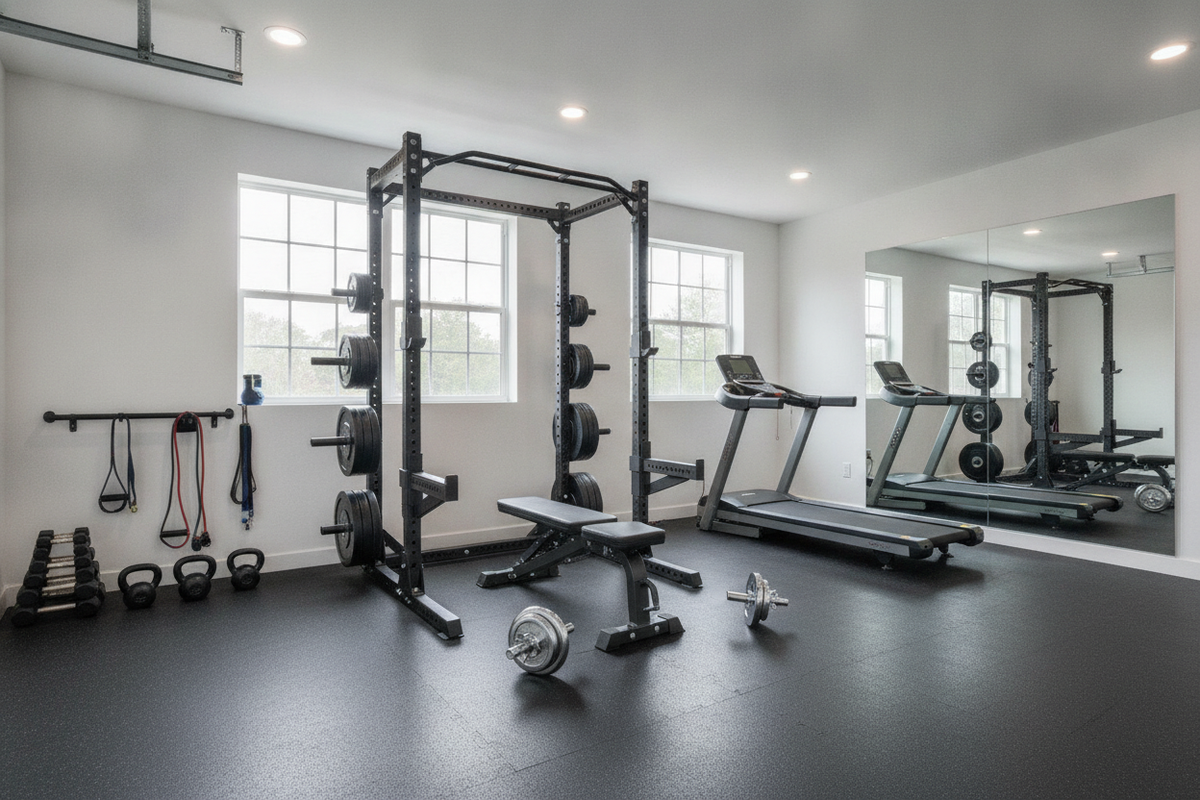
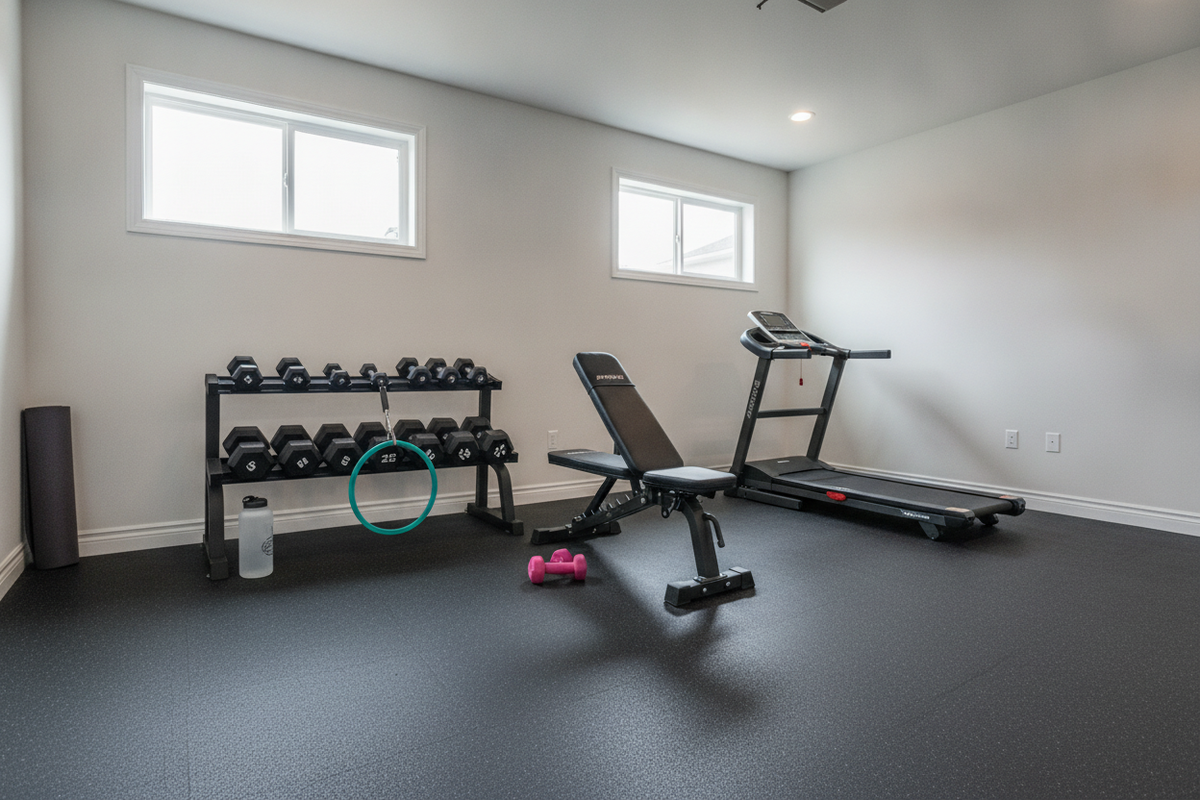
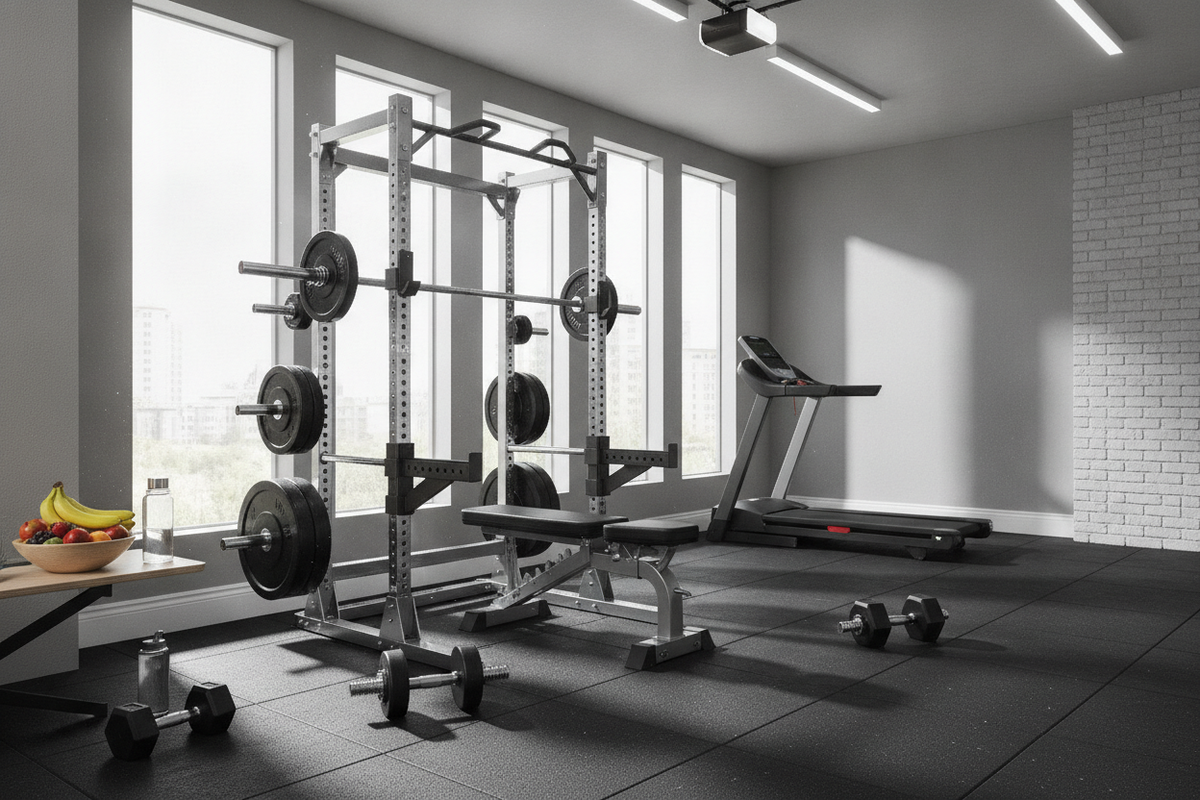
Whether you are outfitting a garage space or a dedicated spare room, selecting durable equipment like dedicated weight lifting collection stations gives you the structural support needed to train safely with loaded barbells, weight stacks, or cable pulleys. A secure rig or bench allows you to direct all your muscular effort into each repetition without worrying about equipment instability.
Supporting Safe Training and Stable Flooring
When you have optimal training energy and are lifting weights at higher intensities, foot stability and joint protection become paramount. Dropping into deep squats, pulling deadlifts from the floor, or pressing overhead requires traction and floor protection.
A high-density exercise mat or resilient home gym floor setup serves several critical roles:
- Traction and Balance: Rubber gym flooring creates a non-slip foundation, ensuring your lifting shoes stay firmly planted as you brace and exert maximal force.
- Surface and Equipment Protection: High-density mats protect your subfloor and weight plates from impact damage during heavy repetitions.
- Vibration and Noise Reduction: Dedicated gym flooring absorbs mechanical shock, creating a quieter environment that allows you to concentrate fully on your form.
Pairing your fueling strategy with supportive gear, such as wrist wraps, lifting belts, and items from a curated training collection, helps you maintain consistent technique across your entire workout session. When your nutrition, equipment, and flooring work together, you create the ideal conditions for safe, rewarding progress.