Easiest Full Body Workout: Simple Moves and Setup
Finding a fitness plan that fits into a busy schedule does not require complicated machinery or endless hours of training. For many people, starting with the easiest full body workout is the most practical way to establish positive movement habits without feeling overwhelmed. By focusing on a compact selection of multi-joint actions, you can stimulate every major muscle group efficiently while keeping physical fatigue manageable.
A well-structured session strips away unnecessary complexity so you can focus on proper technique, steady breathing, and steady pacing. Whether training in a living room, a garage, or a fitness facility, understanding how to pair accessible exercises with supportive flooring gives you the confidence to exercise regularly without dreading joint discomfort or floor scuffs.
What is the easiest full body workout for beginners?
The easiest full body workout for beginners is a balanced circuit of fundamental compound movements: a supported squat, an elevated push, a horizontal row, a hip hinge, and a brief core hold. This straightforward grouping engages the upper body, lower body, and midsection in a single brief session without requiring specialized machines or technical lifting skills.
By sticking to straightforward patterns, this type of full body routine eliminates decision fatigue. You do not have to wonder which isolated muscle to train on a given day. Instead, working through a few high-value movements ensures total physical engagement in thirty minutes or less, making it simple to maintain momentum week after week.
What Makes an Easiest Full Body Workout Effective?
Many people assume that exercise must feel exhausting or painful to produce meaningful results, but sustainable strength starts with basic motor control. The easiest full body workout works because it emphasizes balance and movement quality rather than sheer exhaustion. When you recruit several muscle groups simultaneously through compound movements, your body adapts naturally to everyday physical demands.
Focusing on a modest repetition range allows beginner lifters to practice clean form without breakdown. Keeping sets between eight and twelve repetitions provides adequate stimulus while keeping each repetition crisp. In addition, scheduling sensible rest intervals of sixty to ninety seconds between exercises keeps your heart rate steady without rushing your next effort. This measured pacing builds long-term workout consistency, which matters far more than any single grueling session.
Essential Movements for an Easy Total Body Workout
Designing an easy total body workout comes down to picking reliable, low-friction exercises that can be adjusted as you gain confidence. Rather than switching between dozens of pieces of equipment, you only need your body weight and a pair of light dumbbells. For those who want extra ideas for low-stress movement patterns, consulting an easy total body guide can provide additional postural cues that fit smoothly alongside these foundational lifts.
Lower Body: Goblet Squat and Glute Bridges
Squatting builds leg strength and hip mobility, making it a cornerstone of any effective routine. The goblet squat is especially accessible because holding a light weight against the chest naturally encourages an upright torso and balanced foot pressure. Stand with feet slightly wider than shoulder-width, sit your hips down as if aiming for a sturdy chair, and press evenly through your whole foot to return upright. When done with proper form, the goblet squat strengthens the quadriceps and hips while placing minimal strain on the lower back.
To target the back of the legs without heavy spinal loading, combine the squat with glute bridges. Lying flat on your back on a dense exercise mat, bend your knees with your feet flat on the floor. Drive through your heels to raise your hips until your thighs and torso align, hold for a count, and lower gently. These two total body exercises complement each other by balancing the front and back of the lower body with very low joint impact.
Upper Body: Incline Push-Ups and Dumbbell Rows
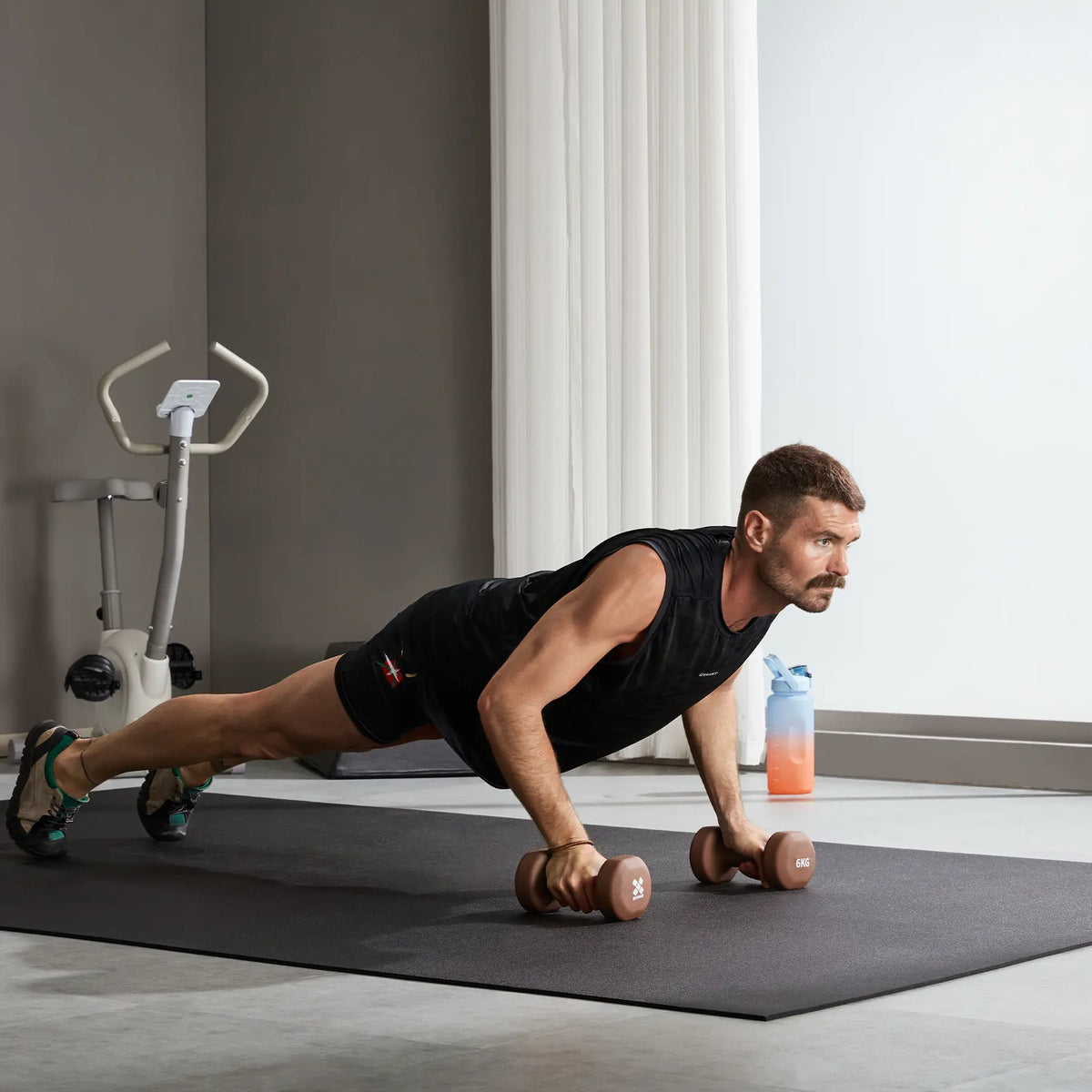
Upper body training does not require complicated bench presses or overhead barbell work. Starting with incline push-ups against an elevated surface, like a secure counter or sturdy bench, reduces load on the wrists and shoulders while teaching clean chest and arm coordination. Keep your body straight from heels to head, lower your chest smoothly toward the ledge, and push back to full arm extension.
To balance the pushing motion, incorporate horizontal pulling through dumbbell rows. Place one hand and knee on a firm surface or hinge forward at the hips with a flat back, pulling a light dumbbell toward your hip while keeping the elbow close to your ribcage. Performing two to three sets of controlled dumbbell rows strengthens the upper back and shoulders, helping to counteract the rounded posture caused by prolonged desk work.
Midsection Support and Core Stability
A resilient midsection is essential for protecting the spine during everyday lifting tasks. Developing reliable core stability does not require aggressive twisting or hundreds of crunches. Instead, isometric bracing teaches your abdominal muscles to resist movement and stabilize the pelvis.
A short plank hold from the forearms or hands teaches total-body tension in a safe position. Practicing a twenty to thirty second plank hold on a padded surface keeps the elbows comfortable while teaching you how to brace the midsection. When integrated into the easiest full body workout, these basic bracing drills tie the upper and lower body movements into a cohesive, sturdy unit.
Setting Up Your Space for an Easiest Full Body Workout
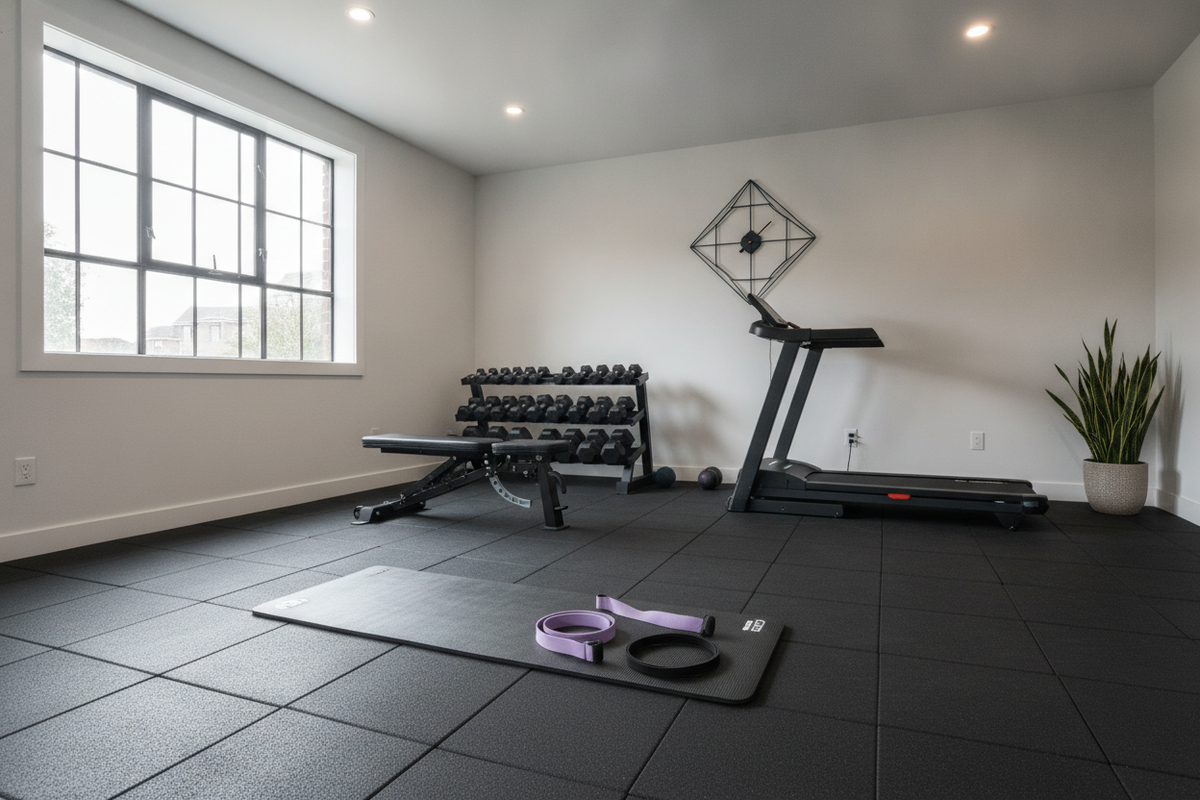
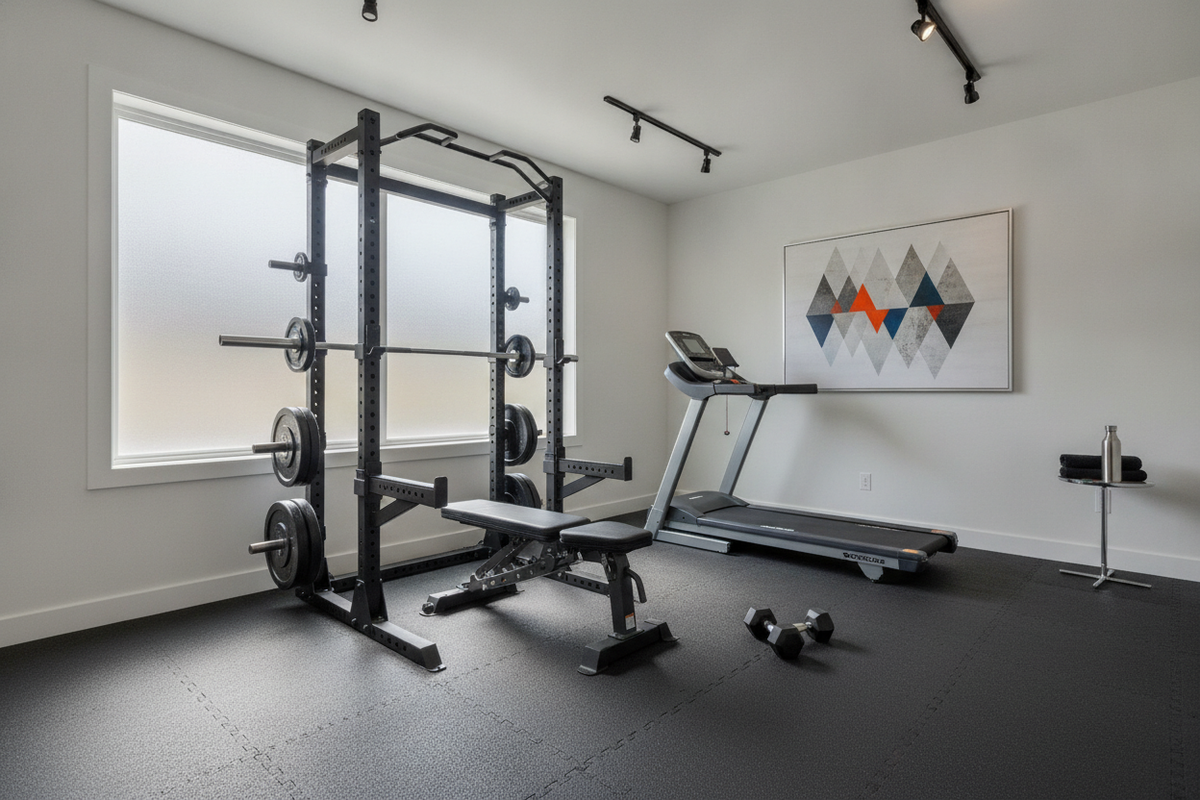
Creating an inviting training area reduces the mental resistance that often delays a workout. You do not need an entire dedicated room to run an easiest full body workout; a clear six-by-eight-foot space is plenty for almost all bodyweight exercises and dumbbell work. Ensure the floor is level and free of tripping hazards like loose rugs or power cords.
Floor selection plays a vital role in both safety and comfort. Hard surfaces like concrete or hardwood can cause elbow and knee discomfort during floor exercises, while slippery laminate creates hazards during standing squats. Laying down a protective gym workout mat provides the necessary subfloor protection against dropped weights while establishing a secure, non-slip workout surface. Having dependable floor traction allows you to push through your feet without worrying about sliding, which makes every movement feel more stable.
A durable, protective gym mat also absorbs ambient vibrations, helping to quiet the clatter of weights and footwork. Placing your light dumbbells on a designated mat area preserves your home flooring and keeps your equipment organized between sets.
Step-by-Step Easy Full Body Gym Workout Plan
Here is a direct template you can follow two to three times per week. Before diving into your working sets, spend three to five minutes on a brief warm-up routine consisting of arm circles, gentle hip openers, and light walking in place to prepare your joints.
- Goblet Squat: 2 to 3 sets of 8 to 10 repetitions with body weight or a single light dumbbell.
- Incline Push-Ups: 2 to 3 sets of 8 to 10 repetitions using a sturdy elevated ledge.
- Dumbbell Rows: 2 to 3 sets of 10 repetitions per side using a comfortable hand weight.
- Glute Bridges: 2 to 3 sets of 10 to 12 repetitions performed on a protective gym mat.
- Plank Hold: 2 sets of 20 to 30 seconds focusing on steady abdominal bracing.
If you prefer following illustrated routines or browsing structured movement libraries, exploring an online workout resource can help you visualize each exercise before starting your session.
How Often Should You Do an Easy Full Body Gym Workout?
You should perform an easy full body gym workout two to three non-consecutive days each week. This frequency gives your muscles and connective tissues forty-eight hours to recover between training sessions, preventing excessive fatigue while reinforcing steady progress.
For those training in a commercial facility, this easy full body gym workout saves valuable time because it avoids crowded machines. You can complete the entire session in a small open turf or functional training zone using only a single pair of dumbbells and a mat. Repeating this exact easy full body gym workout across several weeks lets you build mastery over the movements rather than constantly adjusting machine pins and seat heights.
Common Beginner Pitfalls to Skip
When starting an easy total body workout, the biggest mistake is doing too much too soon. Beginners often assume they need complicated routines, leading to frustration and burnout. Keeping your plan centered on the easiest full body workout helps you maintain focus on execution rather than variety.
Another common misstep is training on slick socks or unpadded floors. Exercising without adequate cushioning increases joint impact on the knees and hips during lunges or kneeling rows, while unanchored mats can slide. Investing in a dense exercise mat creates a reliable foundation that protects joints and flooring alike. If you enjoy guided machine adjustments or incline variations, reviewing a workout total gym guide can give you helpful modification ideas for alternative home setups.
Lastly, do not rush through your repetitions. Moving with control allows you to monitor proper form and prevents unnecessary joint strain. Controlled movement makes the easiest full body workout both comfortable and genuinely effective over the long run.
Maintaining Your Workout Space
Keeping your training area neat makes it much more welcoming for your next session. After finishing your easy total body workout, take a moment to wipe down your mat and weights with a damp cloth and mild soap to clear away sweat and dust. Keeping your non-slip workout surface clean ensures it maintains optimal grip for future workouts.
Store dumbbells neatly against a wall or in a low rack so they do not roll across the floor. If using a rollable mat, store it flat or loosely rolled to prevent curled edges that could create trip hazards. Taking these small maintenance steps keeps your space ready so your next easy full body gym workout remains as effortless and convenient as possible.