Drop the Machines: The Real Rules for Weight Lifting at 60
I remember watching my dad walk into a big-box gym for the first time in a decade. He headed straight for the seated chest press, thinking he was playing it safe by staying away from the 'heavy' stuff. Within three weeks, his rotator cuff was screaming, and he quit. He fell for the myth that weight lifting at 60 means staying locked into a padded chair.
The truth is that most commercial gym setups are designed for insurance liability, not human longevity. If you want to actually build bone density and stay mobile enough to pick up a grandchild or a heavy bag of mulch, you need to move in three dimensions. Strength training at 60 is about reclaiming your movement, not restricting it.
- Free weights allow for natural joint paths, reducing repetitive stress injuries.
- Connective tissue recovery is your new bottleneck—not muscle soreness.
- A quality adjustable bench is the foundation of a safe home setup.
- The 'big three' for seniors: Hip hinges, goblet squats, and rows.
- Progression comes from tempo and control, not just adding plates.
Why the 'Safe' Machine Circuit is Actually a Trap
Most traditional weight lifting machines are built for the 'average' person, which usually means a 5'10' male with perfect joint mobility. If you don't fit that exact mold, these machines force your shoulders and knees into fixed paths that can grind down cartilage over time. They ignore the stabilizer muscles that keep you balanced in the real world.
When you use a machine, the equipment does the balancing for you. At sixty, balance is a 'use it or lose it' skill. By switching to dumbbells or kettlebells, you're forcing your core and smaller stabilizing muscles to fire. This creates 'functional' strength that actually shows up when you're walking on uneven pavement or reaching into a high cabinet.
I've seen more 'overuse' injuries from fixed-path machines than I ever have from properly coached free-weight movements. Your body wasn't designed to move on a steel rail. Weight lifting for over 60 should prioritize your body's natural mechanics over the convenience of a selectorized stack.
The Connective Tissue Reality Check
Here is the hard truth: your muscles can still get stronger relatively quickly, but your tendons and ligaments are moving on a different timeline. Resistance training for over 60 requires a shift in mindset. You aren't training for a bodybuilding stage; you're training to keep your joints 'greased' and your bones dense.
Tendons have less blood flow than muscles, meaning they take longer to adapt to new loads. If you jump into a high-volume program too fast, you'll end up with tendinitis before you even see a change in the mirror. I recommend a 48-hour minimum rest period between sessions. Strength training over 60 isn't about how much you can do today, but how much you can consistently do for the next twenty years.
Your Non-Negotiable Training Setup
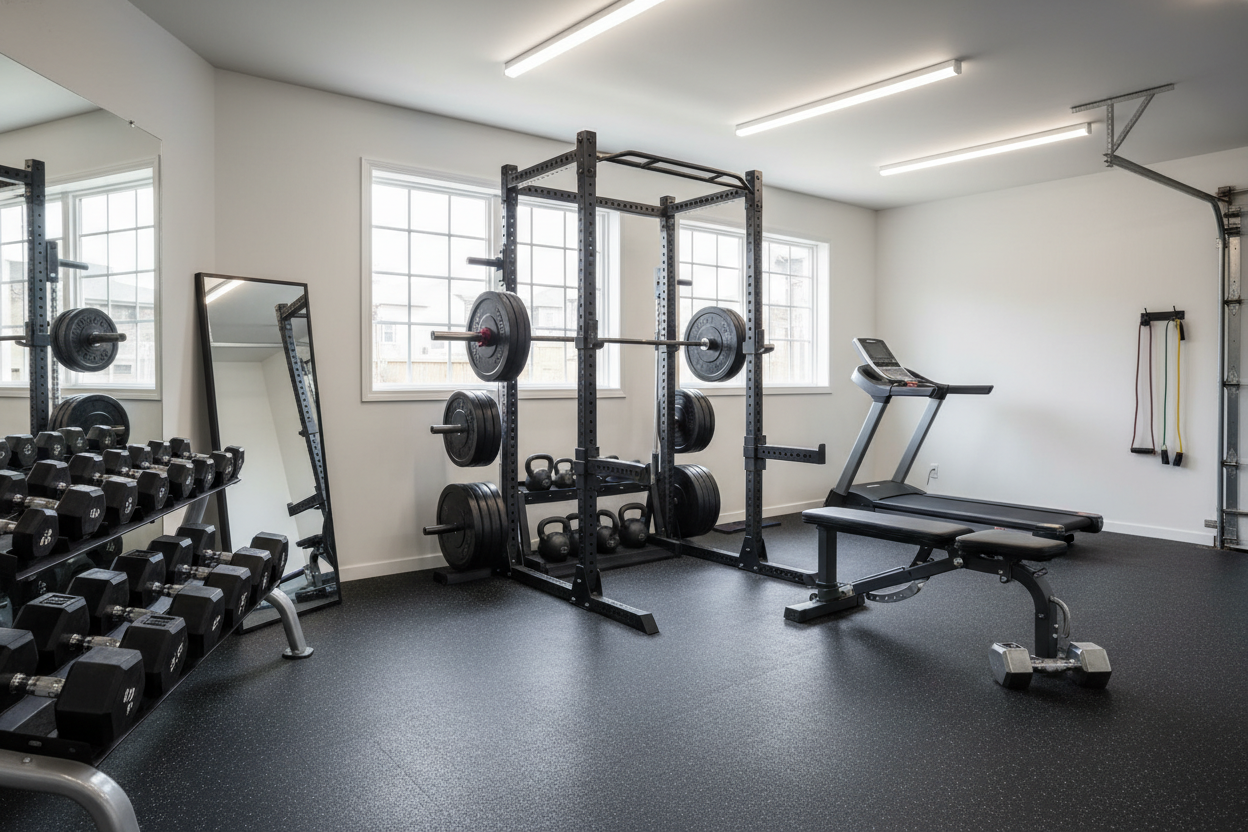
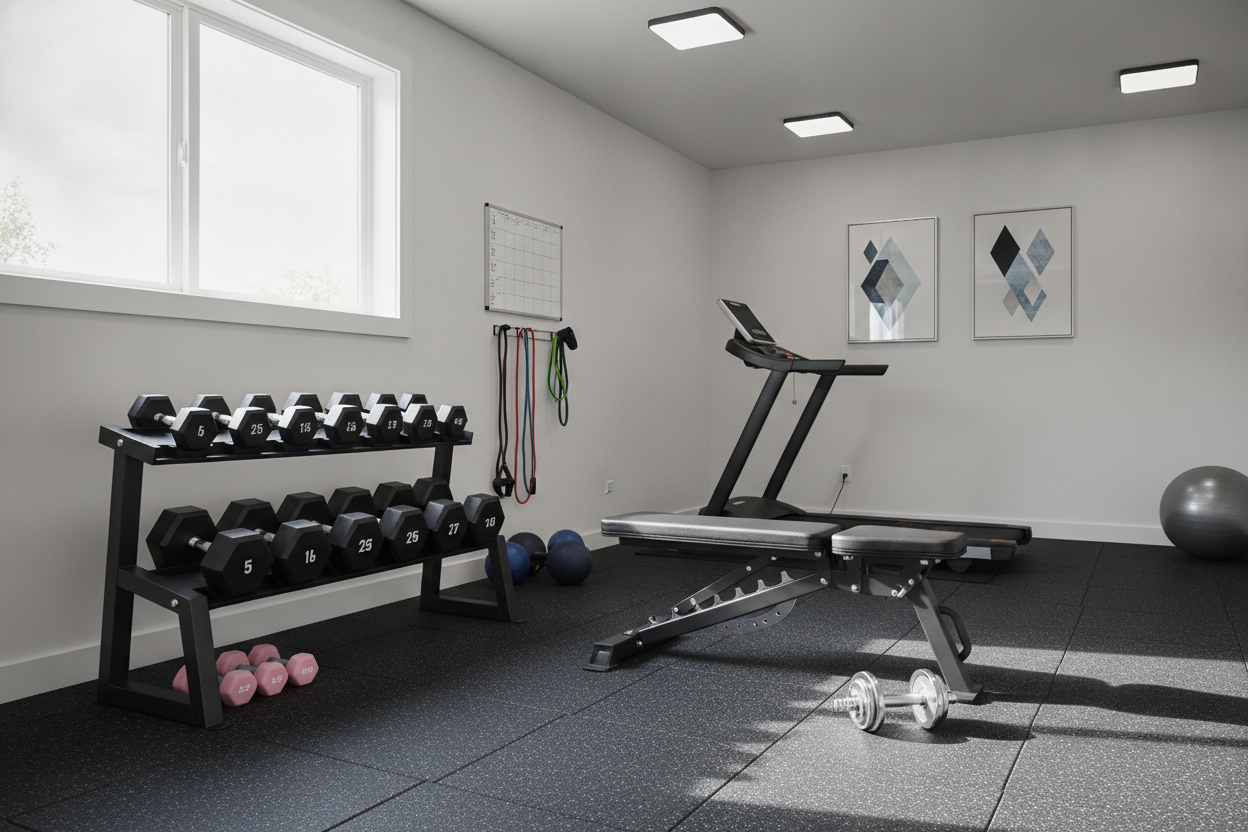
You don't need a 2,000-square-foot commercial space to get results. For weight training at 60 at home, focus on a few high-quality pieces. Start with a rock-solid adjustable weight bench. Look for something with at least a 600-lb capacity and minimal 'pad gap.' A stable base is vital when you're doing seated overhead presses or supported rows; a wobbling bench is a recipe for a tweaked lower back.
Next, get a versatile set of dumbbells. I prefer the ones that feel like real weights, not the plastic-coated ones that roll away. If you are tight on space, adjustable dumbbells are fine, but ensure they have a secure locking mechanism. When choosing the right strength equipment, prioritize items that allow you to start light—around 5 to 10 lbs—and progress in small increments.
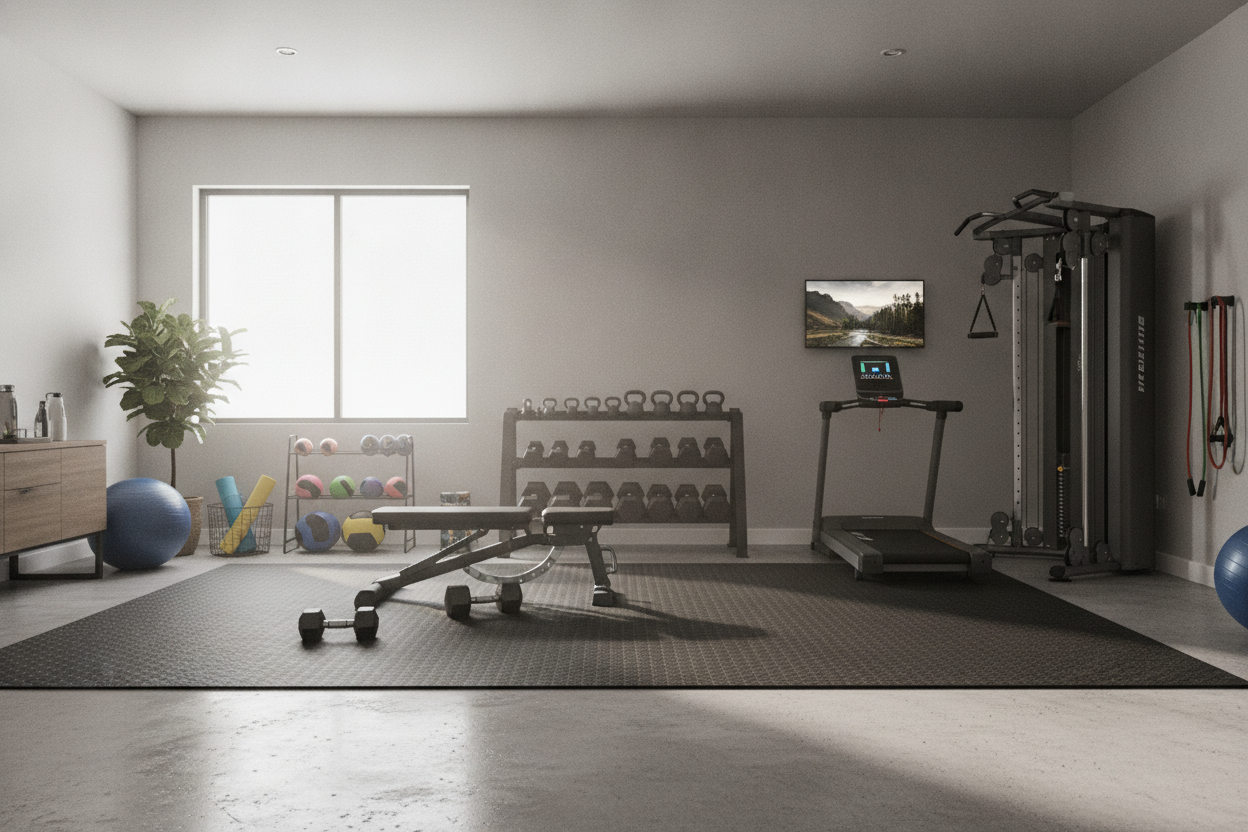
A 6x8 ft space with some rubber flooring is all you need. Don't overcomplicate it with fancy cables or vibrating platforms. Resistance training over 60 works best when the equipment is simple enough that you actually use it three times a week.
Three Foundational Movements to Master First
Stop doing bicep curls and leg extensions as your primary lifts. If you want real-world power, master the hip hinge first. This is the movement used to pick up a box from the floor without blowing out a disc. Start with a 'waiter's bow' against a wall before adding any weight. Once you have the form, a light kettlebell or dumbbell deadlift is the gold standard for weight lifting after 60.
Second is the goblet squat. Hold a weight against your chest; this acts as a counterbalance, allowing you to sit deeper while keeping your spine neutral. It's much safer for aging backs than a traditional barbell back squat. Third is the supported dumbbell row. Use your bench for support to take the strain off your lower back while you build the 'pulling' strength needed for better posture.
And please, stop handing seniors 2lb weights and expecting results. To fight sarcopenia (muscle loss), you need enough resistance to actually challenge the muscle. If you can do 20 reps without breaking a sweat, the weight is too light. Aim for 8-12 reps where the last two are difficult but your form remains perfect.
How to Progress Without Pushing Your Luck
In your 20s, progression meant adding 5 lbs to the bar every week. For weight training for the over 60s, progression looks different. Instead of just adding weight, try slowing down the 'eccentric' (lowering) phase of the lift. A three-second descent builds massive stability and control without the joint impact of a heavier load.
When you do feel ready to move up, use basic strength training accessories like fractional plates or magnetic 'add-on' weights. Jumping from a 15-lb dumbbell to a 20-lb dumbbell is a 33% increase—that's huge. Adding just 1 or 2 lbs at a time is the secret to staying injury-free while still hitting new PRs.
My Own Reality Check
A few years ago, I tried to coach my uncle through a standard powerlifting program. I was stubborn; I thought everyone should barbell back squat. He ended up with hip bursitis that took months to clear. It was a ego-check for me as a trainer. We switched him to goblet squats and split squats using a bench for balance. He's now 64, pain-free, and stronger than he was at 50. The lesson? Adapt the exercise to your joints, not your joints to the exercise.
Is weight lifting at 60 safe for my heart?
Generally, yes, and it actually helps lower blood pressure over time. However, avoid holding your breath during heavy lifts (the Valsalva maneuver), as this can cause spikes in pressure. Always clear it with your doctor if you have existing cardiovascular issues.
How many days a week should I train?
Three days is the sweet spot. This allows for a full day of recovery between sessions. As we age, we don't get stronger in the gym; we get stronger while we sleep and recover.
Do I need to take protein powder?
You need protein, but you don't necessarily need the powder. Aim for about 0.8 to 1 gram of protein per pound of body weight to support muscle repair. If you can't get that from whole foods, a clean whey or plant-based isolate is a fine supplement.