Don't Stop at the PT Printout: Real Resistance Training for the Elderly
I’ve seen it a hundred times. You finish your twelve weeks of physical therapy after a hip tweak or a shoulder issue, and they hand you a photocopied sheet of exercises using a yellow rubber band. It feels like a graduation, but it’s actually a cliff. resistance training for the elderly shouldn't end when the insurance check stops clearing. If you want to keep living independently, you have to stop treating yourself like you’re made of glass and start moving actual weight.
- Physical therapy gets you back to 'baseline,' but strength training builds the margin of safety you need for real life.
- Progressive overload is non-negotiable; if the weight doesn't increase over time, your bone density won't either.
- A dedicated, non-slip floor surface is the most important piece of 'equipment' for preventing falls during a workout.
- Focus on functional movements like carries and squats rather than isolating small muscles on a machine.
The Physical Therapy Cliff (And Why You Fall Off It)
Most people think of rehab and training as the same thing. They aren't. Physical therapy is designed to get you out of pain and back to 'functional' status—basically, can you walk to the mailbox and brush your teeth? Once you hit that metric, Medicare stops paying, and you're sent home with a few stretchy bands. This is where the decline happens because 'functional' isn't strong enough to survive a trip on a rug or a heavy grocery bag.
So, what is resistance training for seniors once the clinical sessions end? It is the deliberate practice of challenging your muscles against an external force to create adaptation. It’s not about 'toning'; it’s about signaling to your body that it still needs its muscle mass and bone density. Strength training in elderly populations is the only proven way to reverse the natural muscle loss that starts hitting hard after age 60.
Why Those Flimsy Colored Bands Aren't Enough Anymore
Those latex bands are great for waking up a dormant rotator cuff or getting blood into a surgical knee. But they have a major flaw: the resistance is inconsistent. It’s easiest at the start and hardest at the end, and eventually, you just stop making progress. To actually build strength, you need progressive overload. This means gradually increasing the stress placed on the body during exercise.
If you use the same red band for three years, you aren't getting stronger; you're just maintaining a very low ceiling. To move the needle, you need to transition to Best Home Resistance Training What Actually Works For Real Results. This involves using weights that actually challenge your grip and your posture. Resistance training for older adults requires enough load to force the bones to remodel. If the weight doesn't feel 'heavy' by the eighth or tenth rep, it’s probably not doing much for your long-term resilience.
Setting Up a Safe Lifting Zone in the Living Room
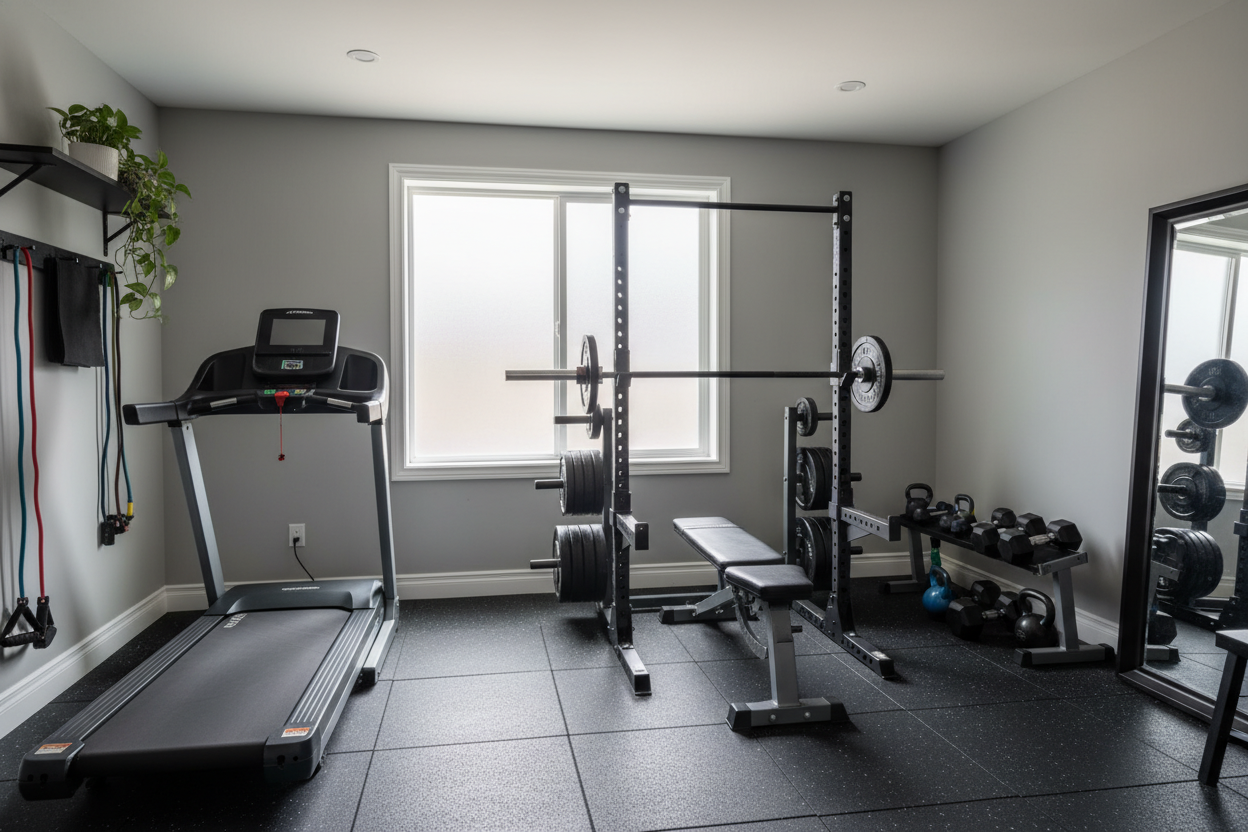
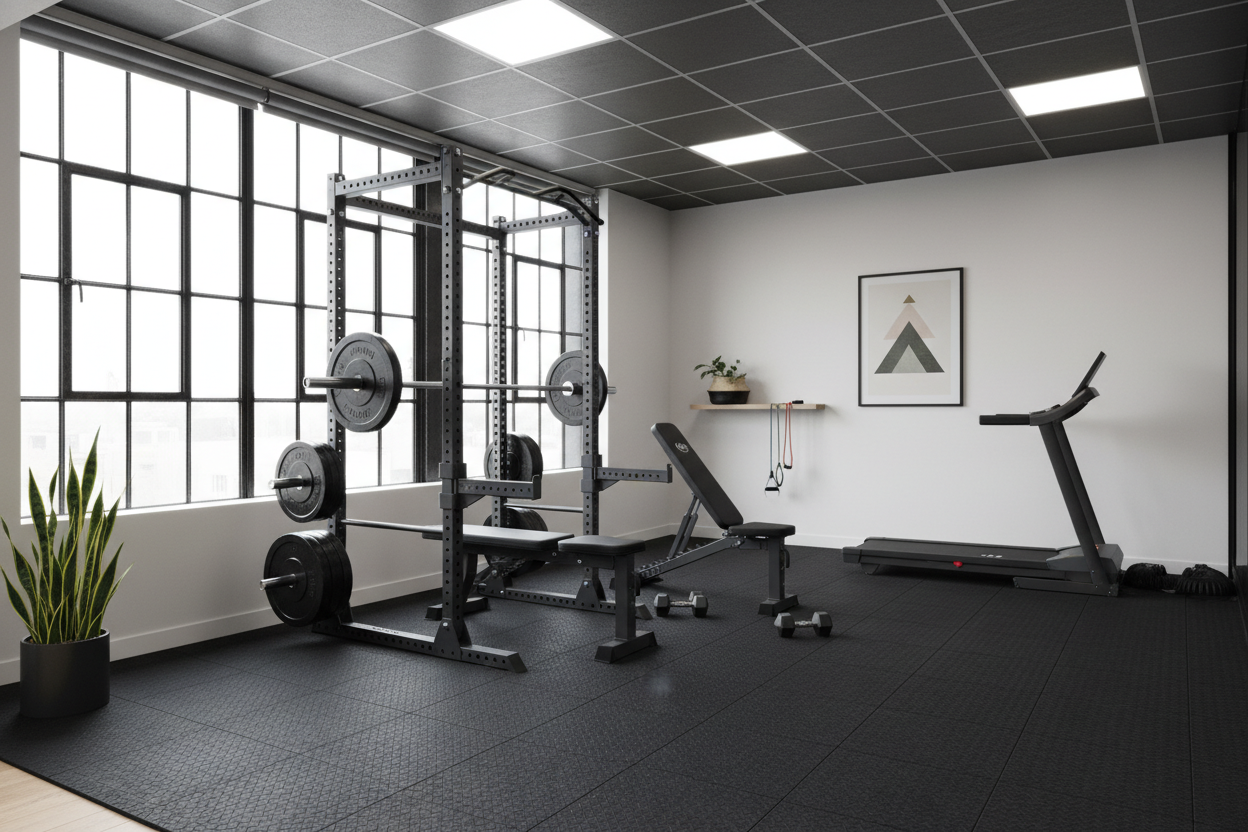
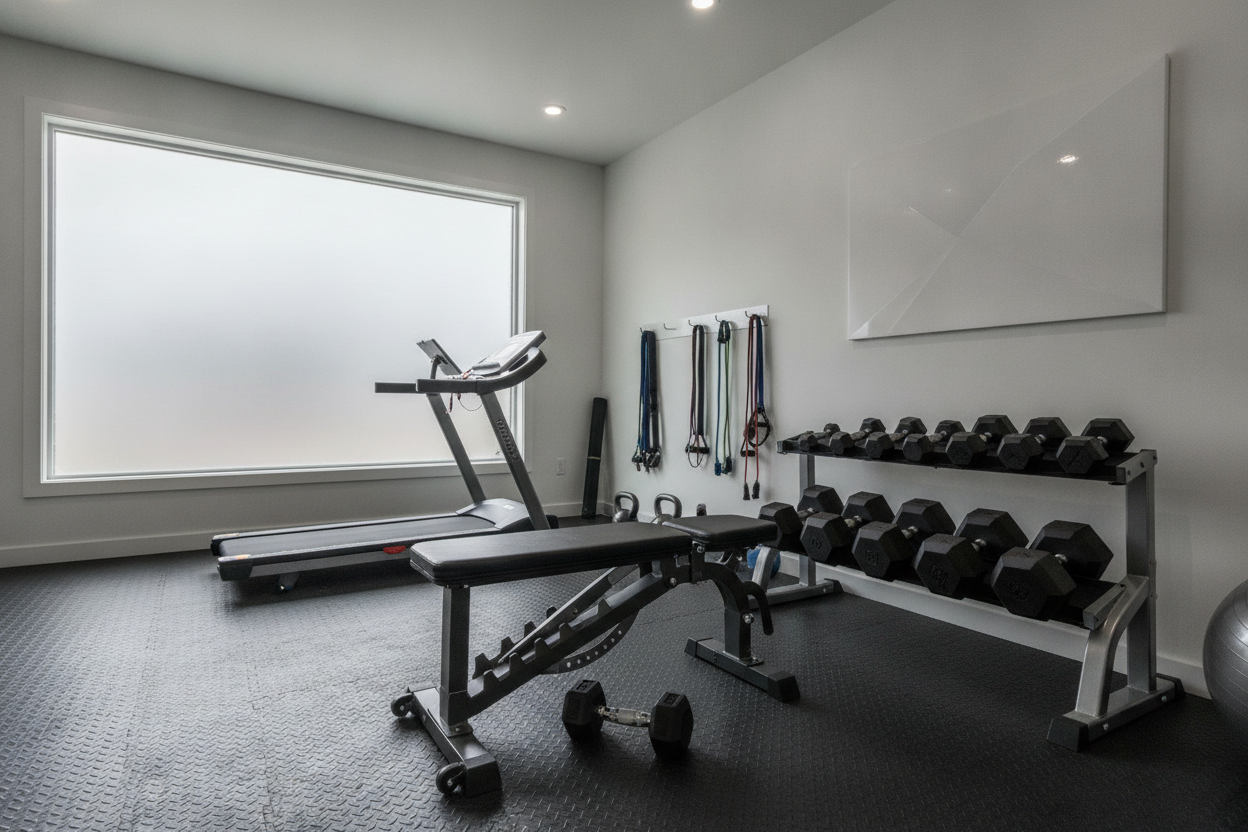
You don’t need a 400-square-foot garage gym with a power rack to do this right. In fact, for many, resistance training in older adults is safer at home where you can control the lighting, the temperature, and the floor surface. The biggest hazard in a home gym isn't the weight itself—it's the floor. Shag carpet is a trip hazard, and polished hardwood is an ice rink once you start moving.
Before you buy a single dumbbell, fix your foundation. I always recommend clearing a dedicated 6×8 ft space. Laying down a high-density 6X8Ft Exercise Mat Yoga Mat Gym Flooring For Home Workout provides the traction you need to stay planted. It’s firm enough that it doesn't squish under your feet (which can mess with your balance), but it’s grippy enough that your shoes—or your feet—won't slide during a squat. It also protects your joints from the hard subfloor.
The Transition: 3 Moves to Graduate from Rehab to Real Life
Strength training in older adults should focus on 'big' movements. Forget the bicep curls for a minute. You need to focus on the things that keep you out of a nursing home. First: the Sit-to-Stand. This is just a squat, but it’s the difference between needing help to get off the toilet and doing it yourself at 90. Start with bodyweight, then hold a small weight at your chest.
Second: The Loaded Carry. Pick up a weight in each hand and walk across the room. This builds grip strength, which is a massive predictor of longevity, and stabilizes your core. Third: The Hinge. This is learning to pick things up with your hips rather than your lower back. You'll need some basic Strength Equipment like a pair of kettlebells or adjustable dumbbells to make these moves effective. When you carry 15 pounds in each hand, your heart rate goes up, your bones get the message to stay strong, and your balance improves because your center of gravity is being challenged.
Choosing the Right Gear for Your Next Chapter
Don't get distracted by the stuff you see on late-night infomercials. You don't need a machine with 50 pulleys that takes three hours to assemble. For resistance training older adults, simple is better. Look for kettlebells with wide handles; as we age, grip can become a bottleneck, and a thicker handle is often easier on arthritic hands than a thin, cheap dumbbell.
Invest in a solid, flat bench and a few sets of weights that you can actually grow into. Avoid the 'beauty' weights—those 2lb neoprene things are usually too light to cause any real change after the first week. Check out this guide on Building Real Strength The Ultimate Guide To Equipment For Resistance Training to see how to pick gear that lasts. Buying a 10lb and a 20lb kettlebell will do more for your health than a $2,000 motorized treadmill ever will.
Personal Experience: The 'Light Weight' Trap
I remember training my own uncle after he finished rehab for a knee replacement. He was terrified of 'bulking up' or hurting the new joint, so he stuck with the 3lb weights the PT gave him. Six months later, he still struggled to get out of his favorite armchair. I finally convinced him to try a 15lb kettlebell for his squats. He was nervous, but within three weeks, he was standing up without using the armrests. The 'safe' light weights were actually the thing keeping him weak. My mistake was letting him stay in his comfort zone for too long.
FAQ
How many days a week should a 70-year-old lift?
Two to three days is the sweet spot. Your muscles don't grow while you're lifting; they grow while you're resting. Give yourself at least 48 hours between sessions to let the inflammation settle and the tissue rebuild.
Is it normal to be sore at my age?
A little muscle soreness (DOMS) is fine and actually a sign that you've stimulated the muscle. However, sharp pain in the joints is a 'stop' signal. Learn to distinguish between 'my muscles worked hard' and 'my shoulder is pinching.'
Do I need to join a gym?
Not at all. Most of the best resistance training for seniors can be done in a 6-foot square area with two kettlebells and a chair. Home gyms remove the commute and the 'gym intimidation' factor, making it much more likely you'll actually stick to the program.