Do You Really Need a Special Weight Gain Exercise for Beginners?
I remember staring at a pair of rusted 15-pound dumbbells in my garage, wondering why my sleeves were still flapping in the wind. I’d spend hours scrolling through forums, looking for that one elusive weight gain exercise for beginners that would magically add an inch to my chest overnight. I was doing everything from concentration curls to weird cable kickbacks, yet the scale wouldn't budge.
The truth is, most novices fail because they try to train like a pro bodybuilder on a three-day split before they’ve even earned the right to use a lifting belt. You don't need a complex menu of movements. You need a handful of heavy, boring lifts and a massive amount of food.
Quick Takeaways
- Compound movements (squats, deadlifts, presses) are the only way to trigger real growth.
- Consistency with 3-4 key lifts beats a 20-exercise circuit every time.
- You cannot out-train a caloric deficit; if the scale isn't moving, you aren't eating enough.
- Progressive overload is the metric of success—add weight or reps every single week.
The Trap of the 'Perfect' Novice Routine
Beginners love to over-analyze. I’ve seen guys spend three weeks researching the optimal angle for an incline flye when they can't even perform five proper push-ups. This paralysis by analysis is a gains-killer. You see a flashy influencer doing some weird unilateral cable movement and assume that's the secret sauce. It isn't.
The secret is mechanical tension. Your body doesn't want to grow; muscle is metabolically expensive. You have to force it to adapt by moving heavy loads that challenge your entire central nervous system. When you're starting out, your focus should be on the movements that allow you to move the most total weight, not the ones that give you a temporary 'pump' in the mirror.
Why Your Weight Gain Workout for Beginners Needs to Be Boring
If your program changes every week, you aren't training—you're just exercising. To pack on size, you need a high frequency of the same movements to master the technique and progressively add plates to the bar. Boredom is actually a sign that you're on the right track. You should be so familiar with your main lifts that you could do them in your sleep.
Many novices make the mistake of jumping into five-day body part splits. This is a waste of your 'newbie gains' potential. You should be hitting your whole body frequently to keep protein synthesis spiked. Instead of hitting chest on Monday and waiting a full week to do it again, try a Full Body Workout For Weight Gain Stop Wasting Time On Splits approach. This ensures you're practicing the big lifts often enough to get strong, fast.
The Core Movements: Building Your Base Safely
The foundation of any real weight gain workout for beginners is the 'Big Three': the squat, the deadlift, and the press. These are compound movements, meaning they use multiple joints and muscle groups at once. While Weight Lifting Machines have their place for isolation later in your career, they often skip the stabilizer muscles that build a truly rugged frame.
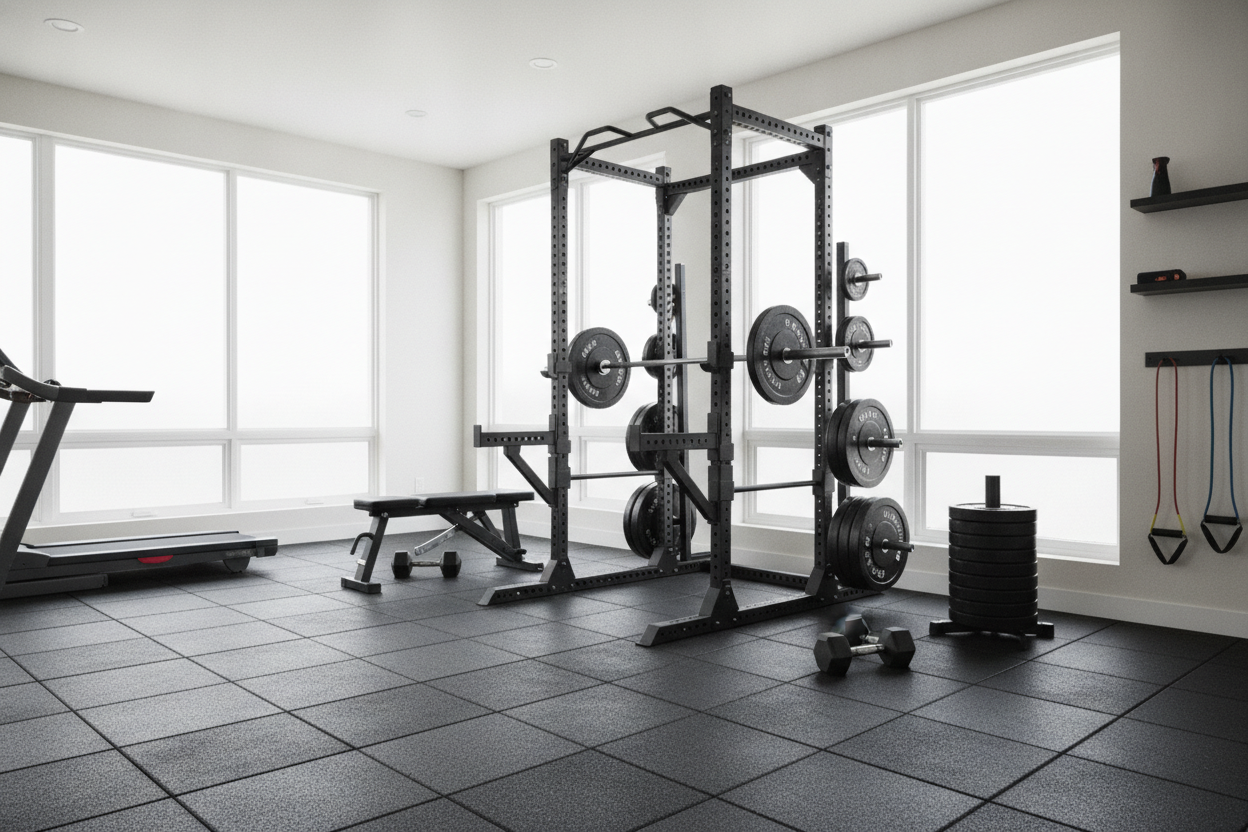
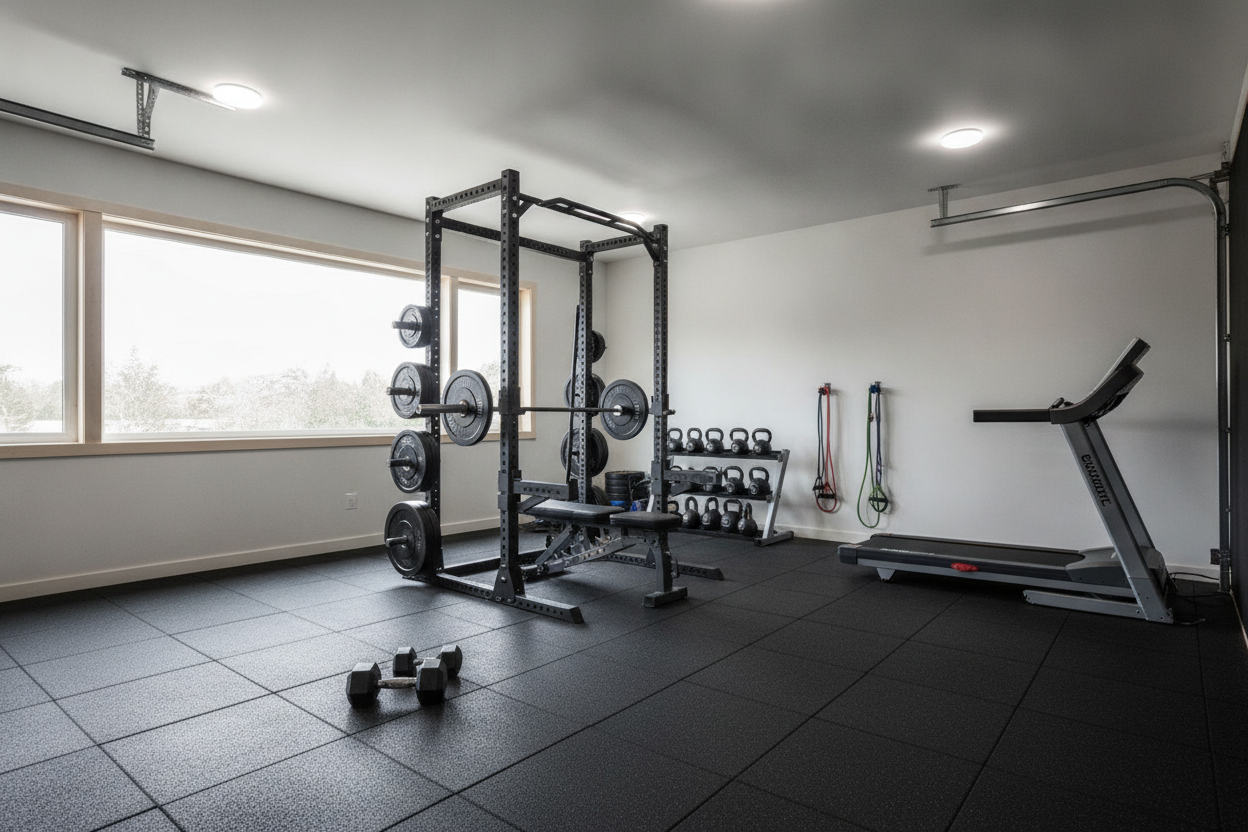
If you're training at home, you need a setup that allows you to fail safely. I’m a big advocate for a full cage. The Gxmmat X6 Power Rack Weight Bench Package is a solid anchor for a home gym because it includes the safety spotter arms you need when you're pushing for that extra rep on a heavy squat. It’s a 2x2 inch steel frame that doesn't feel like it's going to tip over when you re-rack 200 pounds.
Dialing in Your Presses
To build a thick upper body, you need to master the bench press and the overhead press. Most beginners 'ego lift' here, arching their backs like a bridge or bouncing the bar off their sternum. Don't do that. Keep your feet planted, squeeze your shoulder blades together, and control the descent. This builds the chest and shoulders without wrecking your rotator cuffs.
The surface you're lying on matters more than you think. A cheap, narrow bench will make you feel unstable, which limits how much weight your brain will let you lift. I like the Gxmmat Adjustable Weight Bench because it has a 2.5-inch thick pad and a wide base. It doesn't wobble when you're trying to drive your shoulders into the foam during a heavy set of inclines. Stability equals strength.
The Unspoken Rule: A Workout for Beginners to Gain Weight Fails Without Food
You can have the best program in the world, but if you're eating like a bird, you'll just end up 'skinny-fat' or injured. Muscle is built from the extra energy you consume. If the scale hasn't moved in two weeks, you need to add 300-500 calories to your daily intake. Think peanut butter, whole milk, and steak.
Don't get caught up in 'clean eating' to the point where you're only eating broccoli and tilapia. You need calorie density. If you're a hardgainer, your workout for beginners to gain weight is only 20% of the battle; the other 80% happens in the kitchen. Track your macros just as diligently as you track your sets.
Progression: How to Know You're Actually Growing
If you lifted 100 pounds for 5 reps last week, and you lift 105 pounds for 5 reps this week, you grew. It’s that simple. Buy a notebook or use an app. Log every single set. When you stop focusing on 'feeling the burn' and start focusing on the numbers on the page, the size will follow. You need to Stop Balancing: The Missing Key in Your Workout for Weight Gain and focus on solid, stable progression.
Personal Experience
When I started, I was 145 pounds soaking wet. I spent a year doing 'muscle magazine' workouts—lots of cable crossovers and leg extensions. I gained maybe three pounds. It wasn't until I stripped everything back to just squats, rows, and presses—and started eating until I was uncomfortable—that I put on 20 pounds in six months. My biggest mistake was thinking I was 'special' and needed a complicated routine. I didn't. I just needed to get my squat from 95 pounds to 225 pounds.
FAQ
How many days a week should a beginner train for weight gain?
Three days a week is plenty. This allows for maximum recovery. Remember, you don't grow in the gym; you grow while you're sleeping and eating between sessions.
Can I gain weight with just bodyweight exercises?
You can, but it's much harder to scale. It's easier to add five pounds to a barbell than it is to figure out the next progression of a pull-up. For pure mass, external weights are the most efficient tool.
What if I'm not getting sore?
Soreness is not a requirement for growth. Progressive overload is. If the weight on the bar is going up over time, you are building muscle, regardless of how your quads feel the next morning.