Do You Actually Need a Workout Plan for Beginners at Gym?
You’ve seen them. The folks standing awkwardly near the dumbbell rack, clutching a smartphone like a lifeline, scrolling through a 12-week workout plan for beginners at gym. They look miserable. They’re trying to figure out if a 'RDL' is a typo or a lift while a 250-pound guy grunts through a set of heavy squats three feet away. I’ve been that person, and honestly, the PDF is usually the problem, not the person.
Most 'starter' plans are built by people who forgot what it's like to be intimidated by a gym's layout. They give you a complex gym routine for starters before you even know how to adjust the seat on a lat pulldown. It’s a recipe for burnout. You don't need a spreadsheet; you need a map and some basic confidence. Before you commit to a rigid schedule, you need to learn how to exist in the space.
- Ditch the complex spreadsheets for the first 30 days.
- Focus on 'Sandbox' exploration to learn equipment mechanics.
- Prioritize showing up over hitting specific PRs.
- Start with machines to build a baseline of strength safely.
- Graduate to free weights only after the gym anxiety fades.
The Spreadsheet Trap: Why Day-One Rigid Plans Fail
Over-optimizing a newbie gym workout is the fastest way to ensure you never come back. I’ve seen people spend hours researching the best gym routines for beginners, looking for the perfect split of sets and reps. They show up with a plan that requires six different pieces of equipment, only to find the gym is packed and four of those machines are taken. They freeze. Without the exact exercises on their list, they feel like the workout is a waste, so they leave.
Strict plans also ignore the 'learning the floor' phase. If your gym plan for beginner athletes says you need to do barbell back squats on day one, but you’ve never touched a barbell, you’re going to spend the whole session stressed about your form. That stress kills the habit. You shouldn't be worrying about progressive overload when you're still trying to figure out which locker doesn't have a broken latch. A gym regimen for beginners should be about adaptation, not just execution.
Analysis paralysis is real. When you have twenty different exercises to learn, your brain treats the gym like a final exam instead of a place to train. You don't need to be an expert on day one. You just need to be a regular. The best beginner exercise routine gym goers can follow is the one that doesn't make them feel like an idiot for not knowing where the cable attachments are kept.
Enter the 'Sandbox Month' Approach
I tell everyone starting out to treat the first four weeks like a 'Sandbox.' In gaming, a sandbox is where you play with the mechanics without the risk of losing. Your goal isn't to get ripped in 30 days; it's to touch every piece of equipment and see what it does. This is the ultimate workout plan for beginners at gym because it removes the pressure of performance and focuses on familiarity.
During this month, your gym routine for beginners is simple: show up, move things, and leave. If a machine looks interesting, try it. Read the little sticker that shows which muscles it works. Figure out how the pins work. If the weight stack is sticking or the cable feels frayed, move to the next one. You are gathering data on what feels good and what feels like a chore. This exploration builds a mental map of the facility, which is the best way to kill gym anxiety.
By the end of week four, you won't be the 'new person' anymore. You’ll know that the 45-lb plates are on the bottom rack and that the fan in the corner makes a weird clicking noise. That familiarity is what allows a starter gym workout plan to actually stick long-term. You're building the habit of attendance, which is 90% of the battle. The other 10% is just moving heavy stuff without hurting yourself.
Week 1-2: Guilt-Free Machine Hopping
For the first two weeks, stay away from the free weights. I know, every influencer says you need to squat and deadlift with a bar immediately. They're wrong. Machines are your best friends. They have a fixed path of motion, which means you can’t really mess up the form. It’s a safe way to build a basic workout routine at gym while your tendons and ligaments get used to the new stress.
Try the chest press, the leg press, and the seated row. Use light weight—something you can move for 12 to 15 reps easily. You’re not trying to win a powerlifting meet; you’re trying to wake up your muscles. This newbie gym workout phase is about blood flow and coordination. If a machine feels clunky or hurts your joints, just move on. There are no mandatory exercises in the sandbox. You’re just a tourist in the land of iron.
Week 3-4: Claiming Your Floor Space
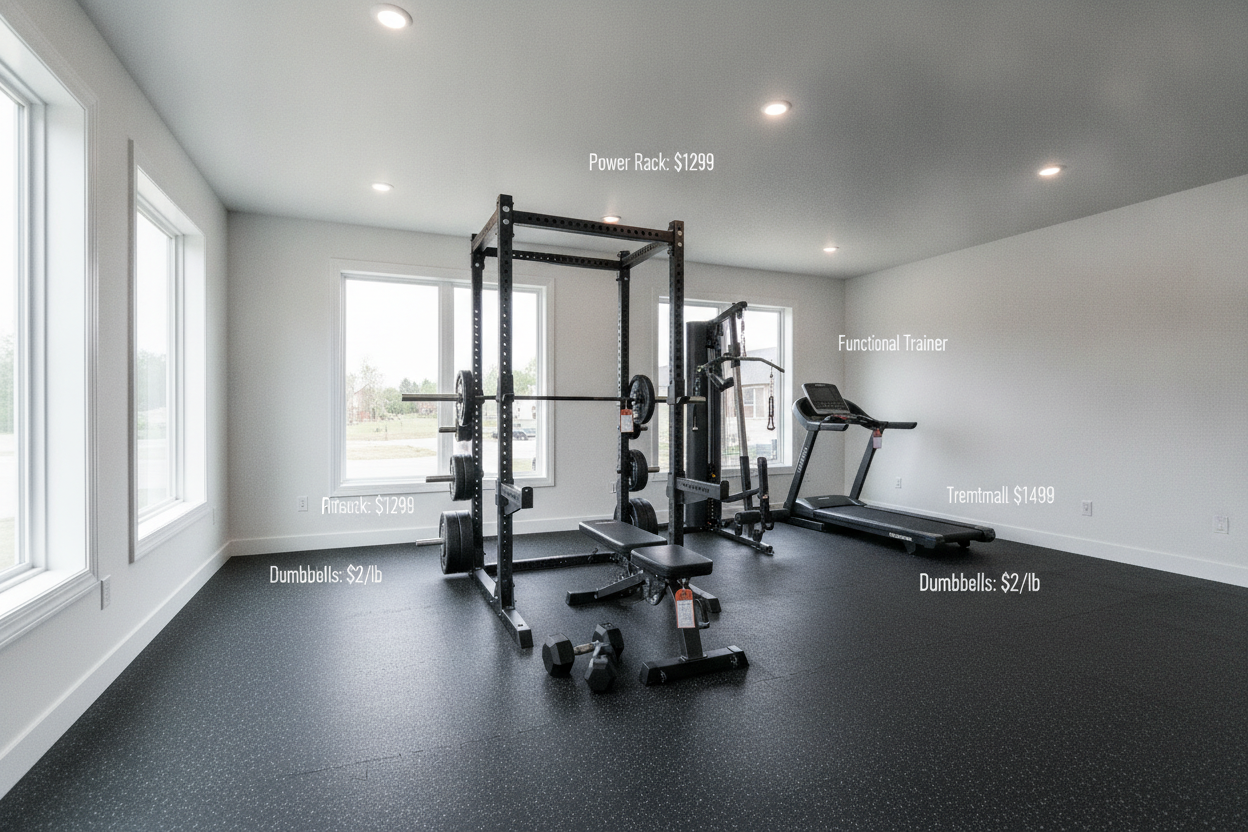
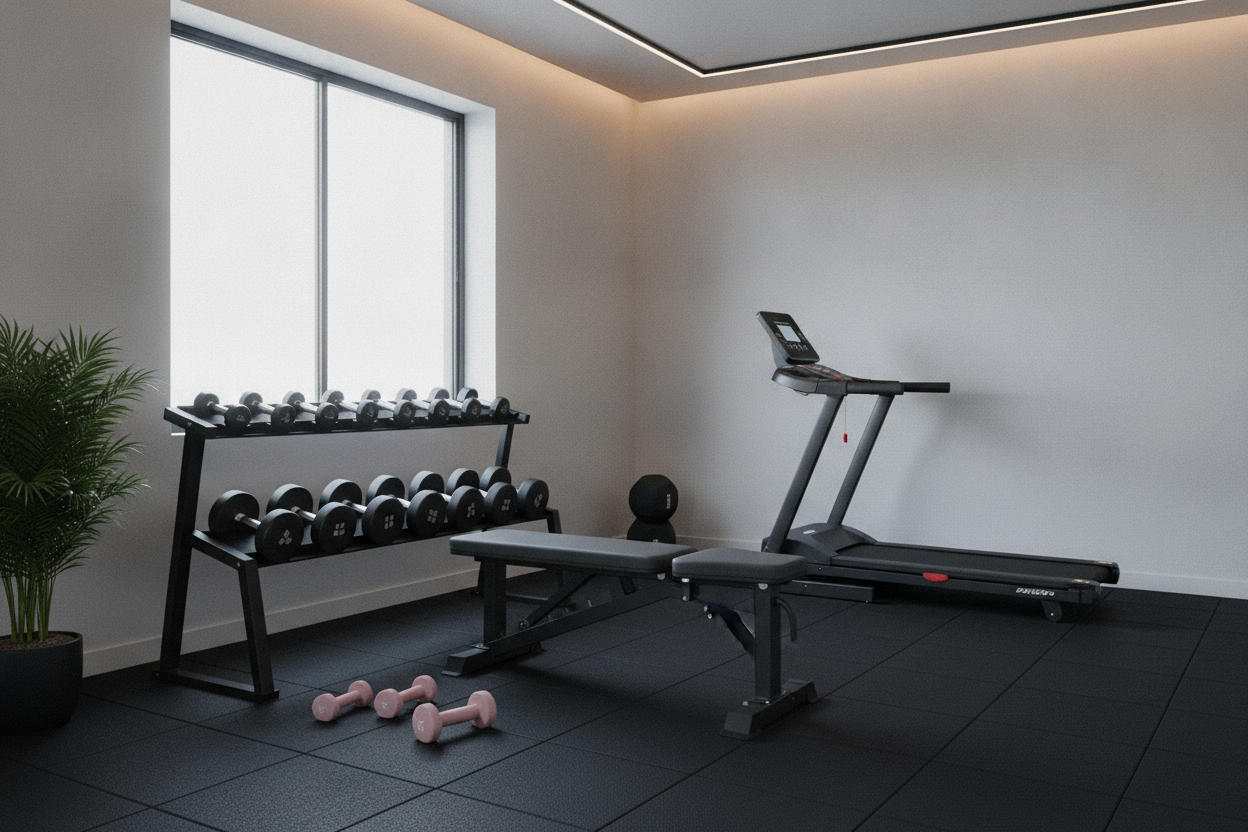
Once you’ve mastered the machines, it’s time to head to the stretching or functional area. This is usually the most intimidating part of the gym because it feels exposed. But here’s the secret: everyone there is just trying to survive their own core circuit. To build confidence, I suggest practicing your floor movements at home first. If you’ve spent time on a large exercise mat for home gym doing lunges and planks, doing them on the gym floor feels like a breeze.
In weeks three and four, pick two bodyweight exercises to add to your machine circuit. Maybe it’s a goblet squat with a light dumbbell or a simple plank. This gets you comfortable taking up space. You’re learning how to navigate the open areas of the gym where there are no machines to guide you. This is a vital step in any gym session plan for beginners because it bridges the gap between using a fixed tool and controlling your own body weight.
How to Transition to a 'Real' Routine Later
After your Sandbox Month, the 'new' has worn off. You’ve probably found that you hate the leg extension machine but love the rowing machine. Great. Now you can actually pick a structured gym workout for beginner athletes that fits your preferences. You aren't guessing anymore; you're choosing based on experience. You’ve graduated from just showing up to training with intent.
When you're ready for structure, look for a plan that focuses on compound movements—exercises that use more than one joint. A solid beginners workout for women at gym or a basic 3-day-a-week full-body split is usually the sweet spot. These plans provide enough frequency to see results without requiring you to live at the gym. You want something that lists 5-6 exercises per session, focusing on a push, a pull, a squat, and a hinge.
Don't fall for the advanced routines you see in magazines. You don't need five different types of bicep curls. You need consistency. Now that you know where the equipment is and how it works, you can focus on adding a little more weight each week. That’s where the real progress happens. The sandbox was for your brain; the structured plan is for your body.
Personal Experience: My Pec Deck Disaster
I’ll never forget my first day in a commercial gym. I walked in, saw a Pec Deck machine, and genuinely thought it was some kind of weird rowing device. I sat in it backward, chest against the pad, and tried to pull the handles toward me. A guy twice my size eventually walked over and politely told me, 'Hey man, you’re facing the wrong way.' I wanted to melt into the floor. If I’d had a Sandbox mindset, I would have just laughed it off. Instead, I was so embarrassed I didn't go back for a week. Don't be like 19-year-old me. Expect to use things wrong. It’s part of the process.
FAQ
What is the most important gym exercise for beginners?
The one that gets you back in the door. Seriously. In the beginning, consistency beats 'optimal' every time. If you love the treadmill and hate the squat rack, stay on the treadmill until you feel brave enough to try the rack. The best gym routine for beginners is the one you don't quit after two weeks.
How many days a week should a beginner go to the gym?
Start with two or three. Going from zero to six days a week is a fast track to injury and mental burnout. Give your body time to recover. Even a simple gym program works best when your central nervous system isn't fried from overtraining.
Do I need to hire a trainer right away?
You don't need to, but it can help if you're terrified of the equipment. However, a lot of people find that doing a Sandbox Month on their own helps them realize they don't need a babysitter—they just needed to get familiar with the environment and the weight stacks.