Do You Actually Need a Dedicated Shoulder Program Workout?
I remember staring at my 50-lb dumbbells last Tuesday, my shoulders already clicking from a heavy bench session the day before, wondering why I was about to put them through another hour of torture. We have all been there—slavishly following a shoulder program workout because some bodybuilding magazine from 2004 told us we needed a 'dedicated day' for those boulder caps. In reality, I was just spinning my wheels and wearing out my joints.
Quick Takeaways
- Dedicated shoulder days often lead to 'junk volume' that hinders recovery.
- Frequency beats intensity when it comes to small muscle groups like the deltoids.
- Integrate front, side, and rear delt work into your existing push/pull splits.
- Micro-dosing lateral raises 3-4 times a week sparks more growth than one massive session.
- Auto-regulation is key—if your joints feel like glass, skip the heavy overhead pressing.
The Problem With the Traditional Bro-Split
The classic 'shoulders day workout' is usually a recipe for inflammation rather than actual hypertrophy. You start with a heavy overhead press, which is great, but then you spend the next 40 minutes doing redundant isolation exercises. By the time you get to your fourth variation of a lateral raise, you are just moving weight with momentum and grinding your rotator cuffs into dust. This is the definition of junk volume—work that makes you tired but does not provide a new stimulus for growth.
When you dedicate an entire session to one small muscle group, you feel obligated to do more sets than necessary just to fill the time. This often leads to overtraining and stalled progress on your big lifts like the bench press or incline row. Why a Dedicated 'Shoulder Day' Ruins Your Bulk Shoulders Workout is a concept I had to learn the hard way after my third bottle of ibuprofen and a nagging pain that made it impossible to sleep on my side. Your delts are involved in almost every upper body movement; they do not always need their own stage.
Volume vs. Frequency: What Actually Builds Delts
If you want thick, wide shoulders, you need to rethink your shoulders training program. The deltoids are relatively small muscles with a high percentage of slow-twitch fibers, meaning they recover quickly but also fatigue fast within a single session. Instead of doing 15 sets on a Monday and then nothing for six days, try doing 5 sets three times a week. This keeps protein synthesis elevated throughout the entire week rather than letting it spike and crash.
I have found that my clients get much better results when we treat the delts like calves or abs—hit them often, hit them with variety, but do not kill them in a single sitting. A higher frequency allows you to keep the quality of every rep high. When you are fresh, a 25-lb lateral raise feels like a targeted burn. When you are on set 12 of a dedicated shoulder day, those same 25s feel like a clumsy shrug. Focus on the 'effective reps'—the ones where the muscle is actually under tension without the traps taking over.
How I Scatter My Shoulder Training Routine Now
These days, my shoulder training routine is integrated into my larger movements. On my 'Push' days, I focus on the front delts through heavy overhead pressing or high-incline dumbbell work. On 'Pull' days, my rear delts get crushed through face pulls and wide-grip rows. This leaves the lateral delts—the muscles that actually give you that 'wide' look—to be sprinkled in whenever I have five minutes of extra energy.
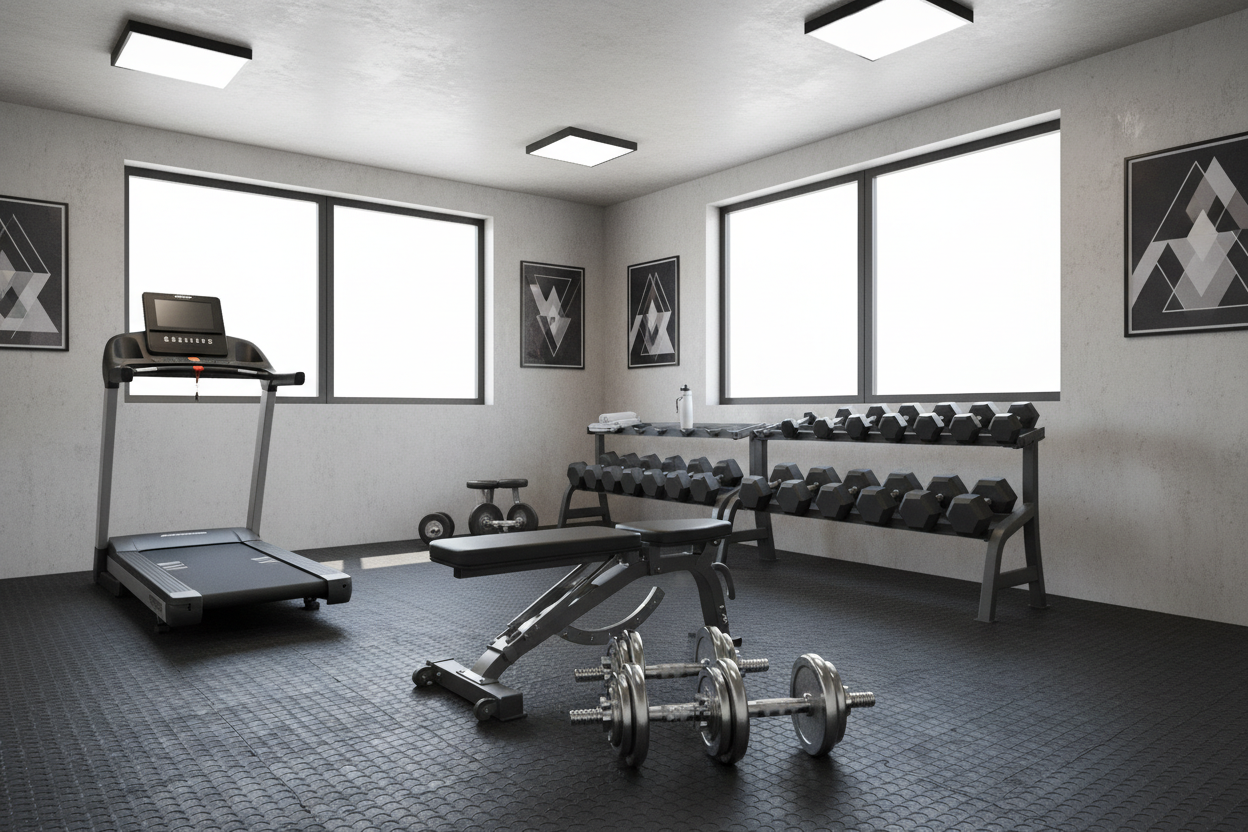
I keep a pair of 15-lb dumbbells right next to my power rack. While I am resting between sets of squats or waiting for my coffee to brew in the morning, I’ll knock out three sets of strict lateral raises. This 'scattered' approach ensures that my shoulders are always being stimulated without ever being so fatigued that they ruin my main lifts. You can find full-body templates that integrate this approach over at our Workout Hub, which helps you move away from the 'annihilation' mindset and toward actual progress.
The 'Micro-Dose' Shoulders Routine
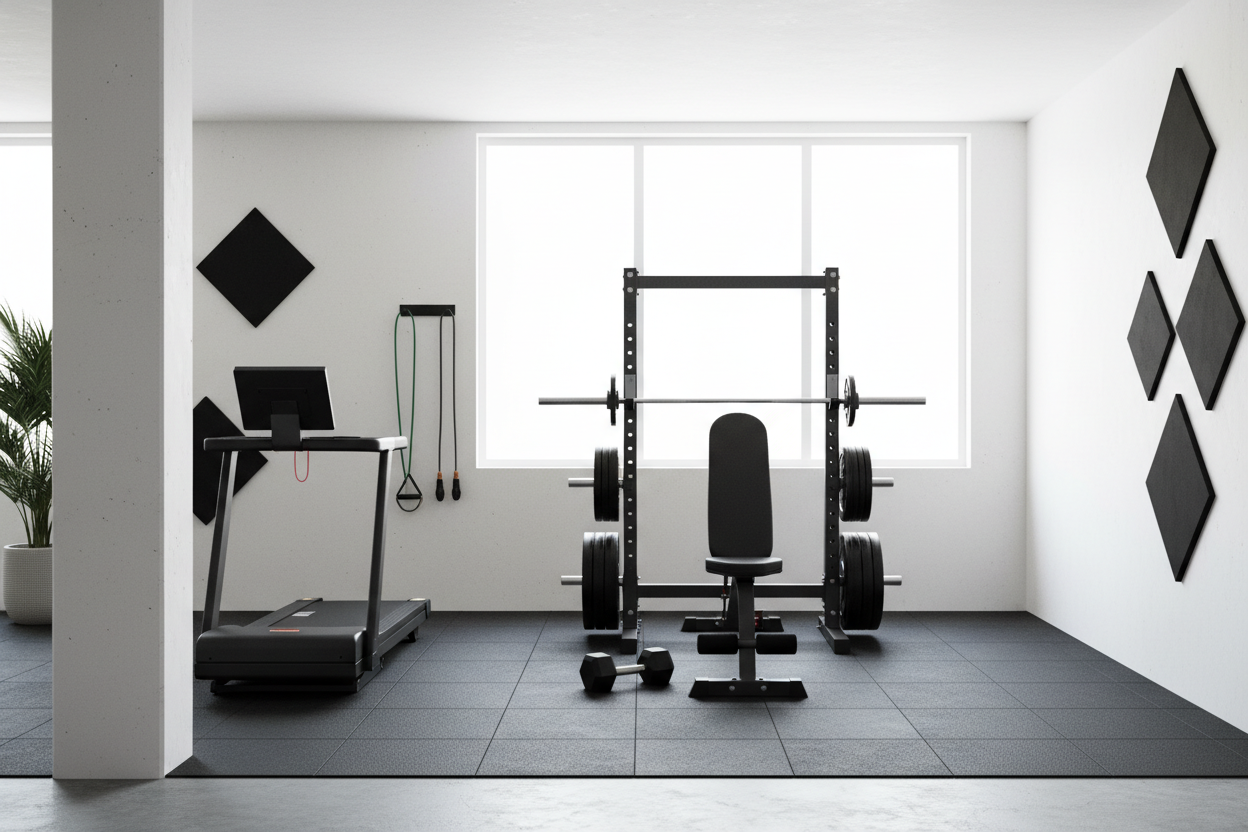
If you are training in a garage, you probably have a decent 6X8Ft Exercise Mat Yoga Mat Gym Flooring For Home Workout. This is your dedicated space for what I call 'micro-dosing.' Every other morning, spend ten minutes on that mat with a light resistance band or a pair of small dumbbells. Do some band pull-aparts, some 'around the worlds,' and some slow-tempo lateral raises. This is not about moving 100 pounds; it is about driving blood into the tissue and keeping the joints mobile.
This micro-dose approach is a lifesaver for anyone over 30. It keeps the synovial fluid moving in the shoulder capsule and prevents that stiff, 'frozen' feeling that comes from heavy pressing. It is also an easy way to accumulate 10-15 sets of lateral delt work per week without it ever feeling like a chore. You are not taxing your nervous system; you are just giving the muscle a reason to stay full and growing.
Throw Away That Big Shoulder Workout Chart
Stop looking for the ultimate big shoulder workout chart in a PDF or a magazine. Those charts are static, but your body is dynamic. Some days your shoulders will feel like they can press a house; other days, just un-racking the bar feels like a mistake. Auto-regulation is the most important skill you can develop in a home gym. If your 'chart' says you need to do 5 sets of heavy military press but your AC joint is screaming, you need to be smart enough to pivot to high-rep face pulls instead.
Relying on a generic chart limits your potential because it does not account for the fatigue you are carrying from other training days. If you did heavy chest yesterday, your front delts are already fried. Doing more heavy pressing today is just asking for an injury. Check out Stop Training Delts Wrong The Real Workout For Big Shoulders to see how to structure your actual working sets based on how you feel, rather than what a piece of paper tells you to do.
Personal Experience: The 185-lb Mistake
A few years ago, I was obsessed with hitting a 225-lb overhead press. I followed a rigid shoulder program that had me pressing heavy every Monday, regardless of how my joints felt. I ignored the clicking and the dull ache until one day, halfway through a rep at 185 lbs, I felt a sharp 'pop.' I ended up with a subacromial impingement that kept me off any type of pressing for six months. It was a humbling lesson. Now, I prioritize joint health and high-frequency 'pump' work over ego lifting, and my shoulders have never looked—or felt—better.
Shoulder Training FAQ
How many times a week should I train shoulders?
For most people, hitting them 2 to 3 times a week with lower volume per session is the sweet spot for growth and joint health.
What is the best exercise for shoulder width?
Lateral raises are king. Whether you use dumbbells, cables, or bands, the side delt is what creates that visual width you are after.
Can I grow shoulders without heavy overhead pressing?
Yes. While the press is a great builder, many people find that high-volume isolation and incline work build the delts with much less joint stress.